

On Parting (after Tu Mu)
This much fondness numbs me.
I ache behind my drink, and cannot smile.
The candle too, hates parting,
and drips tears for us at dawn.
A non-poet friend asked why I’m dabbling in these adaptations. After all, she said, they’ve already been translated. Why do you breathe, I replied, admittedly a dissatisfying, snarky and evasive answer. So I thought about it. Why, indeed. The usual justifications apply: as exercises in diction and rhythm, it’s fun, it’s challenging. But the truth is I love these poems, these poets, and working through the pieces allows me to inhabit the poems in a way I can’t by simply reading them. And there is a hope, however feeble, of adding to the conversation a slight nuance or a bit of texture without detracting from or eroding the original.
The transliteration on Chinese-poems.com reads:
Much feeling but seem all without feeling
Think feel glass before smile not develop
Candle have heart too reluctant to part
Instead person shed tear at dawn
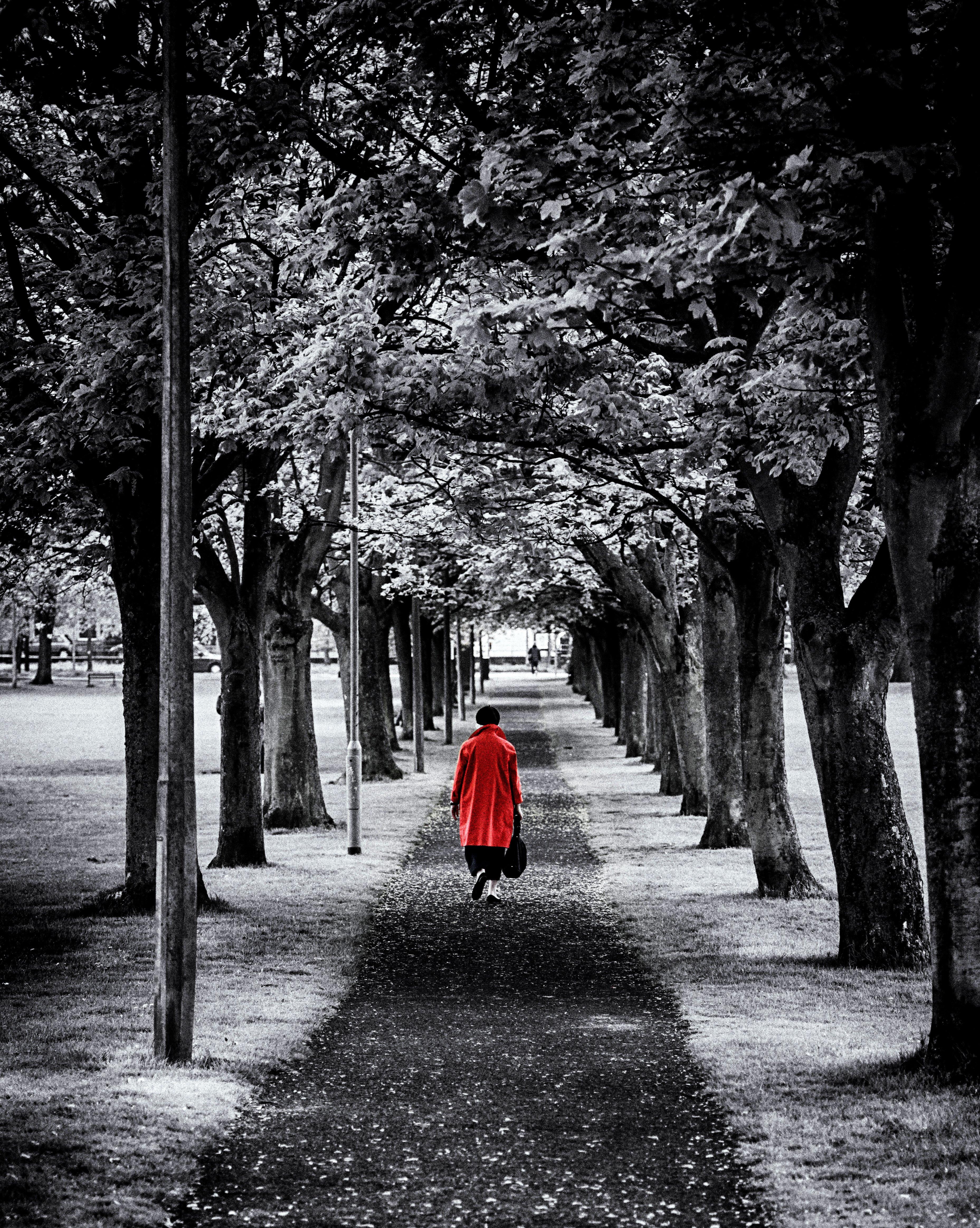
This first appeared on the blog in October 2014.
 O at the Edges
I understand, completely – both poem and reasoning.
LikeLiked by 1 person
Thanks, Ken. It’s hard not to dabble!
LikeLike
This is quite beautiful, Robert. I for one, am glad you continue with your interpretations.
LikeLiked by 1 person
Thank you, Nadia. They are fun and challenging.
LikeLike
“A non-poet friend asked why I’m dabbling in these adaptations. After all, she said, they’ve already been translated….” Like Louis Armstrong said, If you have to ask, you will never know…
These retranslations are fantastic. Keep up the very very VERY good work! 🙂
LikeLiked by 1 person
Thanks, Daniel. These are a form of self-indulgence, but if I can’t indulge myself, who can I indulge? Ha!
LikeLiked by 1 person
The Chinese-poems.com version registers with me as stiff and too-literally-translated (emphasis on words only). Your renditions (including this) speak to me in a readily-understood manner. Isn’t that the goal of translation? In another few centuries, your renditions may no longer be readily-understood, and then some new poet will come along and say it better for that generation. For now, sooooo glad to encounter yours.
LikeLiked by 2 people
Thanks, Jazz. I suppose there’s always a risk when inserting oneself into another poet’s words, but how better to become intimate with those words?
LikeLike
Indeed!
LikeLiked by 1 person
Your rendition is like a smooth sail catching the perfect wind — into our hearts. Nice that you attempt these and gather old petals to restore into vibrant blooms. Nice work!
LikeLiked by 1 person
Thank you, Steph. With these, all we can do is try. If my attempts result in someone, somewhere deciding to read these poets, then I have done my job.
LikeLiked by 1 person
1. I wouldn’t call it dabbling.
2. I don’t know why you do it, but your translations are gorgeous. You bring something to them and they bring something to you. The result is stunning.
3. I don’t actually care why you do it, I only hope you’ll keep on.
LikeLiked by 1 person
Thank you, Ellen. I think the main reason I do these is that I come to know the poems much better when I work with them. There’s a level of intimacy that I can’t achieve otherwise. And, quite frankly, it’s fun!
LikeLiked by 1 person
That matches my experience as an editor–work I did until I retired. It allowed me inside a piece of writing. Or, to shift metaphors, it was like singing harmony–at least when it worked, which it didn’t always.
LikeLiked by 1 person
I’ve found the same sort of communion when writing centos. Harvesting lines from other poets causes me to look more carefully at their work. An interesting process, and invaluable.
LikeLiked by 1 person
Thanks Robert, another word that I’ve learnt about today, transliterate, and your works are fascinating and make for compelling reading. Again this old dog’s been taught another trick !!
LikeLiked by 1 person
I truly learn from poetry, Ivor. Thinking about words, and trying to assemble them into a semi-coherent gathering, consumes me. And thank you for your kind words.
LikeLike
Playing with words…you don’t need any justification for that. I do the same thing with art, making collages based on artists’ work I love. You experience the words/images/colors/forms in a much deeper way. And you learn. (K)
LikeLiked by 1 person
Yes! And I write to learn.
LikeLiked by 1 person
Your thoughts give me a new perspective … wonderful
LikeLiked by 1 person
Thanks very much.
LikeLike
i love it
LikeLike
Thank you!
LikeLiked by 1 person