

Spring Night (after Wang Wei)
Among falling devilwood blossoms, I lie
on an empty hill this calm spring night.
The moon lunges above the hill, scaring the birds,
but they’re never quiet in this spring canyon.
Another try at an old favorite…
I consider this adaptation rather than translation, but perhaps appropriation or even remaking might be more accurate.
Here’s the transliteration from chinese-poems.com:
Person idle osmanthus flower fall
Night quiet spring hill empty
Moon out startle hill birds
Constant call spring ravine in
So many choices, none of them exactly right, none of them entirely wrong. How does one imply idleness, what words to use for “flower” (blossom? petal?), or for that matter, “fall” (descend, flutter, spiral)? And how to describe a moonrise that scares the constantly calling birds? My first attempt began:
“I lie among the falling petals”
but it seemed vague. The word “osmanthus” fattened my tongue, or so it felt, but the osmanthus americanus, otherwise known as devilwood or wild olive, grows in parts of Texas. So I brought the poem closer to home.
I considered naming the birds (quail came to mind) but decided against. In this case the specificity felt somehow intrusive.
My hope is that I’ve managed to amplify, in some small way, previous iterations, and that while the edges are still a bit blurred in morning’s first light, perhaps they’ll become slightly crisper by the evening.
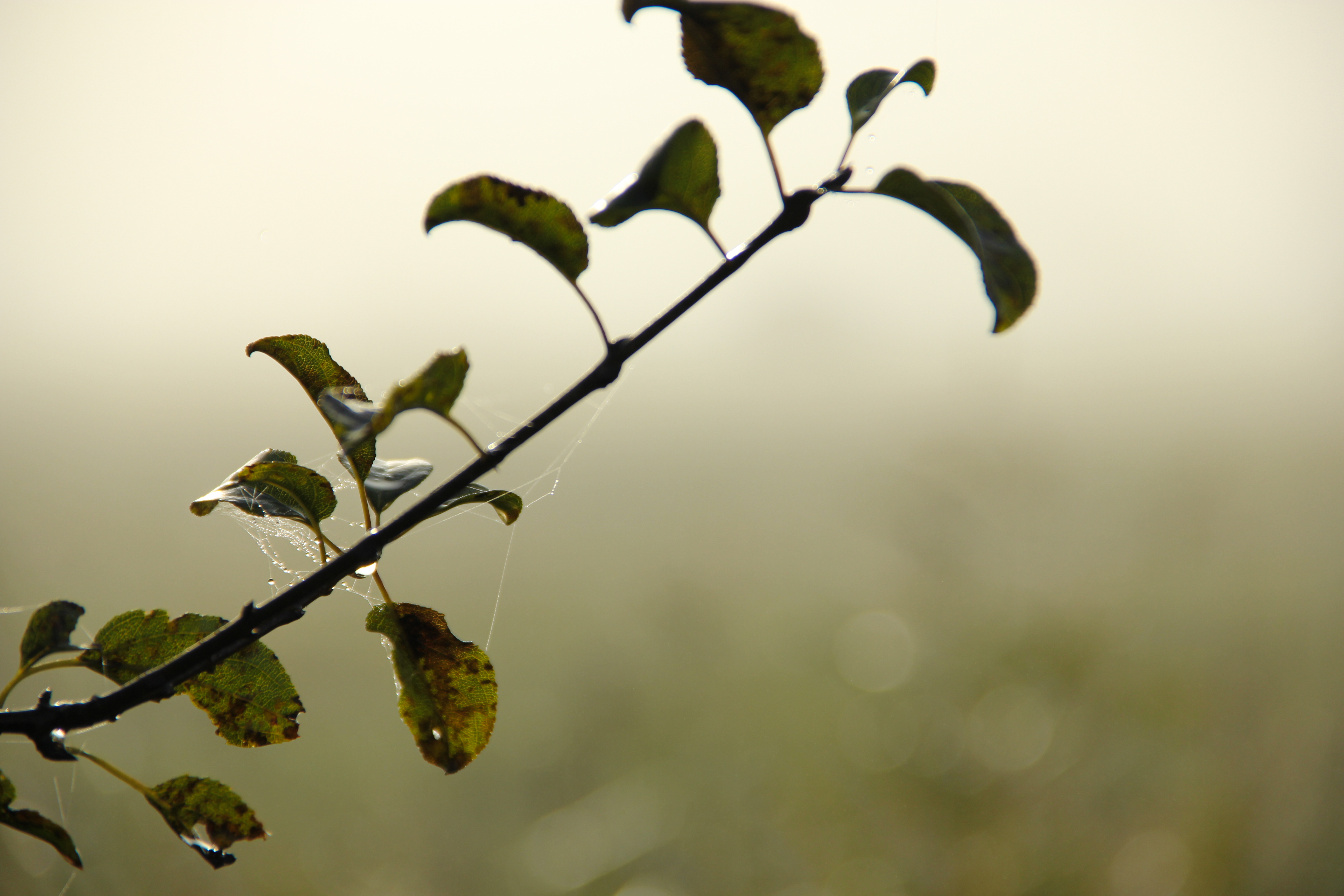
“Spring Night” last appeared here in February 2018.
 O at the Edges
I appreciate both the result and the insight into your work here, Bob.
LikeLiked by 3 people
Thank you, Cate. I hope some find it helpful.
LikeLiked by 1 person
Fascinating to read your thinking as you reword and adapt this lovely poem.
LikeLiked by 3 people
Thank you. People frequently ask about process, so I thought I’d offer some details.
LikeLiked by 1 person
The thought of amplifying previous iterations makes a lot of sense to me. Since the transfer from one language to the other will be imperfect, each translation can make possible a more dimensional representation.
LikeLiked by 1 person
The possibilities are endless. Attempting these adaptations has made me a better poet – each word counts, each has multiple permutations. I think it’s possible to say the same thing, or nearly the same thing, with differing nuances.
LikeLike
I understand. I’ve looked at some of my own attempts and wondered why I didn’t phrase them differently.
LikeLiked by 1 person
That’s why I still revise poems even after they’re published. Crazy, but true.
LikeLiked by 1 person
🙂
LikeLiked by 1 person
I like this latest take – devilwood is much easier to file away in my upper reserves than a botanical name. That said, I went looking to see if the tree we planted out back 2 years ago is an osmanthus americanus and now know its botanical name is Cordia boissieri (Texas olive). Native to South Texas, but good odds in Austin area – has survived 2 winters now, and getting taller. Perhaps next year I’ll have a chance to sit beneath falling blooms and reread your lines.
LikeLiked by 1 person
It’s amusing that attempting to adapt a Chinese poem led me to the Texas olive tree. But that’s what poetry does for me! I learn things.
LikeLiked by 1 person