
Two Cranes on a Snowy Pine (after Hokusai)
Who knows where bird
begins and tree
ends,
which branch shifts
snow, which bears
eternity. This, too, will share
joy,
elusive green
and breath,
with no thought
of flight
and night’s
fall.
* * *
“Two Cranes on a Snowy Pine” is included in my forthcoming chapbook, From Every Moment a Second, which is available for pre-publication order until August 11.
The poem first appeared in Panoply in summer, 2016, and was subsequently nominated for a Pushcart Prize. Many thanks to editors Ryn Holmes, Jeff Santosuosso and Andrea Walker for this honor, my first such nomination.
See the woodblock print that sparked this poem: Hokusai

 O at the Edges
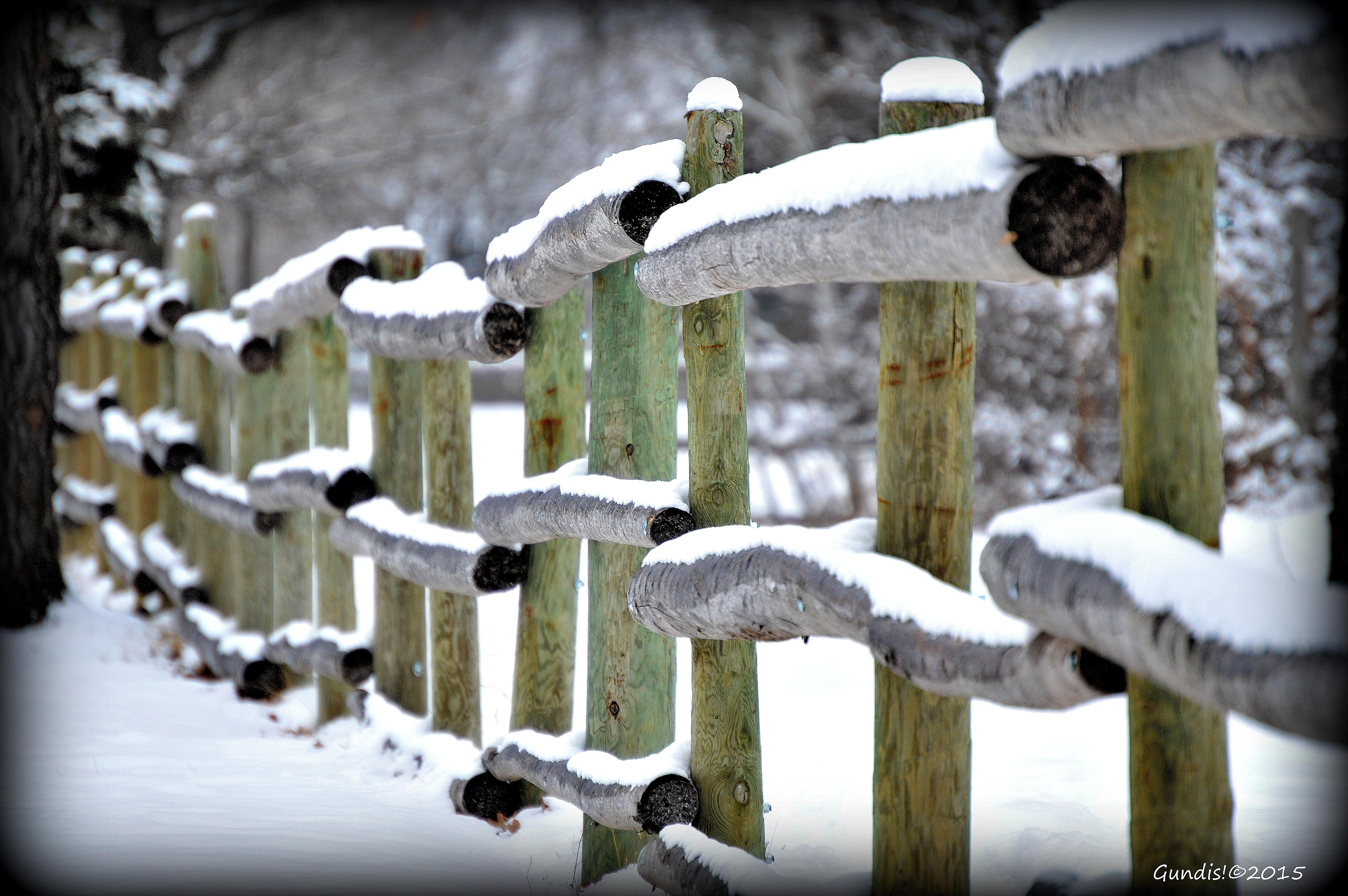
I purposely avoided this poem of yours in my review of FEMAS, as I would have written a 30 page thesis on how beautiful it is. And that photo of the snowy fence…all the secrets of music, art, poetry, Noh… Everything… are in that photo. The existential beauty is dumbfounding!
LikeLiked by 2 people
Thank you, Daniel. It is a simple poem that relies on the reader’s imagination. I recently received a rejection from an editor who stated that my imagery was common, my poems lacked emotional resonance, and my writing could benefit by going weird. That editor may be right, but I won’t be jumping off of this train anytime soon. It took too long to get here. 😀
LikeLiked by 1 person
It’s fair game that your work does not emotionally resonate with that one editor, and indeed you imagery is “common” (negative) to him while it is wondrously and numinously “common” to your fans. BUUUUTTTTT… his suggestion that your work would benefit from “being weird” is total and complete nonsense,
What editor would suggest such an affectation?! People make things from their vision and their works are weird – after the fact – by some comparative (i.e. highly subjective) mensuration. Ornette Coleman was “weird” when he first arrived on the scene, and now long after his debut seems pretty “normal” compared to Albert Ayler or the Japanese noise-art people.
No REAL artist sits down and tries to be avant-garde like it is some formulaic process. I even had a modernist classical composer decry my work in front of a conference audience for 10 minutes… unaware that I was sitting only a few seats away from her. My graphic score(s) were nonsense, bullshit, fakery, postmodernist crap, and so on. I loved every second of her harangue. What it lacked in eloquence it gained in passion. She meant every word of it. She truly felt I had INTENTIONALLY set out to make a mess of her pristine, logical world by launching my creative chaos into it. She HAAATED my work. And I was honored… because my effort was sincere… and I had earned her sincere resistance!!
So please do NOT “weird” up your work. It is perfect the way it is… the probing stanzas of a gloriously uncertain man… and that is what makes you a genius.
LikeLiked by 1 person
When editors comment on individual lines, and suggest removing one or perhaps rearranging a few words, they’re often spot on, and their suggestions make the poem better. But when they “advise” one to change EVERYTHING one does, I learn only that I shouldn’t submit work to their publications (which is a good thing to know). I could fake weirdness, but why bother? It wouldn’t be genuine.
LikeLiked by 1 person
I totally agree. And what a vague, unhelpful thing to say… as if “weirdness” is a singularly definable property one can ad to their writing, like crackers to soup…
LikeLiked by 1 person
… and there are so many ways to be not helped by this advice. The editor might as well have told you to make your poetry more “democratic”! LOL!
LikeLiked by 1 person
Newer poets are often instructed to “go weird” as a means of expanding their repertoire, of learning to use interesting word combinations. But at this stage, I would find that less interesting (having gone through that phase years ago) and not at all appealing. I am comfortable with “ordinary.”
LikeLiked by 1 person
This is an “industry” standard, to go weird for creative growth as a beginner? That is even worse, as a young poet has no idea where to go weird FROM if they have no voice yet. You can’t go weird if you don’t know who you are truly starting off AS.
Go weird… fecking ijiots!
LikeLiked by 1 person
I don’t know that it’s an industry standard, but it seems fairly common in certain workshops. The intent is good, but it’s been misinterpreted to mean “anything goes,” or weird is better than control and restraint. I grow tired of the constant use of high points and language bordering on explosive simply for effect. Tricks are tricks. Craft is craft. The two can, and should, meet. But relying exclusively on a tool bag of tricks is, well, boring. To me.
LikeLiked by 1 person
You can teach dogs tricks… give me Shaker furniture instead. 🙂
LikeLiked by 1 person
🐶
LikeLiked by 1 person
tranquil
LikeLiked by 1 person
Thank you, Maureen.
LikeLiked by 1 person
There is too much to love about this poem, “…which shifts snow, which bears eternity” among the most uplifting of phrases. I will carry the balance of those words in my heart today.
LikeLiked by 1 person
Thank you, Carrie. You’ve made my day.
LikeLike