Boxcar

boxcars


Boxcar

Whose voice lingers
among the gathered stones,

raised then lowered as if
to ensnare followers?

This is not the issue.
Nor should we speak of paper

shuddering in the wind
and the dense glare of shovels

in the night underfoot.
Pray that the road continues

beyond the next curve
or increment of time.

Trust in motion,
the reticence of trees.
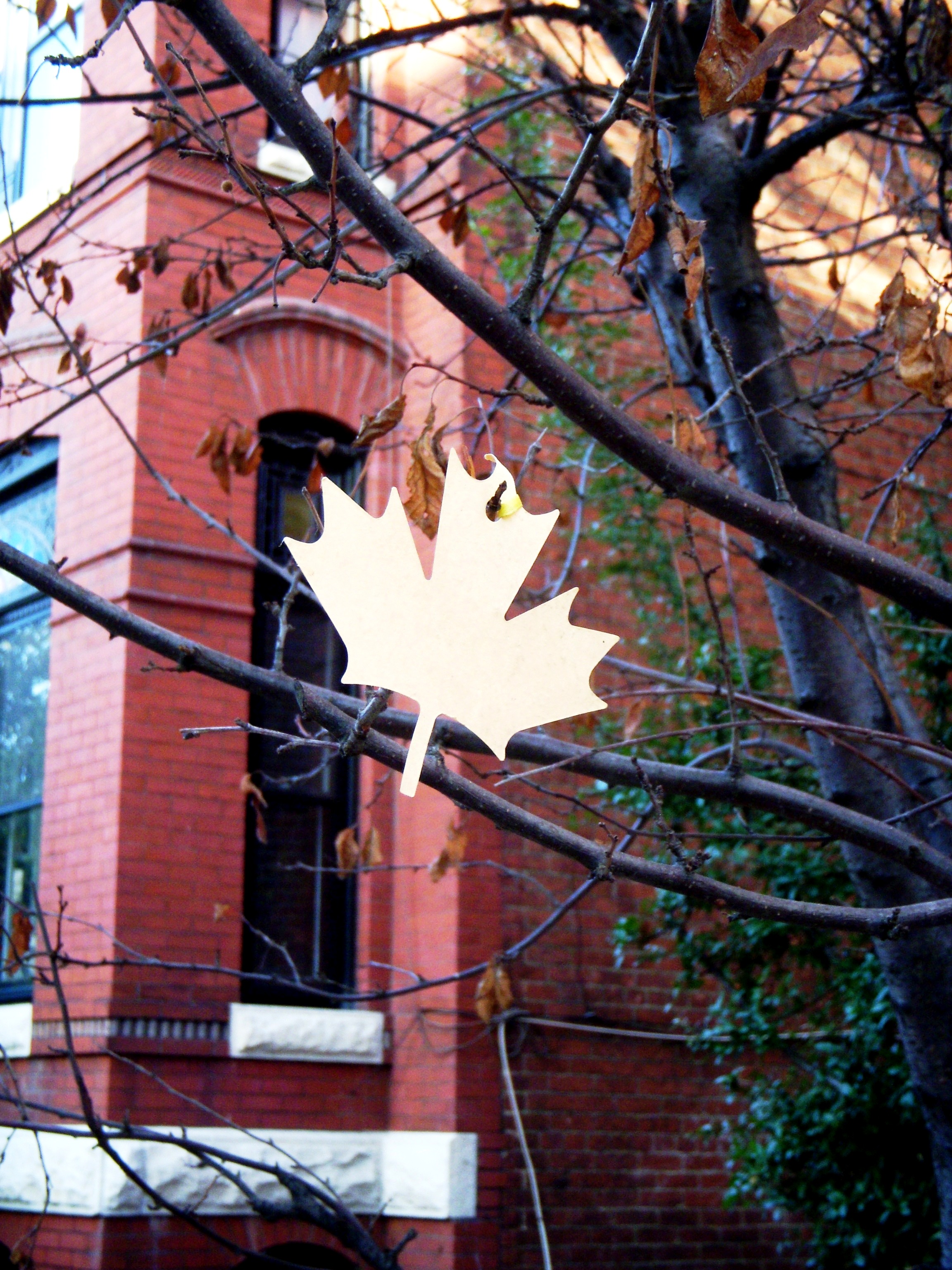
 

paper leaf

“Boxcars” first appeared here in November 2015. It had been moldering in a folder for three decades when I uncovered it. I have no idea what originally sparked it.

In This Shack a Cold Wind Blows


In This Shack a Cold Wind Blows

In this shack a cold wind blows,
shuffling papers and ideas before settling

on the floor. Leaves rustling. Tea,
cooling. You recall the peace of near

death, fear circling the drain,
giving in to breath, labored but certain,

one exiting another and again,
then laughing at the improbability: you

are nothing. You were nothing.
Nothing will come of you. You say

yesterday, and think tomorrow. Today.


* * *

“In This Shack a Cold Wind Blows” was first published in April 2019 by The Elixir Magazine out of Yemen.


Naming What Was Not (Cento)


Naming What Was Not (Cento)

The dark: an ocean for us all.
We could fall off one edge

or another, like the letter
that falls in the middle of an eye,

as if what we wanted
were not the thing that falls.

Precisely what the body resists
the body is. If you know

the names of a bird in ten
languages, do you know any more

about the bird? I thought that
all this was perhaps nothing more

than a way of remembering:
distance grows in the bones.

What’s called hearer is hearing. Oh
this is the animal that never was.


Credits: Katherine Coles, Vicente Huidobro, Jane Hirshfield, Sean Hill, Arthur Sze, Dawn Lundy Martin, Cecilia Vicuña, Sean Hill, Mei-mei Berssenbrugge, Rainer Maria Rilke.

A cento is composed of lines from poems by other poets.

For further information and examples of the form, you might peruse the Academy of American Poets site: http://www.poets.org/poetsorg/text/poetic-form-cento


Morning Suizen


Morning Suizen

Boundless, it sips direction in the way of all music,
tonguing each note for its salt.

We call this ecstasy. Or peace.
Follow, and they still escape, always beyond
our outstretched fingers.

Exhale slowly. What do you know?

That long tunnel, ribbed in silence.
The scent of burning cedar.
Days framed in darkness and birdsong.


* * *

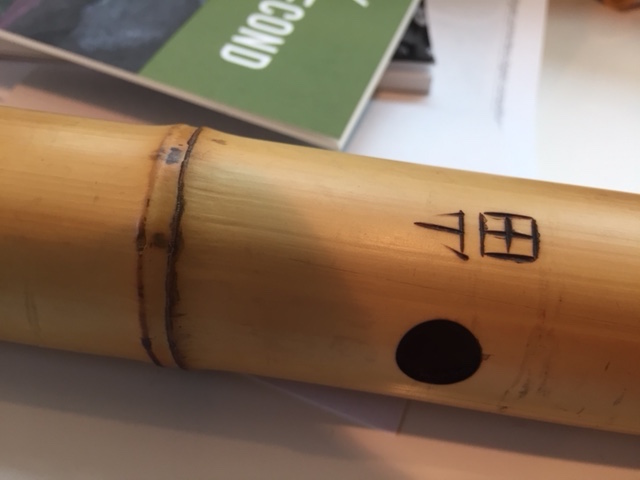
Note: Suizen is the practice of playing the shakuhachi, the traditional Japanese bamboo flute, as a means of attaining self-realization.


“Morning Suizen” first appeared on Nine Muses Poetry. Many thanks to editor Annest Gwilym for taking this piece.