Night Journey (after Tu Fu)

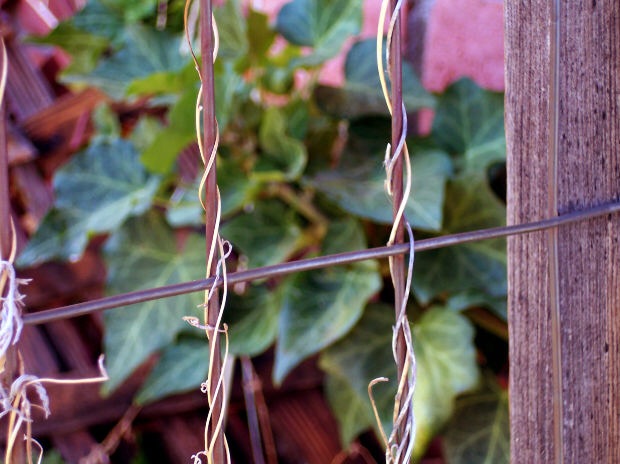
IMGP3335

First posted in March, 2014.

This is not a translation, but rather a version, my “take” on a famous Tu Fu poem. I claim no abilities in translation, neither speak nor read Chinese, and instead depend upon the skills of those who have ventured into these difficult reaches. This is where the poem carries me, a middle-aged Texas hill county dweller, in the Year of the Horse, 2014.

Night Journey (after Tu Fu)

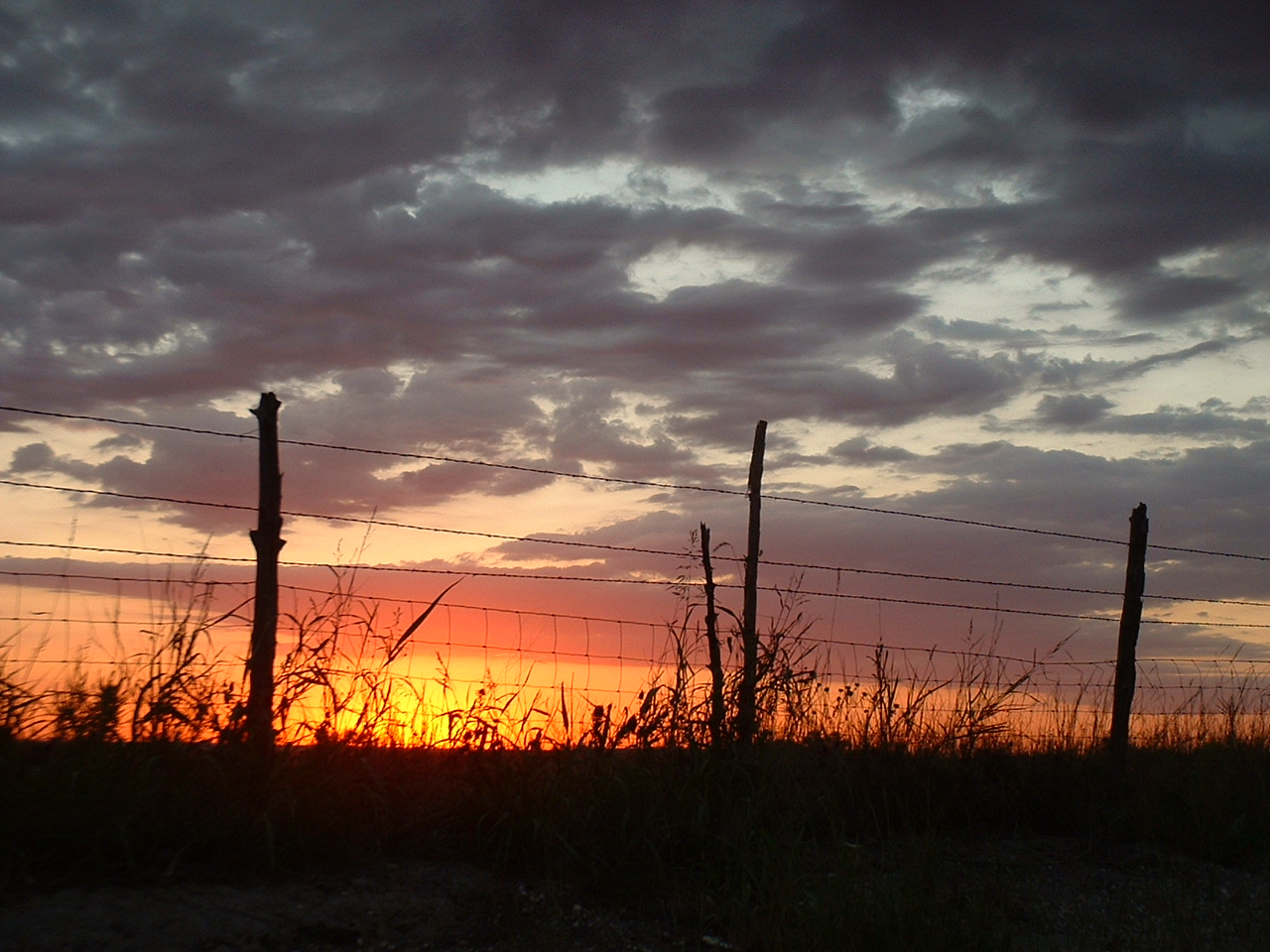
Wind bends the grass along the road.
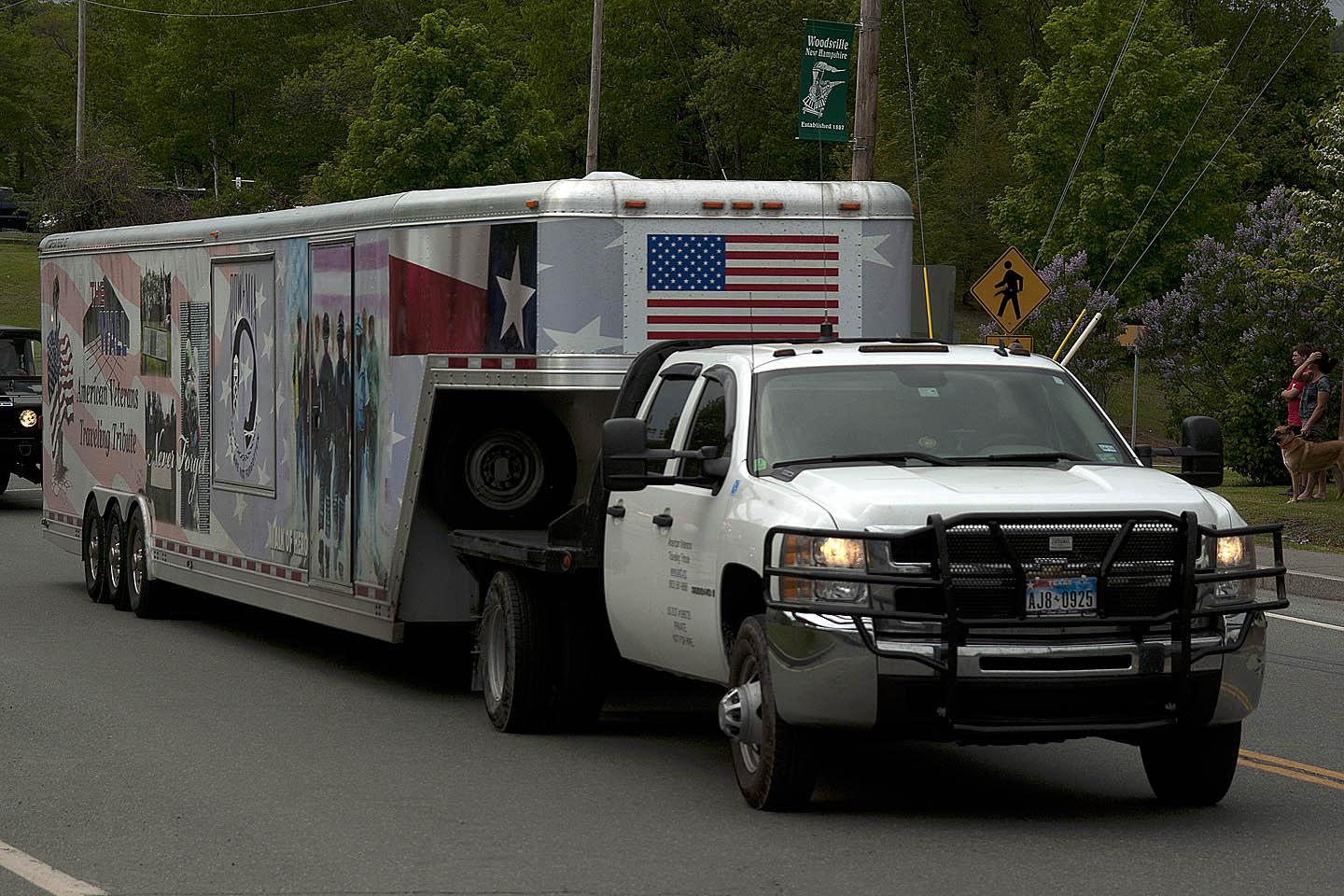
A lonely truck passes by.
Stars reach down to touch these hills
and the moon drifts behind.

No one will ever know my poems.
I am too old and ill to work.
Circling, floating, who am I
but a vulture looking down.

Here’s a literal translation of the piece (or so I believe), found on chinese-poems.com:

Nocturnal Reflections While Traveling

Gently grass soft wind shore
Tall mast alone night boat
Stars fall flat fields broad
Moon rises great river flows

Name not literary works mark
Official should old sick stop
Flutter flutter what place seem
Heaven earth one sand gull

My goal was to retain the mood, as I understand it, of the original, and to place it into my personal context. An interesting exercise.

Celan, 1970

image

Celan, 1970

From frame to door,
the obvious defers, denying

entry as if
an eye could reclaim

or separate

the fallen tear
and the river’s skin,

or return
those words to

thought, water to
stone, intent

to cold
reason,
now to before.

He stepped into release.

One of the most influential (and difficult) European poets of the 20th century, Paul Celan survived the horror of World War II but never escaped its shadow. A brief biography may be found here.

image

Even the Sotol Believes

image

Even the Sotol Believes

If we must discuss logographic systems, let us begin with fish.
And how might one mistake an entrance for a perch?

A movable rod for a desert spoon?

Today’s lesson excludes a poorly rendered door.

Hinges are merely mechanical joints, the origin of which means to hang. Concentrate there.

D is the tenth most frequently used letter in English.

Depicted on rock wall paintings, the sotol has provided food, sandals,

blankets, ropes, tools and spirits for millennia.
Slow cook the roots for three nights, crush, then ferment for seventy-two hours in

champagne yeast. Distill, then age in French oak.

We shall neither open nor close, nor mention those things that do.

Like bivalves. Bottles. Eyes. Shops. Caskets. Books. Mouths. Circuits.
Its flower stalk rises up to fifteen feet. Its leaves are long, thin and barbed.

Surrounded by orange ochre flames and black smoke, the sotol spirit appears.

Dalet will not enter our vocabulary today.

Originally published in Otoliths 41 (October 2013).

image

At Sunrise We Celebrate the Night’s Passage

sunrise

At Sunrise We Celebrate the Night’s Passage

And discuss not the darkness of crows, but the structure of phonemes
embedded in our names, the gratitude of old fences, of broken

circles and extinguished flame.

Two weeks ago he poured wine and declared himself Dog.

There are roosters, too, who cannot crow,
other speechless men, and lonely burros guarding brush piles.

What letters form silence? From what shapes do we draw this day?

Light filters through the cedars and minutes retract,

as the bull’s horns point first this way, then that, lowering themselves
through the millennia, becoming, finally, A as we know it.

With my tongue, I probe the space emptied of tooth.

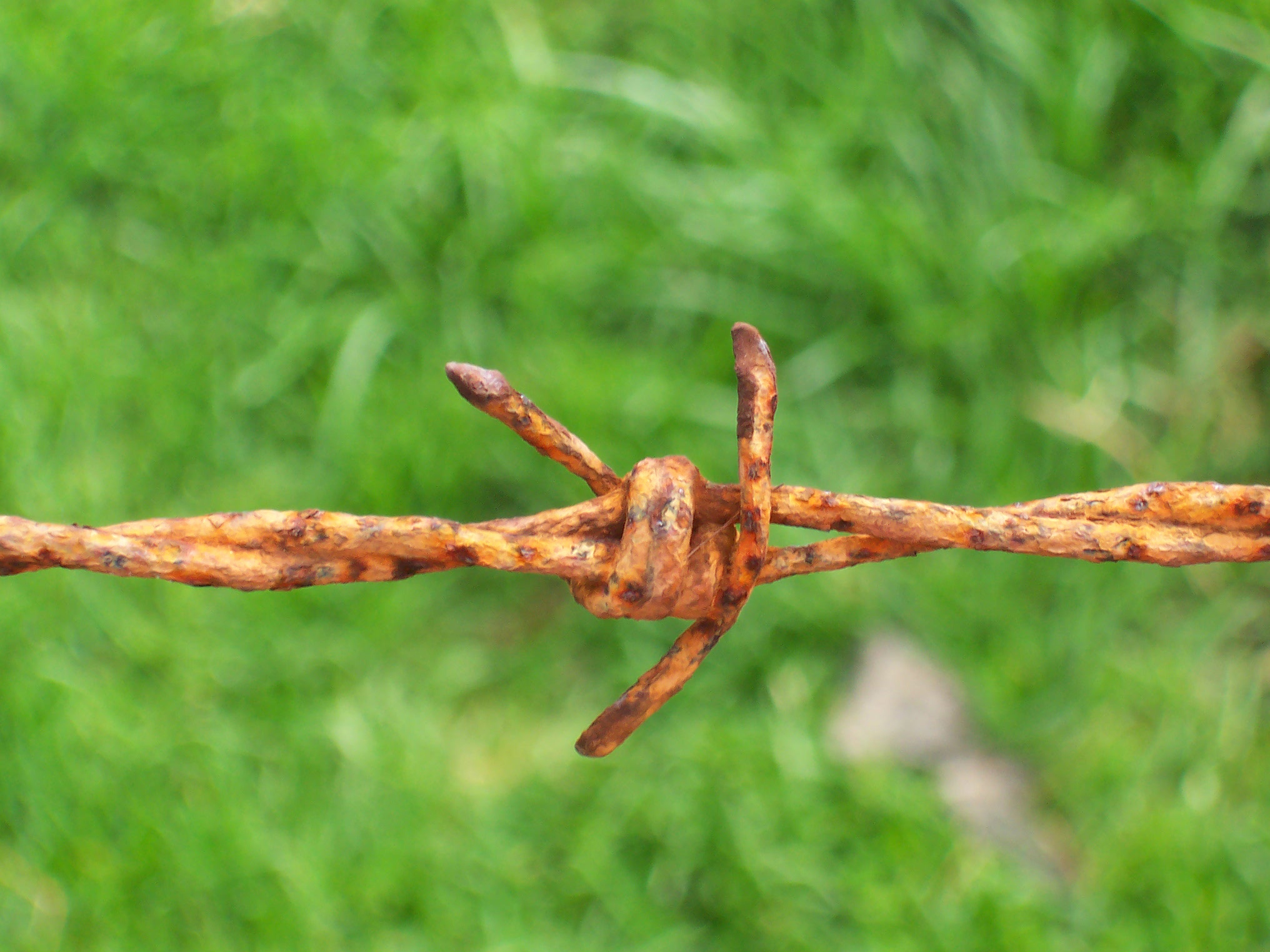
Barbed wire was designed to repel, but when cut sometimes curls

and grabs, relinquishing its hold only by force or careful negotiation.
Symbols represent these distinct units of sound.

My name is two houses surrounding an eye.

Yours consists of teeth, the bull, an arm, the ox goad.

barb

Originally published in Prime Number Magazine, one of my favorite online literary journals, in 2013:

http://www.primenumbermagazine.com/Issue41.html

Day Twelve, Tupelo Press 30/30 Project

image

My poem “A Brief History of Babel” has now been posted among the Day Twelve offerings of the Tupelo Press 30/30 Project (9 poets have agreed to write 30 poems apiece in 30 days, to raise funds for Tupelo Press, a non-profit literary publisher). Many thanks to Nadia Butler, who sponsored and inspired the poem.

A Brief History of Babel

Borders, windows.
Sound.

Trudging up the steps, I am winded after six flights…

To see the rest of the poem, click here

Tomorrow’s poem is titled “When to Say Goodbye,” thanks to the generosity of Nori Rost.

I hope that the sponsored titles and my responses to them have been entertaining, but other sponsorship opportunities abound. For information on these and their corresponding incentives, click here.

“Name That Poem” sponsorships are still available for Saturday and beyond. Conjure up a title (be creative, be weird, be gentle, be poetic, oh, heck, be mean if you wish), donate $10 to Tupelo Press, let me know what the title is, and I’ll write the poem. The  sponsored poems thus far have been a blast to write, and the titles have led me to poems I’d not otherwise have written. If you’re so inclined, please visit the 30/30 blog at: Donate to Tupelo. Scroll down to “Is this donation in honor of a 30/30 poet?” and select my name, “Robert Okaji,” from the pull down so that Tupelo knows to credit the donation to me. And please let me know as soon as possible what your title is.

Thank you for your support! Only 18 poems to go!

Day Eleven, Tupelo Press 30/30 Project

earth

My poem “Reduce Heat and Simmer Gently Without Cloud Cover, Till Sundown. Serves 2 – 7 Billion” has now been posted among the Day Eleven offerings of the Tupelo Press 30/30 Project (9 poets have agreed to write 30 poems apiece in 30 days, to raise funds for Tupelo Press, a non-profit literary publisher). Many thanks to Mek of 10,000 Hours Left, who provided the title.

Reduce Heat and Simmer Gently Without Cloud Cover, Till Sundown. Serves 2 – 7 Billion

The first worry is that without the clouds
I’ll lose liquid to evaporation,
leaving a salty mess. Nothing thins crowds…

To see the rest of the poem, click here

Tomorrow’s poem is titled “A Brief History of Babel,” thanks to the generosity of Nadia Butler. Please consider sponsoring a poem – there are available slots for Saturday and beyond. Conjure up a title (be creative, be weird, be gentle, be poetic), donate $10 to Tupelo Press, let me know what the title is, and I’ll write the poem. The  sponsored poems thus far have been a blast to write, and the titles have led me to poems I’d not otherwise have written. If you’re so inclined, please visit the 30/30 blog at: Donate to Tupelo. Scroll down to “Is this donation in honor of a 30/30 poet?” and select my name, “Robert Okaji,” from the pull down so that Tupelo knows to credit the donation to me. And please let me know as soon as possible what your title is.

For information on other sponsorships and their corresponding incentives, click here.

Thank you for your support! Only 19 poems to go!

I Have Misplaced Entire Languages

ships

I Have Misplaced Entire Languages

Neither this tongue nor that still dwells in my house.
The hole of remembrance constricts, leaving behind only debris.

As a child I mixed three languages in family discourse.

Now only one is comprehensible, and I abuse it daily.

The woman in the blue dress stands alone on the pier, weeping.
A pidgin is a simplified language developed between groups with no

common tongue. Sounds form easily, but meanings struggle.

My father is shipped to Korea without warning.

Some words insert epenthetic consonants to separate vowels. Years
later we arrive in Italy and my mother starts receding.

A fourth language emerges.

This morning I asked, “Ame?” “Yes,” she said, “but just drizzling.”

Some families share no common language and must forge without.
We have used pain, pane and pan without reference to etymology.

Having abandoned the familiar, she chose another, never accepting the loss.

These forms we can’t articulate, these memories we have not traced.

This originally appeared in April 2014 as part of Boston Review‘s National Poetry Month Celebration.

bread

Rice

image

Rice

Yesterday’s rain informs me I’m born of luck and blended
strands, of hope and words forged before a common tongue emerged.

Of my first two languages only one still breathes.

The other manifests in exile, in blurred images and hummed tunes.

Rice is my staple. I eat it without regarding its English etymology,
its transition from Sanskrit to Persian and Greek, to Latin, to French.

Flooding is not mandatory in cultivation, but requires less effort.

Rice contains arsenic, yet I crave its polished grains.

In my monolingual home we still call it gohan, literally cooked rice, or meal.
The kanji character, bei, also means America.

Representing a field, it symbolizes abundance, security, and fertility.

Three rice plants tied with a rope. Many. Life’s foundation.

To understand Japan, look to rice. To appreciate breadth, think gohan.
Humility exemplified: sake consists of rice, water and mold.

The words we shape predicate a communion of aesthetics.

Miscomprehension inhabits consequence.

* * *

This is one of five of my poems appearing in Heron Clan III, an anthology edited by Edward Lyons and Doug Stuber, and recently published by Katherine James Books, of Chapel Hill, NC. Containing 151 pages of poetry by more than 30 poets.

Available through Amazon: http://www.amazon.com/Poems-Heron-Clan-poetry-anthology/dp/0967385555/ref=sr_1_1?ie=UTF8&qid=1435606564&sr=8-1&keywords=heron+clan+iii

image

Onions

image

Onions

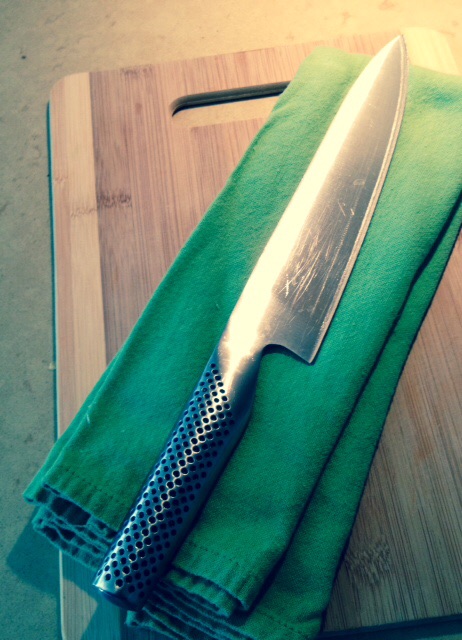
My knife never sings but hums instead when withdrawn from its block, a metallic whisper so modest only the wielder may hear it. Or perhaps the dog, who seems to enjoy the kitchen nearly as much as I. A Japanese blade, it’s a joy to hold, perfectly balanced, stainless steel-molybdenum alloy, blade and handle of one piece, bright, untarnished, and so sharp as to slide through, rather than awkwardly rupture and divide, its next task on the board.

We’ve never counted the chopped and rendered onions, the fine dice, slender rings and discarded skins, but if we could gather all the corpses we’ve produced together over the years, we’d form a monument to our work, cooperation of metal and man, a Waterloo mound in memory of the bulbs laid there, the planning involved, the missteps and serendipity, and the tears shed along the way.

The blade doesn’t care. It is. It works. It moves things, it lifts, it parts them, and in return is cleansed, and later, in the quiet room, maintains its edge with a silvery rasp, angled steel on steel in a circular motion, over and over, until finally it hums its way back into the block. But it never sings.

image

Dark Rain Ahead, Hummingbird

image
Dark Rain Ahead, Hummingbird

The black-chinned hummer buzzes my flowered shirt,
bringing to mind the letter H, its history of an inferior life among

letters, and a Phoenician origin signifying fence.

An aspirate dependent upon others, or a line strung between posts,

even whispered, H does not contain itself.
Disconsolate or annoyed, the bird moves on.

Do names depend upon the power of symbols, or do they power the symbols?

In the 6th century A.D., Priscian disparaged H, saying it existed only to accompany.

Clouds shade the way.
The black-chin extends its grooved tongue at a rate of 15 licks per second.

Alone, the H’s voice is barely audible.

Through the trees, across the crushed rock driveway and beyond the barbed wire

and chain link, I hear deadfall snapping under hooves.
At rest, its heart beats an average of 480 beats per minute.

Modern Greek denies its existence.

Say khet, say honor and where. Say hinge, sigh and horse. Say depth.

image

Originally published in Prime Number Magazine, one of my favorite online literary journals, in 2013:

http://www.primenumbermagazine.com/Issue41.html