Biography (Cento)

cage

Biography (Cento) 

I am becoming
one of the old

men, but you,
you are earth.

Where is the moment
that lingers,

the static of lost
voices and the feel

of the cleft in the bark.
Ask me anything.

Why am I
grown so cold?

Have you been here?
Thinking

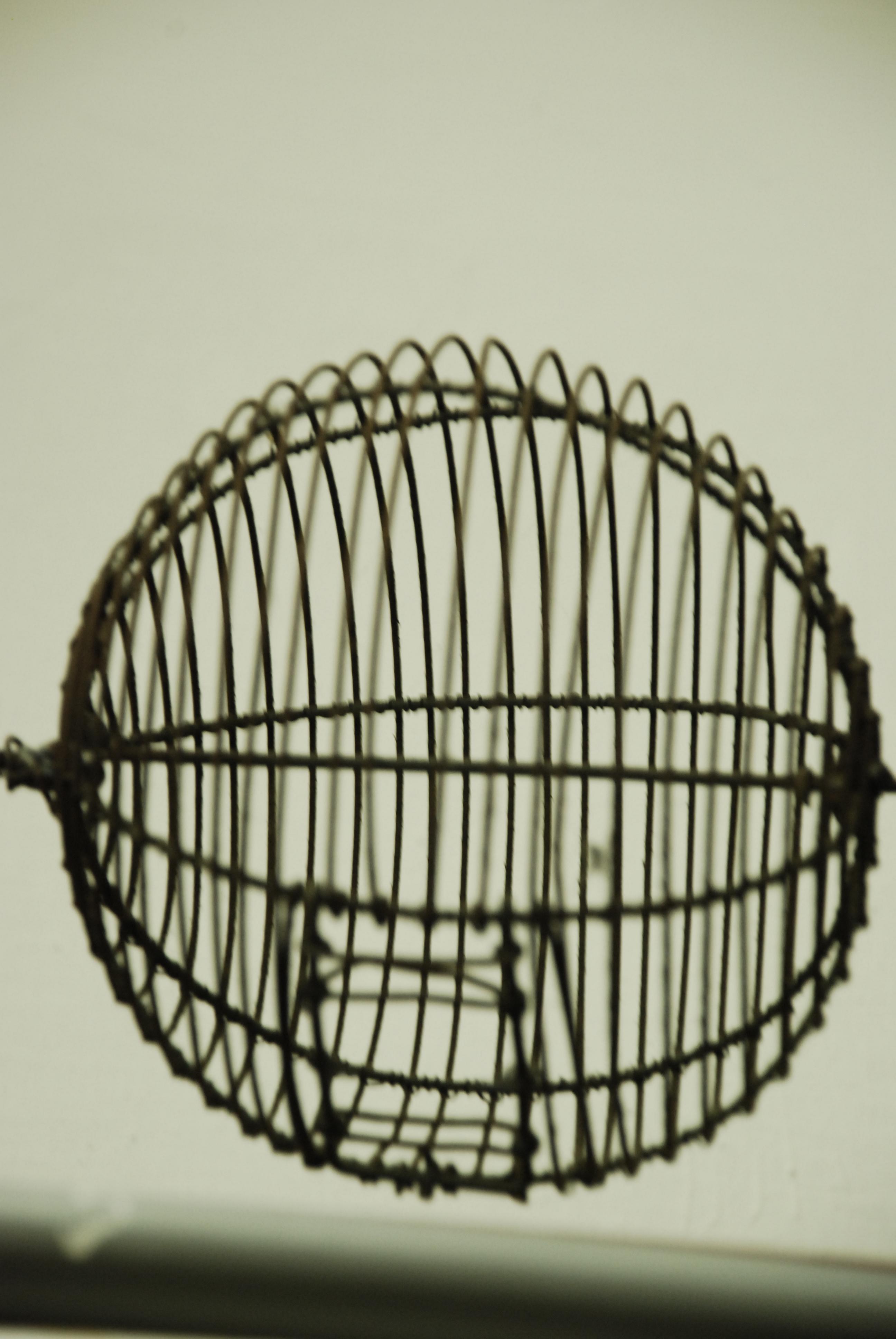
is wind in a cage;
it does not say anything.

* * *

Credits:

James Wright, Cesare Pavese, Ruth Ellen Kocher, HD, Eduardo C. Corral,
Adelaide Crapsey, Denise Levertov, Blaga Dimitrova, Jacques Roubaud,

* * *

A cento is composed of lines from poems by other poets.

For further information and examples of the form, you might peruse the Academy of American Poets site: http://www.poets.org/poetsorg/text/poetic-form-cento
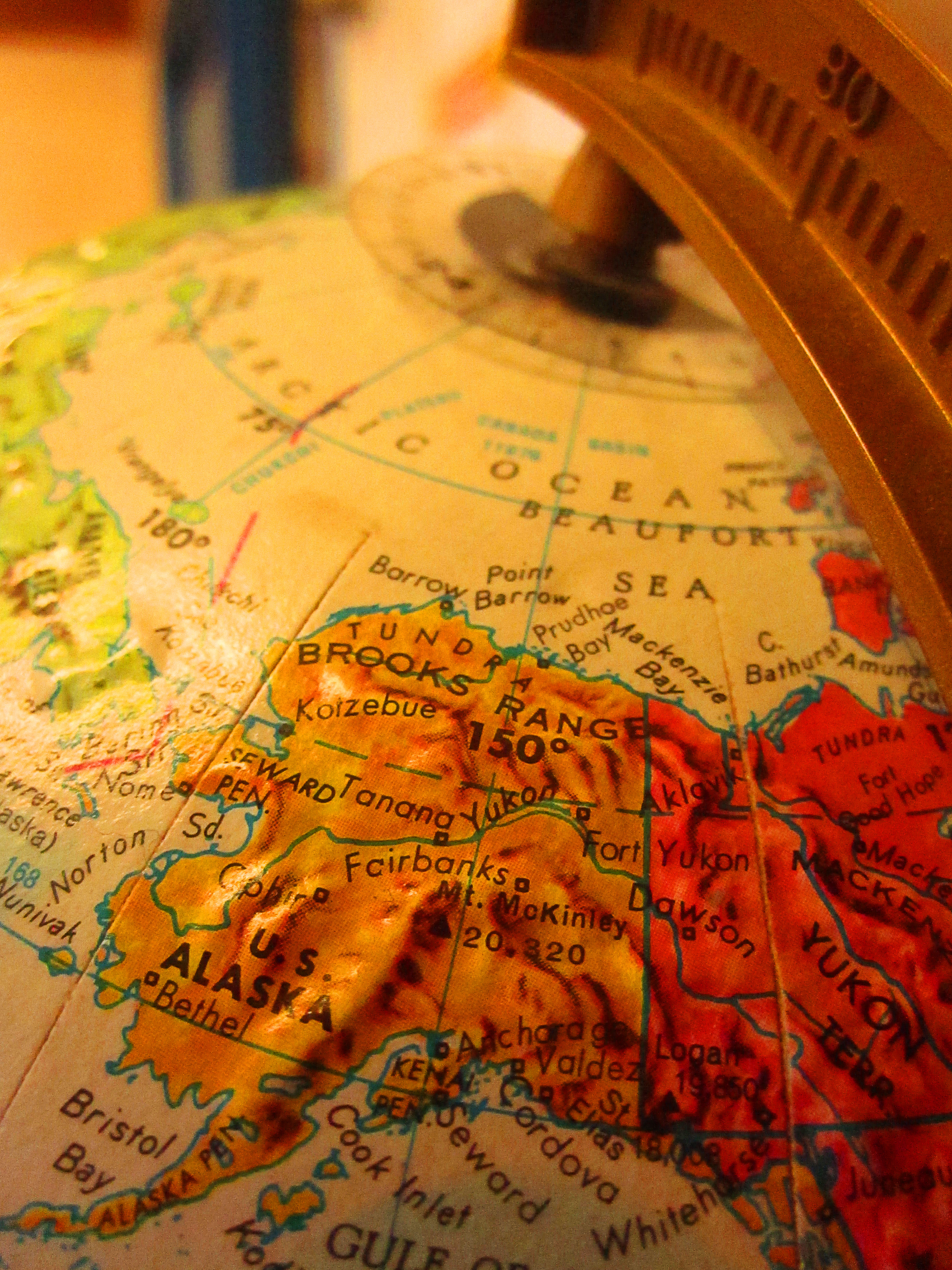
globe

Memoir (Cento)

untitled_pregamma_1.27_mantiuk06_contrast_mapping_0.1_saturation_factor_1.25_detail_factor_1

Memoir (Cento)

Your hands touched
everything. Will you

be a fountain
or a sea?

A woman sleeps next to me
on the earth. Now

nothing else keeps my eyes
in the cloud.

Each rock is news.

* * *
A cento is composed of lines from poems by other poets. This was first posted
in April, 2015, and originated from pieces in:

77 Poems, Alberto de Lacerda
Because the Sea is Black, Blaga Dimitrova
Body Rags, Galway Kinnell
Song of the Simple Truth, Julia de Burgos
Love Poems, Anne Sexton

For further information and examples of the form, you might peruse the Academy of American Poets site: http://www.poets.org/poetsorg/text/poetic-form-cento
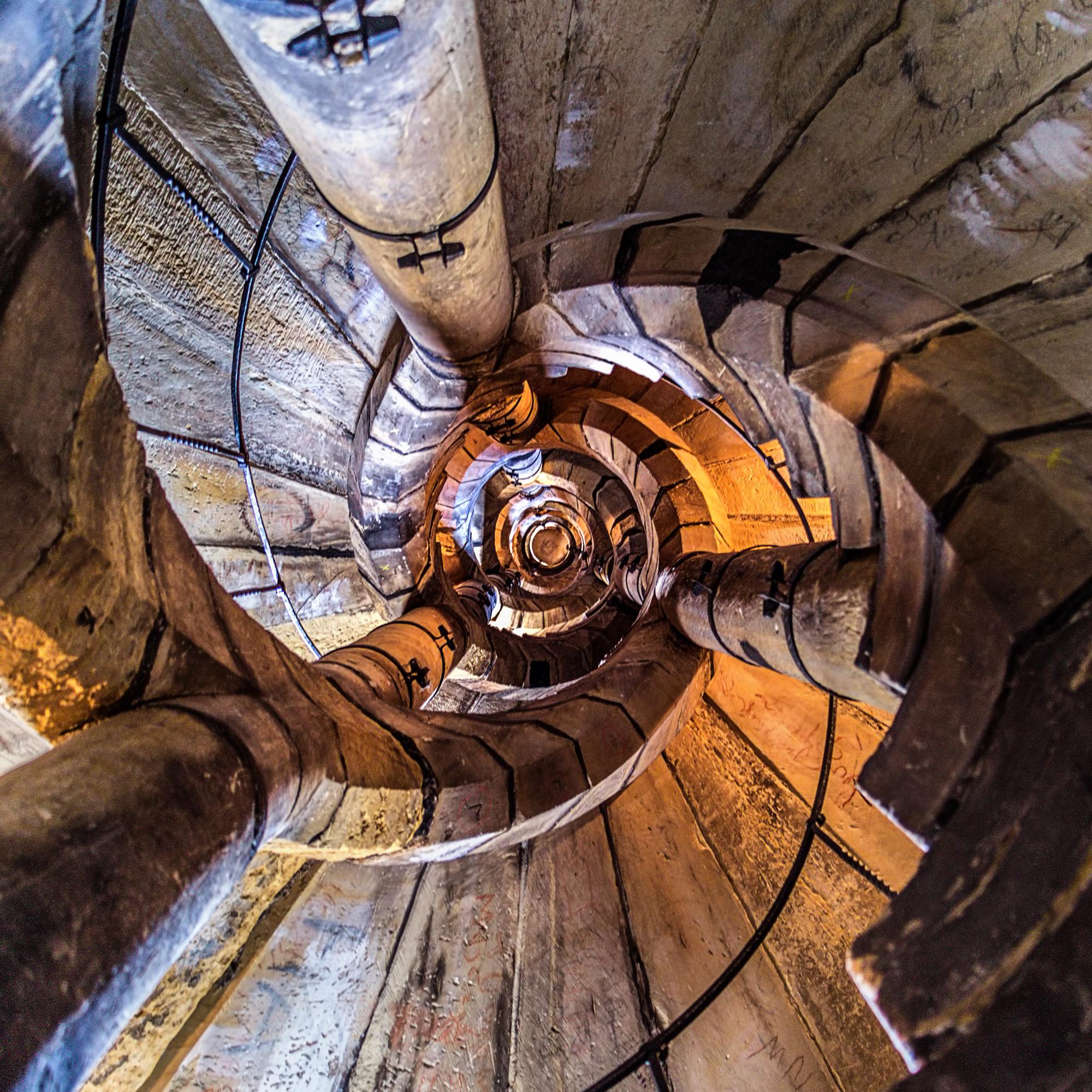
Schody ve věži v Olomouci

The Echo is Neither Sound nor Hope

file0001065505061

The Echo is Neither Sound nor Hope

empty trees

a darkened
window

the void
between chairs

unchanged

as if you’d never spoken

* * *

This first appeared in April 2015.

file00056608913

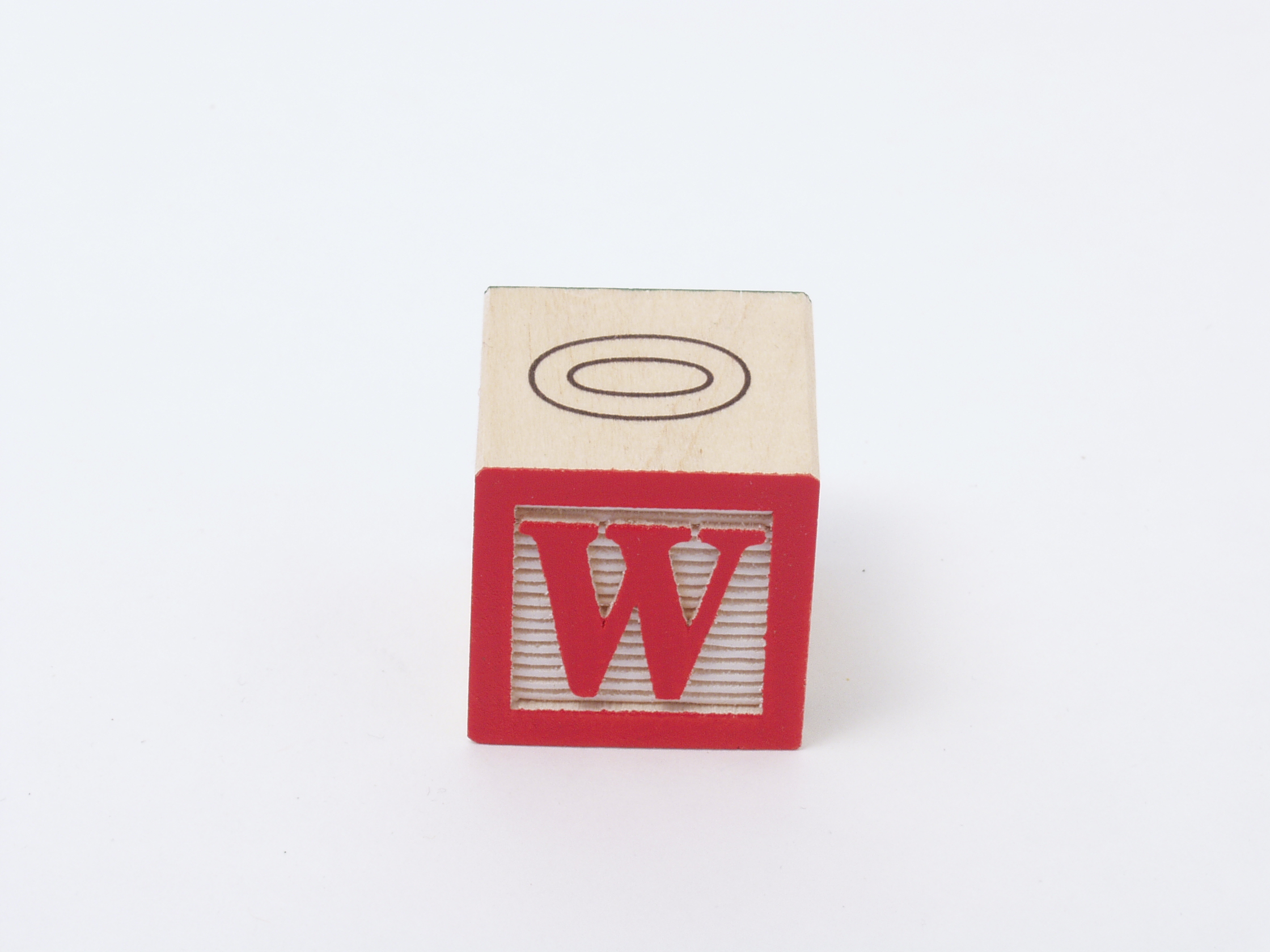
Self-Portrait with W

file7131243281016

Self Portrait with W

One might claim a double victory, or after the Roman Empire’s fall, a reclamation
from the slurred “b” and its subsequent reduction.

Survival of the rarely heard, of the occipital’s impulse.

The oak’s crook performs a similar function.

Shielding myself from adjuration, I contemplate the second family
root, weighted in weapons, in Woden, in wood.

Not rejection, but acceptance in avoidance.

The Japanese homophone, daburu, bears a negative connotation.

Original language was thought to be based on a natural
relation between objects and things.

Baudelaire’s alphabet existed without “W,” as does the Italian.

The recovery of lost perfection is no longer our aim.

When following another, I often remain silent.
As in two, as in answer, as in reluctance, reticence.

We share halves – one light, one shadowed, but both of water.

Overlapped or barely touching, still we complete.

* * *

“Self-Portrait with W” originally appeared in the Silver Birch Press Self-Portrait series, and was reprinted in my chapbook, The Circumference of Other, included in Ides, a one-volume collection of fifteen chapbooks published by Silver Birch Press and available on Amazon.com.

OLYMPUS DIGITAL CAMERA

One

number-one


One

I am Brahma
the straight line, the upright being,

fire that flares,
seed without end, manifold

self beyond all
polarity, radiating sun:
the all.

Philosophers considered one a non-number,
generatrix of all that follows.

Other.

The singularity. The lone.

From the Indo-European oi-qos we achieve solitude,
while the collective meaning of one derives from the Sanskrit sam.

United in itself, it changes nothing,
becoming everything.

On its side it represents the horizon.

Alone is all-one.
The Latin non is one negated, as is the German nein.

Symbol of intellect, the Hindu moon glows wide.
Atomic number of hydrogen, magician’s numeral,

monad and eccentric, I bear the empty product.

one on side

Nocturne with a Line from Porchia

bureau

Nocturne with a Line from Porchia

Everything is nothing, but afterwards.
I rise and the moon disturbs the darkness,
revealing symbols, a few stolen words
on the bureau. Tomorrow I’ll express
my gratitude by disappearing be-
fore I’m found, which is to say goodbye
before hello, a paradigm for the
prepossessed. Compton tells us to imply
what’s missing, like Van Gogh or Bill Monroe,
but why listen to the dead before they’ve
stopped speaking? Unfortunately we throw
out the bad with the good, only to save
the worst. I return to bed, and the floor
spins. Nothing is everything, but before.

This first appeared in The Blue Hour Magazine in December 2014, and is also included in my chapbook, If Your Matter Could Reform. The line “Everything is nothing, but afterwards” comes from Antonio Porchia’s Voices, translated by W.S. Merwin. Porchia wrote one book in his lifetime, but what a book it was! Often described as a collection of aphorisms, Voices is so much more – each time I open the book, I find new meaning in old lines.

Vincent

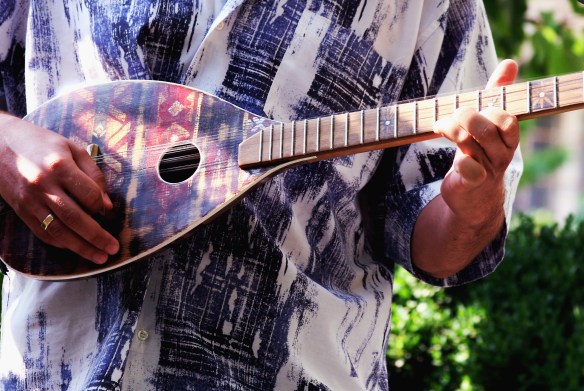
Self-Portrait with Mandolin

almond

Self-Portrait with Mandolin

Being
the afterthought

of wood and
steel, I accept

the phrases
allowed me.

Limitations
frame our days;

working within,
we grow.

Almond to tree,
sound in time.

Chords
by implication.

I root among
the falling

leaves,
gathering

their tunes.
When I cannot

see, my hands
find the way.

mando

Katharsis

OLYMPUS DIGITAL CAMERA

Katharsis” was among my offerings for the Tupelo Press 30/30 Project last August. Many thanks to Plain Jane who sponsored and provided the title.

KATHARSIS

The questions, as always: which rocks to ignore, who will
place them, and how to defy the laws of mathematics.

Note: you will create two separate walls to build one.
You will measure length and depth. You will weigh consequence.

Dig a shallow trench, and set your first two foundation stones
at a slight angle, high points on the outside, low ends meeting

in the middle. Count your failures and multiply them by 100.
Let gravity share the burden, then discard every one. Take

care in selecting your stones. Scorpions lurk in the dark,
underneath. Wear heavy gloves. Use leverage. Seek balance.

Avoid the smooth and rounded, as they too readily relinquish
their footing. Select hard-angled, rough pieces. Accept

faults, and work with them. Stack carefully — the two walls
should lean inward, touching, each bearing the other’s

weight. Work alone, but think to the future, with strength in
mind. Be deliberate. One stone, followed by another. Repeat.

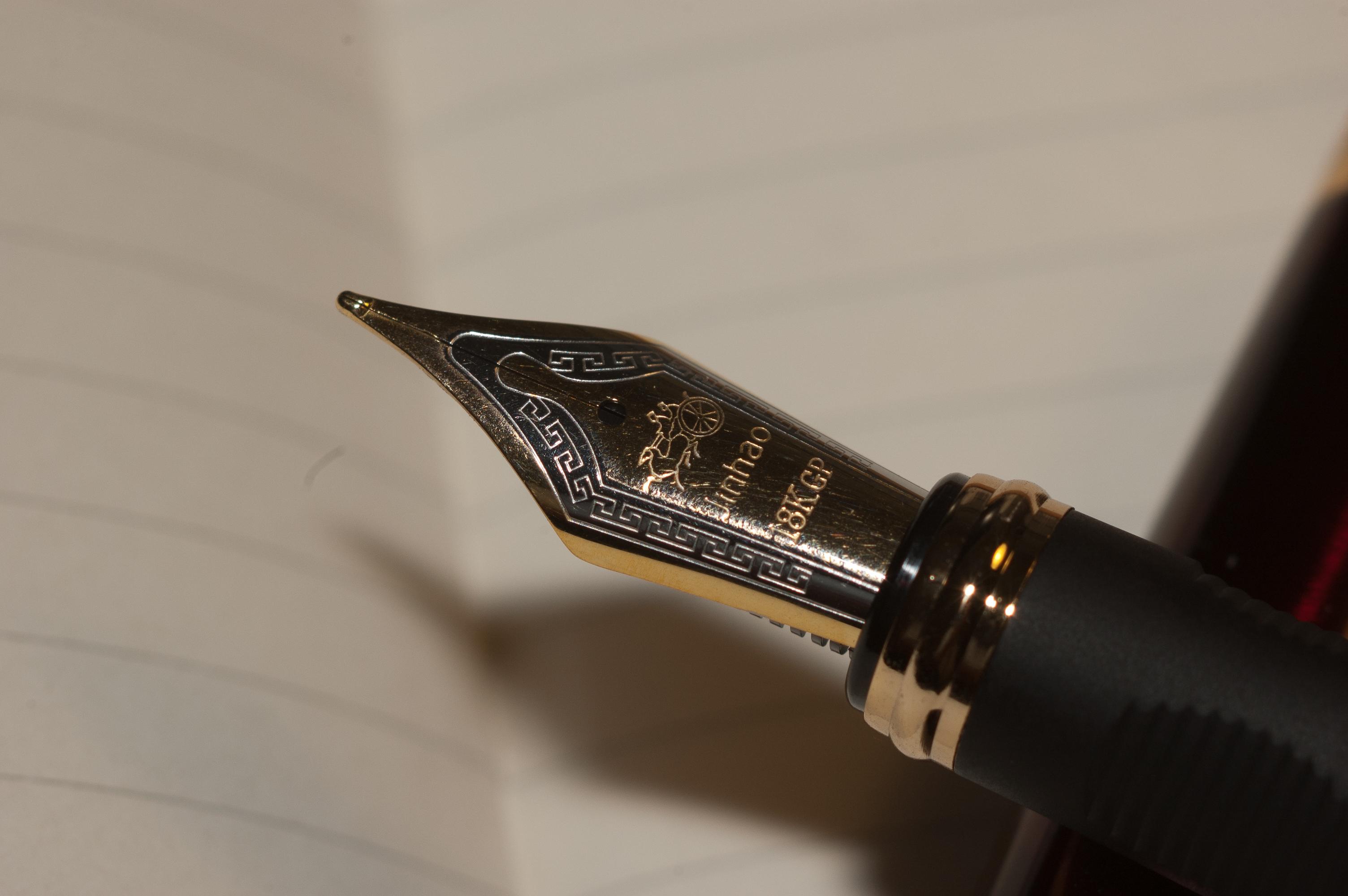
pen

Snow with Moose

OLYMPUS DIGITAL CAMERA

Snow with Moose

Guide to the incremental, to the sifted mass. The Phoenician mem shifted
shapes, but always suggested water.

Moose likely derives from the Algonquian descriptor “he strips away.”

The Japanese character for water, mizu, evokes currents.

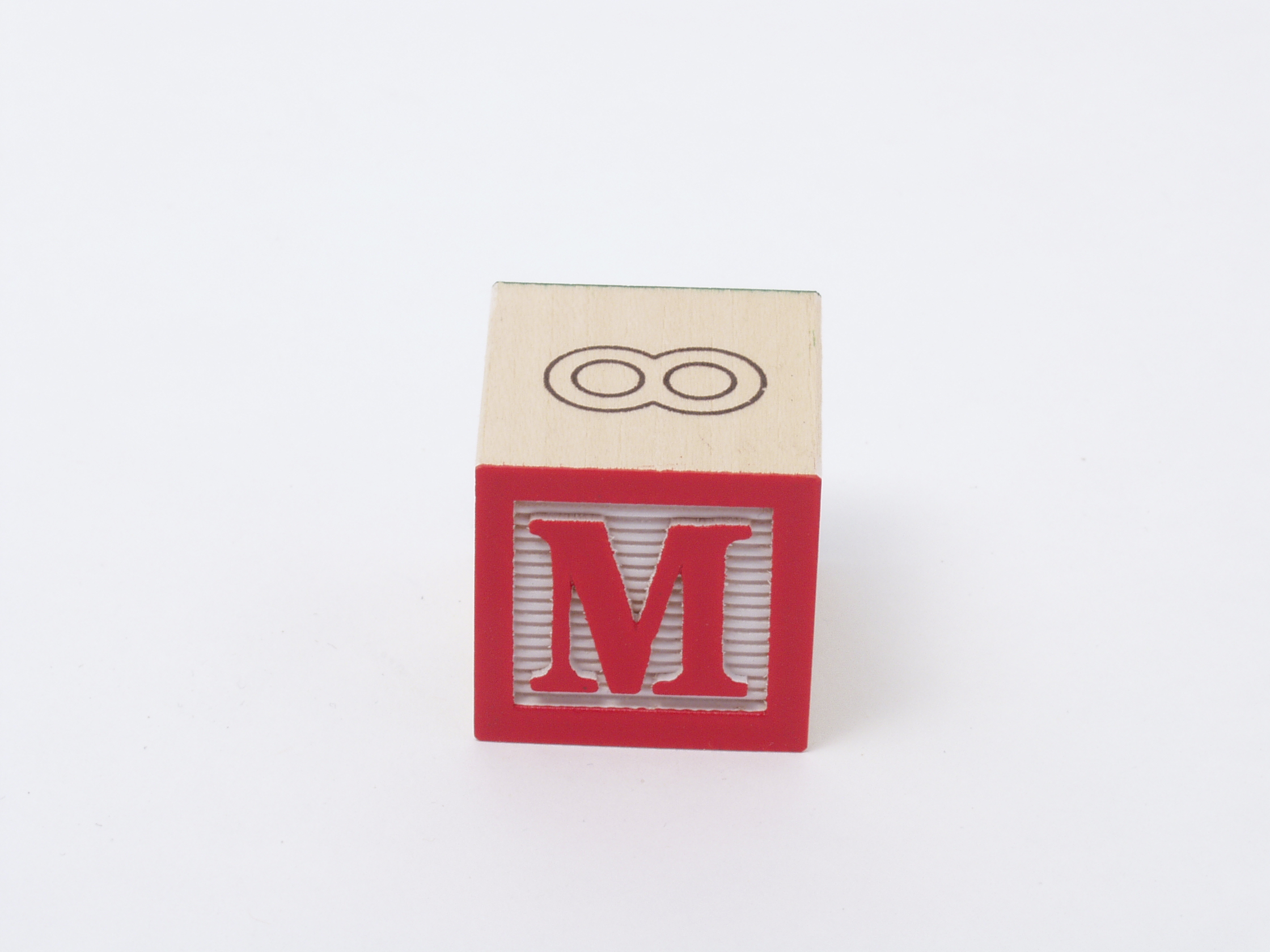
Moose are solitary creatures and do not form herds. A bilabial consonant,
M is a primary sound throughout the world.

The prehensile upper lip undresses branches and grabs shoots.

Wavering, I share the lack of definition, of clarity in design and choice.

The sound is prevalent in the words for mother in many unrelated tongues,
from Hindi to Mandarin, Hawaiian to Quechua, and of course English.

Eleven strokes compose the Japanese character for snow.

A smile would reveal no upper front teeth.

Long legs enable adults to manage snow up to three feet deep. Under water,
individual flakes striking the surface sound similar, despite size disparities.

It can also accurately be classified as a mineral.

Solitude to connection, dark on white. The lone traveler.

moose

Door Harp

candle

Door Harp

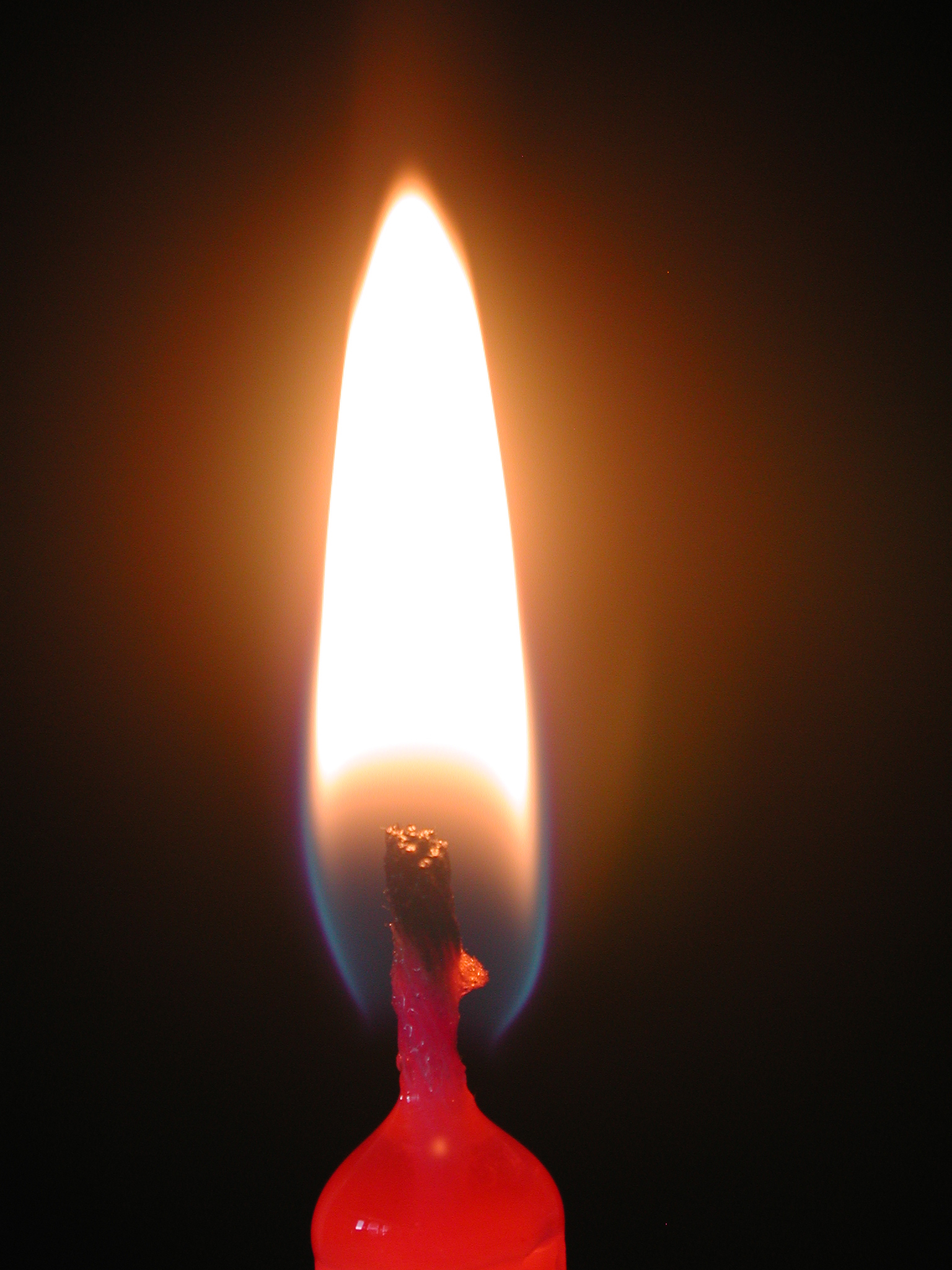
tear-shaped or is
it the inviolable
form of the

candle’s flame ever
changing but constant
in its own

presence that being
momentary or fixed
as a loved

one’s death I
listen and hear
only three notes

each one solitary
and aloof yet
of one purpose

image

Yet another from the eighties.