
Matt Larrimore, editor of Four Ties Lit Review, interviews me:
http://fourtieslitreview.com/home/interviews/interview-with-robert-okaji/


Matt Larrimore, editor of Four Ties Lit Review, interviews me:
http://fourtieslitreview.com/home/interviews/interview-with-robert-okaji/

Ah, simplicity! When I was a child my mother would occasionally serve rice balls in which a single tart umeboshi rested at the center. These have long been a favorite, but I admit that umeboshi might be an acquired taste. Commonly called “pickled plums,” ume aren’t really plums but are more closely related to apricots. Whatever they are, I cherish them.
Self-Portrait with Umeboshi, poem by Robert Okaji (Self-Portrait Poetry Series)

Yet another adaptation.
Traveling (after Tu Fu)
I remember this temple,
this bridge, as I cross again
the patient river and mountain
selfless flowers and willows
brilliant even in the light mist
the late sun drifting in the sand
where every traveler’s sorrow fades
I’ll stay here again
The transliteration on Chinese-poems.com reads:
Traveling Again – Tu Fu
Temple remember once travel place
Bridge remember again cross time
River mountain like waiting
Flower willow become selfless
Country vivid mist shine thin
Sand soft sun colour late
Traveller sorrow all become decrease
Stay here again what this

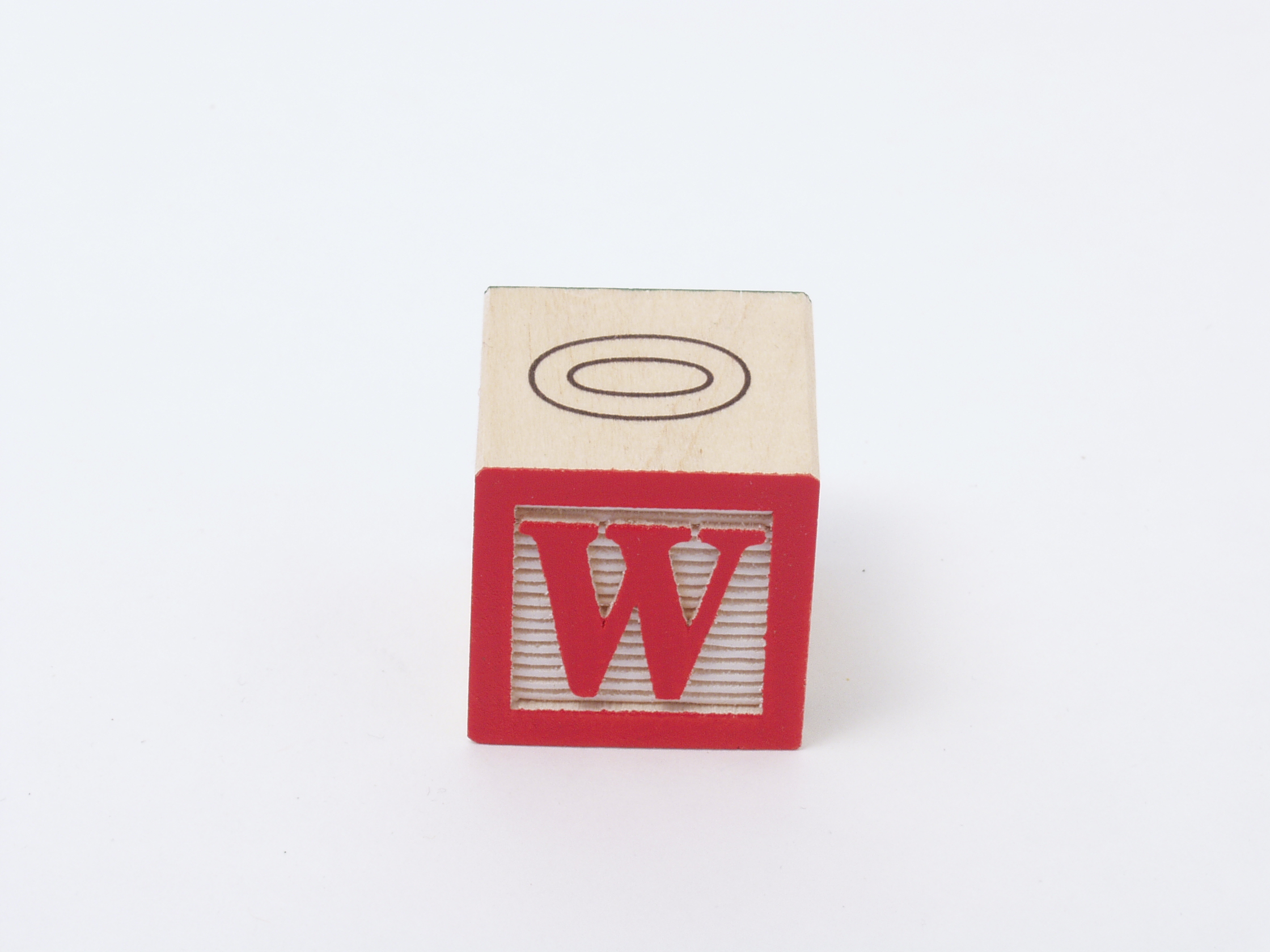
My poem “Self-Portrait with W” is featured today in the Silver Birch Press Self-Poetry Series:
Self-Portrait with W, poem by Robert Okaji (Self-Portrait Poetry Series)

Spring Night (after Wang Wei)
Among falling devilwood blossoms, I lie
on an empty hill this calm spring night.
The moon lunges above the hill, scaring the birds,
but they’re never quiet in this spring canyon.
Another try at an old favorite…
I consider this adaptation rather than translation, but perhaps appropriation or even remaking might be more accurate.
Here’s the transliteration from chinese-poems.com:
Person idle osmanthus flower fall
Night quiet spring hill empty
Moon out startle hill birds
Constant call spring ravine in
So many choices, none of them exactly right, none of them entirely wrong. How does one imply idleness, what words to use for “flower” (blossom? petal?), or for that matter, “fall” (descend, flutter, spiral)? And how to describe a moonrise that scares the constantly calling birds? My first attempt began:
“I lie among the falling petals”
but it seemed vague. The word “osmanthus” fattened my tongue, or so it felt, but the osmanthus americanus, otherwise known as devilwood or wild olive, grows in parts of Texas. So I brought the poem closer to home.
I considered naming the birds (quail came to mind) but decided against. In this case the specificity felt somehow intrusive.
My hope is that I’ve managed to amplify, in some small way, previous iterations, and that while the edges are still a bit blurred in morning’s first light, perhaps they’ll become slightly crisper by the evening.

Quite the interesting mag back in the day. This particular issue saw the likes of Bukowski, Ivan Arguelles, Lyn Lifshin, Norm Moser, Sheila E. Murphy, and, well, me, among others. I was thinner back then, as was my poetry.
no more than
the slow grace
of light turning
the leaf so
patient in the
air and colder
now that sense
of permanence unfurled
it is not
long to wait
as Wang Wei
said in his
letter I listen
for a sound
but hear none
The moon smiles upon my bed.
I consider frost and ice,
and raising my head, the bright sky.
Lying back, I think of home.
Once again, I’ve attempted to shiver myself into a timeless piece. I can only hope that my version does not offend.
The literal translation from Chinese-Poetry.com follows:
Bed before bright moon shine
Think be ground on frost
Raise head view bright moon
Lower head think home

This is not a translation, but rather a version, my “take” on a famous Tu Fu poem. I claim no abilities in translation, neither speak nor read Chinese, and instead depend upon the skills of those who have ventured into these difficult reaches. This is where the poem carries me, a middle-aged Texas hill county dweller, in the Year of the Horse, 2014.
Night Journey (after Tu Fu)
Wind bends the grass along the road.
A lonely truck passes by.
Stars reach down to touch these hills
and the moon drifts behind.
No one will ever know my poems.
I am too old and ill to work.
Circling, floating, who am I
but a vulture looking down.
Here’s a literal translation of the piece (or so I believe), found on chinese-poems.com:
Nocturnal Reflections While Traveling
Gently grass soft wind shore
Tall mast alone night boat
Stars fall flat fields broad
Moon rises great river flows
Name not literary works mark
Official should old sick stop
Flutter flutter what place seem
Heaven earth one sand gull
My goal was to retain the mood, as I understand it, of the original, and to place it into my personal context. An interesting exercise.

If You Were a Guitar
If you were a guitar I would play you
till my fingers grew rough from your body’s
touch, till the moisture in the clouds withdrew
and only music rained down. But what breeze
could retain your voice? At night my hands would
dream new chords of light and air, of pearl and
flesh and warm breath suspended over wood.
And as we slept our bodies would demand
completion, and the space would diminish
till nothing lay between us but the sly
notes singing through our veins, replenish-
ing each other’s thirst. When I say hope, I
mean you. When I whisper nothing, my
silence shouts your name. Each breath. Every sigh.
Numbers numbers numbers: NINE
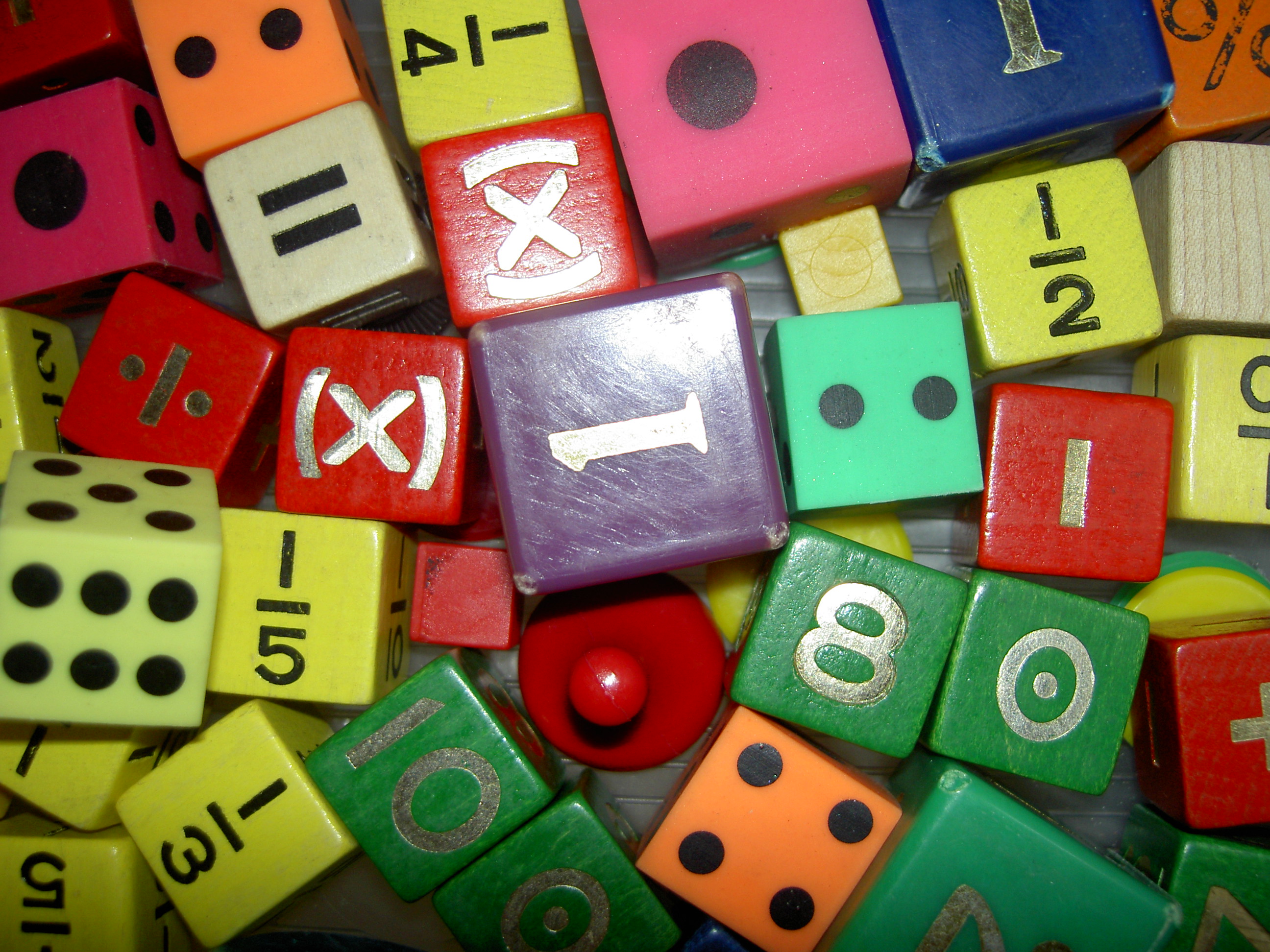
Early on in my other life I was hand-picked and hired to assist with budgets, to work with numbers. One of the higher-ups remarked that my spelling score was quite good for a “numbers person.” This amused me to no end, as I’d no inkling that a) anyone in the world considered me fluent with numbers, or b) that the mundane labor that comprised my livelihood had been noticed, much less evaluated, by someone beyond my small, three-person office (certainly no one noticed the writing I’d produced and published). More than a quarter century later, I’m still amused. And still working with numbers, which even now remain mysterious, magical, and even inspiring.
Take the number nine. Multiply it by two, and you get 18. Add the two digits that comprise 18, one and eight, and you get 9. Multiply it by three: 27. Total the two digits forming 27, and you get, yes, 9. Multiply it by four, by five, by six, by seven, eight or nine. Add the digits that comprise the sum and you return to nine. Interesting, no?
It appears everywhere. In Islamic cosmology, the universe is built of nine spheres. In Ancient Mexico, the netherworld consisted of nine layers. The magic square consists of nine parts. Beijing was designed as a center with eight streets. Hindu temple foundations contain jewels and nine distinct grains. The human body has nine openings. The number also appears in both sacrificial and healing rites. The River Styx bends nine times. I could go on (we haven’t scratched the surface), but will refrain.
But if this piece piques your curiosity, you might find this poem inspired by zero (a truly fascinating subject) of interest:
 O at the Edges