Self-Portrait with Knife

file2771300036063

Self-Portrait with Knife

Lacking benefit of prayer or belief,
it slips through flesh,

praising its temerity. Or,
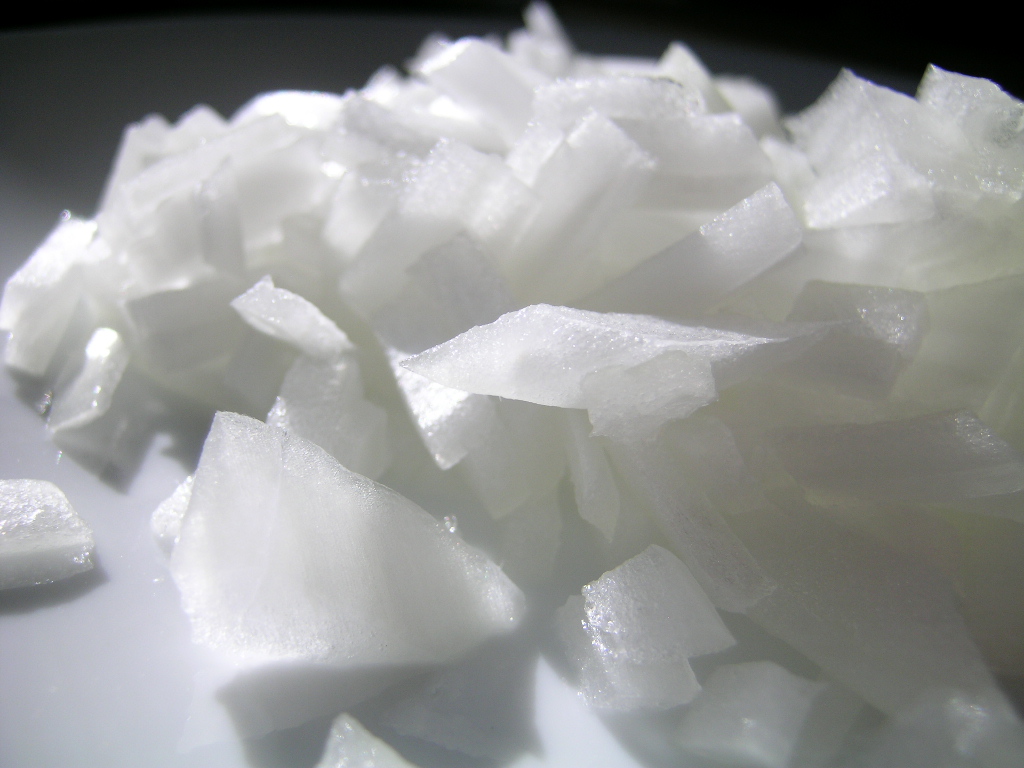
parting the onion’s core, reclaims
the right to weep.

How many nights have we shared
these pleasures? I smooth the blade

with steel, listening to the fine hum.

file000758750048

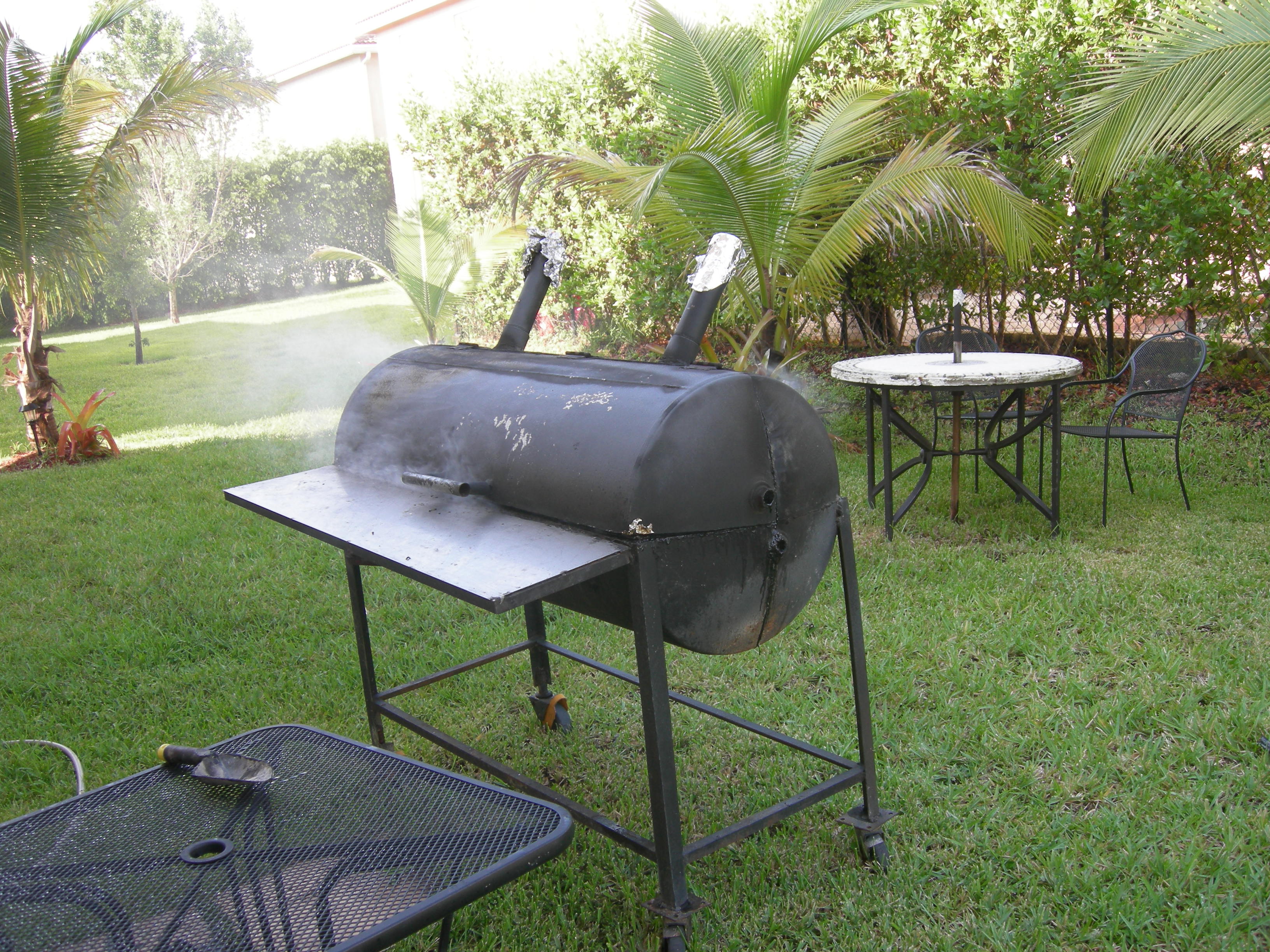
Chipotle

DSCN5979(1)

Chipotle

Sometimes it pauses and the light
translates what we’ve lost,

momentarily framing the taste
entering our bodies through

mouth and nose and eye,
the knowledge of dissolution

enhanced. One bite
and it all returns: fire, peat,

water, the retracted
flesh become another’s

endeavor, as if giving form
to the world of air.

Without remorse,
we steal its most intimate self.

file8171343794847

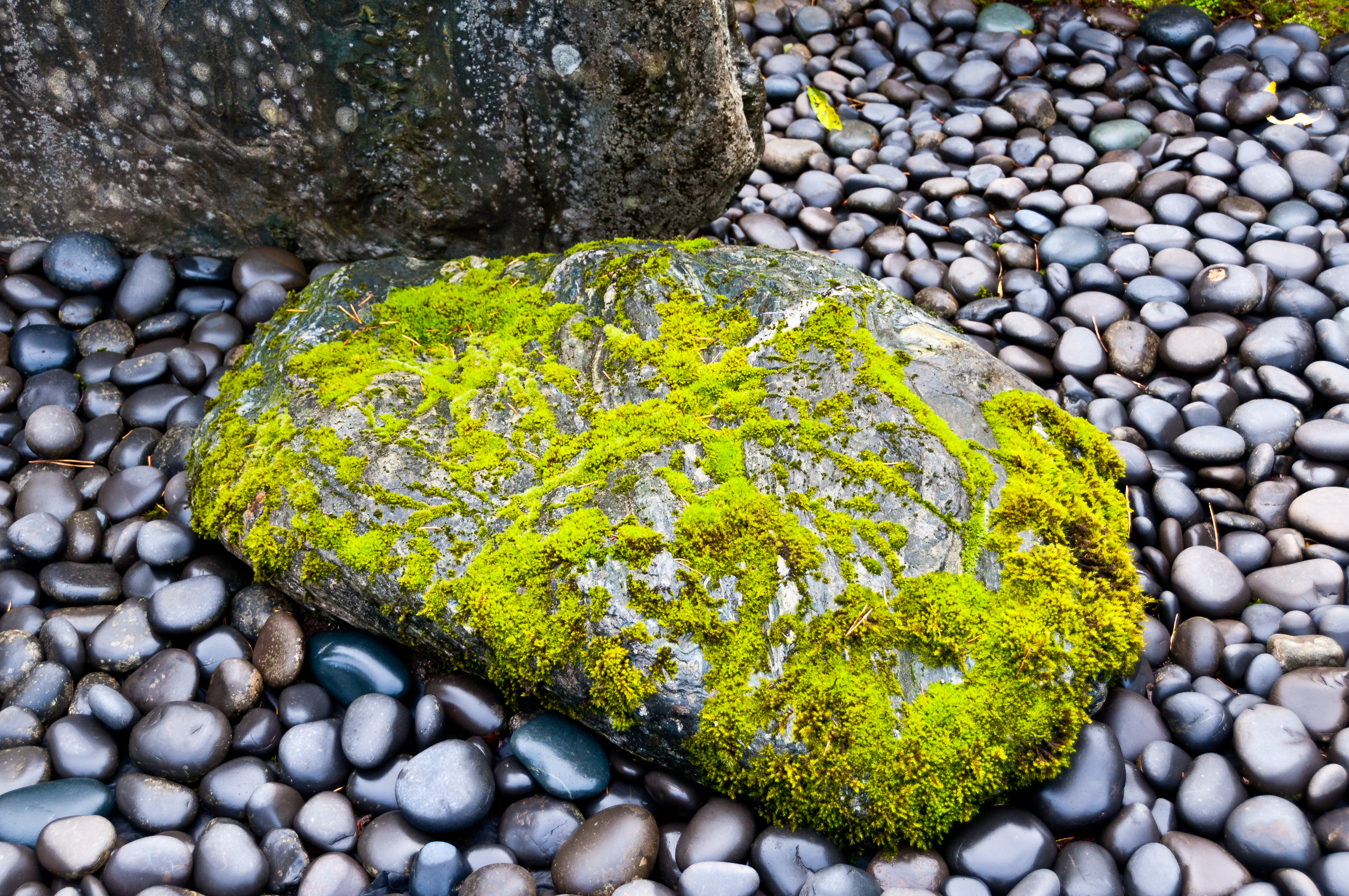
Japanese Gardens

file3011293816499

Japanese Gardens

how natural the
lines falling so
purely as if

with a single
stroke we walk
through the opening

and see space
the white center
composed of sand

and gravel later
a gate opens
to another garden

its lantern and
stone so carelessly
arranged so deliberate

file3041292222348

Three Poems in The Blue Hour Magazine

OLYMPUS DIGITAL CAMERA

I’ve three poems appearing in The Blue Hour Magazine:
http://thebluehourmagazine.com/2014/12/28/3-poems-by-robert-okaji/

The sonnet was written a dozen years after the others, but seemed to mesh with them in some strange way…

file000656391838


Bonsai

Bild

Bonsai

no feature enhanced
but beauty of
the whole and

its container the
tree is not
deprived and grows

as it must
though slowly like
a wave which

gathers itself for
years there is
no completion only

process a lapse
which presumes the
most delicate design

Asia_tree240000

Originally published in Aileron in 1988.


Inquisition

IMAG0153

Inquisition

1.
I breathe smoke
from the fire
warming our feet

Something is not right
but not wrong
yet

like the bones’ dance
on wires
in a bad dream

Fear’s sharp blade twists
burning with the slow
heat of coals

2.
I cannot read ashes
the message
of cracked stones in desert light

nor the poetry
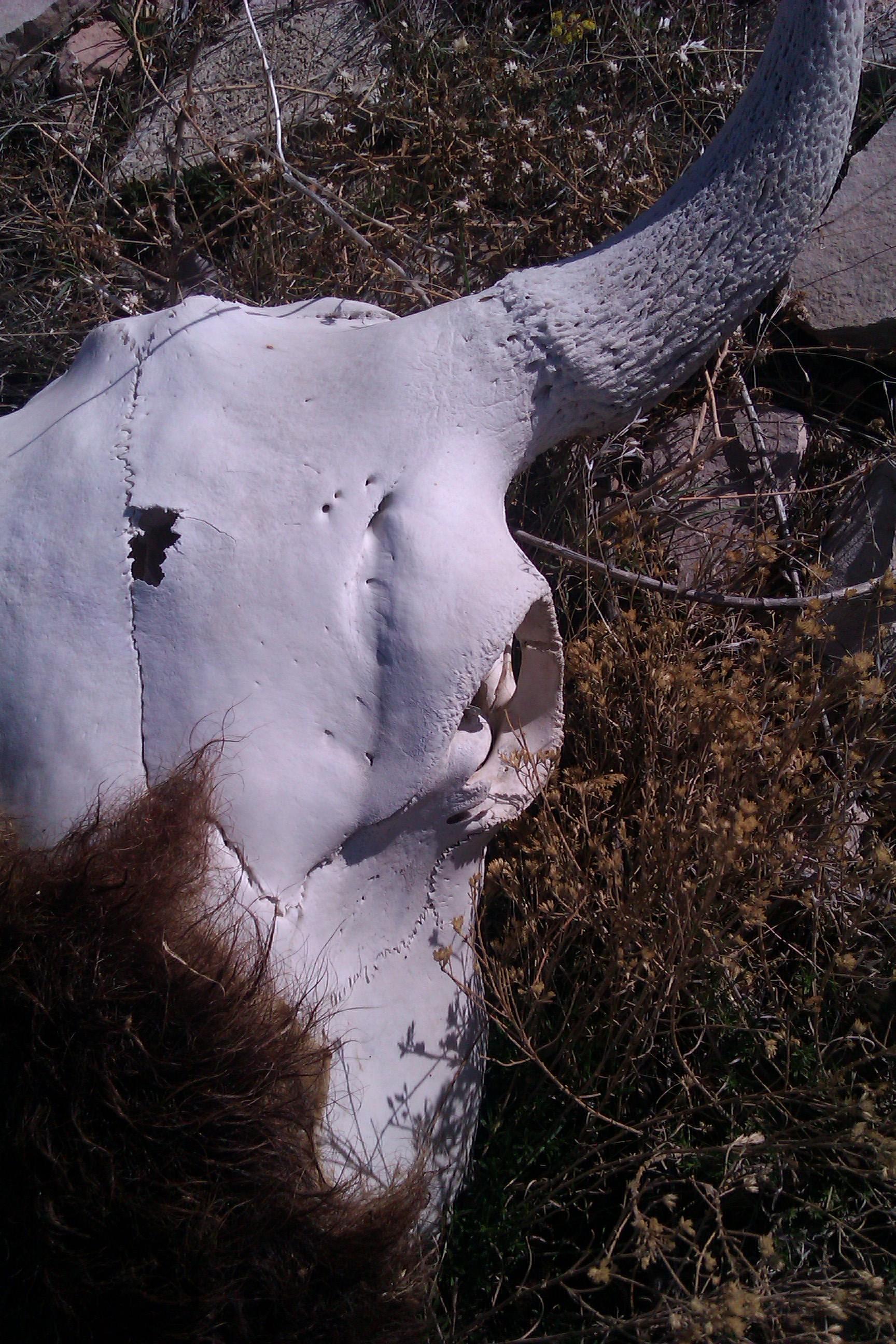
of the cow’s skull
white on dark sand

What right has a man

And the snake’s
quivering tongue tasting
what the air brings to him

file0001288673865

One of my earliest published pieces, this first appeared in Taurus, in 1984. Curiously, this is not the piece that I remembered having been published in Taurus. I wonder if that poem still exists somewhere? Such is memory…

Tree

DSC_0009

Tree

where you go
the wind follows
as if no

choice remains but
that of sun
and oak an

attraction such that
limbs curve to
light a certainty

which cautions us
to intrude lest
we lose all

sight and sense
of beauty you
are this tree

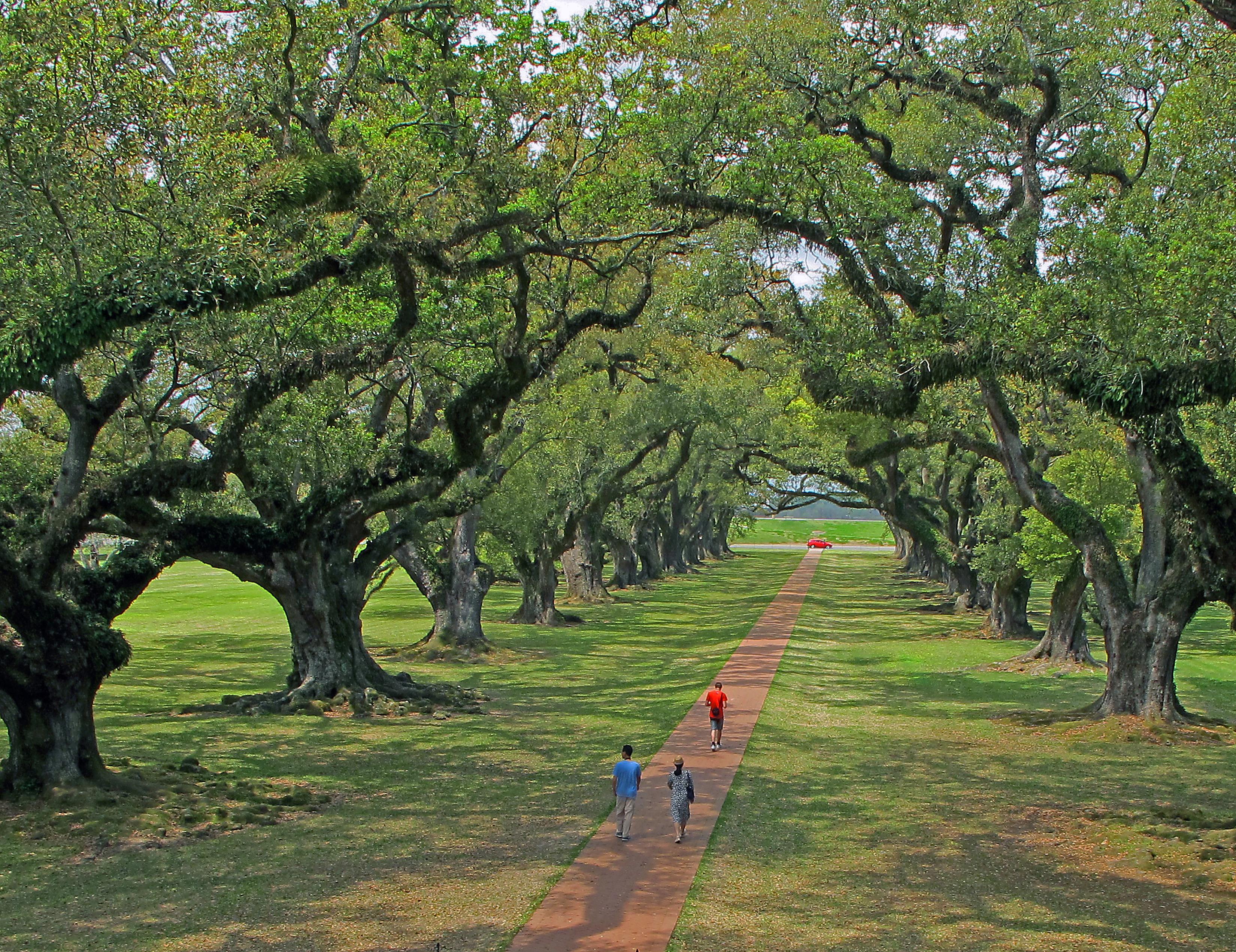
A Walk Through the Live Oaks

Landscape

DSCN8501

Landscape

Utterance
within the parameters set
by form

expressionless
save motion

the lone branch
brought to the fore
and in the distance

stock ponds collecting rain

the word is
forget, as in the imperative
as in function, as in

you must have

file000783361490

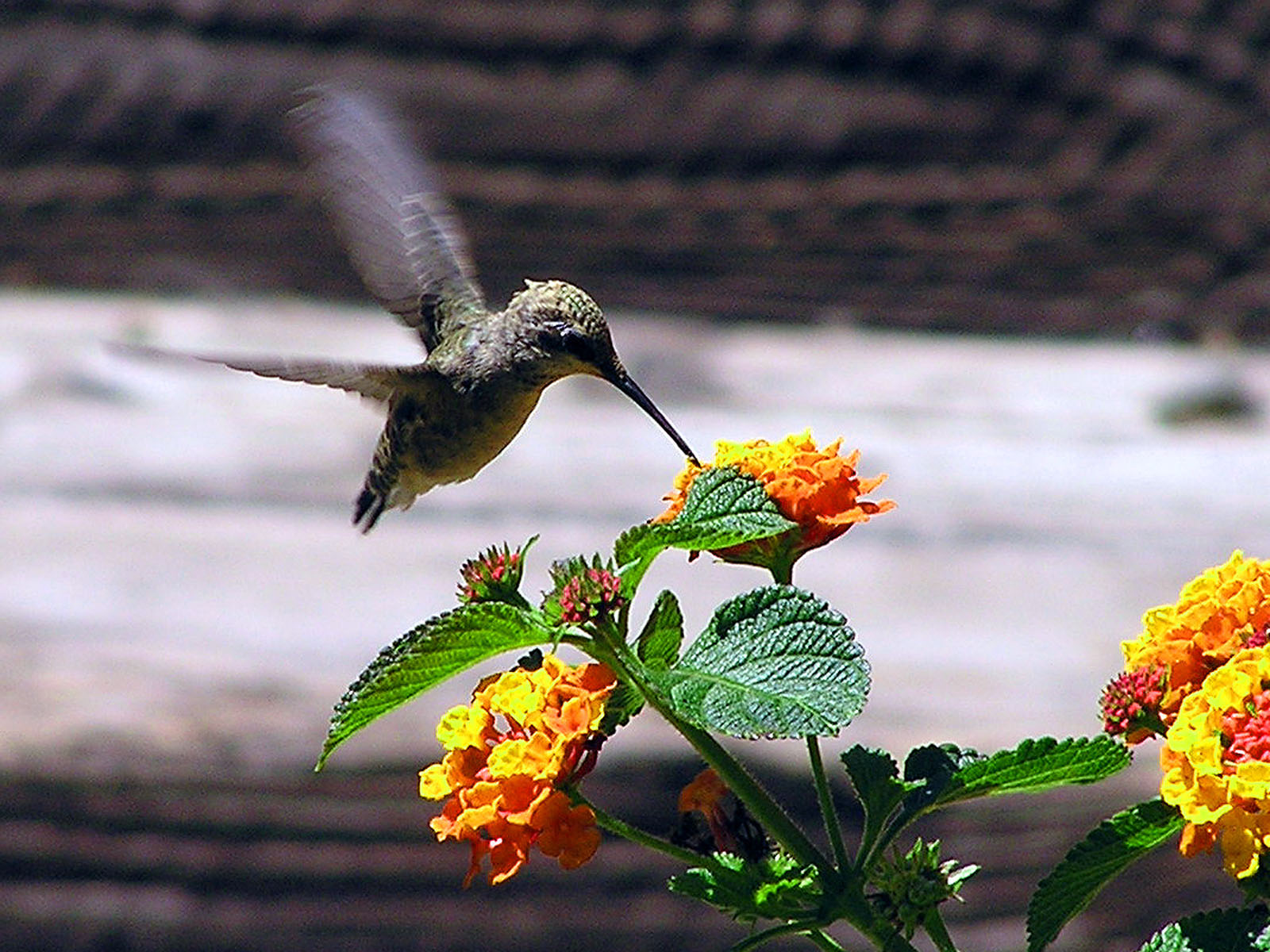
Hummingbird

file000858060241

Hummingbird

The thought makes
trembling so

incomplete, a consequence
of knowledge attained. I look out

and see leaves flitting in the dusk,
the air closing around them

like the mouth of an old well
swallowing light. Such

hunger we find difficult
to comprehend. The wind shivers

through our lives and repeats itself,
though differently each time.

Every departure is a return.

IMG_6039

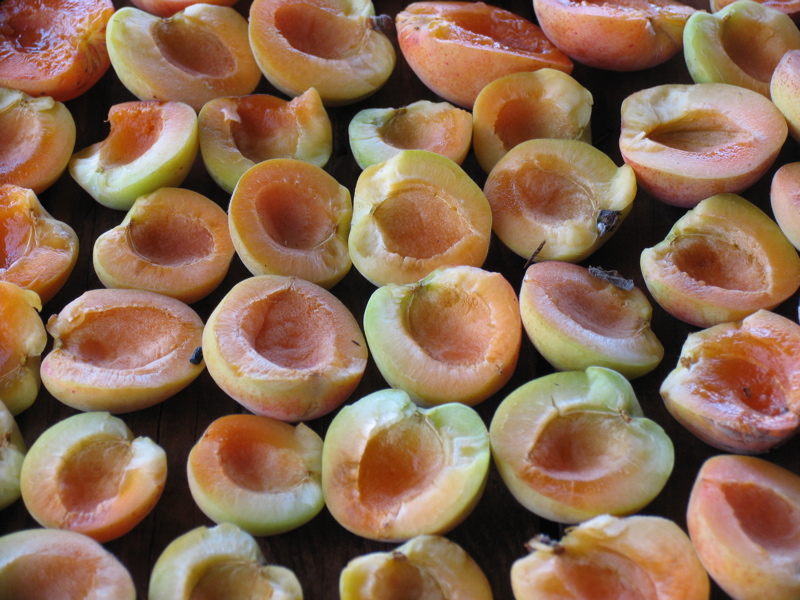
Apricot House (after Wang Wei)

file000532973761

Apricot House (after Wang Wei)

We cut the finest apricot for roof beams
and braided fragrant grasses over them.

I wonder if clouds might form there
and rain upon this world?

The transliteration on Chinese-poems.com reads:

Fine apricot cut for roofbeam
Fragrant cogongrass tie for eaves
Not know ridgepole in cloud
Go make people among rain

Each adaptation poses its challenges, and this one was certainly no exception.
First I identified key words and determined how or whether to use them.
Apricot, roofbeam, cogongrass, eaves, ridgepole, cloud, people, rain.
Apricot was a given. It offered specificity, and feels lovely in the mouth. Roof beams, as well. Cogongrass didn’t make the cut. It is indeed used for thatched roofs in southeast Asia, but it felt clumsy; in this case, the specificity it lent detracted from my reading. And rather than use “thatched” I chose “braided” to imply the layered effect of thatching, and to imply movement, to mesh with and support the idea of clouds forming and drifting under the roof. “Not know” posed a question: did it mean ignorance or simply being unaware, or perhaps a state of wonderment? I first employed “unaware” but thought it took the poem in a different direction than Wang Wei intended (but who knows?). “Ridgepole” seemed unnecessary. So I chose to let the reader follow the unsaid – using “form there” to reinforce the impression already shaped by the roof beams and the grasses “over them.” I admit to some trepidation over the second couplet. It may still need work.
 clouds