Aftermath


Aftermath 

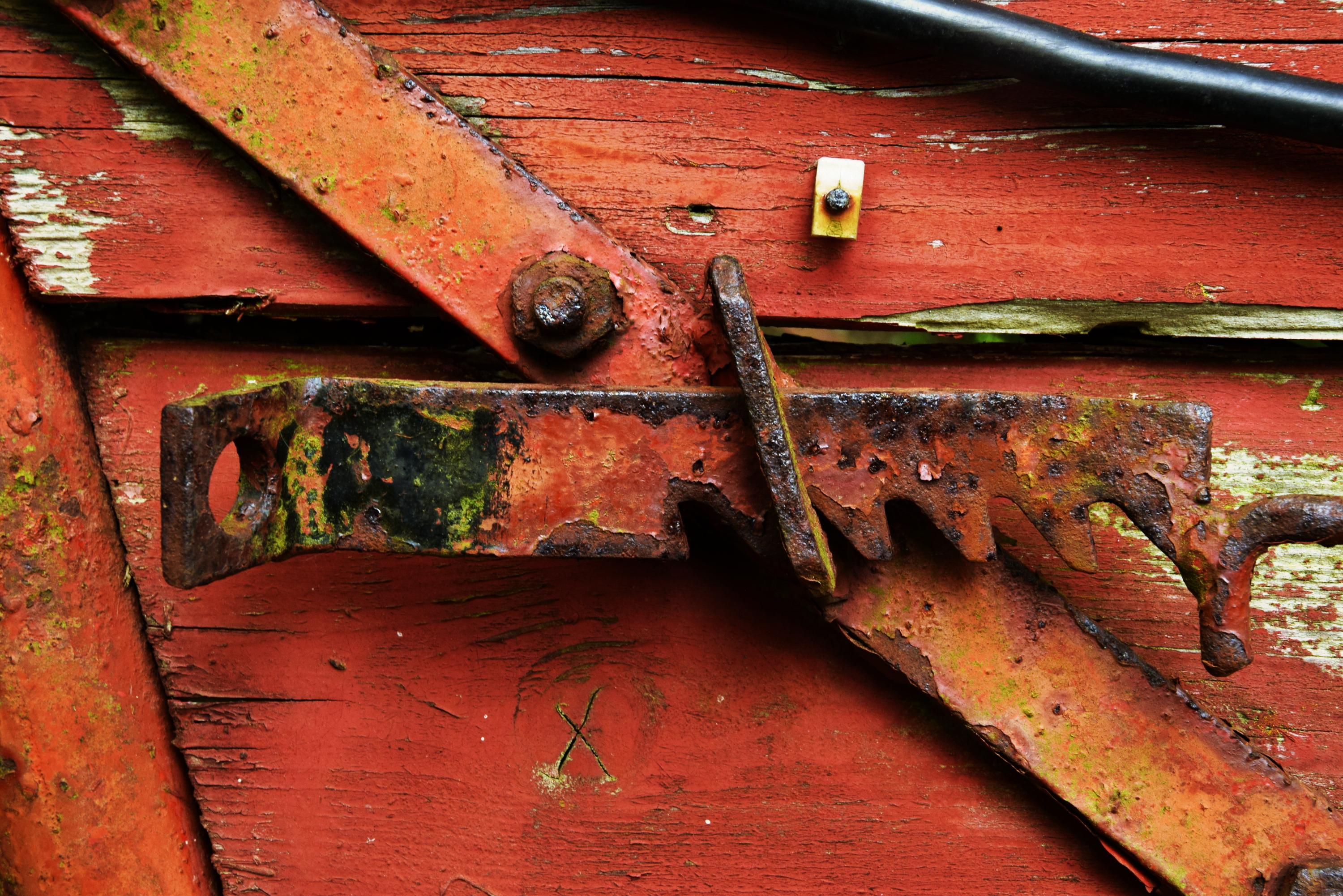
   rust. Being one phase of corruption, a matter of
resolve. When I surrender, the implication is of giving
over, moving above, allowance. Delivering despite
the steady flaking away at what colors me intact.
The quiet evening had lulled me to this inevitability:
when oxides subsume the original metal, the expansion
may result in catastrophe. Yesterday’s arc, tomorrow’s
trial. Failure’s bloom.


* * *


“Aftermath” first appeared in the print publication Sheepshead Review. Thank you to Audrey Schultz and staff for taking this poem.

Prayer


Prayer

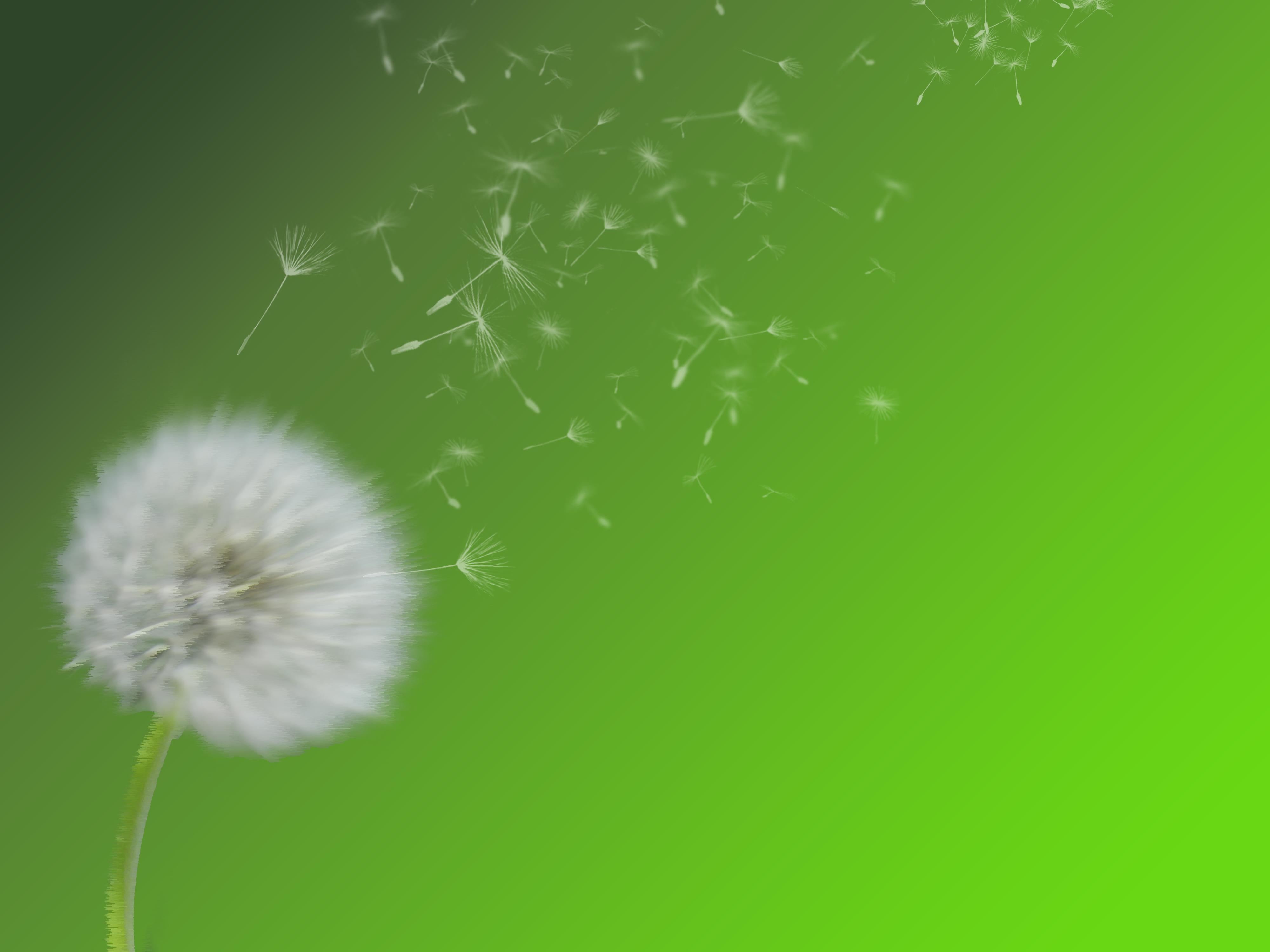
Death does not choose you at random.
It approaches at your pace, rumbling
downhill or floating in the air,
debris or dandelion fluff,
concealed yet evident.
Listen: a small cloud bumps another,
merging into one larger being —
can you hear its ecstasies?
All the world’s souls, gathered.

If You Drop Leaves


If You Drop Leaves

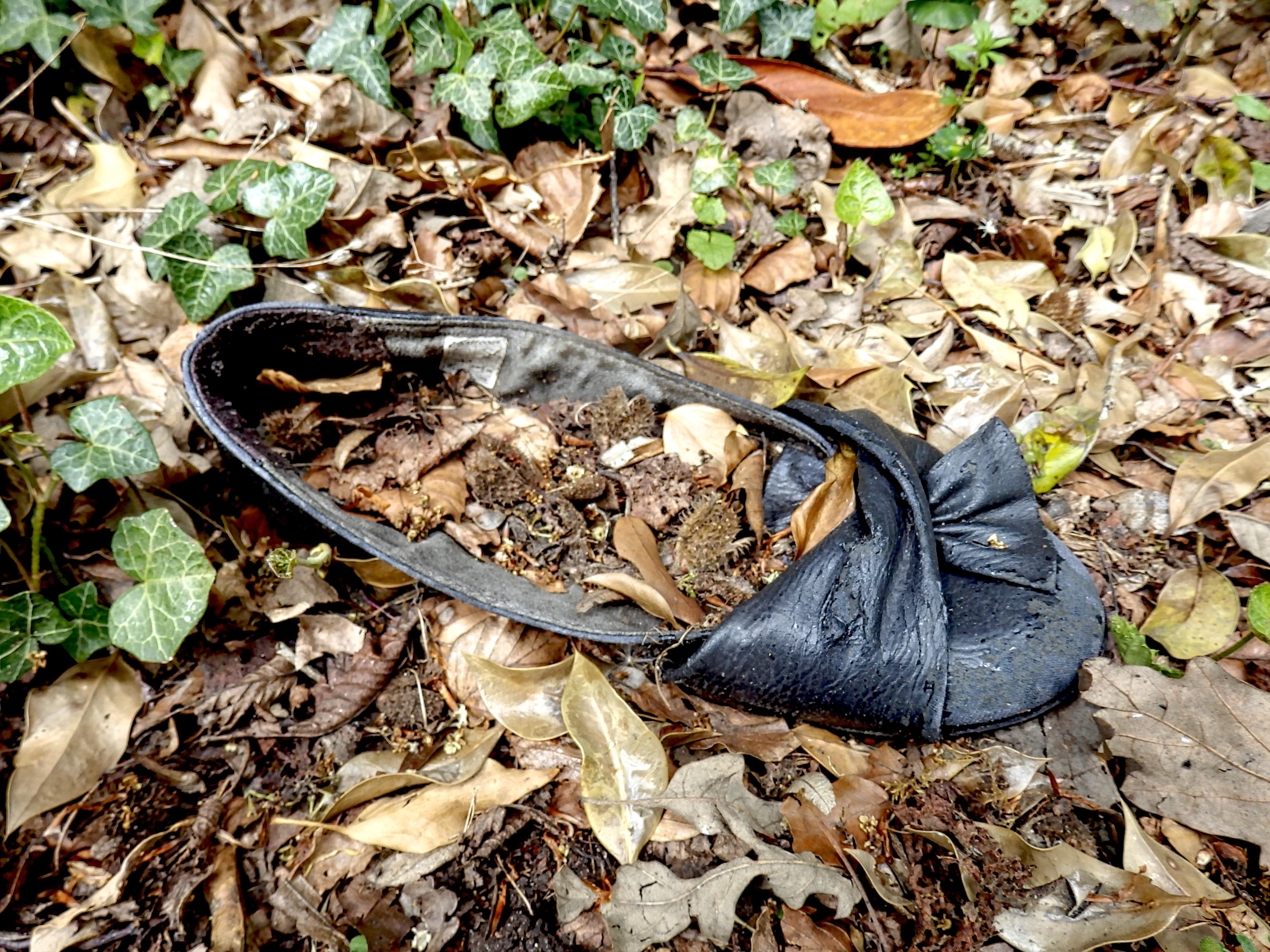
If you drop leaves when she walks by,
does that signify grief for those
cut down early,

or merely drought?
How easily we abandon and forget.

Yet a whiff of lemon verbena or the light
bouncing from a passing Ford
can call them back,

tiny sorrows ratcheted in sequence
above the cracked well casing

but below the shingles
and near the dwindling shade
tracing its outline on the lawn.

And what do you whisper
alone at night within sight
of sawn and stacked siblings?

Do you suffer anger by way
of deadfall or absorption,

bark grown around and concealing
a penetrating nail, never shedding
tears, never sharing one moment

with another. Offered condolences,
what might you say? Pain earns no
entrance. Remit yourselves.


* * *

“If You Drop Leaves” was published at Bad Pony in November 2017. Many thanks to editor Emily Corwin for taking this piece.

Letter to Gierke from the Future’s Past


Letter to Gierke from the Future’s Past

Dear Ken: I’m fixated on open faucets and drained tanks,
on cracked PVC and browned grass, denial and what’s to
come, thinking of old dogs and accusations and how
the morning’s lopsided beginning has wrung out every
shred of positive emotion absorbed overnight. Then
a pinpoint emerges, swelling, until I can see, as through
a spidery windshield, tomorrow and its improbabilities.
Last weekend I built a window screen to exact measurements,
only to discover the sill tilted on the north by a quarter-inch,
and in order to install the damned thing I had to shorten
its right side, ruining the rectangle. Perfection eludes me,
even when guided by tape and square, especially in this
climate of exacerbated deterioration, which has not, alas,
excluded me – sciatic nerve, shoulders, knees, hands, etc.
But enough whining. Tea leaves predict that in a few hours
I’ll cross the creek trickling over the road, check the cisterns
and drop off tomorrow’s drinks before heading home to
swat mosquitoes and grill sage-rubbed pork kebabs while
sipping hoppy brews. That’s as far into the future as I
care to venture. The Cowboys drafted a lineman named
Taco, the weeds need mowing and my belly says noon
is fast approaching. I’d like carnitas, but have only rice
and beans, which probably signifies something far deeper
than my conscience will admit, trials I’ll never face. A
thunderstorm looms in the forecast, but my left ankle says
it ain’t happening. What do your mended bones claim?
Mine usually plead the fifth, but hey, they’re careful,
these days, and with good reason. Take care. Bob


* * *

“Letter to Gierke from the Future’s Past” was featured at Vox Populi in December 2017.


Community of Hands (Haibun)

making

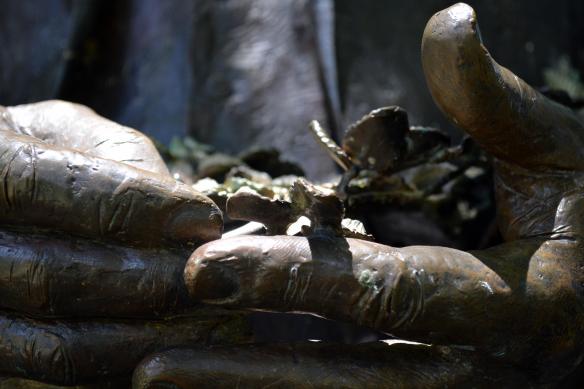
He thought much of these disembodied hands, pictured them moving to the light of the burnished lantern, weaving patterns intricate as those in the most delicate hummingbird nest, textures and shades of light with traces of webs and soft fibers of unknown origin, making knots of shadows and their companions.

*

It was not that they were so very much like his; they were hands of another sort, hands that touched nothing held by another, hands that knew no lips or wooden hearts or curves in a quiet moment, hands that knew only themselves in the community of unnatural hands.

waking to the rain
he hears a far-off whistle
oh, the neighbor’s tea!

* * *

OLYMPUS DIGITAL CAMERA

“Community of Hands” first appeared here in April 2017.

Life among the Prickly Pear

image

Life among the Prickly Pear

Rain’s twofold curse: not enough
too much. Still, I take comfort

even among the thorns.
There is much to like here.

Its moonlight flowers.
Paddles fried with minced garlic.

Wren’s jubilant shriek.
The fruit’s red nectar.

I wake to distant screech owls
purring their desires on separate

slopes. Late spring, storms looming.
I close my eyes and the creek rises.

* * *

A draft of this first appeared here in June 2015, and I posted this version in May 2016.

In the meantime, two of my guitar heroes:

Before We Knew


Before We Knew

All thought of consequence
melted with that first touch
of tongue to skin, no respite
to be found in that heat,

no shade at all. I recall
hitching a ride later with a
German couple who lit up
and passed the joint without

asking, and after their
Cinquecento sputtered away,
I walked down to the bar at the
waterfront for an espresso and

to watch the lights spark along
the bay.  A few times a week
I’d see a boat putter in and tie up,
and the one-armed man would

display his catch or a carton
of bartered Lucky Strikes, but
not this night. The moon
weighed heavy on my shoulders

as I trudged home, remembering
the way you’d smiled and said,
from some place I’d never
witnessed before, come here,

now, as if I could have said no and
turned around, as if another urge
could have inserted itself
in that moment, in that life, ever.

* * *

“Before We Knew,” first appeared in Sleet Magazine in August 2018. I am grateful to editor Susan Solomon for taking this poem.


Snails

Snails

How convenient to carry a home on one’s back, I
think, disregarding heft and plumbing and the shape
of rooms too hollow to feel. Yesterday a box of African
chapbooks migrated to my doorstep, and I plucked
yellowing leaves from the tomato plant by the poetry
shack. Marine snails constitute the majority of snail
species, but we count first what we can see. Everything
turns–the days buzz by like male blackchins swooping
through their pendulum air-dance, and I tally my
diminishing hours from the safety of these walls.
Heliciculture is another word for snail farming, but
reminds me of stars spiraling wildly above my roof
each night, spewing poetic fire throughout the cosmos.
The neighbor mows her lawn and I observe the wind
stepping from treetop to treetop, another sign of the
earth’s continued rotation. Their slime permeates human
cosmetics to minimize premature skin aging, and was
once used medicinally to soothe coughs (I write this
as mucus slides down my throat, a response of the
lung’s filtration system to histamines). There is much
to consider about the intricacies of harvesting slime.
Most snail species consume plants, but a few are
predatory carnivores, which leads to questions
about their prey. Cooked in butter with garlic, served
with a dry white? I spear one, contemplate texture
and move on to the next, leaving behind no visible trail.


* * *

My poem “Snails” was published on Vox Populi  in October 2017. Many thanks to founder and editor Michael Simms for giving this poem a home.

Love Song for the Dandelion


Love Song for the Dandelion

When you scatter
I gasp

aware that the windborne
carry truths

too powerful to breathe
too perfect

to bear

What is your name
I ask

knowing the answer
all along


* * *

“Love Song for the Dandelion” first appeared in Rue Scribe in September 2018. Many thanks to Eric Luthi and the editors at Rue Scribe for accepting this piece and several others.

In Praise of Time

timeFlies


In Praise of Time

We marvel that so much
produces only
more of the same,

increased yet
diminished, no two
alike yet never

differing, earth to
soil, glacier to rain,
stardust to morning,

open, filled, wasted,
lost, killing, preserving,
making more, wanting.


* * *

file000325451598