
Dog
Not away, but after
or contrary,
the reversal indicative
and untoward: scratching,
she spirals to the perfect
spot between us, touching both,
then sighs. In comfort, in ecstasy,
in contentment, who can say?
But we sigh in response.


Dog
Not away, but after
or contrary,
the reversal indicative
and untoward: scratching,
she spirals to the perfect
spot between us, touching both,
then sighs. In comfort, in ecstasy,
in contentment, who can say?
But we sigh in response.

Another Farewell (after Wang Wei)
We pause at the hill to say goodbye
and I close the willow gate
as dusk falls.
The grass will turn green again
next spring, but will you,
my friend, see its return?
The transliteration on Chinese-poems.com reads:
Hill at mutual escort stop
Day dusk shut wood door
Spring grass next year green
Prince offspring return not return
I’ve taken a few liberties, chief among them employing “willow” rather than wood, for its specificity and for its cultural significance (broken willow symbolizing departure). A little knowledge is dangerous…but I believe it works here.


Stone Path (after Tu Mu)
High up the cold mountain a stone path rises
to the village in the white clouds.
I stop the carriage and inhale the evening fragrance,
its red, frosted maple leaves richer than any spring flower.
I may have inserted a bit more of myself into this adaptation than is my usual custom. I hope it does not intrude.
The transliteration on Chinese-poems.com reads:
Far on cold mountain stone path slant
White cloud live place be households
Stop carriage because love maple forest evening
Frost leaf red than second month flower
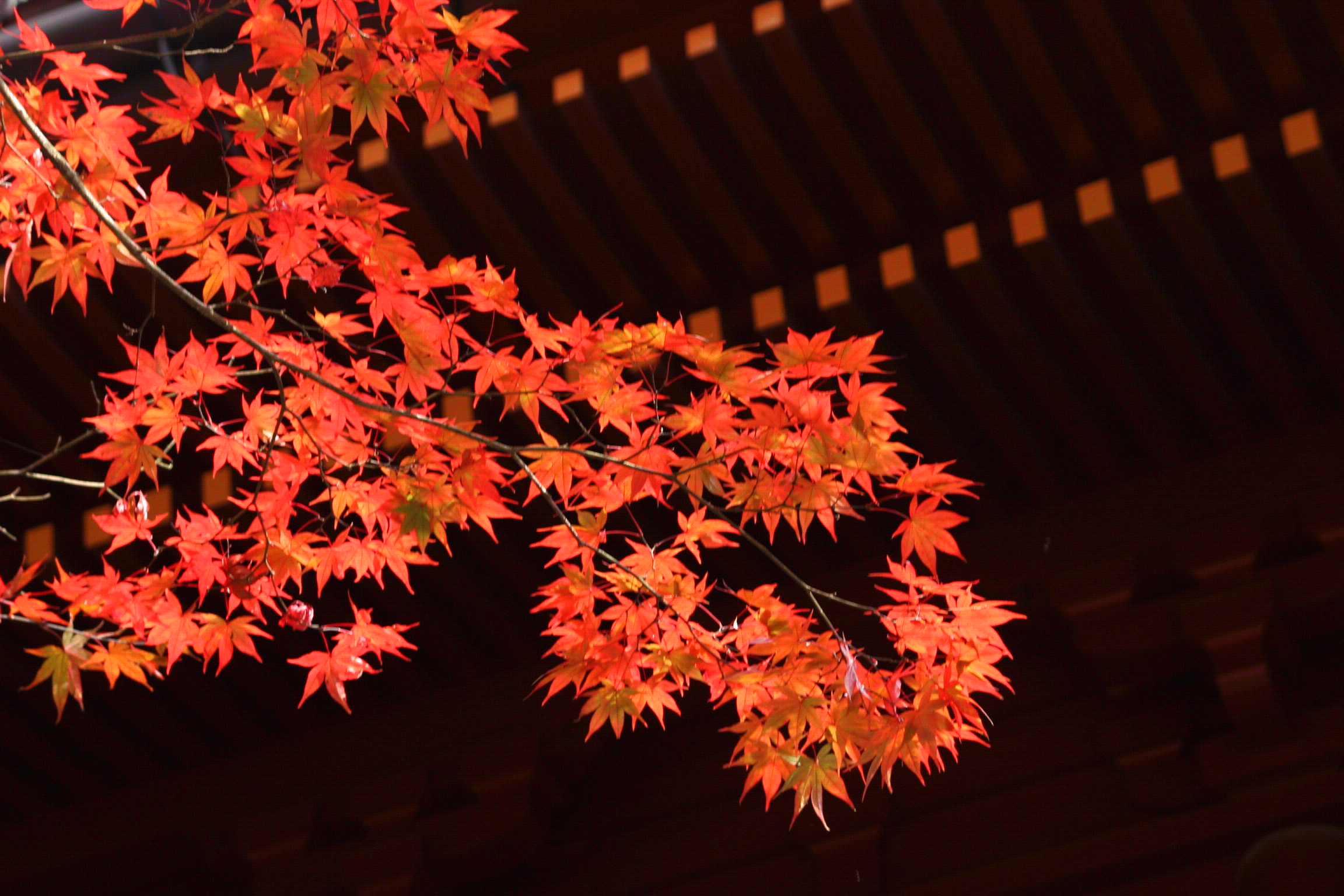

Written in response to Jeff Schwaner’s invitation to this evening’s Full Moon Social Party. I’m kicking off the festivities by pairing the poem with a glass of chilly Jaume Serra Cava, accompanied by a tad of Cypress Grove’s Humboldt Fog soft-ripening goat cheese on a slice of crusty baguette, with a handful of grapes and almonds. Cheers!
Nine Ways of Shaping the Moon
– for Lissa
1
Tilt your head and laugh
until the night bends
and I see only you.
2
Weave the wind into song.
Rub its fabric over your skin.
For whom does it speak?
3
Remove all stars and streetlights.
Remove thought, remove voice.
Remove me. But do not remove yourself.
4
Tear the clouds into threads
and place them in layered circles.
Then breathe slowly into my ear.
5
Drink deeply. Raise your eyes to the brightness
above the cedars. Observe their motion
through the empty glass. Repeat.
6
Talk music to me. Talk conspiracies
and food and dogs and rain. Do this
under the wild night sky.
7
Harvest red pollen from the trees.
Cast it about the room
and look through the haze.
8
From the bed, gaze into the mirror.
The reflection you see is the darkness
absorbing your glow.
9
Fold the light around us, and listen.
You are the moon in whose waters
I would gladly drown.
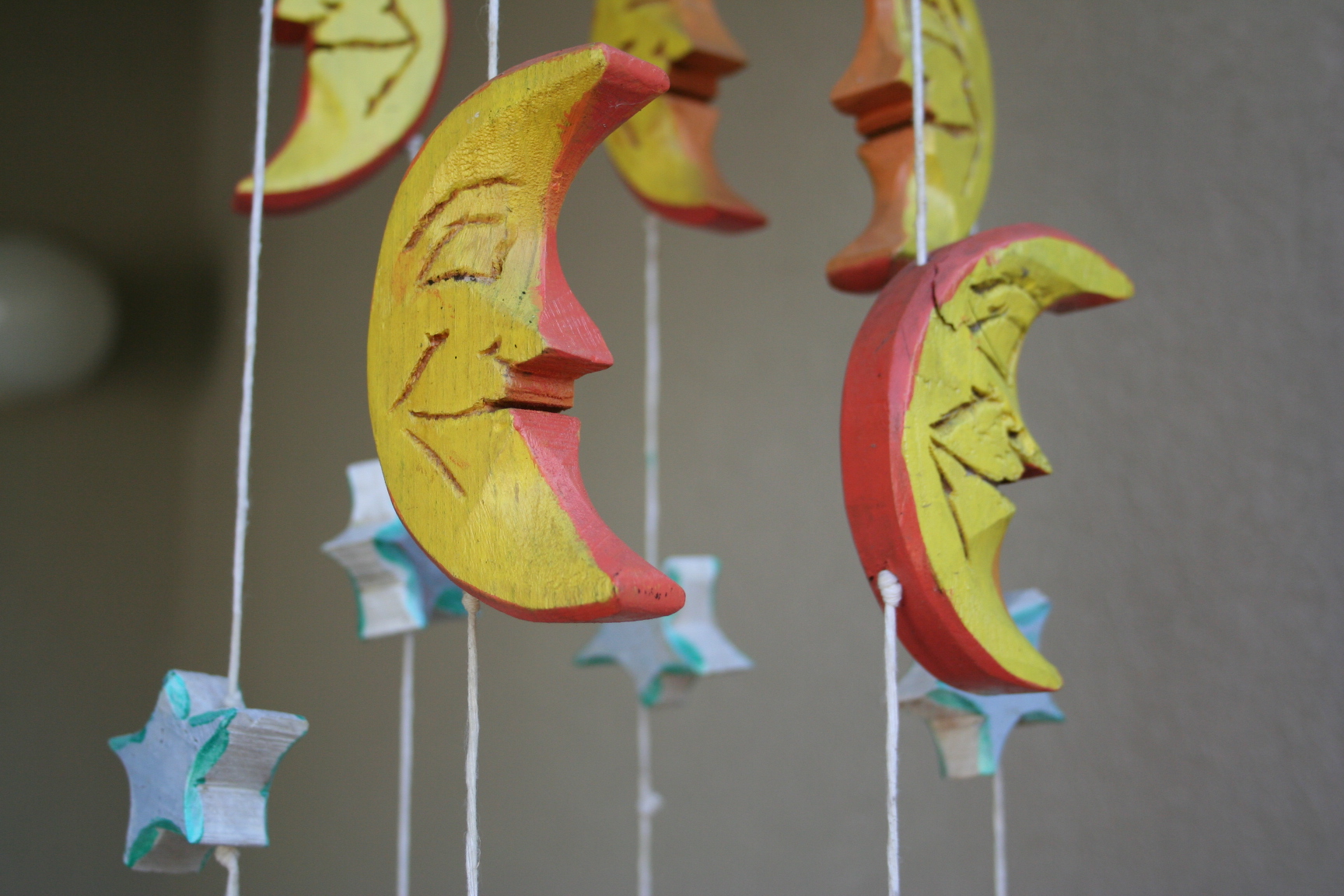
Visit Jeff’s blog, Translations from the English, at http://jeffschwaner.com/
WordPress tag: fullmoonsocial2014
On Parting (after Tu Mu)
This much fondness numbs me.
I ache behind my drink, and cannot smile.
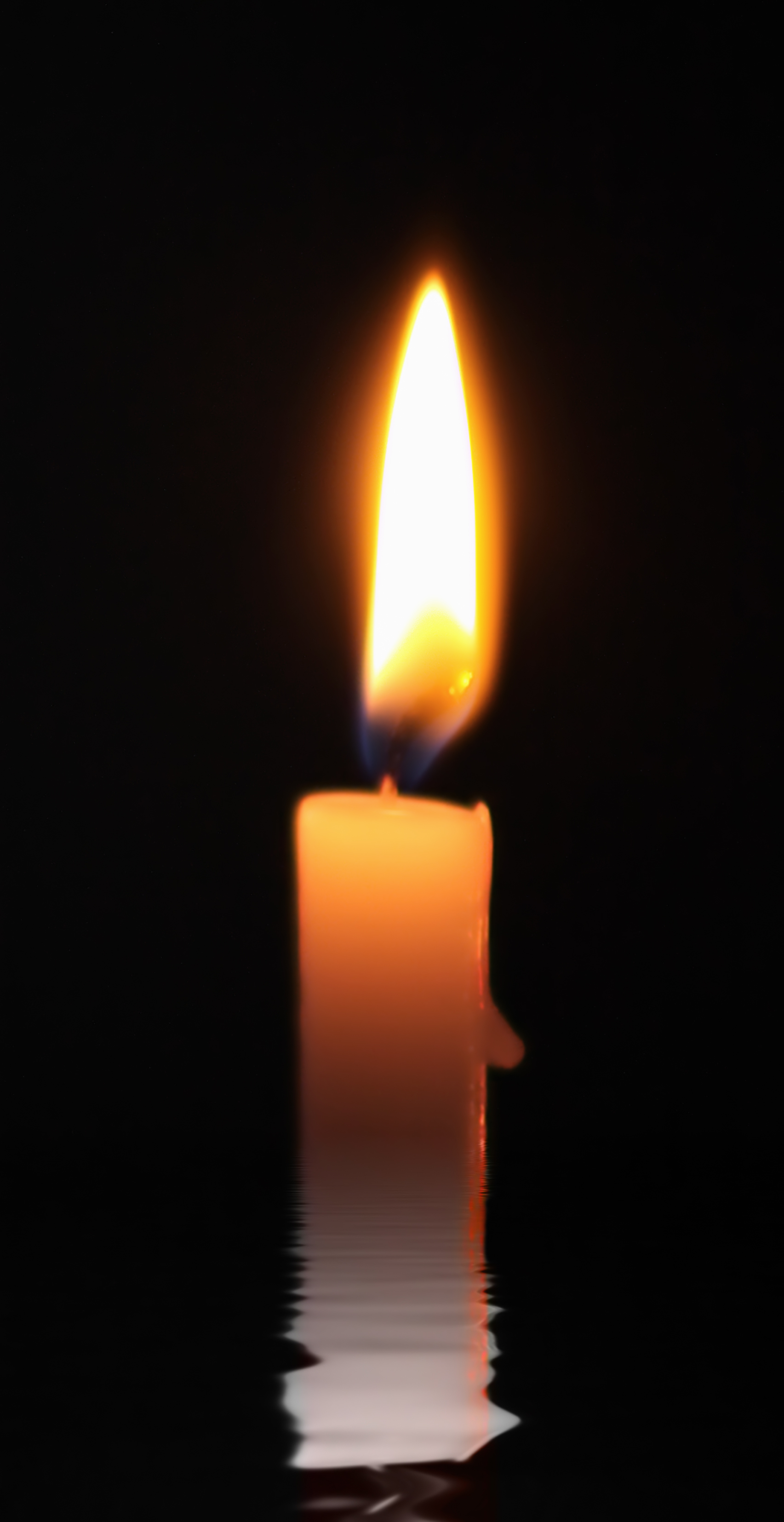
The candle too, hates parting,
and drips tears for us at dawn.
A non-poet friend asked why I’m dabbling in these adaptations. After all, she said, they’ve already been translated. Why do you breathe, I replied, admittedly a dissatisfying, snarky and evasive answer. So I thought about it. Why, indeed. The usual justifications apply: as exercises in diction and rhythm, it’s fun, it’s challenging. But the truth is I love these poems, these poets, and working through the pieces allows me to inhabit the poems in a way I can’t by simply reading them. And there is a hope, however feeble, of adding to the conversation a slight nuance or a bit of texture without detracting from or eroding the original.
The transliteration on Chinese-poems.com reads:
Much feeling but seem all without feeling
Think feel glass before smile not develop
Candle have heart too reluctant to part
Instead person shed tear at dawn
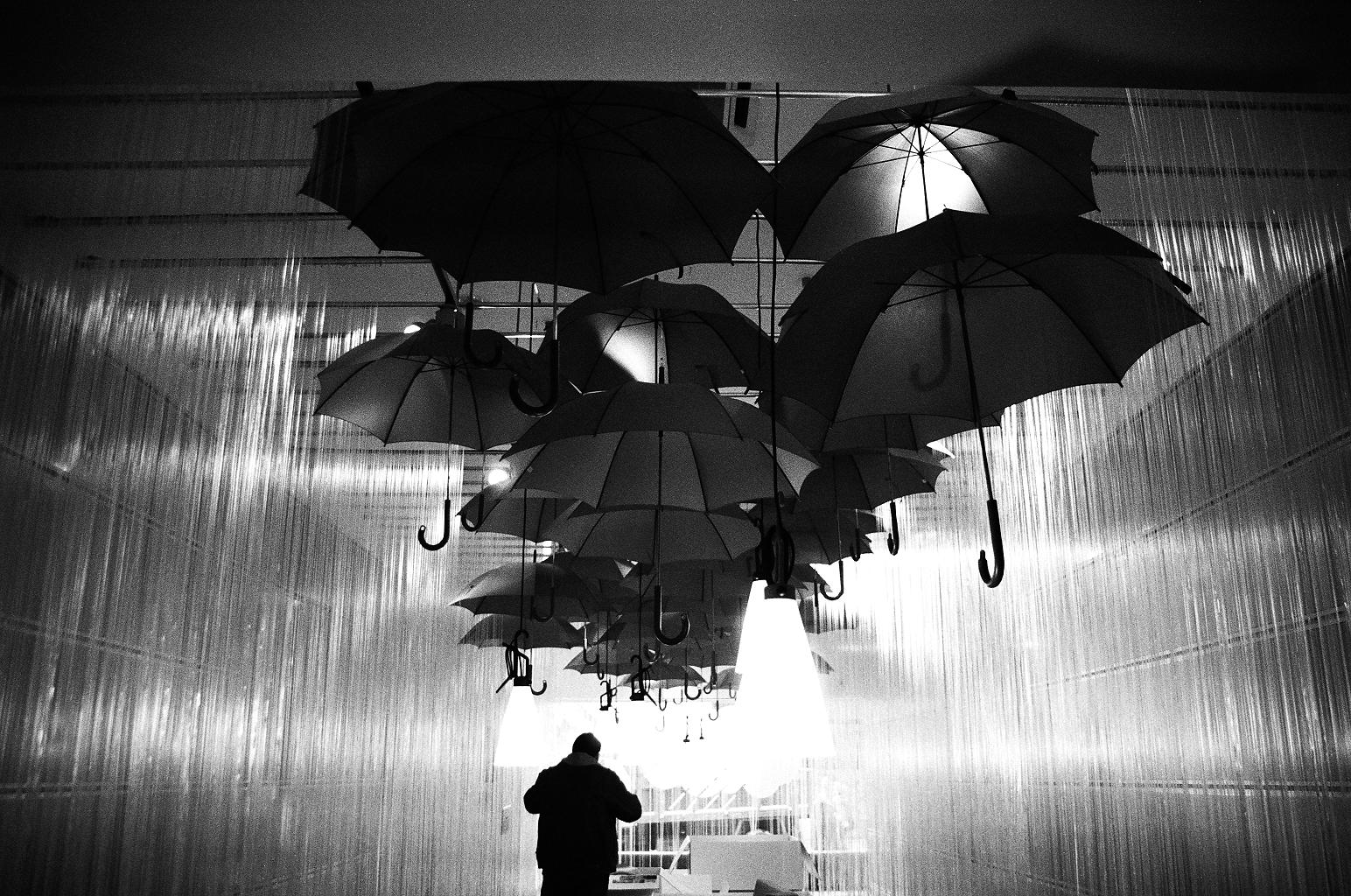
In Praise of Rain
Which is not to say lightning or hail.
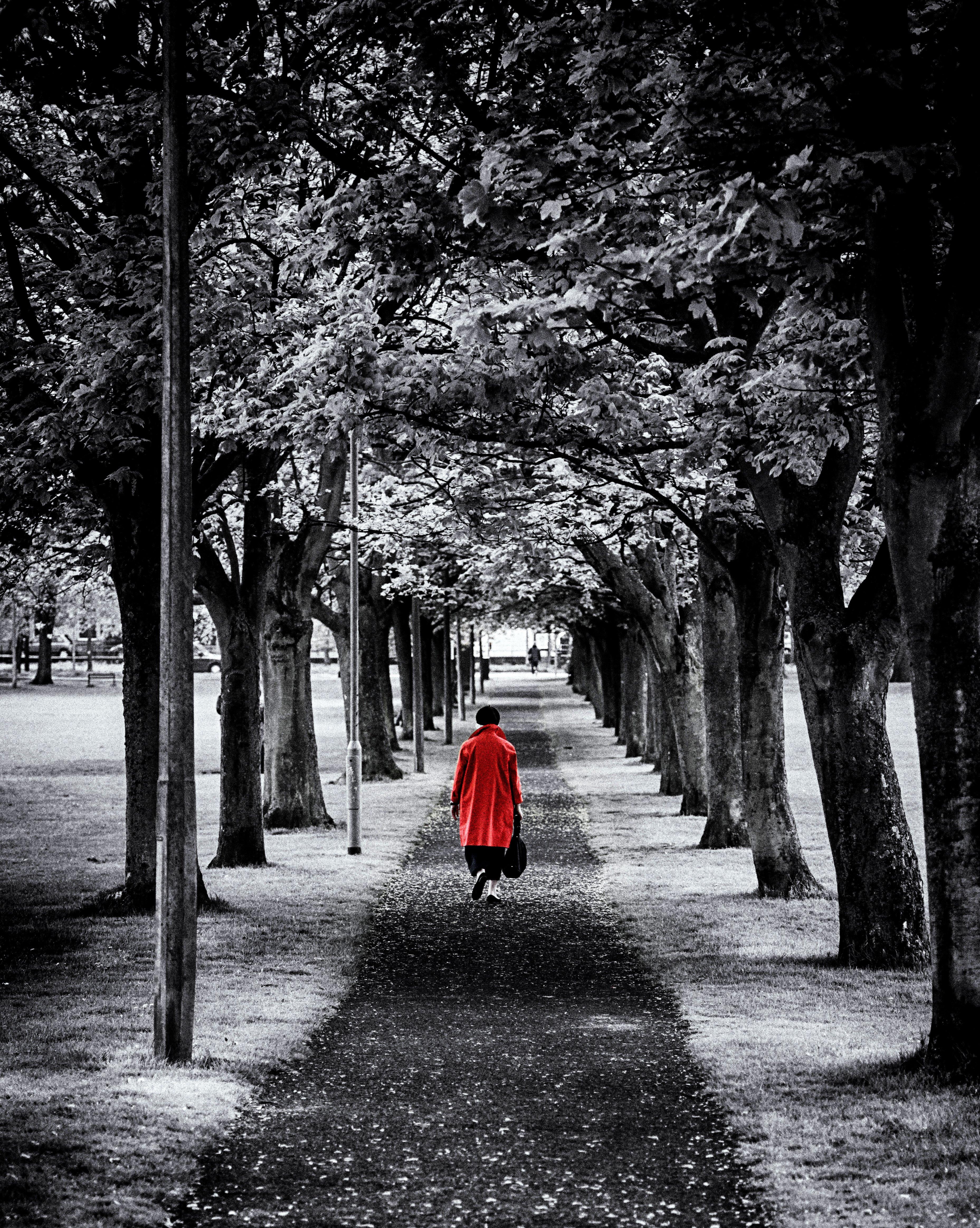
Sometimes I forget to open the umbrella
until my glasses remind me: Wake up, you’re
wet! If scarcity breeds
value, what is a thunderhead worth
in July? A light shower in August?
Even spreadsheets can’t tell us.
Autumn Winds (after Li Po)
Clear autumn winds swirl
below the moon’s glow,
scattering the gathered leaves.
The startled crows return.
When will we see each other again?
This hour, this lonely night, my feelings grow brittle.
The transliteration on Chinese-poems.com reads:
Autumn wind clear
Autumn moon bright
Fall leaves gather and scatter
Jackdaw perch again startle
Each think each see know what day
This hour this night hard be feeling
I started this adaptation in the heart of summer, hoping that it would offer a respite from the unrelenting Texas heat…


As always, I approach these adaptations slowly. This may need a few tweaks, but it’s close.
Greeting the Moon (after Li Po)
Wine conceals the night’s approach,
while blossoms blanket my clothing.
Drunk, I stumble to the stream and greet the moon,
thinking of birds, so distant, and people, so few.
The transliteration on Chinese-Poems.com reads:
Amusing Myself
Face wine not aware get dark
Fall flower fill my clothes
Drunk stand step stream moon
Bird far person also few

In Praise of Darkness
Night falls, but day
breaks. A raw deal,
no doubt, but fairness
applies itself unevenly. Who
chooses weeds over
lies, flowers over truth?
Last night’s rain fell, too,
but didn’t crack the drought.
Again, we think injustice!
Again, we consider falls.


Matt Larrimore, editor of Four Ties Lit Review, interviews me:
http://fourtieslitreview.com/home/interviews/interview-with-robert-okaji/

 O at the Edges