Sheng-yu’s Lament (after Mei Yao-ch’en)

DSC_1243

Sheng-yu’s Lament (after Mei Yao-ch’en)

First heaven took my wife,
and now, my son.
These eyes will never dry
and my heart slowly turns to ash.
Rain seeps far into the earth
like a pearl dropped into the sea.
Swim deep and you’ll see the pearl,
dig in the earth and you’ll find water.
But when people return to the source,
we know they’re gone forever.
I touch my empty chest and ask, who
is that withered ghost in the mirror?

The transliteration on Chinese-poems.com reads:

Heaven already take my wife
Again again take my son
Two eyes although not dry
(Disc) heart will want die
Rain fall enter earth in
Pearl sink enter sea deep
Enter sea can seek pearl
Dig earth can see water
Only person return source below
Through the ages know self (yes)
Touch breast now ask who
Emaciated mirror in ghost

SAM_0841

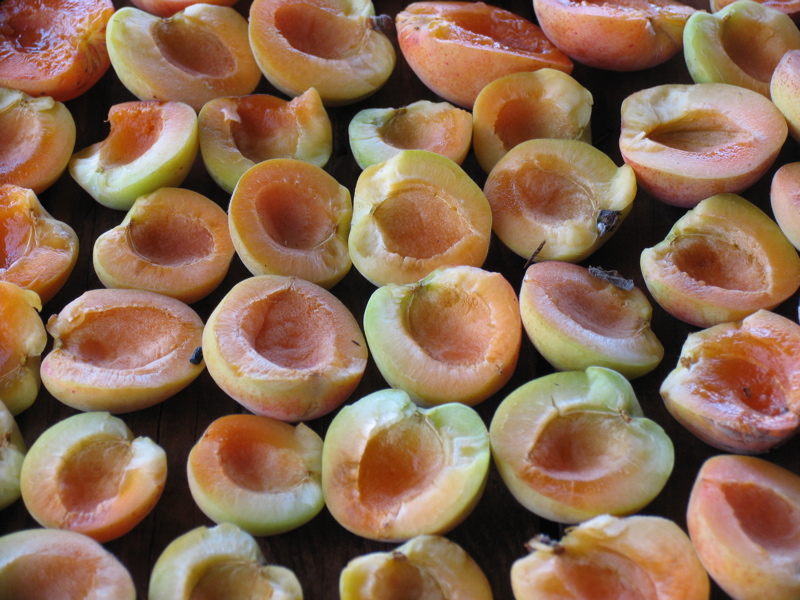
Apricot House (after Wang Wei)

file000532973761

Apricot House (after Wang Wei)

We cut the finest apricot for roof beams
and braided fragrant grasses over them.

I wonder if clouds might form there
and rain upon this world?

The transliteration on Chinese-poems.com reads:

Fine apricot cut for roofbeam
Fragrant cogongrass tie for eaves
Not know ridgepole in cloud
Go make people among rain

Each adaptation poses its challenges, and this one was certainly no exception.
First I identified key words and determined how or whether to use them.
Apricot, roofbeam, cogongrass, eaves, ridgepole, cloud, people, rain.
Apricot was a given. It offered specificity, and feels lovely in the mouth. Roof beams, as well. Cogongrass didn’t make the cut. It is indeed used for thatched roofs in southeast Asia, but it felt clumsy; in this case, the specificity it lent detracted from my reading. And rather than use “thatched” I chose “braided” to imply the layered effect of thatching, and to imply movement, to mesh with and support the idea of clouds forming and drifting under the roof. “Not know” posed a question: did it mean ignorance or simply being unaware, or perhaps a state of wonderment? I first employed “unaware” but thought it took the poem in a different direction than Wang Wei intended (but who knows?). “Ridgepole” seemed unnecessary. So I chose to let the reader follow the unsaid – using “form there” to reinforce the impression already shaped by the roof beams and the grasses “over them.” I admit to some trepidation over the second couplet. It may still need work.
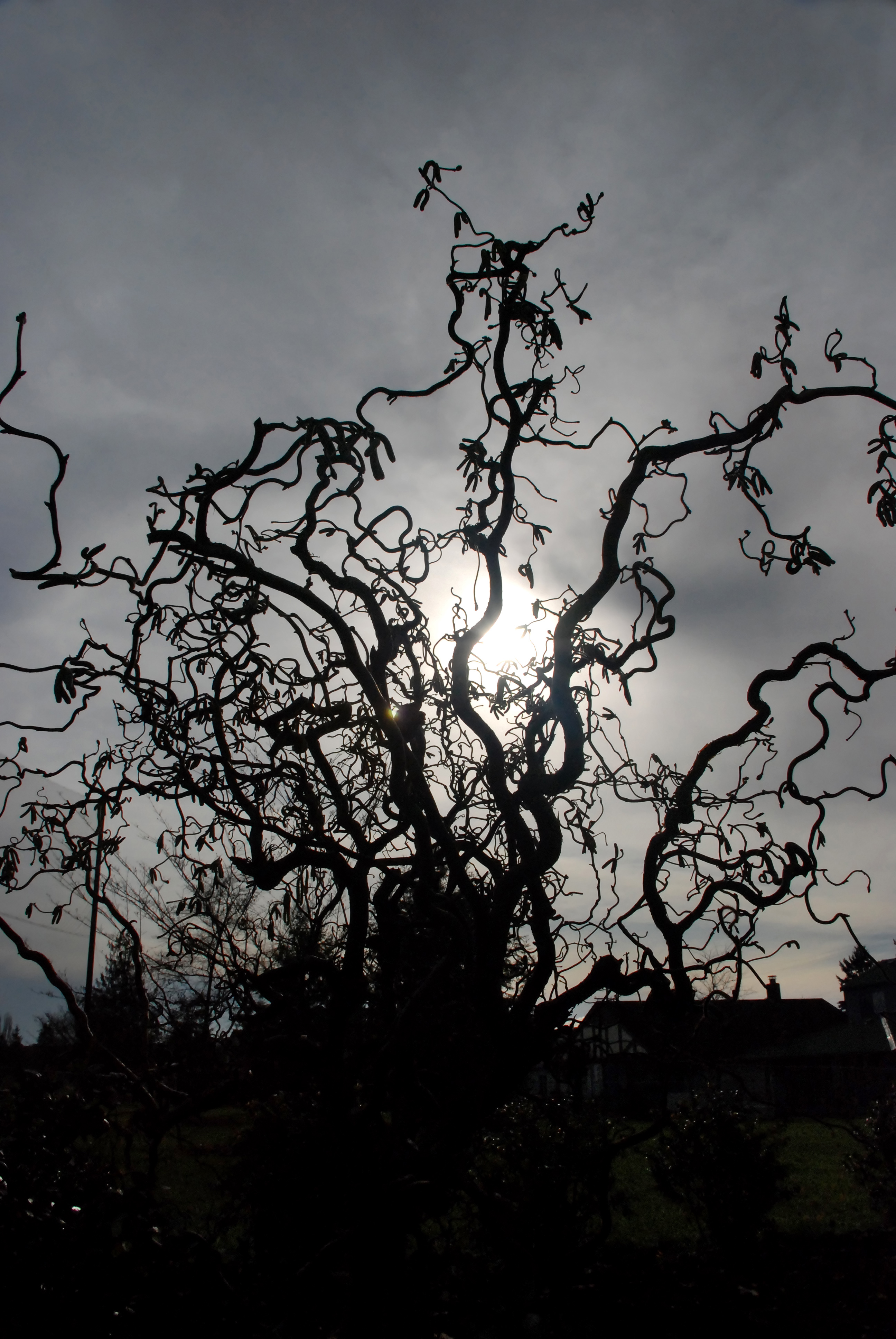
 clouds

Spring Dawn (after Meng Haoran)

file4731293467677
 
This morning I slept through dawn
and the screeching birds, long
after last night’s wild wind and rain.
But who can count the fallen flowers?


The transliteration on Chinese-poems.com reads:

Spring sleep not wake dawn
Everywhere hear cry bird
Night come wind rain sound
Flower fall know how many


file7101237575173

Lament for Five White Cat (after Mei Yao-ch’en)

file3461249385398

Lament for Five White Cat (after Mei Yao-ch’en)

Five White cat always made sure
no rats gnawed my books,
but this morning Five White died.

On the river I offered up rice and fish,
and buried you in its lazy currents,
chanting my lament. I could never neglect you.

One time you caught a rat
and carried it squealing around the yard
to frighten all the other rats
and keep my cottage clear of them.

We’ve shared space aboard this boat,
and although the food is meager
it’s free of rat piss and droppings
because you were so diligent,
more so than any chicken or pig.

Some people speak highly of horses,
saying nothing compares to them or donkeys.
But we’re done with that discussion!

My tears prove it so.

The transliteration from Chinese-poems.com:

Self have 5 white cat
Rat not invade my books
Today morning 5 white die
Sacrifice with rice and fish
See off it at middle river
Incantation you not you neglect
Before you bite one rat
Hold in mouth cry around yard remove
Want cause crowd rat frightened
Thought will clear my cottage
From board boat come
Boat in together room live
Dry grain although its thin
Evade eat drip steal from
This real you have industriousness
Have industriousness surpass chicken pig
Ordinary person stress spur horse drive
Say not like horse donkey
Already finish not again discuss
For you somewhat cry

A Song Dynasty poet, Mei Yao-ch’en (or Mei Yaochen) died in 1060. His great poems live on.

This one is for Jeff Schwaner, whose Mei Yao-ch’en sequence has entertained, inspired and enlightened me. You can find the sequence here: http://jeffschwaner.com/mei-yao-chen-sequence/

DSC_1646

Parting from Wang Wei (after Meng Haoran)

P1010508


Parting from Wang Wei (after Meng Haoran)

These quiet days are ending
and now I must leave.

I miss my home’s fragrant grasses
but will grieve at parting – we’ve

eased each other’s burdens on this road.
True friends are scarce in life.

I should just stay there alone, forever
behind the closed gate.

The transliteration on Chinese-poems.com reads:

Quiet end what wait
Day day must go return
Wish seek fragrant grass go
Grieve with old friend separated
On road who mutual help
Understanding friend life this scarce
Only should observe solitude
Again close native area door

file5971307479422

Late Night (after Li Po)

file0001588704472

The moon smiles upon my bed.
I consider frost and ice,
and raising my head, the bright sky.
Lying back, I think of home.

Once again, I’ve attempted to shiver myself into a timeless piece. I can only hope that my version does not offend.

The literal translation from Chinese-Poetry.com follows:

Bed before bright moon shine
Think be ground on frost
Raise head view bright moon
Lower head think home

file000656391838(1)