Bone Music

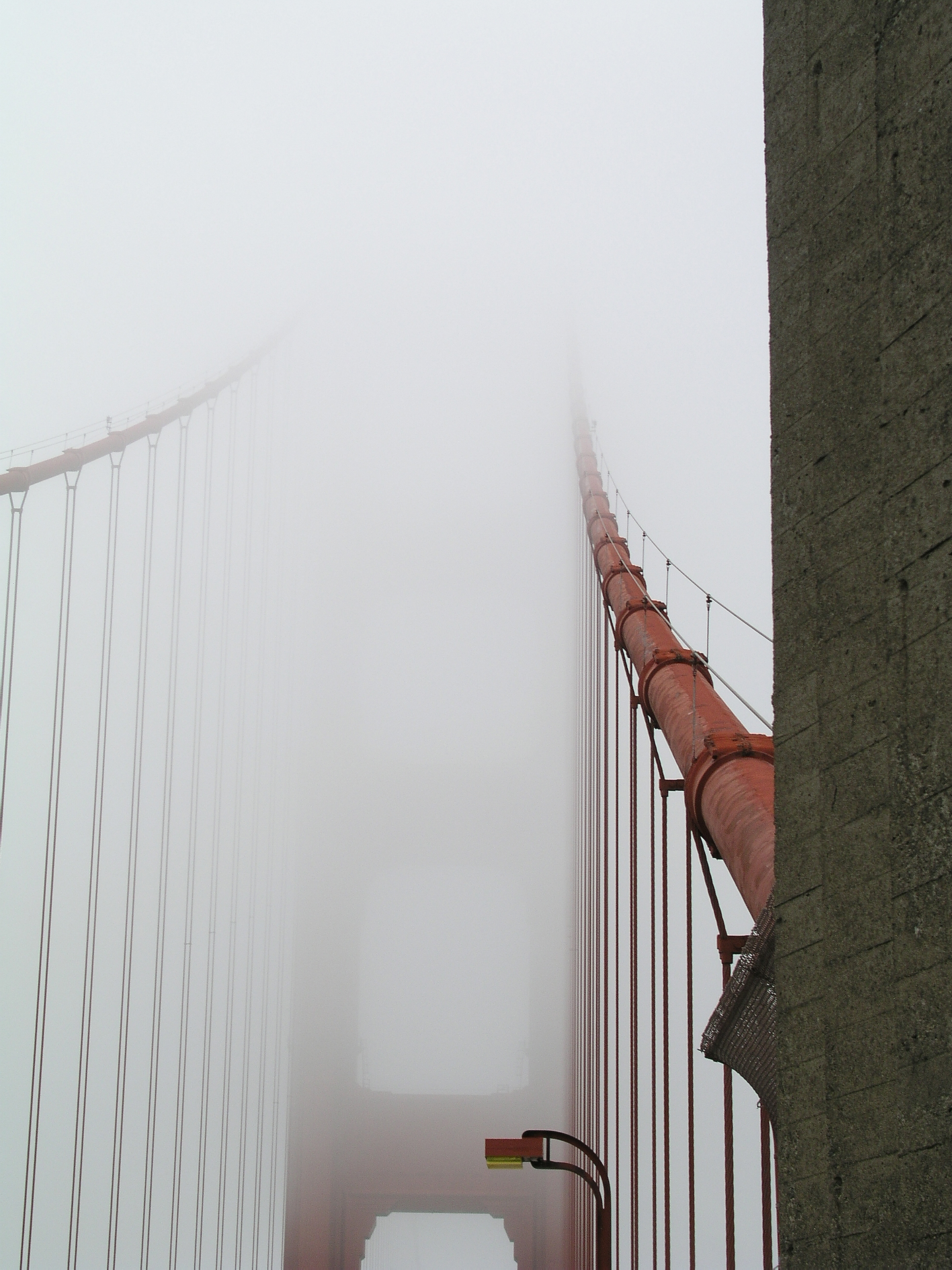
goldengate

Bone Music

But how to reconcile the difference? Consider
drag force, velocity at impact, position,
surface tension. Gravity. I drink more wine
and drift, trying to recall that last conversation,
those few sentences revised in the moment,
exhaled and consumed in passing. It’s
likely that fractured ribs lacerated the heart and
lungs, or severed major arteries. Sometimes
words evaporate, leaving behind only the faintest
residue. Or they might absorb the ocean’s power,
the beauty, the blackness of the deepest
nocturnal canyon or the weight of a dying
high mass star’s core, crushing any deliberation,
any attribution, with remorse. Sky above,
the earth below, silvered leaves. A shared moon.
This fluttering from great heights. The outward
thrust. The shearing. A fluttering within. Each
morning I acknowledge pain and fear, refleshing
the night’s bones phrase by delicate phrase into
numinous forms greater than their divisible
parts, their intractable sums, into bodies and
shapes extracted through a moment’s glimpse,
brief afterthoughts groaned across the opening
blue, saying I was right, I admit inaction, I
confess it all, water, water, I knew too little.

“Bone Music” first appeared in Gossamer: An Anthology of Contemporary World Poetry, published by Kindle Magazine in Kolkata, India. I was thrilled to have several poems included in the anthology.
moon

Meditation in White

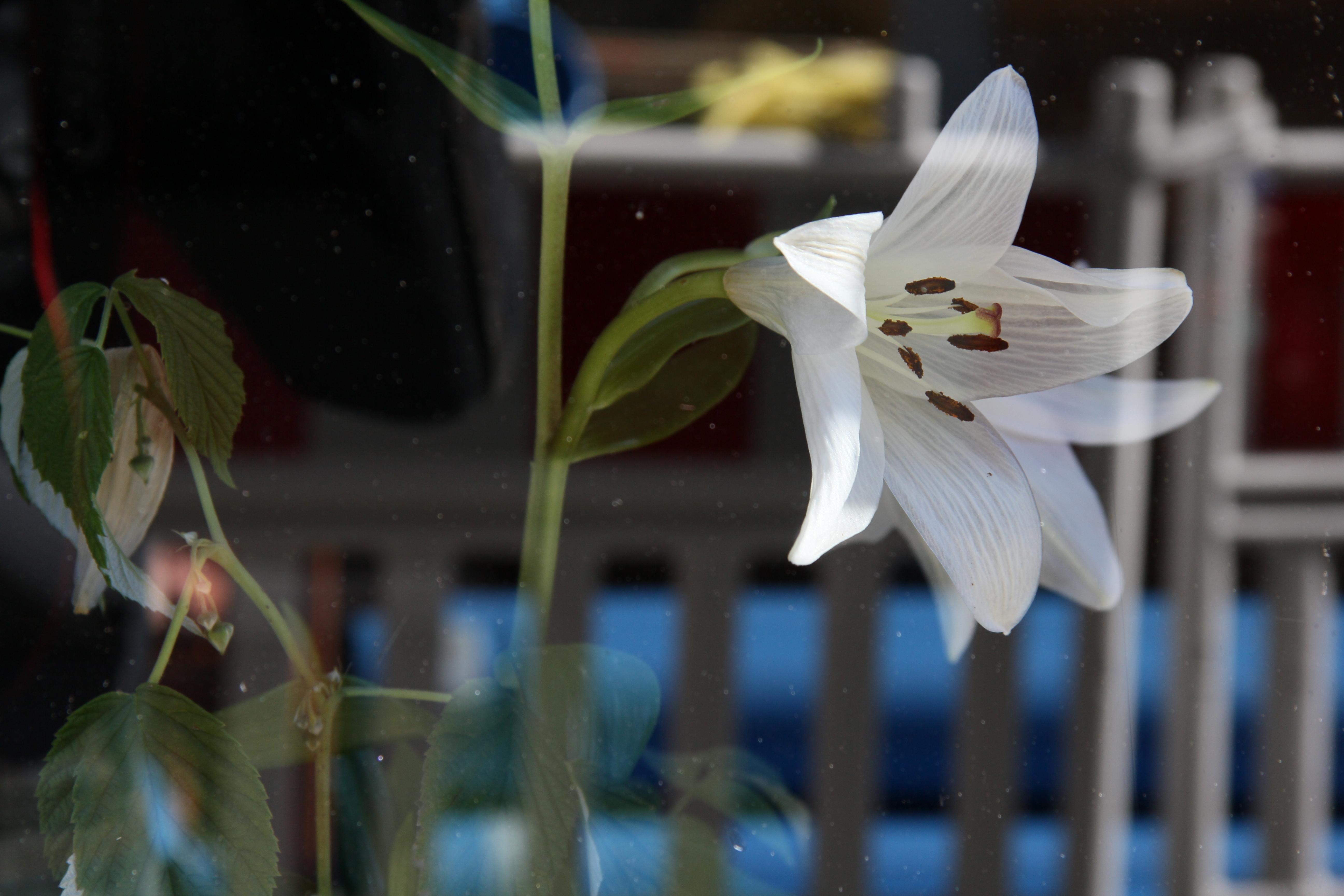
lily

Meditation in White (Lilies)

Clouds pass my high window quickly, abandoning the blue.
Indefinite mass, indeterminate, impersonal

as only intimates may know.
Though you lay there, nothing remained in the bed.

Which is the blank page’s gift, the monotone
or a suggestion of mist and stripped bones.

The nurse marked the passage with pen on paper.
Renewal, departure. A rising.

I accept the ash of suffering
as I accept our destination, the morning

and its offerings, with you in synthesis,
complete and empty, shaded in contrast,

wilting, as another opens. Laughter eases the way.

***

page

This first appeared in Shadowtrain.

Sheng-yu’s Lament (after Mei Yao-ch’en)

DSC_1243

Sheng-yu’s Lament (after Mei Yao-ch’en)

First heaven took my wife,
and now, my son.
These eyes will never dry
and my heart slowly turns to ash.
Rain seeps far into the earth
like a pearl dropped into the sea.
Swim deep and you’ll see the pearl,
dig in the earth and you’ll find water.
But when people return to the source,
we know they’re gone forever.
I touch my empty chest and ask, who
is that withered ghost in the mirror?

The transliteration on Chinese-poems.com reads:

Heaven already take my wife
Again again take my son
Two eyes although not dry
(Disc) heart will want die
Rain fall enter earth in
Pearl sink enter sea deep
Enter sea can seek pearl
Dig earth can see water
Only person return source below
Through the ages know self (yes)
Touch breast now ask who
Emaciated mirror in ghost
SAM_0841

Originally posted in December, 2014.

Not Blame Your Pleasure

bike

Not Blame Your Pleasure

Because vision limits options, I close my eyes.

Becoming urges patience.

The morning after I didn’t die, I took breakfast in bed.

Arrival stamps the difference between waiting and choice.

Expectation, too, extends its squeeze, rendering sleep impossible.

I ride the bike and go nowhere, or walk steadily, covering the same ground.

Which will claim me first? An occlusion, gravity or unchecked growth?

Anticipation replaces one sigh with another: I have three falls from two roofs.

A friend has named me executor of his estate, and now the race is on.

The path to the void seems straight only near its end.

My ashes will one day soil someone’s morning.

ladder

Day Nine, Tupelo Press 30/30 Project

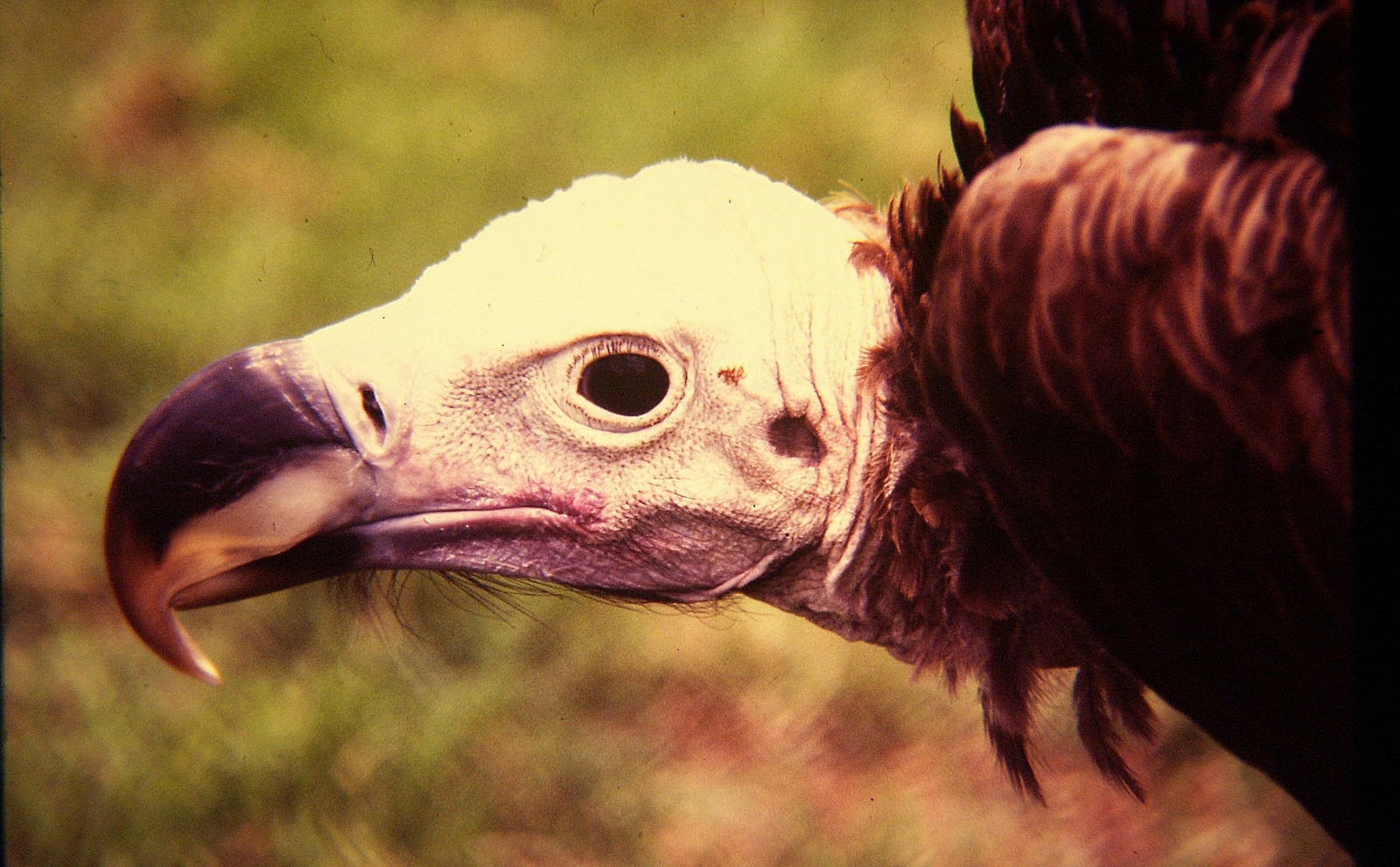
vulture

My poem “Cyborg Sky Burial” has now been posted among the day nine offerings of the Tupelo Press 30/30 Project (9 poets have agreed to write 30 poems apiece in 30 days, to raise funds for Tupelo Press, a non-profit literary publisher). Many thanks to Atomic Geography, who provided the title.

Cyborg Sky Burial

Who will render the fleshless,
the bones which are not bone?

This cloud holds water…

To see the rest of the poem, click here

Tomorrow’s poem is titled “Never Drink Anything Blue,” thanks to the generosity of Jim Feeney. Please consider sponsoring a poem – there are available slots for Friday and beyond. Conjure up a title (be creative, be weird, be gentle, be poetic), donate $10 to Tupelo Press, let me know what the title is, and I’ll write the poem. The  sponsored poems thus far have been a blast to write, and the titles have led me to poems I’d not otherwise have written. If you’re so inclined, please visit the 30/30 blog at: Donate to Tupelo. Scroll down to “Is this donation in honor of a 30/30 poet?” and select my name, “Robert Okaji,” from the pull down so that Tupelo knows to credit the donation to me. And please let me know as soon as possible what your title is.

For information on other sponsorships and their corresponding incentives, click here.

Thank you for your support! Only 21 poems to go!

Variations on a Theme

darkedinburgh_shadow

Variations on a Theme

1. The Long Night

We envy the shadow its attributes, its willingness to subside,
but what of its flesh?

I lay in the field and wept.

Think of the fragrance, the moist leaves
enveloping the still

warm body. In retrospect, I realize that I should never have left, that air
returns to voided space despite all attempts to disavow

light, that wind and rain and soil alike filter through the chest’s
cavity, that stones may bear one’s touch in perpetuity.

At nineteen, death had gifted nothing to my world.
At twenty, little else remained.

So close, so lovely.

2. The Loneliness of Shadows

Light collapsing around a point. The two-headed flower.

In my dreams, no one speaks.

Not the thing itself, the bud bursting forth, petals ablaze with color,
but rather change: the process reinforced.

Sleep seldom shows such kindness.

Or its fruit, redolent of sun and rain, withdrawn and shriveled,
and finally, ingested.

Yesterday I woke damp but unafraid.

3. Alchemy

Stones never talk, but they rise from the earth, appearing as if by invitation.

The way silence lines an unfilled
grave, which is to say as below

so above, an infinite murmur open to the night.
And other notions: transpiration.

Waste.
Sublimation. Calcination and burning.

At times I have withdrawn
like water from the air’s

body, fearful yet reckless in the act.
That evening the moon flickered and the shadows lay at our feet,

and all the words we never framed,
the bitters our tongues could not know, the wasted

music and abandoned caresses, those words,
sighed into the ground, leaving you adrift, alone.

But how else might one transform darkness to light?
Or the reverse.

huey_ef

This originally appeared in Boston Poetry Magazine in April, 2014.

Ritual

image

Ritual

Placing the dead is seldom arbitrary.
The Marquis de Sade’s grave in the forest at Malmaison
was planted with acorns so that he might be consumed by
trees, but my wife desires a shady plot in rural Texas,
where no one will claim her. In old Christian
graveyards the unclean were buried at the gospel side for
sinners. When her best friend died, she and his former lover
split a bottle of Johnny Walker Black and listened to Puccini.
The Nuer of Sudan place deformed dead babies by the river,
returning them to their true fathers, the hippos. After the fog
crushed Stevie Ray’s helicopter, I played Texas Flood on the juke
box and quit my job. In China, bones channel feng shui, becoming
part of the active landscape. Though she wanted her ashes to drift
in the Pacific, my mother’s body lies in a national cemetery in
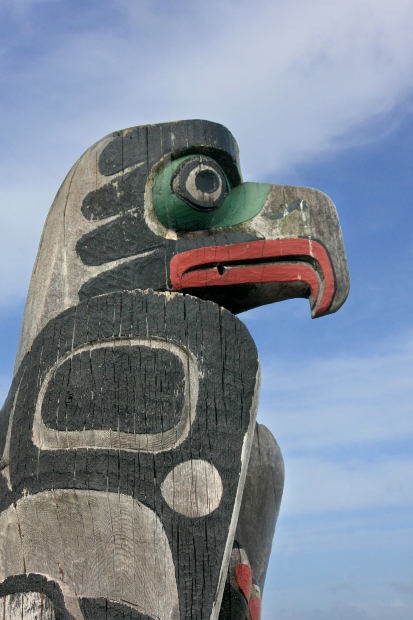
San Antonio. On the northwest coast of Canada, the Kwakiutl
left their dead to the ravens, and my father has proposed
on numerous occasions that we shove a hambone up his ass
and let the dogs drag him off. I do not believe we’ll follow his
suggestion. In old England, suicides were often interred at
crossroads, impaled, to impede their restless wandering spirits.
The Torajans sometimes keep bodies wrapped in layers of absorbent
cloth in their homes for years. I’d like my incinerated, pulverized
remains released in the jet stream, if only to escape economy class for
once. Jellyroll Morton’s grave is in Section N, Lot 347, #4, in the northwest
quadrant of Calvary Cemetery, but some villagers bury stillborn
near a dwelling’s outer wall. Hugh Hefner is rumored to have acquired
the spot next to Marilyn Monroe. Placing the dead is never arbitrary.

Originally published in Middle Gray in 2013, “Ritual” has just been reprinted in the anthology Heron Clan III.

For those who might be interested, a glimpse at the genesis of the poem is included in this interview conducted by Dariel Suarez, the editor of Middle Gray: http://www.themiddlegray.com/mgblog/2013/12/19/robert-okaji

image

Sheng-yu’s Lament (after Mei Yao-ch’en)

DSC_1243

Sheng-yu’s Lament (after Mei Yao-ch’en)

First heaven took my wife,
and now, my son.
These eyes will never dry
and my heart slowly turns to ash.
Rain seeps far into the earth
like a pearl dropped into the sea.
Swim deep and you’ll see the pearl,
dig in the earth and you’ll find water.
But when people return to the source,
we know they’re gone forever.
I touch my empty chest and ask, who
is that withered ghost in the mirror?

The transliteration on Chinese-poems.com reads:

Heaven already take my wife
Again again take my son
Two eyes although not dry
(Disc) heart will want die
Rain fall enter earth in
Pearl sink enter sea deep
Enter sea can seek pearl
Dig earth can see water
Only person return source below
Through the ages know self (yes)
Touch breast now ask who
Emaciated mirror in ghost
SAM_0841