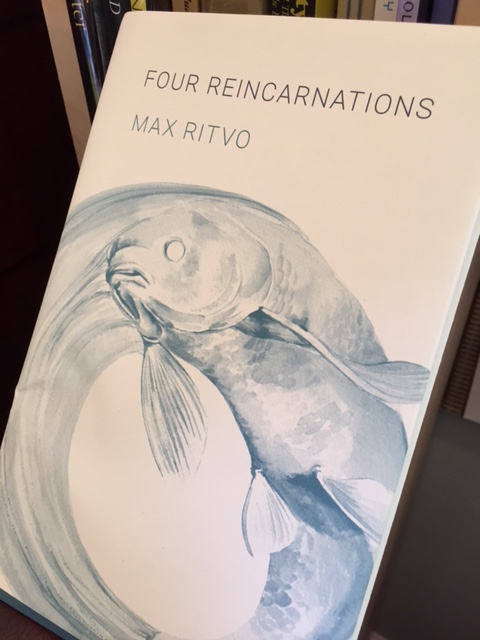
The world will see no more Max Ritvo poems, and for that, I grieve.
Read Helen Vendler’s review of his Four Reincarnations in Poetry. Better yet, read the book. It’ll make you ache.

The world will see no more Max Ritvo poems, and for that, I grieve.
Read Helen Vendler’s review of his Four Reincarnations in Poetry. Better yet, read the book. It’ll make you ache.
Painting
But completion
arrives in the most
limited sense,
outlines enriched and
filled with lush
darkness, the red of
an accumulated passion
for texture, for subtlety in
shade, the tactile being
one facet shared with
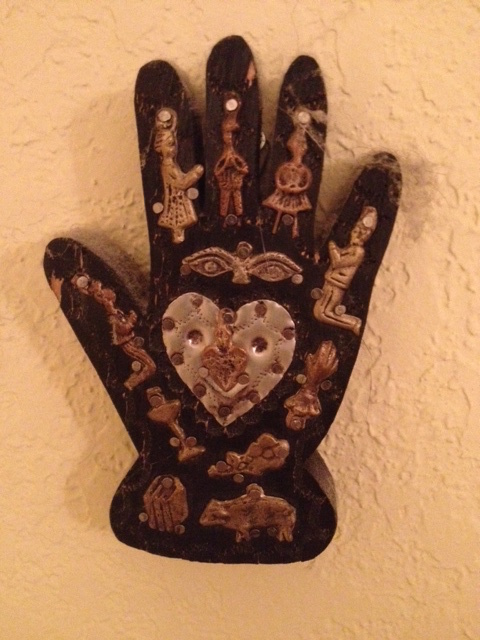
odor and the black hand
on the wall, the
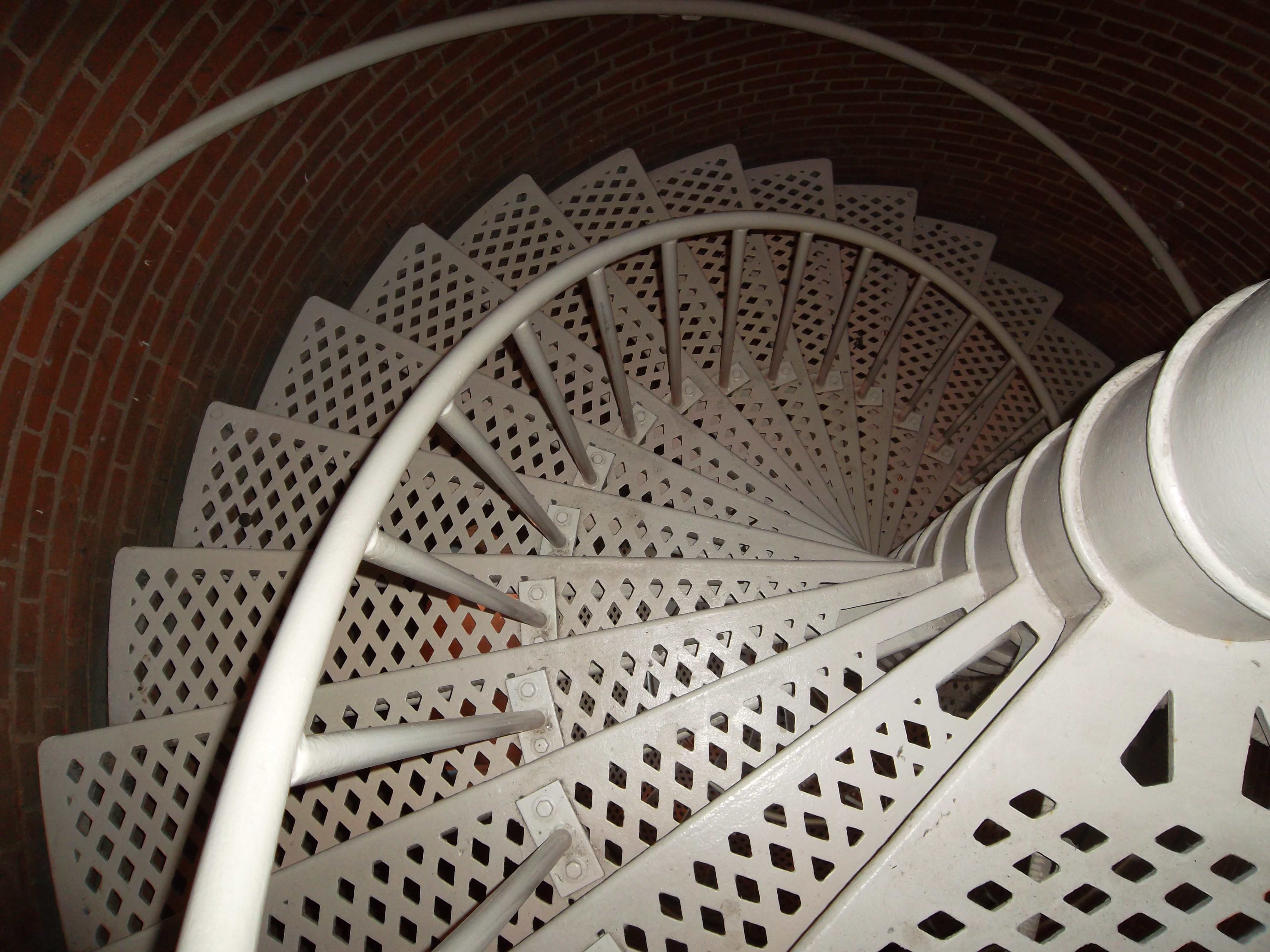
staircase spiraling
upward, resultant desire,
body of lust, this wall, our
doing, the gathered home.
“Painting” first appeared here in December 2015.

Scarecrow Dances
A case of the almost
tapping into the deed:
I dance in daylight,
but never on stairs
nor in countable
patterns, the wind
and birds my only
partners. When the
left arm twitches
counter to the right
hand’s frisk, my
head swivels with
the breeze, catching
my feet in pointe,
a moment endured
in humor. Luther
Robinson switched names
with his brother Bill
and became Bojangles,
but my brothers remain
nameless and silent,
flapping without desire
or intent. Why am I
as I am, born of no
mother, stitched and
stuffed, never nurtured
but left to become this
fluttering entity, thinking,
always thinking, whirling,
flowing rhythmically
in sequence, in time
to unheard music?
No one answers me.
But for now, I dance.

“Scarecrow Dances” first appeared in The Blue Nib in September 2016.
Memorial Day
Arriving at this point
without knowledge of the journey,
the slow collapse and internal
dampening – the shutting down, the closing in – lost
in the shadowed veil, my eyes flutter open to find
everything in its place, yet
altered, as if viewed from a single step
closer at a different height, offering a disturbing
clarity. Looking up, I wonder that she wakes me
from a dream of dogs on this, of all days,
only to detect under me linoleum in place of the bed,
my glasses skewed from the impact,
the floor and left side of my head wet. You looked
like you were reaching for something, she says,
and perhaps I was, though with hand outstretched
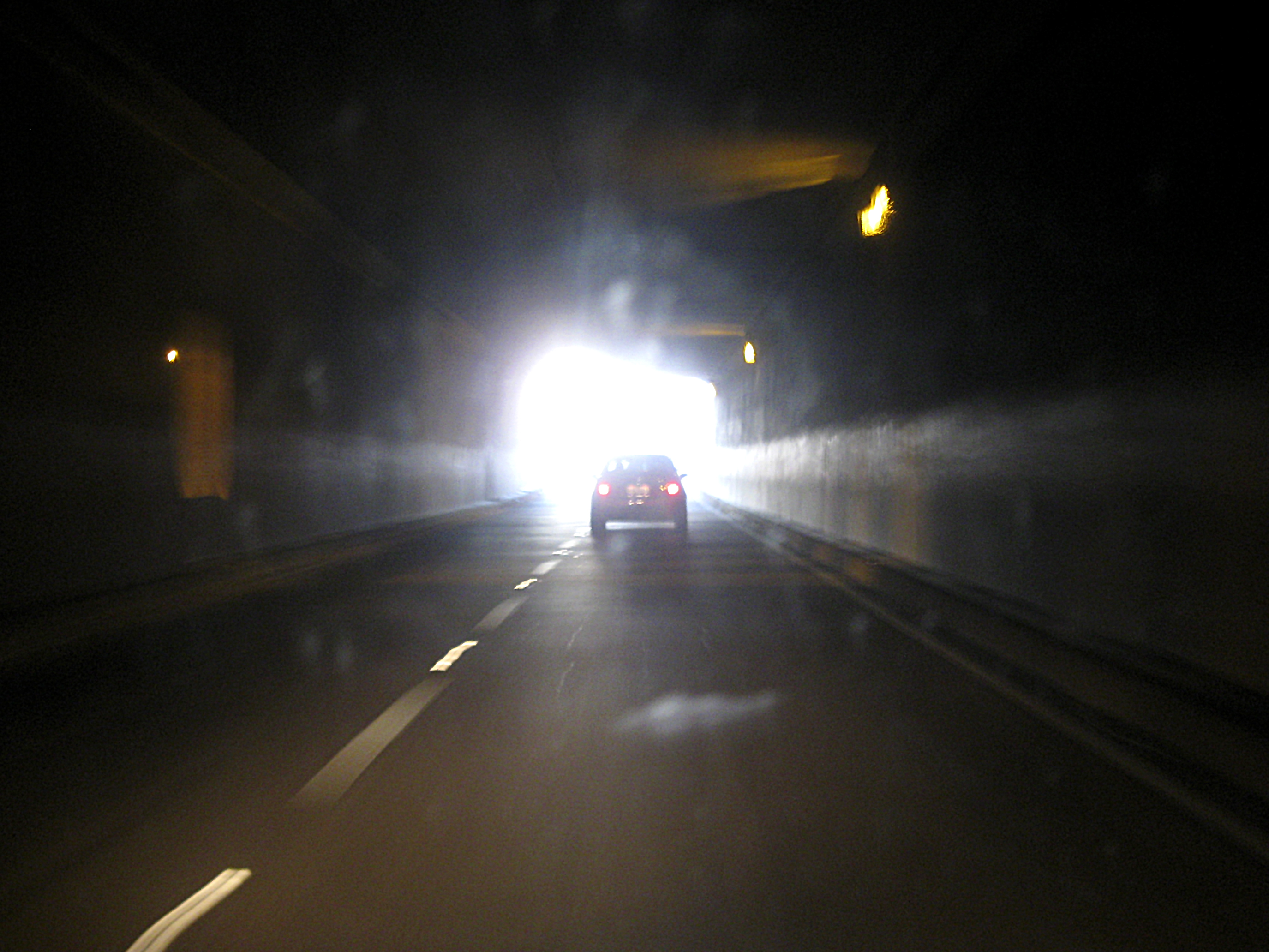
I found nothing to hold but the darkness.
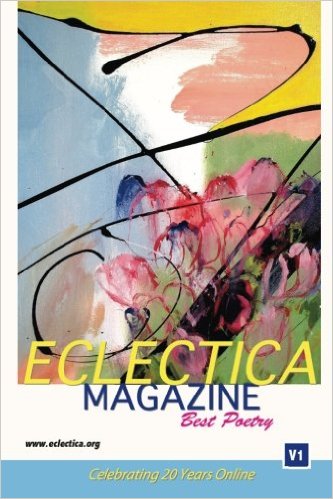
“Memorial Day” was first published in Eclectica in July 2014, and was, much to my delight, subsequently included in Eclectica Magazine’s 20th Anniversary Best Poetry Anthology.

Which is an Eye or a Bowl, a Dream
Or well-placed mirror in a sunburnt room, shivering through shifted
images: that hand, blackened and stout, opened like a dark peony;
the tattooed chin; shovel and torch; hook and owl. You say no one
chooses one fist over another, that bread’s rise completes its cycle
and begins anew, pressed flat and rounded. Take this heart and seal
its chambers. Note the anterior descent. Compression, lesion. Plaque.
Consequence. And your friend, who slept, never to awaken. Lying
in that strange bed, you taste salt, acknowledge change, whisper
to no one: audible house…audible tree, knowing that time’s limit
remains unclear. The air swirls and you accept this new light.
Note: “Audible house…audible tree” is from Jane Hirshfield’s “Not Moving Even One Step,” from The Lives of the Heart.


Portrait in Ash
In summer, sweet crushed ice, and crickets pulsing through the night.
Brake lights, and always the blurred memory of nicotine.
I recall running through the glow, laughing, fingers splayed forward,
and the ensuing sharp admonishment.
Steel, flint and spark. Blackened linings and diminishment.
How many washings must one endure to accept an indelible soiling?
In retrospect, your body still resists.
Lovely smoke uncoiling towards the moon, residue of impurities
and substance. Desire, freed and returning.
You dwell underground. I gaze at the cloud-marred sky.
* * *
“Portrait in Ash” appears in Interval’s Night, a mini-digital chapbook, available for free download from Platypus Press.

Morning Covers You
1
We extract
light, bleeding
it out one
diamond-shaped
hole after
another.
Finger the results.
Remediation
in form
or placement
to best
advantage?
At night
loneliness cradles
our bones.
2
You arrange our bodies to greater effect,
presuming lesser horrors
to be less.
A list emerges.
Refuting one,
accepting another.
Choices fixed.
Ecstasies of failure
purged.
Morning covers you
like a blue
shroud, so pale.
So cold
and bitter.
This originally appeared in Boston Poetry Magazine in April, 2014, and on this blog in October 2015.

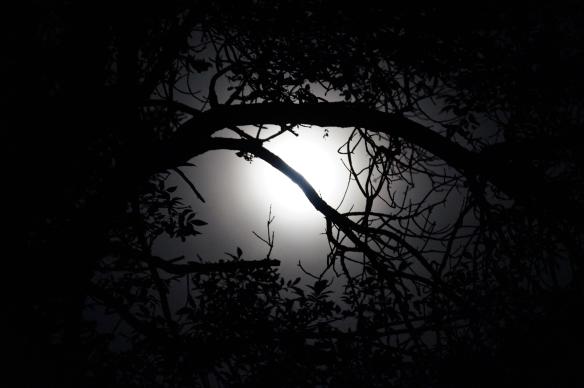
My poem, “I Praise the Moon, Even When She Laughs” has been published in Sourland Mountain Review’s inaugural issue.
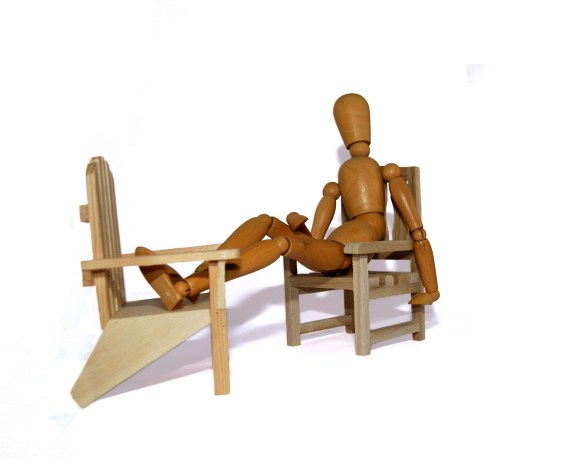
Unwinding
As in a day’s long
thread
or with cold drink
in hand,
glass sweating,
ice
shrinking, a little
sweet,
some salt, her
smile saying
relax, put up
your feet,
I’ll take care
of this,
don’t worry,
tomorrow’s
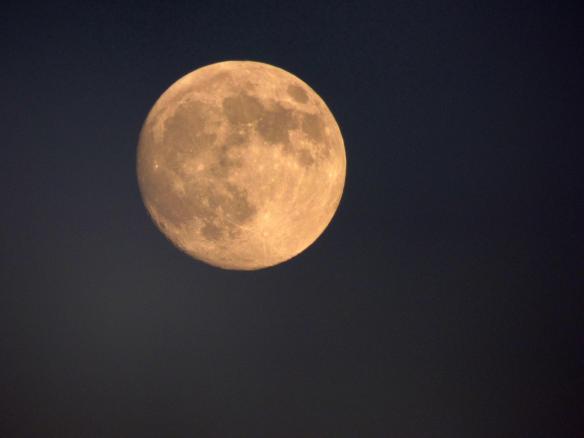
a full moon
away.

My last five posts of 2016 will be reruns of the five most viewed poems on this site during the year. Number three made its appearance here in early June.
Bread
That year we learned the true language of fear.
I baked boule and you haunted medical sites.
You said to arrive I must first depart
or be willing to suffer self-awareness. Let’s not
mention our pact just yet. My basic boule requires a
Dutch oven, 20 ounces of flour, water, yeast and salt.
At twenty I learned the finer points
of sausage-making, how to butcher chicken, and
that your hair smelled like dawn’s last flower.
Back then we owned the night. Now I harvest
wild yeast and sharpen pencils, make to-do lists,
pour Chianti, run numbers. I agreed
to your proposal. It would be a kindness, you said.
The pancreas produces hormones
and aids digestion. I chopped off my left thumbtip
and a year later the abscission point
still felt numb. After rolling the dough
into a ball, let it proof for an hour in an oiled bowl.
We shared a taste for sharp cheese
but never agreed on pillows. You loved
down comforters and found vultures fascinating.
Years together honed our lives
but we never considered what that meant. Score
the dough, bake it for 30 minutes with the lid on,
remove the lid and bake for another 15.
Kneading resembles breathing: in,
out. Rise, fall. Bright lights made your eyes water,
so I kept them dimmed. You swallowed
and said “Tell me how to knead bread.”
With the heel of your right hand, push down
and forward, applying steady pressure.
The dough should move under your hand.
Within minutes it will transform.
* * *
“Bread” was first published in Extract(s) in April 2015.
 O at the Edges