Wasp

wasp

Wasp

Outward, the quest for
space and the wings’

hunger to unfold and
shed this home of dark
flesh and encompassing desire.

And each thing remembered, the broken
sheath, the flowering desert’s return,

reflects the notion of being, of intent
in action and its corollary,

the gift of living through death.

flowers-in-the-desert

Earth

puddle

Earth

Tremor and 
stone

beset upon the calm.

Now water
lines the road’s

bed, and we see
no means to pass.

Even so
you break what falls.

This first appeared in Ijagun Poetry Journal in December 2013, and is also included in my micro-chapbook, You Break What Falls, available (free of charge) for download from the Origami Poems Project: http://www.origamipoems.com/poets/236-robert-okaji


image

Day Thirty-one, Tupelo Press 30/30 Project (last day!)

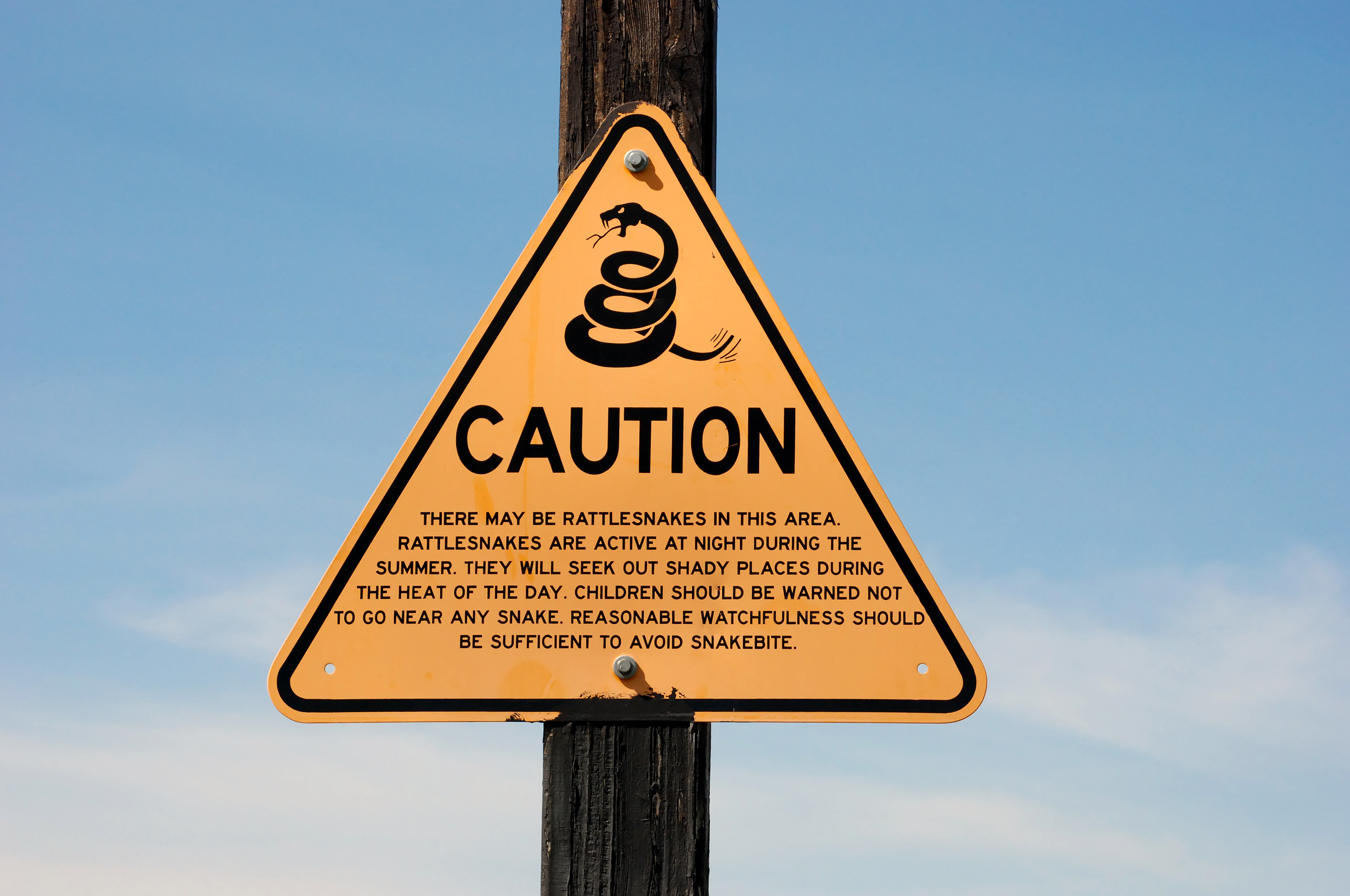
Rattlesnake sign

“Synapses and Other Conjunctions” is my 31st and final offering for the Tupelo Press 30/30 Project (9 poets agreed to write 30 poems apiece in 30 days, to raise funds for Tupelo Press, a non-profit literary publisher). Many thanks to Luanne Castle, who sponsored and provided the title. Since the 30-30 marathon officially ended yesterday, this poem will appear only on this site, and not on the 30-30 site.

Even though my participation in the 30-30 project ends today, please feel free to contribute to Tupelo Press! Every bit helps (even a dollar or two), and I’ve some other sponsorship opportunities, with corresponding incentives, listed here, which I will continue to honor over the next month.

If you’re so inclined, please visit the 30/30 blog at: Donate to Tupelo. Scroll down to “Is this donation in honor of a 30/30 poet?” and select my name, “Robert Okaji,” from the pull down so that Tupelo knows to credit the donation to me. And please let me know so that I may send a thank you and incentive gift your way.

Thank you for your support over the past month. I promise I won’t bombard you with fund raising solicitations anytime in the near future!

Now here’s the poem:

Synapses and Other Conjunctions

My advice? Wear boots, even among the dead.
Our barefoot friend, having separated the rattler’s
head from its body, picked up the six-foot
length to show off, and stepped back onto

***

Day Thirty, Tupelo Press 30/30 Project (last day, sort of)

imbricated

“Pinecone on a Pedestal, Open Poet” is among the Day Thirty offerings of the Tupelo Press 30/30 Project (9 poets have agreed to write 30 poems apiece in 30 days, to raise funds for Tupelo Press, a non-profit literary publisher). Many thanks to Ken G. / rivrlogr who sponsored and provided the title.

Pinecone on a Pedestal, Open Poet

Look deeper. Within that grain, a mineral,
inside that word, a book
folding into itself,
leaf by leaf…

To read the rest of the poem, click here.

Even though today is the last official day of my participation in the 30-30 project, please feel free to contribute to Tupelo Press! Every bit helps (even a dollar or two), and I’ve some other sponsorship opportunities, with corresponding incentives, listed here, which I will continue to honor over the next month.

If you’re so inclined, please visit the 30/30 blog at: Donate to Tupelo. Scroll down to “Is this donation in honor of a 30/30 poet?” and select my name, “Robert Okaji,” from the pull down so that Tupelo knows to credit the donation to me. And please let me know so that I may send a thank you and incentive gift your way.

Thanks to the kindness and generosity of Luanne Castle, I have one final, sponsored title, “Synapses and Other Conjunctions,” which I’ll post here tomorrow.

Thank you for your support! Only one more day to go (again)!

The Trains I Know

file000923469902

The Trains I Know

The trains I know
seek solitude
in darkness,

they wear
wind and cold
with pride,

are never
lonely.
Sometimes they

sing too loud,
or mourn
harshly a

star’s fall, but
they never
deny their

purpose: to
draw between
and connect,

to witness and
serve, to bear
and endure

our unsought
burdens
to the end.

file0001825830910

Curtain

black-curtains

Curtain

Adept at withdrawal, it retreats.
How appropriate, we think,
that its body curls
with the wind’s
tug, offering
only the
slightest
resistance. Then
it returns,
bringing to mind
the habitual offender
whose discomfiture
lies in choice,
the fear
of enclosure
removed. The
forward glance.
And back again,
whispering its
edict: concede, reclaim.
Give and take. We are as one.

file1631251405894

Rice

image

Rice

Yesterday’s rain informs me I’m born of luck and blended
strands, of hope and words forged before a common tongue emerged.

Of my first two languages only one still breathes.

The other manifests in exile, in blurred images and hummed tunes.

Rice is my staple. I eat it without regarding its English etymology,
its transition from Sanskrit to Persian and Greek, to Latin, to French.

Flooding is not mandatory in cultivation, but requires less effort.

Rice contains arsenic, yet I crave its polished grains.

In my monolingual home we still call it gohan, literally cooked rice, or meal.
The kanji character, bei, also means America.

Representing a field, it symbolizes abundance, security, and fertility.

Three rice plants tied with a rope. Many. Life’s foundation.

To understand Japan, look to rice. To appreciate breadth, think gohan.
Humility exemplified: sake consists of rice, water and mold.

The words we shape predicate a communion of aesthetics.

Miscomprehension inhabits consequence.

* * *

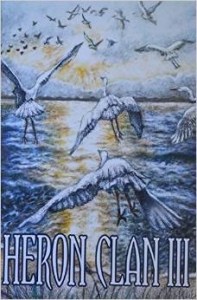
This is one of five of my poems appearing in Heron Clan III, an anthology edited by Edward Lyons and Doug Stuber, and recently published by Katherine James Books, of Chapel Hill, NC. Containing 151 pages of poetry by more than 30 poets.

Available through Amazon: http://www.amazon.com/Poems-Heron-Clan-poetry-anthology/dp/0967385555/ref=sr_1_1?ie=UTF8&qid=1435606564&sr=8-1&keywords=heron+clan+iii
image

Agave

photo(2)
Agave

It might deceive.
Or like a cruel

window, live its life
unopened,

offering a view
yet reserving the taste

for another’s
tongue, ignoring

even the wind.
The roots, as always, look down.

This first appeared in Ijagun Poetry Journal in December 2013, and is also included in my micro-chapbook, You Break What Falls, available for download from the Origami Poems Project: http://www.origamipoems.com/poets/236-robert-okaji

image

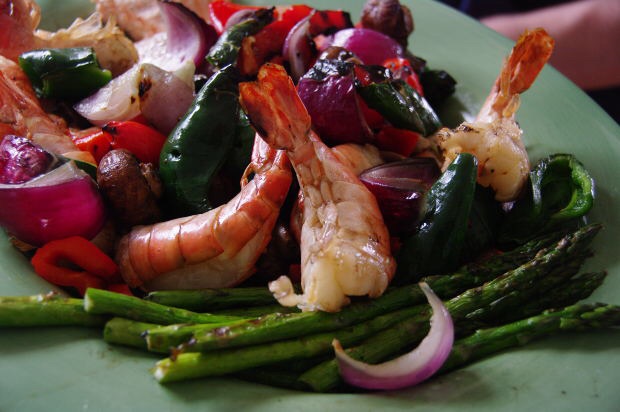
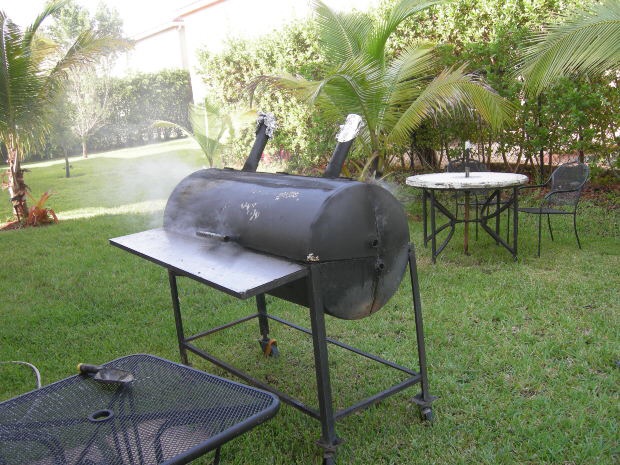
A History of Particles: Ash, Wood, Shrimp

image

A History of Particles: Ash, Wood, Shrimp

Unsettled and predisposed
to flight, they
rise. Or, awaiting the process, receive
the glow as prelude to transformation, a

nocturnal exegesis inscribed in flame
and black swirls. Death in the air,
settling upon us. The bitterest
taste. But how to explain

the tongue’s sweet tremor? And the narrow
margins between the transition

from wood to smoke?
At 250 degrees
their pale shells redden,

become vessels of radiant
heat and its attenuated function,
moisture retained so as

to delay and heighten the
delectable flesh, once freed, become
virtue, become fate

sliding down the throat,
the course of deterioration hastened
and endured in perpetuity.

image

The Simplest Coercion

image

The Simplest Coercion

Each portrait betrays a similar
attraction: faces

swallowed by the artist’s
eye, his sight being

beyond optic, that assumption
inherent in every expression

but one. Yet this, the self-
portrait, reveals a hint

of secrets – an unwillingness
to confront,

the simplest coercion.

image