
Talking with a Poet: Part 3, on Brigit’s Flame
Wherein you’ll find a review of my chapbook, If Your Matter Could Reform, and an invitation to comment, ask questions or share insights on poetry.


Talking with a Poet: Part 3, on Brigit’s Flame
Wherein you’ll find a review of my chapbook, If Your Matter Could Reform, and an invitation to comment, ask questions or share insights on poetry.
Part 2 of My Interview at Brigit’s Flame
The Brigit’s Flame Writing Community has an interview/chat with me on their site:
Feel free to post questions or comments there.
An excellent hangout for writers, Brigit’s Flame members offer tips, feedback, contests and best of all, support, to writers in all stages of their careers. Please visit!
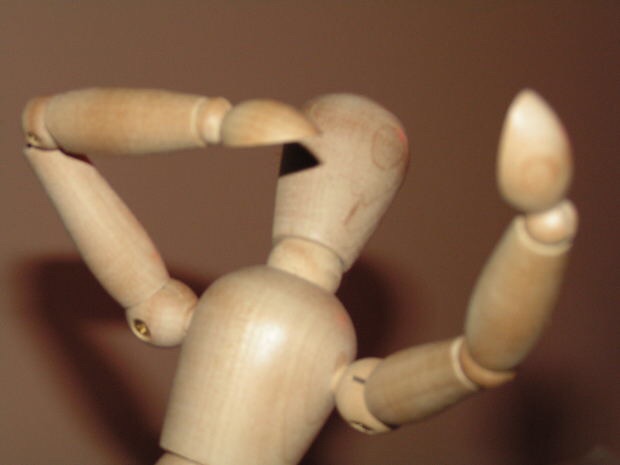
I felt like this before the reading, but loosened up a bit and enjoyed it. I read ten poems, five from my chapbook, If Your Matter Could Reform, three unpublished pieces, and two that have appeared or are about to appear in publications.
The recording may be found on the Malvern Books YouTube Channel: https://www.youtube.com/watch?v=DmPg_0W0oNw
And please take the time to view Chip Dameron’s reading. He’s a fine poet, very engaging.
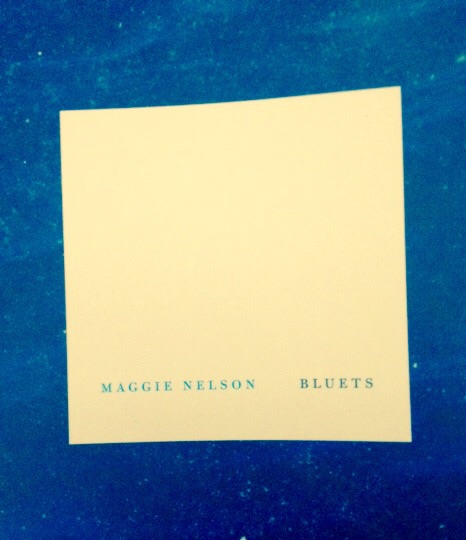
Bluets by Maggie Nelson
Neither poetry nor prose, existing between but transforming both, Maggie Nelson’s Bluets astounds in its generosity of detail, insight and compelling language. Love, injury, art, failure, truth, loneliness, sex and the color blue in all its shades and moods permeate this work. Read it now. You have waited long enough!
Published by Wave Books: http://www.wavepoetry.com/

Leigh Ward-Smith has been kind enough to post a review of my chapbook on her site, Leigh’s Wordsmithery: https://leighswordsmithery.wordpress.com/2015/04/15/poetry-review-robert-okaji-if-your-matter-could-reform/

Thinking of Li Po at Sky’s End (after Tu Fu)
Cold wind rises at the sky’s end.
What does he consider?
And when will the geese arrive?
The rivers and lakes are full this autumn
but poets’ fates are seldom pleasant.
Demons love to see us fail.
Let’s think of dead Ch’u Yuan
and offer poems to the river.
The transliteration on Chinesepoems.com reads:
Thinking of Li Po at the End of the Sky
Cold wind rise sky end
Gentleman thought resemble what?
Goose what time come?
River lake autumn water much
Literature hate fate eminent
Demons happy people failure
Respond together wronged person language
Throw poems give Miluo
According to the notes at Chinesepoems.com, the wild goose is a symbol of autumn, letters and travellers in difficulties. The wronged person is Qu Yuan, a poet of the fourth century BC who drowned himself in the Miluo river – another exiled poet later threw some verses into the river as an offering to him.


Parting from Wang Wei (after Meng Haoran)
These quiet days are ending
and now I must leave.
I miss my home’s fragrant grasses
but will grieve at parting – we’ve
eased each other’s burdens on this road.
True friends are scarce in life.
I should just stay there alone, forever
behind the closed gate.
The transliteration on Chinese-poems.com reads:
Quiet end what wait
Day day must go return
Wish seek fragrant grass go
Grieve with old friend separated
On road who mutual help
Understanding friend life this scarce
Only should observe solitude
Again close native area door


Matt Larrimore, editor of Four Ties Lit Review, interviews me:
http://fourtieslitreview.com/home/interviews/interview-with-robert-okaji/

Earth’s Damp Mound
for P.M.
I. February 1998.
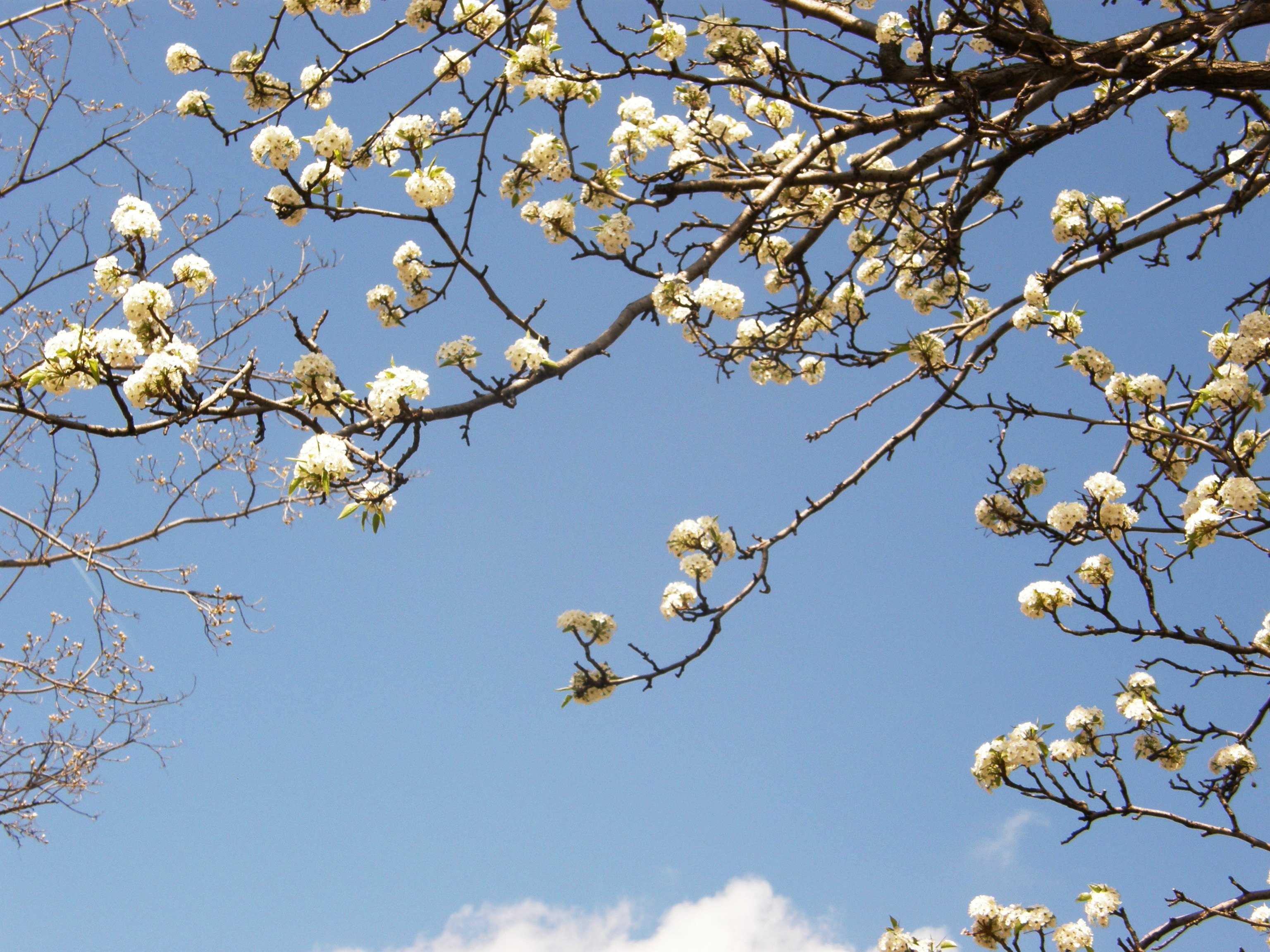
That week it rained white petals
and loss completed its
turn, the words finding themselves
alone, without measure,
without force, and no body to compare.
Though strangers spoke I could not.
Is this destiny, an unopened
mouth filled with
pebbles, a pear tree
deflowered by the wind? The earth’s
damp mound settles among your bones.
II. Count the Almonds
What bitterness
preserves your sleep,
reflects the eye’s
task along the inward thread?
Not the unspoken, but the unsayable.
Curious path, curious seed.
A shadow separates
to join another, and in the darker
frame carries the uncertain
further, past silence, past touch,
leaving its hunger alert and unfed,
allowing us our own protections.
III. The Bowl of Flowering Shadows
Reconciled, and of particular
grace, they lean, placing emphasis on balance,
on layer and focus, on depth of angle
absorbing the elegant darkness,
a lip, an upturned glance, the mirror.
What light caresses, it may destroy.
Even the frailest may alter intent.
So which, of all those you might recall,
if your matter could reform
and place you back into yourself,
would you choose? Forgive me
my selfishness, but I must know.
IV. Requiem
Then, you said, the art of nothingness
requires nothing more
than your greatest effort.
And how, seeing yours, could we,
the remaining, reclaim our
space without encroaching on what
you’ve left? One eye closes, then
the other. One mouth moves and another
speaks. One hears, one listens, the eternal
continuation. Rest, my friend. After.
Prentiss Moore influenced my reading and writing more than he ever realized. We spent many hours talking, eating, arguing, drinking, laughing. Always laughing – he had one of those all-encompassing laughs that invited the world to join in. And it frequently did. Through Prentiss I met in person one of my literary heroes, Gustaf Sobin, whose work Prentiss had of course introduced me to. Those few hours spent with the two of them driving around in my pickup truck, discussing poetry, the Texas landscape, horticulture and the vagaries of the publishing world, are hours I’ll always hold close.
Earth’s Damp Mound first appeared in the anthology Terra Firma.
 O at the Edges