Scarecrow Takes a Holiday

Scarecrow Takes a Holiday

Having neither organs nor neural impulses,
I no longer ask why or how I hear and smell,
taste and see, feel. This morning I woke
to magpie song and onion breeze, in
a body not mine, yet mine, at peace
on Jeju Island, far from my crows, yet
still among friends singing the same
language. I know this: home lives
within, and no matter where we travel,
it rides with us. Like the man who
spoke to me, bald, bearded, a pale
foreigner in this land, comfortable
here, at home. He listened for my reply,
but unfortunately I’d not been given
a mouth, and my words dropped to the
ground and were rolled away by
beetles before he noticed them.
Perhaps I should have written a note,
but he wished to gamble and how
could I refuse? I am hollow, but not
empty, whole, yet not complete,
away but here. He took a coin
from his pocket, flipped it. I saw…

A response to Daniel Paul Marshall’s “Scarecrow Travels (after Robert Okaji)”
Recording of My Poem “His Softness”

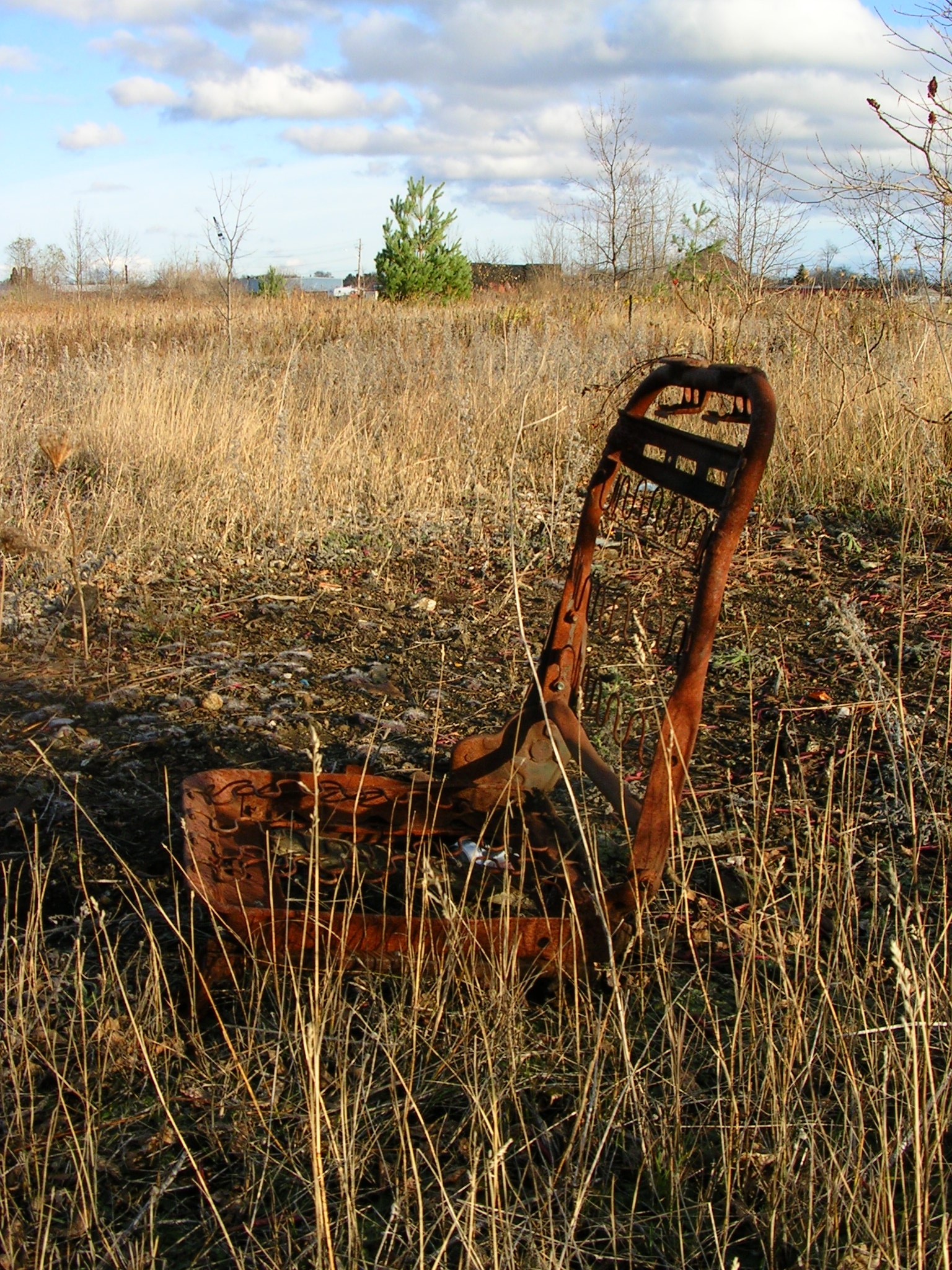
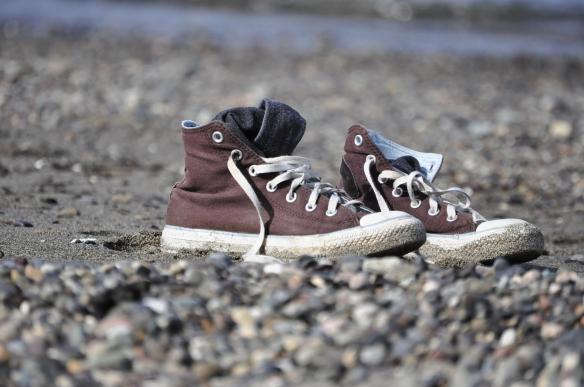
shoes

His Softness

What name would survive
had you not stepped into the water

that day? Memory assigned
a separate word, another given,

and the face I’d placed with you
appeared in front of me

fifteen years later, in another
setting, miles away

and still breathing. How
may I honor you

if not by name? I recall
the gray ocean and how

umbrellas struggled in
the wind, and reading

in the weekly newspaper
a month after

that you had never emerged.
Now your name still lies there,

somewhere, under the surface,
unattached yet moving with

the current, and I,
no matter how I strain,

can’t grab it. Time after time,
it slips away. Just slips away.

.* * *

“His Softness” was published in January 2016 in the inaugural edition of MockingHeart Review, and reappeared here in July 2016.

To the Lovely Green Beetles Who Carried My Notes into the Afternoon

To the Lovely Green Beetles Who Carried My Notes into the Afternoon

Such beauty should not be bound,
thus I tied loose knots,

knowing you would slip free
and shed my words

as they were meant,
across browned lawns,

just over the cedar fence
or at the curb’s edge,

never to be assembled,
and better for it.

* * *

This appeared in riverSedge Volume 29, Issue 1, released in October 2016. I first encountered riverSedge in 1983, and vowed that one day my poetry would be published in this journal. It took a while…

Apricot House (after Wang Wei)

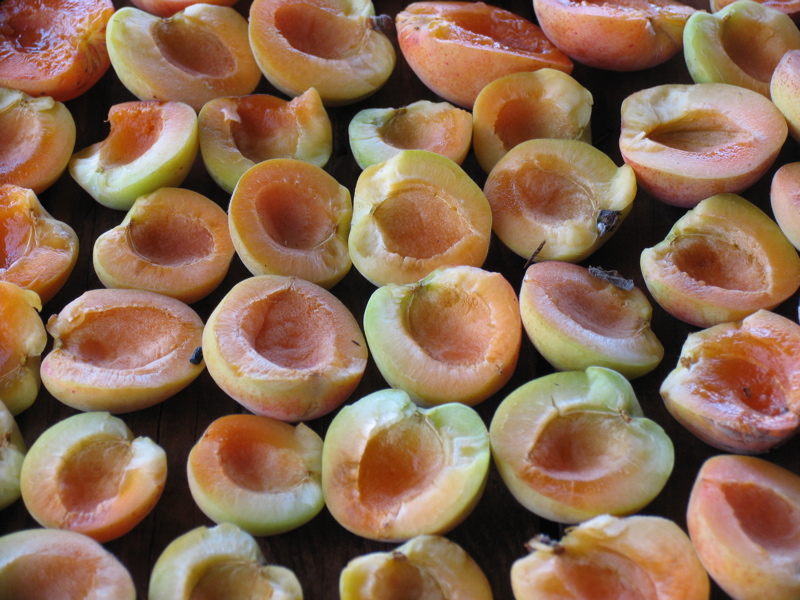
file000532973761

Apricot House (after Wang Wei)

We cut the finest apricot for roof beams
and braided fragrant grasses over them.

I wonder if clouds might form there
and rain upon this world?

The transliteration on Chinese-poems.com reads:

Fine apricot cut for roofbeam
Fragrant cogongrass tie for eaves
Not know ridgepole in cloud
Go make people among rain

Each adaptation poses its challenges, and this one was certainly no exception.
First I identified key words and determined how or whether to use them.
Apricot, roofbeam, cogongrass, eaves, ridgepole, cloud, people, rain.

Apricot was a given. It offered specificity, and feels lovely in the mouth. Roof beams, as well. Cogongrass didn’t make the cut. It is indeed used for thatched roofs in southeast Asia, but it felt clumsy; in this case, the specificity it lent detracted from my reading. And rather than use “thatched” I chose “braided” to imply the layered effect of thatching, and to imply movement, to mesh with and support the idea of clouds forming and drifting under the roof. “Not know” posed a question: did it mean ignorance or simply being unaware, or perhaps a state of wonderment? I first employed “unaware” but thought it took the poem in a different direction than Wang Wei intended (but who knows?). “Ridgepole” seemed unnecessary. So I chose to let the reader follow the unsaid – using “form there” to reinforce the impression already shaped by the roof beams and the grasses “over them.” I admit to some trepidation over the second couplet. It may still need work.

clouds

“Apricot House” first appeared here in December 2014.

Rice

image

Rice

Yesterday’s rain informs me I’m born of luck and blended
strands, of hope and words forged before a common tongue emerged.

Of my first two languages only one still breathes.

The other manifests in exile, in blurred images and hummed tunes.

Rice is my staple. I eat it without regarding its English etymology,
its transition from Sanskrit to Persian and Greek, to Latin, to French.

Flooding is not mandatory in cultivation, but requires less effort.

Rice contains arsenic, yet I crave its polished grains.

In my monolingual home we still call it gohan, literally cooked rice, or meal.
The kanji character, bei, also means America.

Representing a field, it symbolizes abundance, security, and fertility.

Three rice plants tied with a rope. Many. Life’s foundation.

To understand Japan, look to rice. To appreciate breadth, think gohan.
Humility exemplified: sake consists of rice, water and mold.

The words we shape predicate a communion of aesthetics.

Miscomprehension inhabits consequence.

* * *

“Rice” appeared here in June 2015, and in my chapbook, The Circumference of Other, which is included in Ides, a one-volume collection of fifteen chapbooks published by Silver Birch Press and available on Amazon.com.

image

A History of Particles: Ash, Wood, Shrimp

image

A History of Particles: Ash, Wood, Shrimp

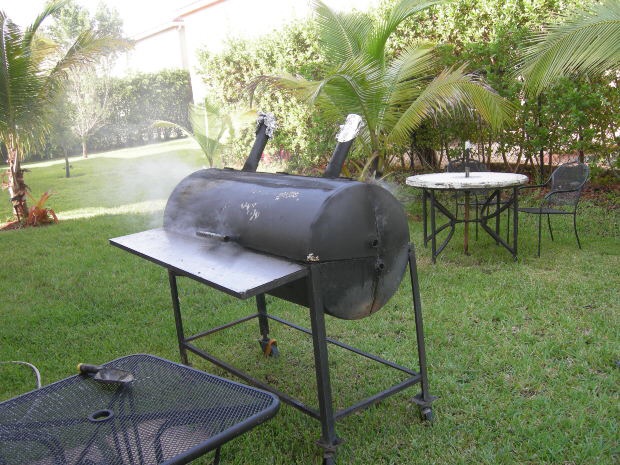
Unsettled and predisposed
to flight, they
rise. Or, awaiting the process, receive
the glow as prelude to transformation, a

nocturnal exegesis inscribed in flame
and black swirls. Death in the air,
settling upon us. The bitterest
taste. But how to explain

the tongue’s sweet tremor? And the narrow
margins between the transition

from wood to smoke?
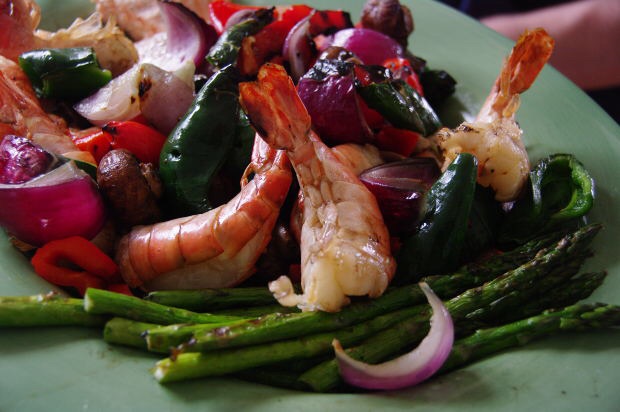
At 250 degrees
their pale shells redden,

become vessels of radiant
heat and its attenuated function,
moisture retained so as

to delay and heighten the
delectable flesh, once freed, become
virtue, become fate

sliding down the throat,
the course of deterioration hastened
and endured in perpetuity.

image

This first appeared on the blog in June 2015.

Day 20 Poem of the May 30/30 Challenge is up at Tupelo Press!

Support poetry! Support poets!

My friend Stephanie Harper has been hammering out daily poems for this month’s Tupelo Press 30-30 Challenge, in an effort to raise funds for one of the country’s best literary presses. Please show your support by reading her efforts and/or donating to the cause, if at all possible. Stephanie’s offering some fun incentives!

stephanielharper's avatarSLHARPERPOETRY

Belladonna

Les Belladones sans Merci

What ails you, Keyboard Warrior,
alone & typing in your room?
No nightshades blossom on my screen
     to face our doom…

What ails you, Keyboard Warrior,
with swollen eyes & bearing rough?
That tawny succor in your mug
won’t be enough…

Continue reading here!

Facebook flower

View original post

Scarecrow Contemplates Pi

 Scarecrow Contemplates Pi

At the moment you snipped away
my reticence, I spoke so eloquently
that even the stones wept at your
indifference. As you arranged my
pose and buttoned the shirt
around the wire and fodder
replenishing my torso, I understood
your roots and mine should never
merge: transcendental, and in
collusion with the irrational, we
circles cannot be squared. And
how must I reconcile my unheard
words? The longer I speak the
greater their magnitude – a balloon
expanding in volume retains its
ratio – one day my words will sift
through your filters and you will
at last receive them. I pull this
particular comfort close – that
patterns and frequencies and
tendencies become law, that the
fleshless and soulless, the mute
and misunderstood, the powerless,
the different, nevertheless will be
heard. But what of love? How may I
contend to feel, to know that which
is your right? A nervous system
conducts electrical and chemical
impulses, yet lacking these, my
coreless heart sags at the thought
of your departure. I am no man.
Is this truly not enough?

“Scarecrow Contemplates Pi” first appeared with two companion pieces in Eclectica in summer 2016.

Optimal Daily Word Count

I reread Mek’s fascinating post on the optimal daily word count. It’s more pointed to prose writers, but relevant to poets, too.

10000hoursleft's avatarWork in Progress

photo of a stack of magnetic poetry words to illustrate story on optimal daily word quota for a writer Photo by Steve Johnson

The habits of famous writers are a source of fascination and perhaps inspiration for book lovers and aspiring writers: aesthetics of their writing retreat; curios in their space; rituals performed before sitting down to work; writing tools; and, perhaps ‘easiest’ for the aspiring writer to replicate: their daily word quota.

Should we follow Michael Crichton’s gruelling 10,000 words per day, or keep it easy breezy at Ernest Hemingway’s 500?

To answer this question, I looked at available data on 39 famous writers and drew inferences on:

– Relationship between daily word quota and rewards

– Gender influence on daily word quota and rewards

– Perceived value of effort and output, and its influence on the writer’s psyche

– Optimal daily word count

View original post 1,790 more words