
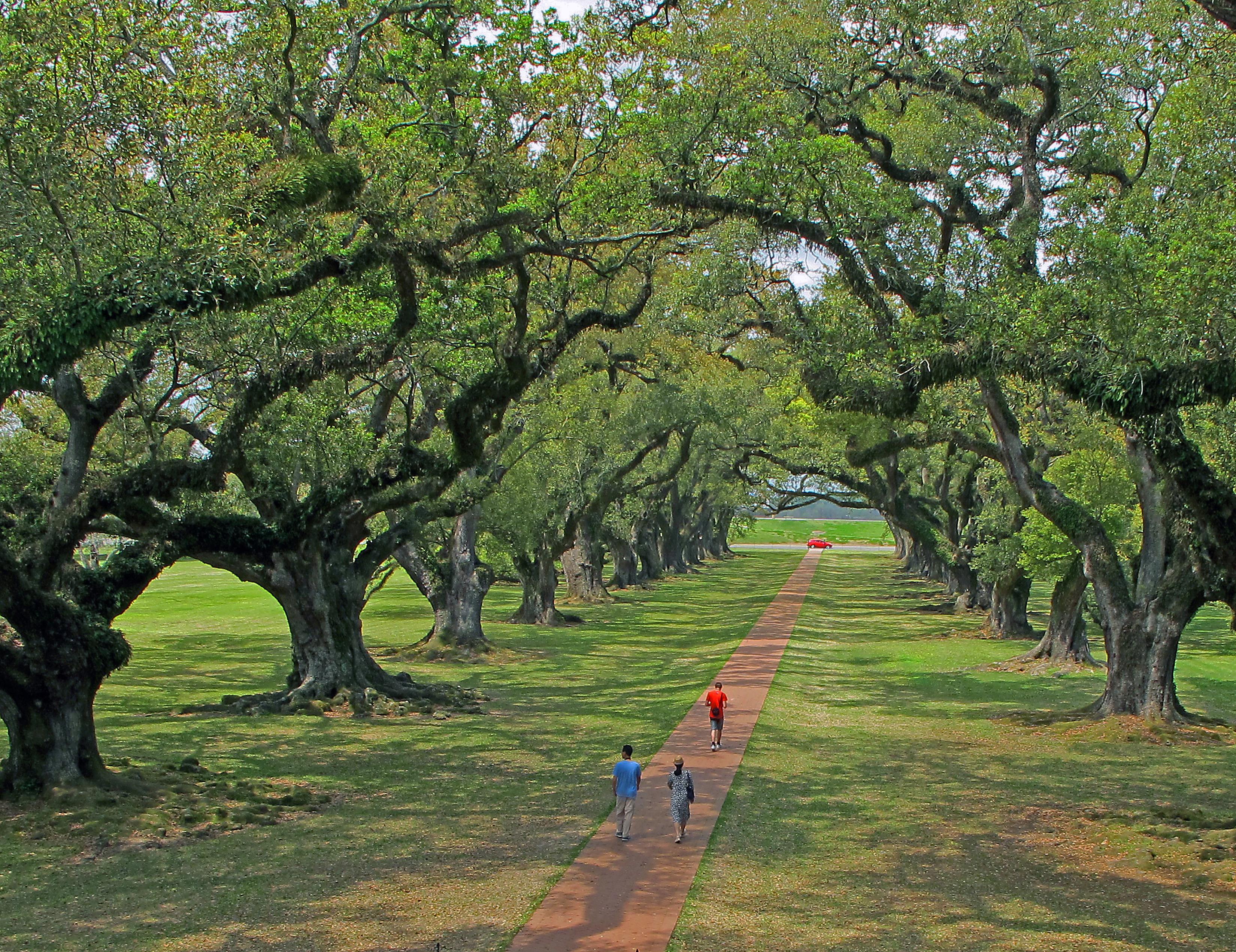
Tree
where you go
the wind follows
as if no
choice remains but
that of sun
and oak an
attraction such that
limbs curve to
light a certainty
which cautions us
to intrude lest
we lose all
sight and sense
of beauty you
are this tree

Tree
where you go
the wind follows
as if no
choice remains but
that of sun
and oak an
attraction such that
limbs curve to
light a certainty
which cautions us
to intrude lest
we lose all
sight and sense
of beauty you
are this tree

Sheng-yu’s Lament (after Mei Yao-ch’en)
First heaven took my wife,
and now, my son.
These eyes will never dry
and my heart slowly turns to ash.
Rain seeps far into the earth
like a pearl dropped into the sea.
Swim deep and you’ll see the pearl,
dig in the earth and you’ll find water.
But when people return to the source,
we know they’re gone forever.
I touch my empty chest and ask, who
is that withered ghost in the mirror?
The transliteration on Chinese-poems.com reads:
Heaven already take my wife
Again again take my son
Two eyes although not dry
(Disc) heart will want die
Rain fall enter earth in
Pearl sink enter sea deep
Enter sea can seek pearl
Dig earth can see water
Only person return source below
Through the ages know self (yes)
Touch breast now ask who
Emaciated mirror in ghost
Hummingbird (3)
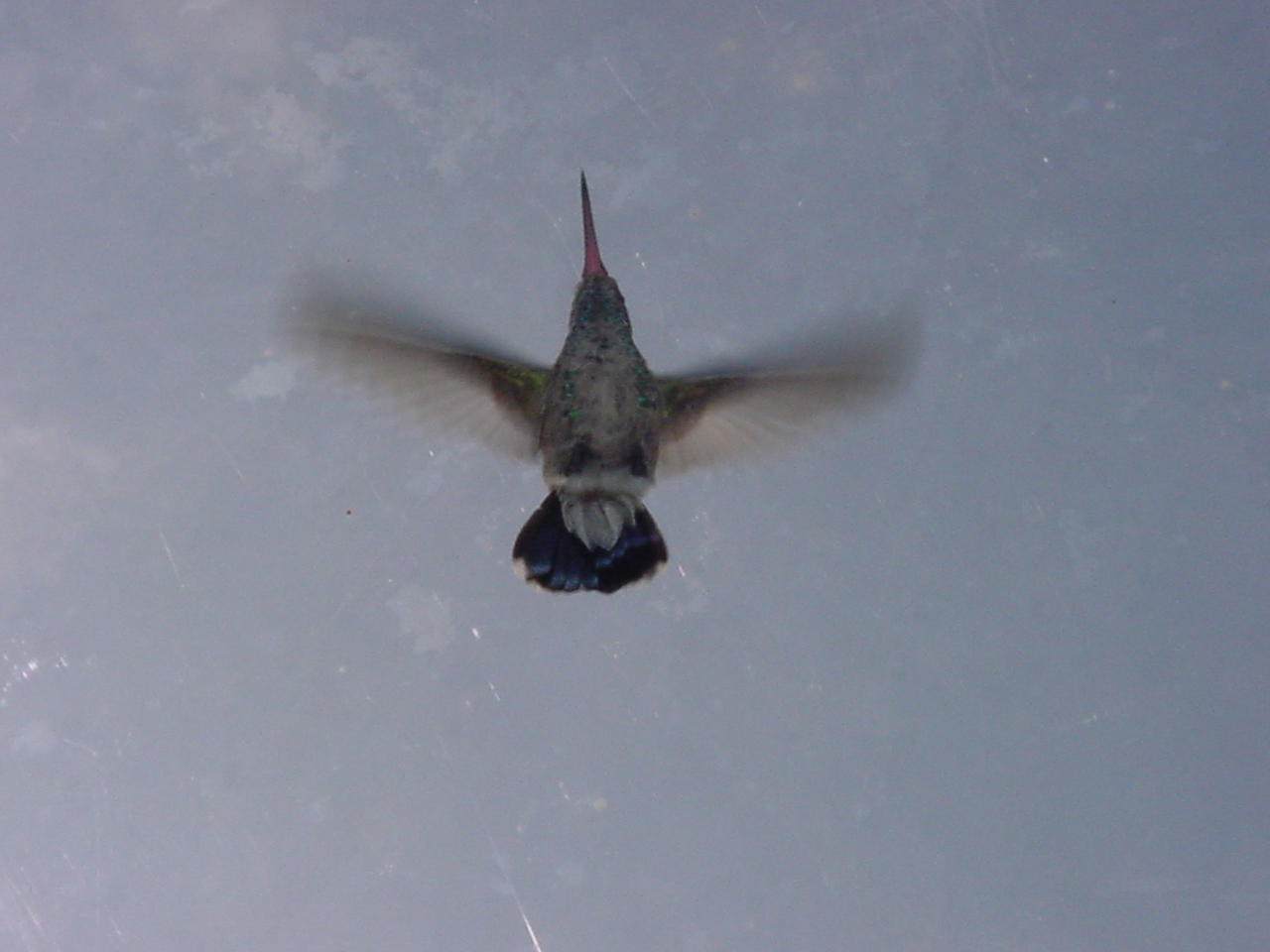
Arriving from nowhere,
its mouth opens
but what escapes
comes not from within
and is never complete.
Words, too, falter
in this space,
struggling to remain
aloft, challenged yet free,
an exchange
between air and wing,
of sound and thought,
occurring as it must
without design
or desire, simply
there, then gone,
a presence one notices
in its absence.

Landscape
Utterance
within the parameters set
by form
expressionless
save motion
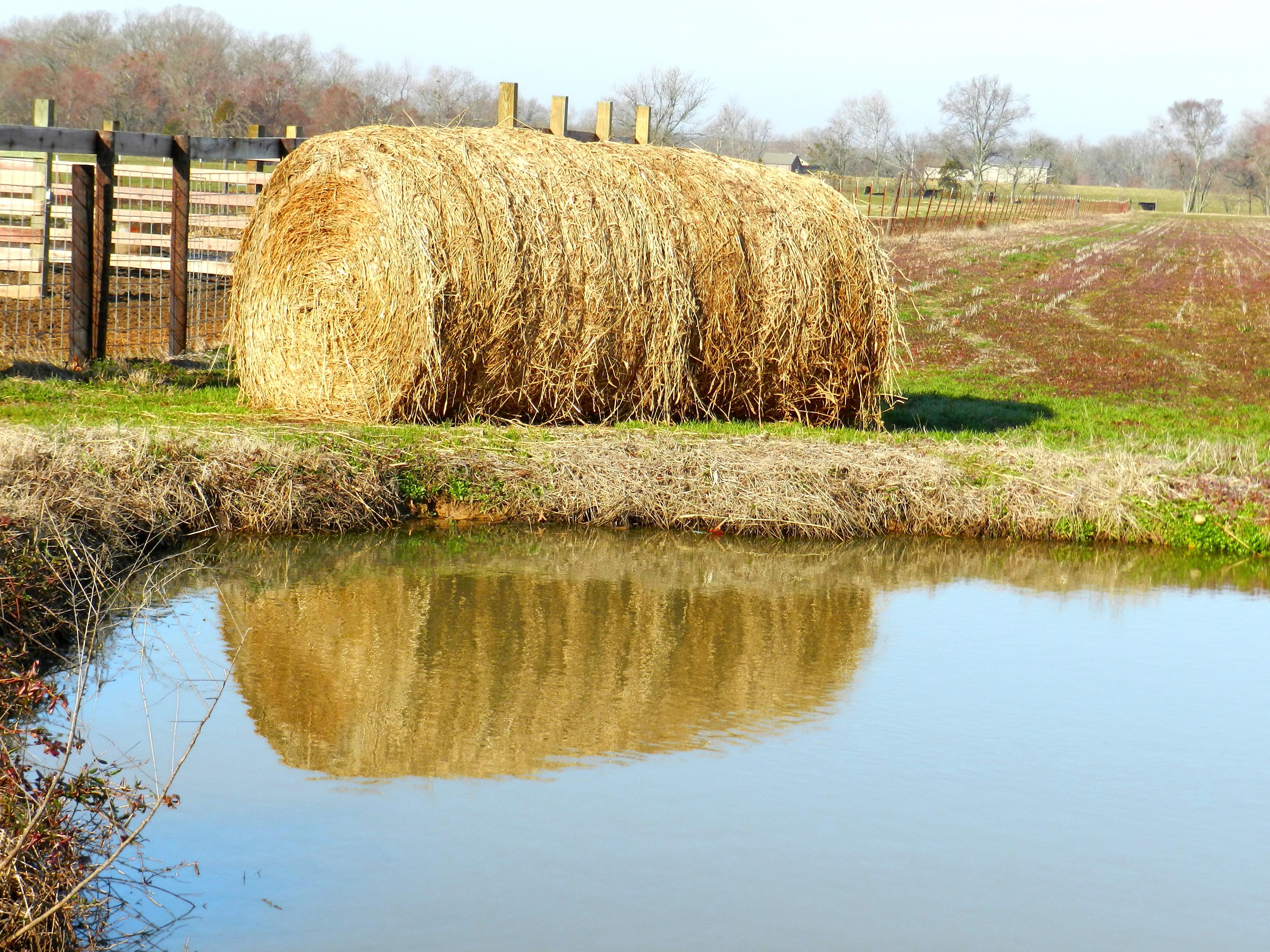
the lone branch
brought to the fore
and in the distance
stock ponds collecting rain
the word is
forget, as in the imperative
as in function, as in
you must have
If We Burn
What flares instead to replace our
privileged nights? And which
assemblage of words could reorder these
deaths into comprehension,
change I can’t breathe from epitaph
to actuated plea for help?
Are words ever enough?
Can we stack our indifference and fear
into a mile-high pyre, and torching it
watch them rise to nothingness,
disappearing through the clouds
into the streaming light of cold, dark stars?
Raise your hands and sing. Blow softly
upon the ember. Inhale and recall.
Do you still feel? Will you breathe?
Every fire needs oxygen.

Hummingbird
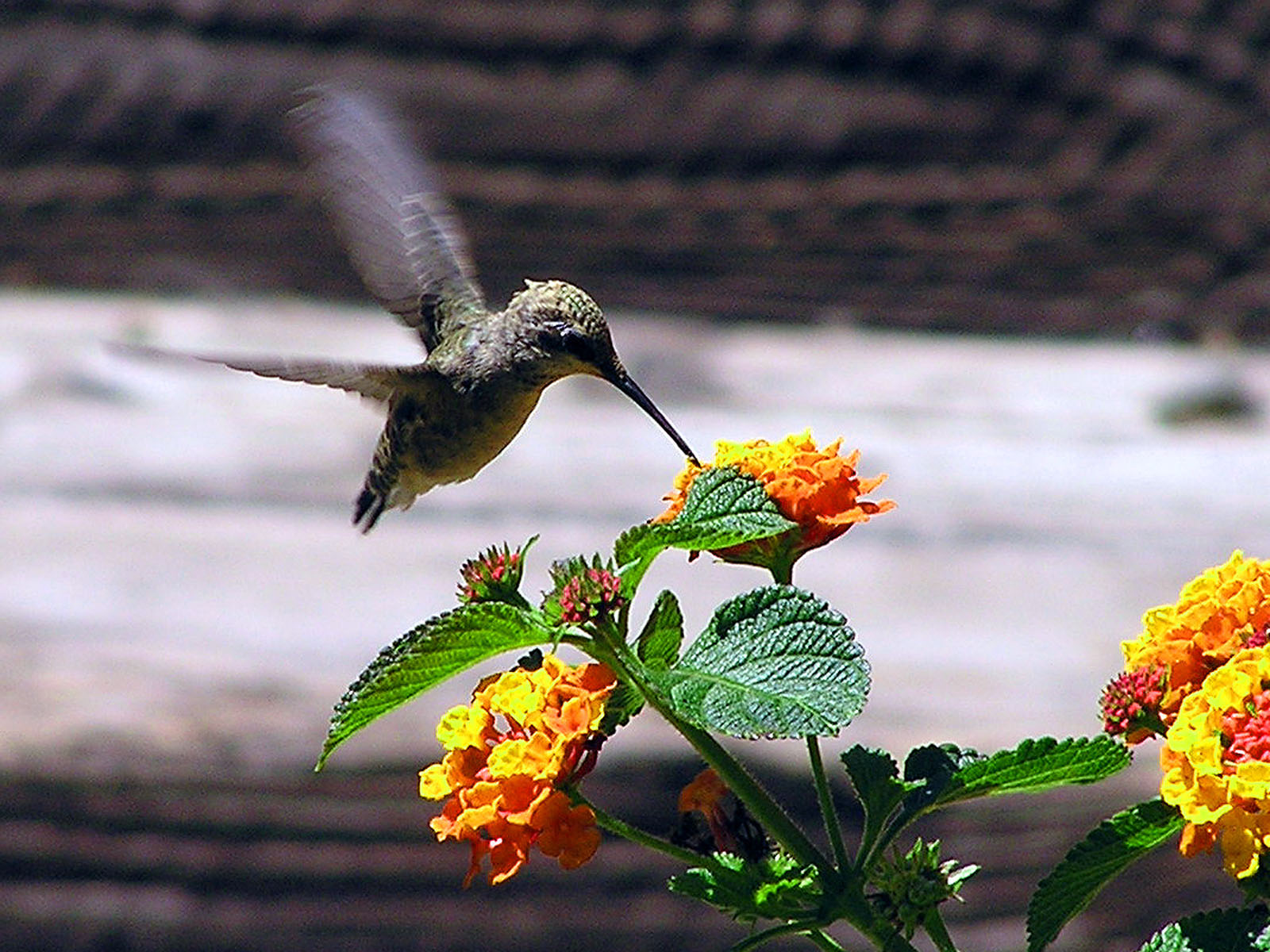
The thought makes
trembling so
incomplete, a consequence
of knowledge attained. I look out
and see leaves flitting in the dusk,
the air closing around them
like the mouth of an old well
swallowing light. Such
hunger we find difficult
to comprehend. The wind shivers
through our lives and repeats itself,
though differently each time.
Every departure is a return.

Apricot House (after Wang Wei)
We cut the finest apricot for roof beams
and braided fragrant grasses over them.
I wonder if clouds might form there
and rain upon this world?
The transliteration on Chinese-poems.com reads:
Fine apricot cut for roofbeam
Fragrant cogongrass tie for eaves
Not know ridgepole in cloud
Go make people among rain

Night Smoke
Incomplete, it rises
only to dissipate
like the griefs we shape,
somehow unnoticed,
beyond reach but felt.
Last night’s moon, the glance.
Forgotten stars, a withheld
kiss, words we never formed.
How difficult to be lost.
So easy to remain unseen.


This was one of my first posts, from just over a year ago. Thought I’d give it another whirl – it originally appeared in 1986, in SPSM&H, a publication devoted to sonnets. It’s interesting to look my writing from this period. Some pieces seem to have been written by a stranger, long ago and far, far away. This one somehow seems closer.
Apricot Wood
I built a frame of apricot
wood. This was for you. The clouds float
through it even as I sleep. You wrote
once of wild herbs gathered and brought
to a lovely girl, an offering not
of passion but of some remote
desire to hear a word from the throat
of the Lord Within Clouds. I thought
of this as I chiseled the wood.
Last night it rained. I listened to
it from my bed by the open
window, hoping that the clouds would
not leave. This morning two birds flew
by. It is raining again.

The transliteration on Chinese-poems.com reads:
Spring sleep not wake dawn
Everywhere hear cry bird
Night come wind rain sound
Flower fall know how many

 O at the Edges