While Blowing on the Shakuhachi I Think of Birds

While Blowing on the Shakuhachi, I Think of Birds

Yesterday’s sorrow
dissipates in joy.
Though you are not here, I hear your voice,

blow a solitary note in response.
Your philosopher bird carries it to you,
two-thousand miles away,
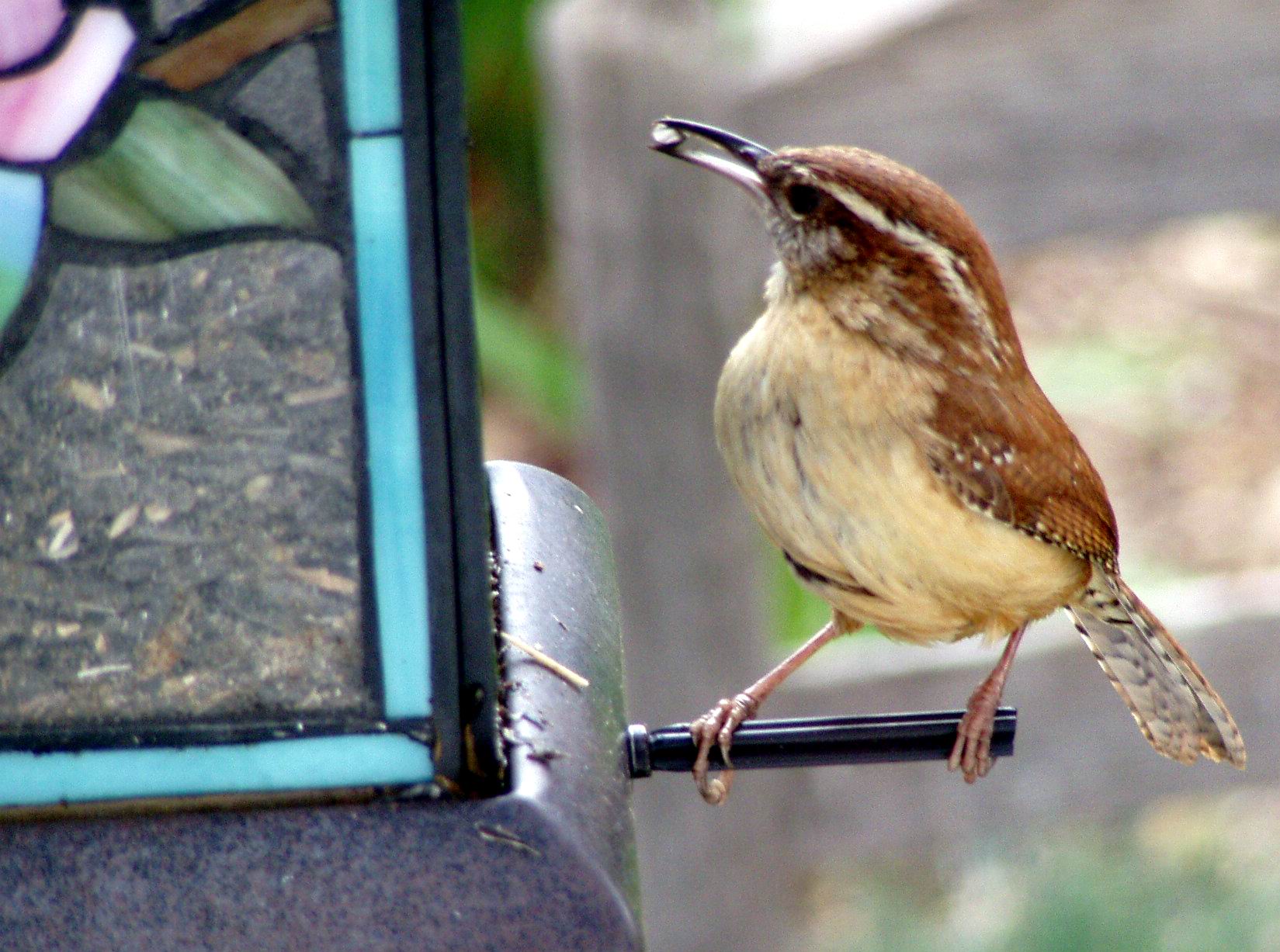
as the wren brings your song to me.

This is love today
and tomorrow, 
embodied in birdsong and faith.

Next week I will know your touch
as you will mine.

We’ll follow our lists,
starting with lips, while the universe
surges around us, filling the voids we never saw.

Needs, answered.

Perhaps the world will end.

Perhaps the red-tailed hawk will follow its nature.

Perhaps I will stand on the roof and shout your name.

But today, this little bird nesting in all the unsaid spaces,
is all I have, little mouth flickering, forming moons and

new mornings, new shadows, new light.

* * *

“While Blowing on the Shakuhachi I Think of Birds” first appeared in Voices de la Luna in March 2020.

In Gathering Light

In Gathering Light

1

I sit in darkness
my back to the words
gouged in stone

and wonder what
phrase the stars will
utter tonight,

what wisdom
one finds in dreams

or the widening circles
of the hole that was
there
in water,

in earth, in the common tongue
of all things.

The tree speaks
a different language.
I hear

whispers, a bone-flute’s
whistle, the sound of metal
striking dirt striking

wood,
but nothing, no words
I can gather.

2

I have lost my shadow
among the weeds
of this place.

Somewhere
it wanders,

a thin, grey shape
waiting for light to give birth

to the blackness
I call friend,

itself, shadow.
My fingertips trace
the lines, hoping

to draw something
from the stone –
an unknown word,

the druid’s
small bag of dreams,
the lyrics of the stars.

* * *

Another poem, another artifact from the mid-80s, rediscovered last year.

Self-Portrait as Window

window

Self-Portrait as Window

When you look through me
which darkness illuminates
your vision, outlining the
ghosts of never was and not
yet? Or do your eyes glare
back in silent terror, knowing
the power of liquid made
solid, of light transformed to
electricity and by inference
these words or the shades
drawn by voice command?
Transparent, elusive, evident,
I stand alone, clear. Hidden.

“Self-Portrait as Window” first appeared in The Dew Drop in November 2020.

I Feel the Wind

I Feel the Wind

When evening’s gloom thickens I
rest before your heat. What have
we learned, I ask. Have you heard
via gases weaving their hisses in
your shuddering logs stories of the
people whose bruised voices
no longer register? The burl of
discontent ashes over in the
same way: I feel the wind
but cannot see it. I see the
circumstance but those voices
have felt the brass fists of
memory’s sins. I am my
brother’s keeper, bereft and dim,
starved, lonely. Broken, killed
yet breathing, I await the children.

* * *

“I Feel the Wind” first appeared at The Literary NestIt is a golden shovel poem, a form created by Terrance Hayes, which uses a line (or more) from an existing poem. Each word in the line is used as the end word in a new poem. Thus if you use a ten-word line, the poem will consist of ten lines. You might read this article to learn more about the form.

The source for this piece was “The Mother” by Gwendolyn Brooks. The great Ruby Dee recites it on YouTube. Her vocal performance is stunning!

Poem Up at Flying Island Literary Journal

gravefog


My poem “The Flicker” is live at Flying Island Literary Journal. I am grateful to editor Mary M. Brown for accepting this piece.


Boxcar

boxcars


Boxcar

Whose voice lingers
among the gathered stones,

raised then lowered as if
to ensnare followers?

This is not the issue.
Nor should we speak of paper

shuddering in the wind
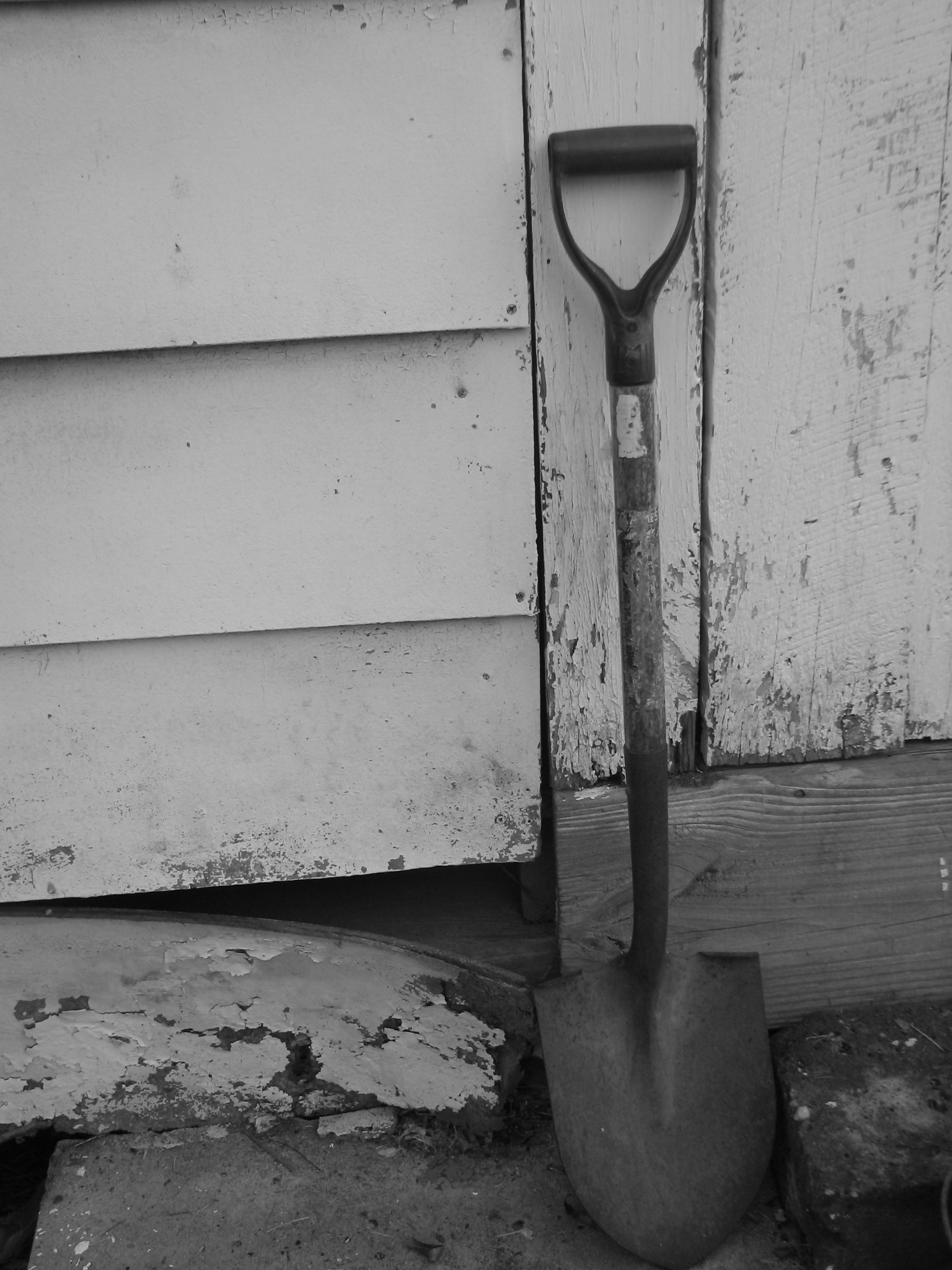
and the dense glare of shovels

in the night underfoot.
Pray that the road continues

beyond the next curve
or increment of time.

Trust in motion,
the reticence of trees.


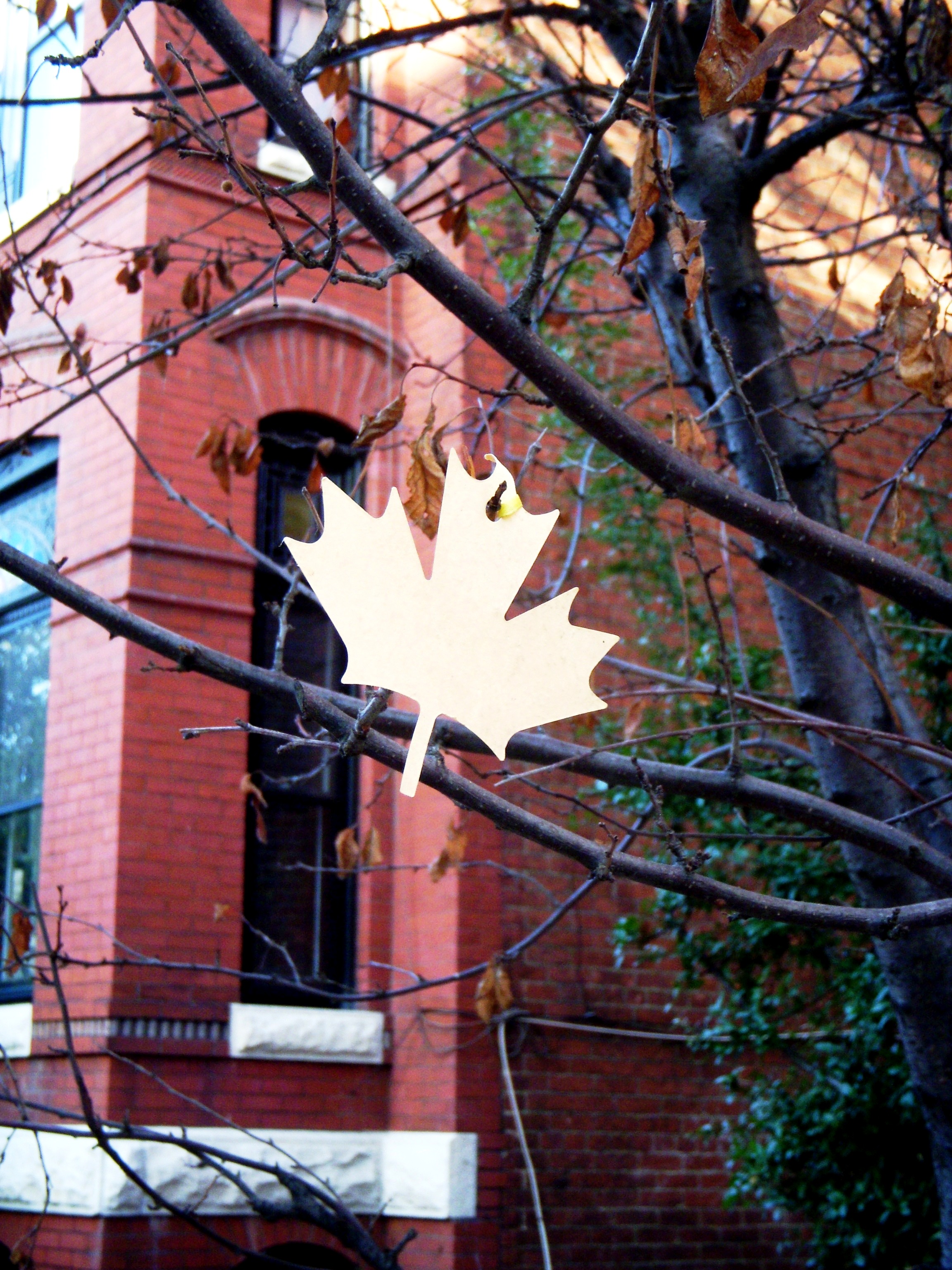
paper leaf

“Boxcars” first appeared here in November 2015. It had been moldering in a folder for three decades when I uncovered it. I have no idea what originally sparked it.

In This Shack a Cold Wind Blows


In This Shack a Cold Wind Blows

In this shack a cold wind blows,
shuffling papers and ideas before settling

on the floor. Leaves rustling. Tea,
cooling. You recall the peace of near

death, fear circling the drain,
giving in to breath, labored but certain,

one exiting another and again,
then laughing at the improbability: you

are nothing. You were nothing.
Nothing will come of you. You say

yesterday, and think tomorrow. Today.


* * *

“In This Shack a Cold Wind Blows” was first published in April 2019 by The Elixir Magazine out of Yemen.


Naming What Was Not (Cento)


Naming What Was Not (Cento)

The dark: an ocean for us all.
We could fall off one edge

or another, like the letter
that falls in the middle of an eye,

as if what we wanted
were not the thing that falls.

Precisely what the body resists
the body is. If you know

the names of a bird in ten
languages, do you know any more

about the bird? I thought that
all this was perhaps nothing more

than a way of remembering:
distance grows in the bones.

What’s called hearer is hearing. Oh
this is the animal that never was.


Credits: Katherine Coles, Vicente Huidobro, Jane Hirshfield, Sean Hill, Arthur Sze, Dawn Lundy Martin, Cecilia Vicuña, Sean Hill, Mei-mei Berssenbrugge, Rainer Maria Rilke.

A cento is composed of lines from poems by other poets.

For further information and examples of the form, you might peruse the Academy of American Poets site: http://www.poets.org/poetsorg/text/poetic-form-cento


Morning Suizen


Morning Suizen

Boundless, it sips direction in the way of all music,
tonguing each note for its salt.

We call this ecstasy. Or peace.
Follow, and they still escape, always beyond
our outstretched fingers.

Exhale slowly. What do you know?

That long tunnel, ribbed in silence.
The scent of burning cedar.
Days framed in darkness and birdsong.


* * *

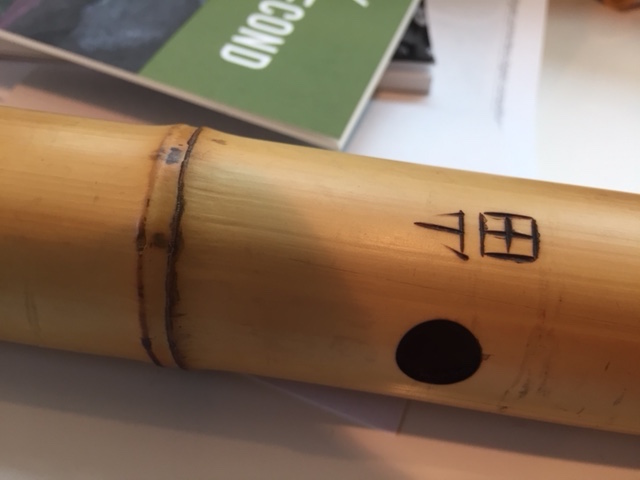
Note: Suizen is the practice of playing the shakuhachi, the traditional Japanese bamboo flute, as a means of attaining self-realization.


“Morning Suizen” first appeared on Nine Muses Poetry. Many thanks to editor Annest Gwilym for taking this piece.

Sometimes Love is a Dry Gutter


Sometimes Love is a Dry Gutter 

Or a restless leaf, a footprint.

Is fault on a blameless day,
scrawled on a washed-out sky.

My friend’s music orbits his home,
worms through the cracks
in the bluest lines, ever new

and permanent, staining even his hope
long after the lights stutter away.
And the rain’s attenuated sorrows?

They’re coming, he says. Like goats
through a fence. Like lava. Like tomorrow.


* * *

“Sometimes Love is a Dry Gutter” was first featured at Vox Populi in January 2017. I’m grateful to editor Michael Sims for supporting my work.