Mockingbird

 OLYMPUS DIGITAL CAMERA


Mockingbird

Withdrawn, it unfolds
to another
voice, like that

of a child lost in the wind.
Or, lonely, it rises from its place

and sings, only
to return and start again.
The pleasure we accept derives from

the knowledge that we are not alone.
Each morning we walk out and sit
by the stones, hoping to observe some

new patterns in his life. What we
see is an answer. What we hear is no song.


* * *

file5231249687751

“Mockingbird” made its first appearance here in January 2015. It was written
in the 1980s, probably around 1987-1989.


Two Poems Up at Formidable Woman Sanctuary

scarecrowhead

My poems “Scarecrow Dreams” and “Scarecrow Remembers” have been reprinted and are live at Formidable Woman Sanctuary. Many, many thanks to editor d. ellis phelps for taking these two pieces and for her many contributions to the poetry world.


Stephanie L. Harper: Finalist in Red Wheelbarrow Poetry Prize

Red Wheelbarrow

I’m so proud to report that Stephanie L. Harper was chosen as a finalist by Mark Doty (!) for the Red Wheelbarrow Poetry Prize. Over 1800 poems were submitted by 622 writers. Three prize winners and five finalists were named. She’s too modest to brag about this, but that’s what I’m here for!

Poem Up at Tipton Poetry Journal

scarecrowhead

My poem “Scarecrow Wonders” is live at Issue 49 of Tipton Poetry Journal. Many thanks to the editors for taking this piece.


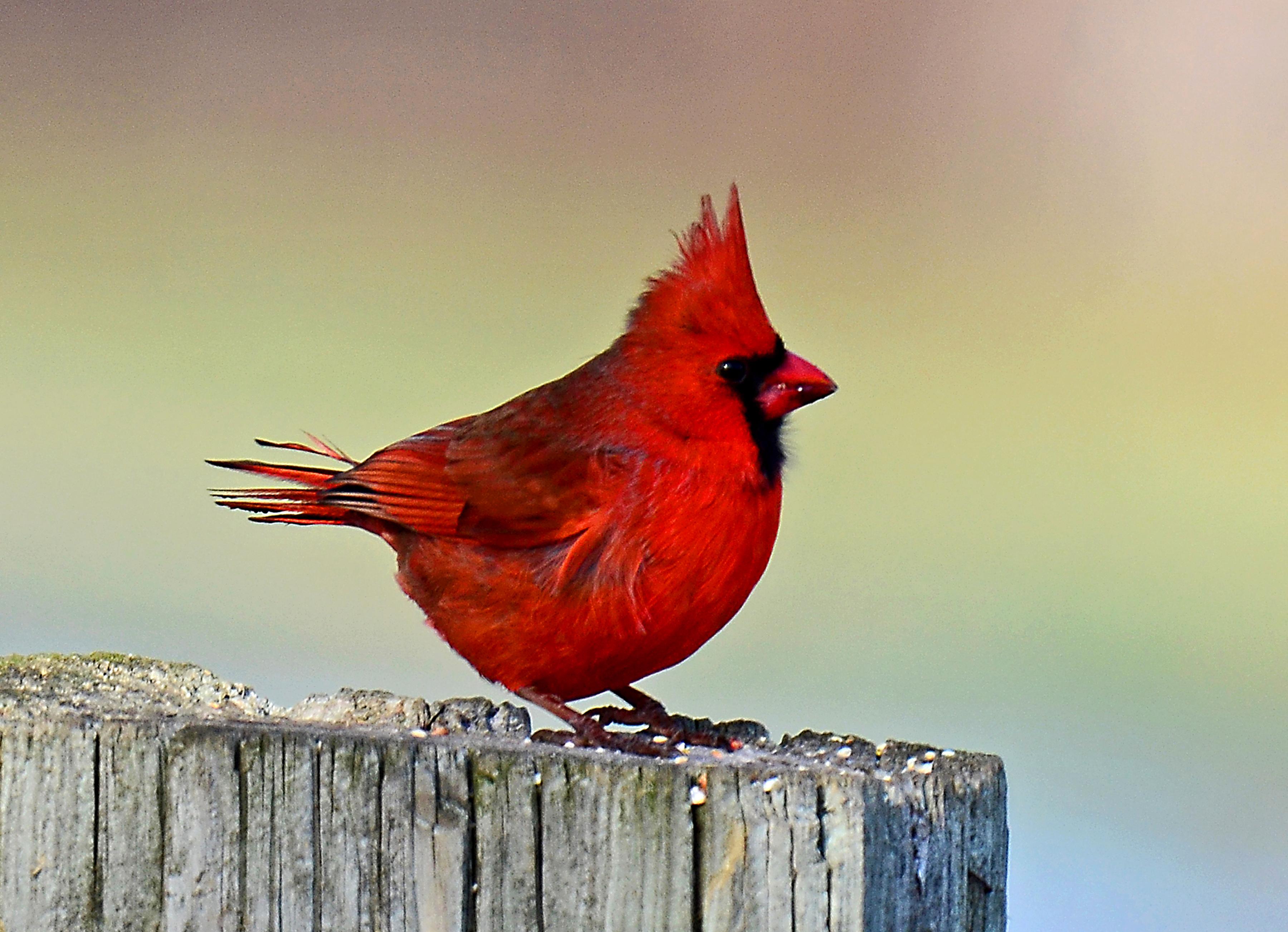
Cardinal


Cardinal

Question: what is air if not
the means by which we

see and feel? Sound creates only
itself, another version of the original

sense. I move from shadows to a deeper
darkness, hoping to find that point where absence
ends. But there is no end, only

continuation, a cry for those
who offer their hands in ambiguity. Sometimes
a cardinal’s call fills our

morning with questions. So
little of all we touch
is felt. We are the air. The air is.


Another poem from the 80s. I was obsessed with birds even back then…

The Art of Flight

DSC_1050


The Art of Flight

What wings accumulate is not air
but space, an exemplar

of restraint defied. I listen
and hear feathers

ruffling in the shadows,
a vibration that swells

until it becomes flight or
regret, the retrieval of our

bodies from this dream of ascent.
The art of flight is one of

disturbance, of angles and lift
and touching what can’t be seen.

What we hold carries no meaning.
The beauty lies in the gathering.


file000141329806


I wrote this piece in the mid-80s, and posted it here in 2015. I’d forgotten about it, until I found the original moldering in a box of old papers. It’s okay, for an artifact from another life…

While Blowing on the Shakuhachi I Think of Birds

While Blowing on the Shakuhachi, I Think of Birds

Yesterday’s sorrow
dissipates in joy.
Though you are not here, I hear your voice,

blow a solitary note in response.
Your philosopher bird carries it to you,
two-thousand miles away,
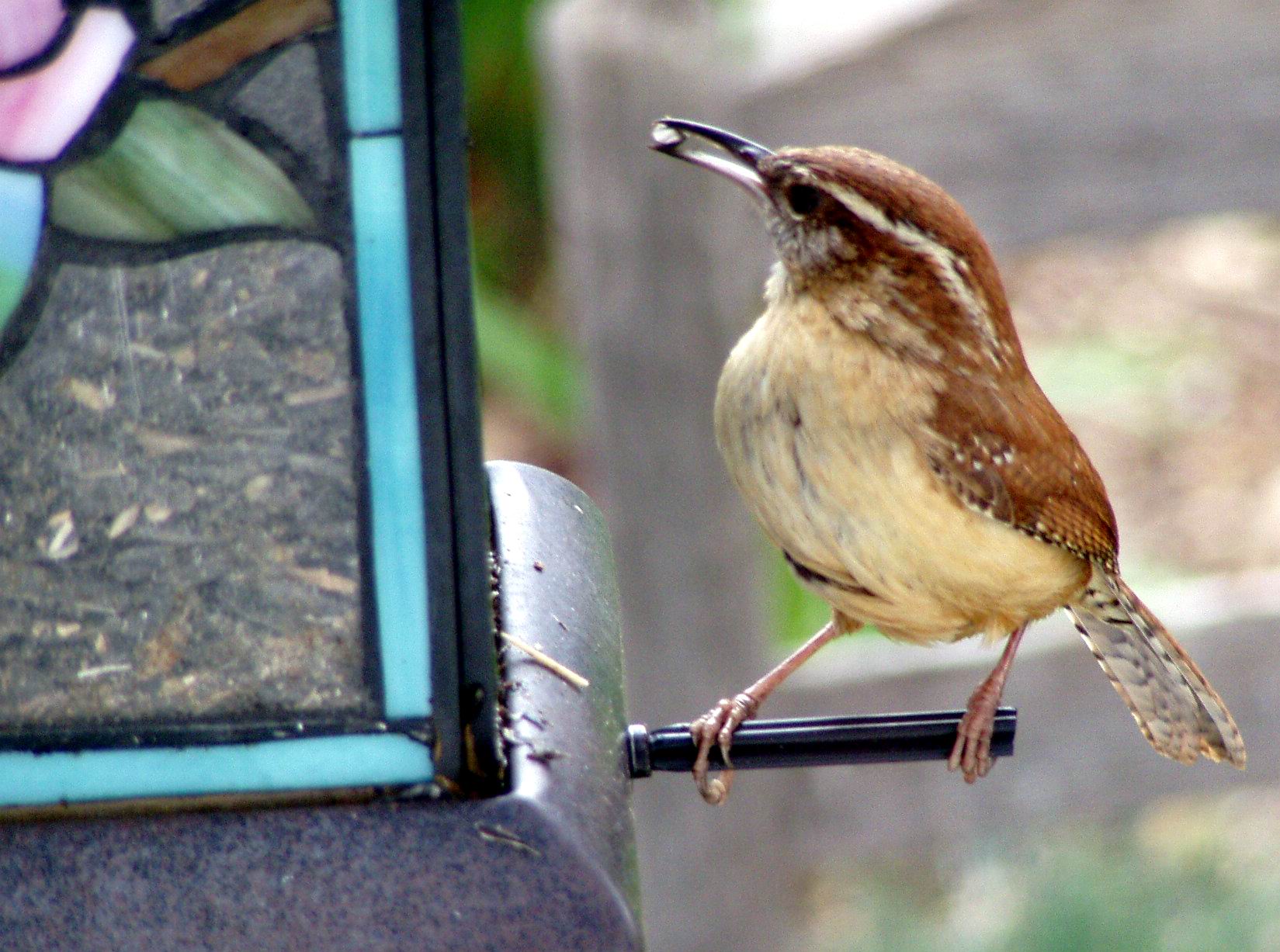
as the wren brings your song to me.

This is love today
and tomorrow, 
embodied in birdsong and faith.

Next week I will know your touch
as you will mine.

We’ll follow our lists,
starting with lips, while the universe
surges around us, filling the voids we never saw.

Needs, answered.

Perhaps the world will end.

Perhaps the red-tailed hawk will follow its nature.

Perhaps I will stand on the roof and shout your name.

But today, this little bird nesting in all the unsaid spaces,
is all I have, little mouth flickering, forming moons and

new mornings, new shadows, new light.

* * *

“While Blowing on the Shakuhachi I Think of Birds” first appeared in Voices de la Luna in March 2020.

Threes

image


Threes

Difficulties arrive in waves,
lending weight to the theory of threes,

the plunging fund, a failed engagement, the self’s
doubt, all combined to inflict the particular

misery of the ongoing, the continued, inelegant fate
that declares us human. Look,

she says, the hummingbird flits from leaf to
flower, its wings beating 58 times a second,

a fact not to be trifled with, for what may we duplicate,
contemplate, even, at that pace?

Say the hedge gets clipped, the ring whirs off the finger
and back to the jeweler, and all you know for certain

is that you don’t know. There is no why, no how. No
way. Or life’s reel unwinds and plays only in

reverse. Where do you stop and splice it, forming new,
uncharted worries? And what about that damned

bird, buzzing around your head in territorial fury? Yes,
yes, I know. These things are not my concern. Not really.

But they arrive in unending repetition, one after
the other, in clumps of three – lovely, lonely,

triple-threaded lines of vicissitude lapping at our ankles,
saying nothing, saying everything, saying it used to be so easy.


* * *

“Threes” was riginally published in Eclectica in July 2014, and first appeared on this blog in July 2015.
image

Nocturne (Blue Grosbeak)

file0001285095497


Nocturne (Blue Grosbeak)

Why tremble
when nothing
arrives to be seen?

The architecture
of the day
comes and goes

in the same
heartbeat,
a disturbance

more felt than heard.
But listen.
The grosbeak sings

his presence
and departs,
leaving behind

the echo
of a motion
blending with night.

The air is cool.
A leaf utters
its own message

and falls
unnoticed.
Nothing awaits it.


* * *.

file8891250781951


The Sky Refutes East and West

nest

The Sky Refutes East and West

Here, the horizon lingers.
The open eye, the mouth’s shape.

A hoop, the circle without iris.

Does the screech owl acknowledge latitude and hemisphere?

The Semitic alphabet contained no vowels, thus O
emerged as a consonant with a pupil, morphing into a dotted ring,

and later, with the Greeks, an unembellished circle (which of course

they cracked open and placed at the end). The female lays eggs

on the remnants of earlier meals lining the bottom of her den.
If you listen at night you might hear the purring of a feathered

cat (the Texas screech owl’s call varies from that of its eastern cousins).

The difference between sphere and ball.

To pronounce the Phoenician word for eye, sing the lowest note possible,
then drop two octaves. They usually carry prey back to their nests.

Screech owls are limited to the Americas.

Coincidence and error, the circumference of other.


***

“The Sky Refutes East and West” was first published in Prime Number Magazine, and also appears in my chapbook The Circumference of Other, included in Ides: A Collection of Poetry Chapbooks (Silver Birch Press, 2015). It made its first appearance here in May 2016.

eastwest