Beneath the surface find warmth,
the fruit of decay and mastication,
of layered mixes and intermingled
juices. Disintegrated or whole,
still I strive to speak. Bits of me
meld, to be absorbed slowly; I
process and am processed: here,
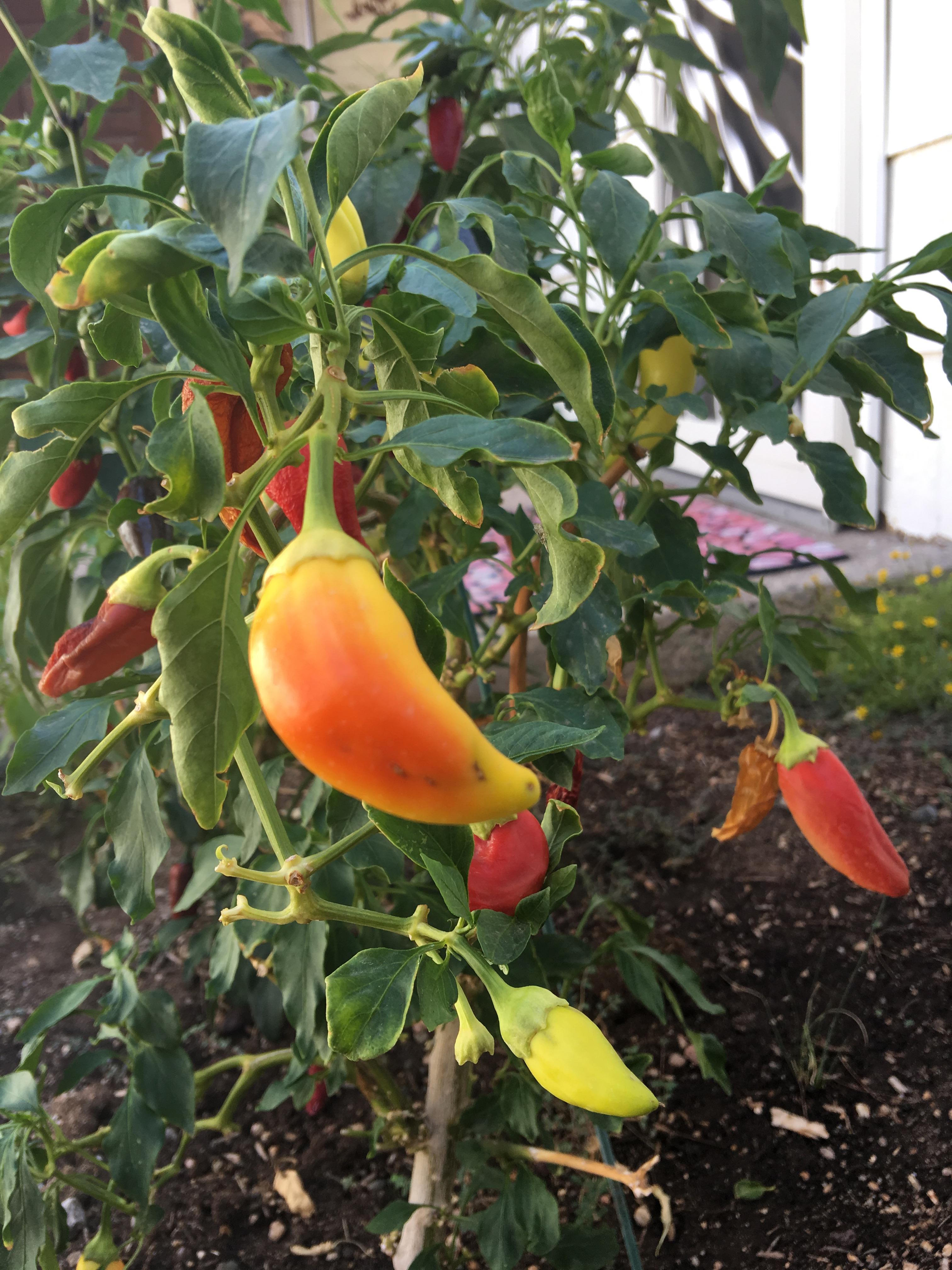
within the pepper bush’s deep red
berries, there among the dianthus.
Scattered, deliberately placed,
having been, I shall emerge again,
forever changed, limitless, renewed.
* * *
“Self-Portrait as Compost” was first published in Issue 125 of Right Hand Pointing. Thank you to editors Dale Wisely, Laura M. Kaminski, F. John Sharp and José Angel Araguz for taking this piece.
we preside, finding
comfort in failure. Or does
the subjugation of one’s flavor for another’s
define defeat? The bitter, the sour, the sweet
attract and repel
like lovers separated by distances
too subtle to see.
Filling space becomes the end.
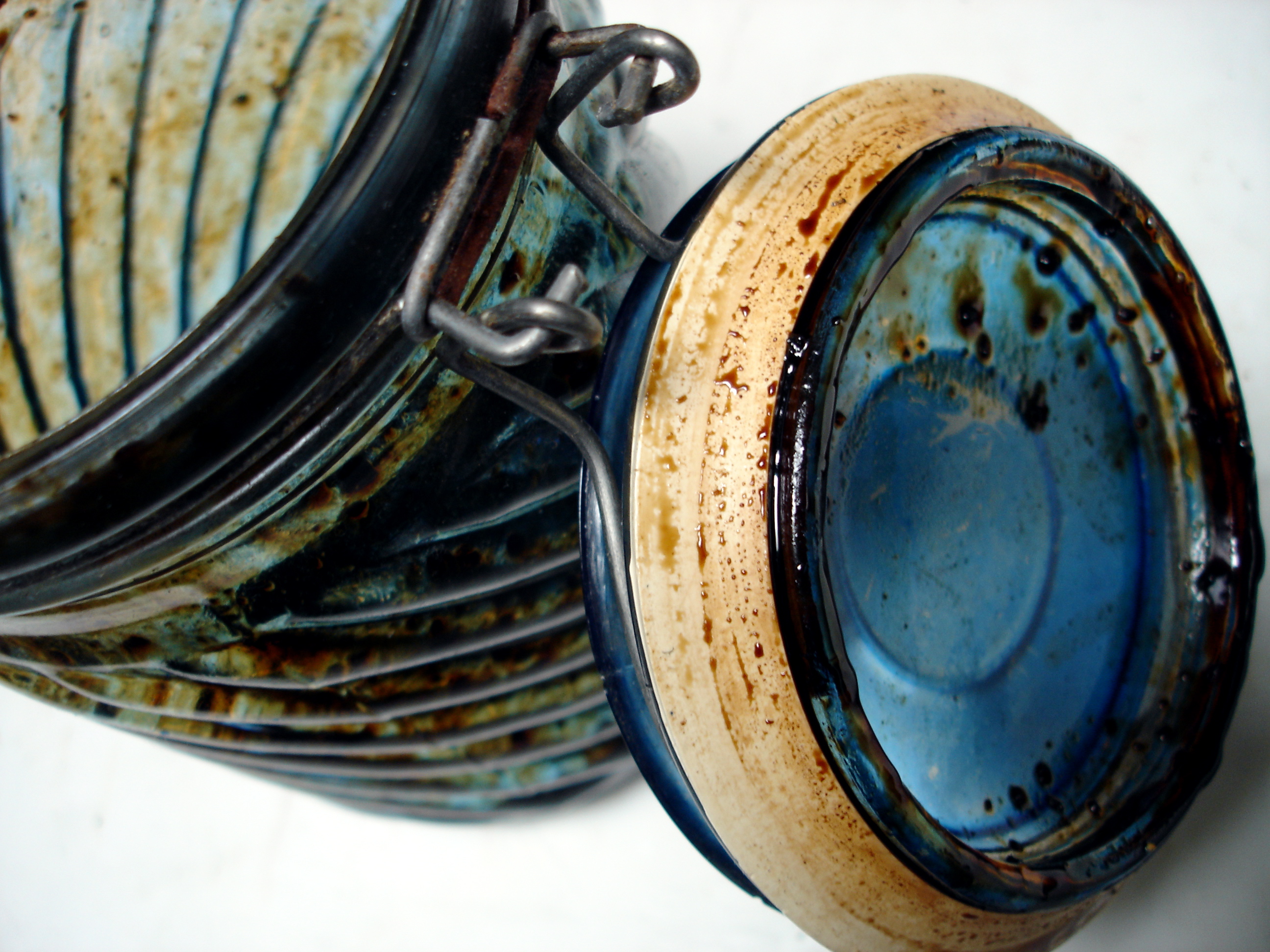
What do you learn when you look through the glass?
Knowing my fate, I say fallen. I say earth.
Ah, simplicity! When I was a child my mother would occasionally serve rice balls in which a single mouth-puckering umeboshi rested at the center. These have long been a favorite, but I admit that umeboshi might be an acquired taste. Commonly called “pickled plums,” ume aren’t really plums but are more closely related to apricots. I cherish them.
Summer 1966: After France & Remembering Bobby, Who One Day Would Learn to Multiply and Divide, Write Love Poems, Define Home, Fight Unfairly and Live with as Much Gusto as a 7-Year Old. Perhaps.
From left coast to right, or the wide arc between,
which place claimed you? In New York you marveled
at the building’s backs scratched by clouds, and all your
pale cousins in Baltimore spoke strangely and couldn’t fathom
your nuclear family’s private lingo, while the drive to Texas
and its red ants and iced tea blossomed into adventures between
pages in the back seat of the VW bug. By the second week you
learned that Texans sweat as much as the French, and swear even
more, that you couldn’t fight one twin without taking on the other,
sometimes both at once. There was no question of fairness then,
just brotherhood, but the librarian would slip you the choicest
donated fiction, and you played baseball every day in the vacant lot
until sundown called the players home to black and white body
counts and cigarette commercials on the three channels received.
Sometimes you lay in bed under the half-light of the whirring
fan blades, and dreamt of heroes and ornithopters, zebras
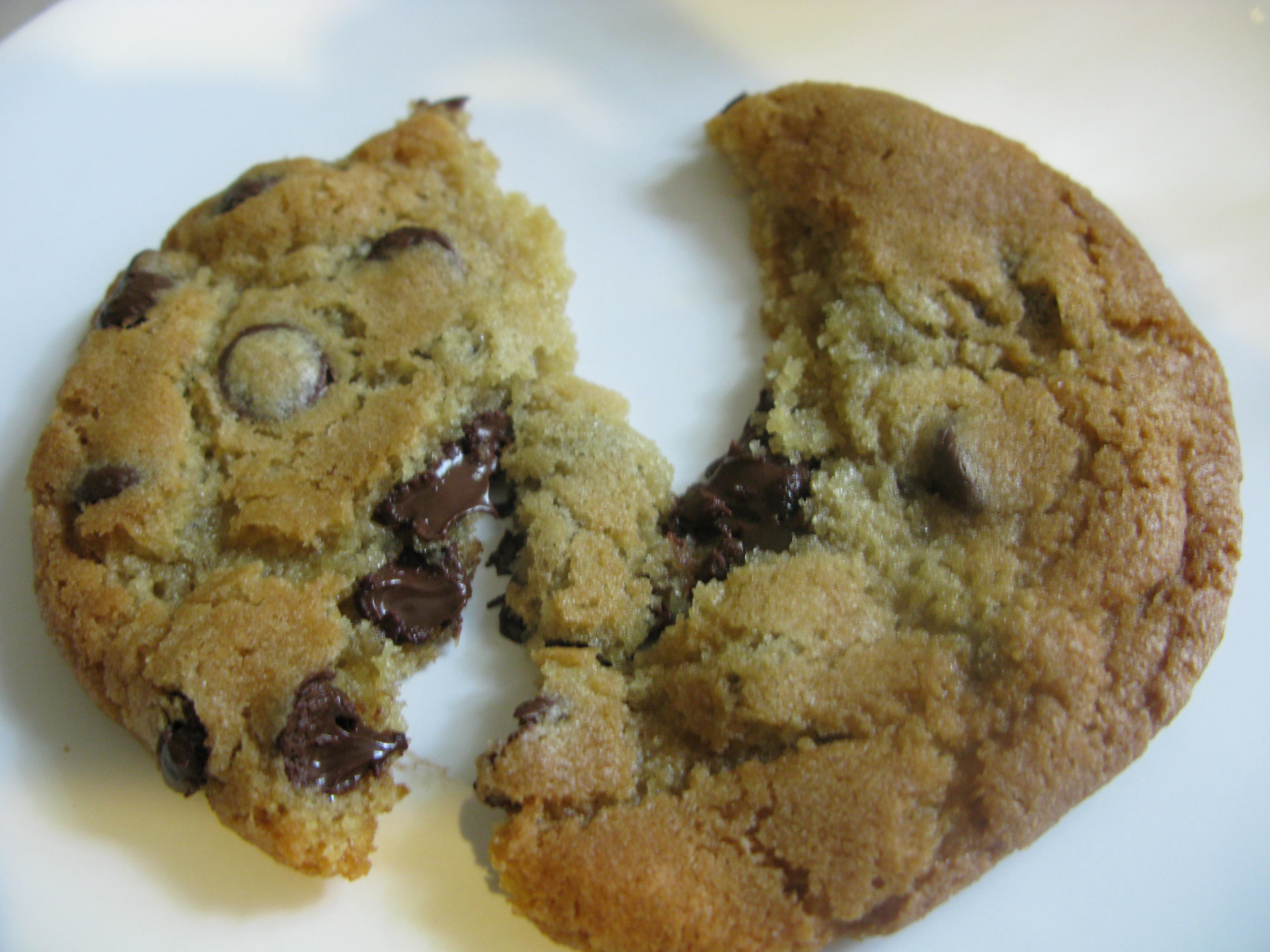
and the scent of chocolate chip cookies in the oven. Other nights
you wondered how words could rest so calmly on one page yet
explode off the next, or why a man would climb a tower in Austin
to kill fourteen people when opportunities for mayhem and murder
burgeoned across the sea. Wasn’t living a matter of simple
subtraction? One by one the days parted and you walked through
that dwindling heat, eyes squinting, questions in hand, emerging
fifty years later having suffered additions and division and the
cruelties of love and success, honor and truth, still asking why
and how, home or house, where it went, your shoulders slumping
under the heft of those beautiful, terrible summers stacked high
like so many life-gatherings of unread books awaiting a bonfire.
This was first published in theSilver Birch Press “Moving” series, and an earlier version titled “Bonjour, Texas” appeared on the blog A Holistic Journey.
My last five posts of 2019 are reruns of five of the most viewed posts on this site during the year.
My Mother’s Ghost Sits Next to Me at the Hotel Bar
Blue-tinted and red-mouthed, you light a cigarette
that glows green between your lips and smells of
menthol and old coffins, burnt fruit and days carved
into lonely minutes. I mumble hello, and because
you never speak, order a tulip of double IPA, which the
bartender sets in front of me. Longing to ask someone
in authority to explain the protocol in such matters,
I slide it over, but of course you don’t acknowledge
the act. The bartender shrugs and I munch on spiced
corn nuts. I wish I could speak Japanese, I say, or cook
with chopsticks the way you did. We all keep secrets, but
why didn’t you share your ability to juggle balls behind
your back sometime before I was thirty? And I still
can’t duplicate that pork chili, though my yaki soba approaches yours. You stub out the cigarette and immediately
light another. Those things killed you, I say, but what the hell.
As always, you look in any direction but mine, your face
an empty corsage. What is the half-life of promise, I ask. Why
do my words swallow themselves? Who is the grandfather
of loneliness? Your outline flickers and fades until only a trace
of smoke remains. I think of tea leaves and a Texas noon,
of rice balls and the vacuum between what is and what
could have been, of compromise and stubbornness and love,
then look up at the muted tv, grab your beer, and drink.
* * *
“My Mother’s Ghost Sits Next to Me at the Hotel Bar” was first published in The Lake in December 2018.
“Every Wind” first appeared in The Lake in July 2016, and is included in my chapbook, From Every Moment a Second, available for order now via Amazon.com and Finishing Line Press.
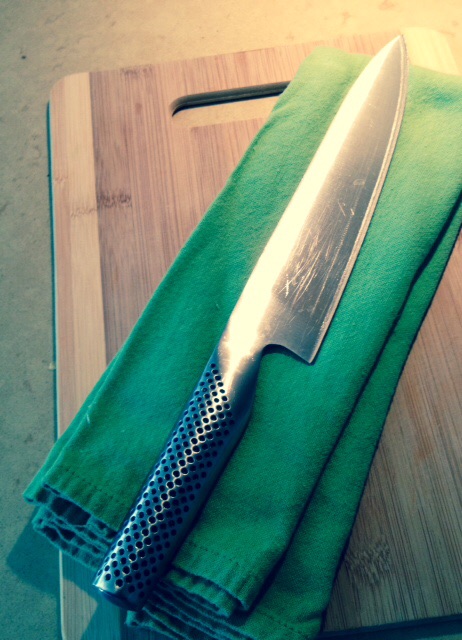
My knife never sings but hums instead when withdrawn from its block, a metallic whisper so modest only the wielder may hear it. Or perhaps the dog, who seems to enjoy the kitchen nearly as much as I. A Japanese blade, it’s a joy to hold, perfectly balanced, stainless steel-molybdenum alloy, blade and handle of one piece, bright, untarnished, and so sharp as to slide through, rather than awkwardly rupture and divide, its next task on the board.
We’ve never counted the chopped and rendered onions, the fine dice, slender rings and discarded skins, but if we could gather all the corpses we’ve produced together over the years, we’d form a monument to our work, cooperation of metal and man, a Waterloo mound in memory of the bulbs laid there, the planning involved, the missteps and serendipity, and the tears shed along the way.
The blade doesn’t care. It is. It works. It moves things, it lifts, it parts them, and in return is cleansed, and later, in the quiet room, maintains its edge with a silvery rasp, angled steel on steel in a circular motion, over and over, until finally it hums its way back into the block. But it never sings.
“Onions” last appeared here in December 2018. Hmm. This reminds me (again) that I need to sharpen knives…
I dream of poetry in all its forms, rising and flowing and subsiding without end, much like ice shrugging within itself. Last winter a hard freeze split a valve on the downstream side of the cistern. Had it cracked even a few inches up-line there would have been no need to replace the valve.
captive rain recalls
its journey towards the ground
the garden returns
The well terminates at 280 feet. The water is hard, but cool, and tastes of dark limestone and ancient rains.
Even the gnarled live oaks have dropped their leaves. Grass crunches underfoot and smells like dead insects and dried herbs. Mosquitoes have vanished. Only the prickly pears thrive. Their flowers are bright yellow and bloom a few days each year.
sauteed with garlic
nopalitos on my plate
their thorns, forgiven
I wipe sweat from my forehead with the back of the glove, and wonder how many ounces of fluid have passed through my body this year, how the rain navigates from clouds through layers of soil and stone, only to return, how a cold beer might feel sliding down my throat.
stoking the fire
winter rain whispers to me
forget tomorrow
* * *
Originally posted in February, 2014, this was my first attempt at a haibun.







 O at the Edges