Knots

knot

Knots

Who you are not seldom rises
beyond midnight’s

sum: one strand thrown over
another, looped through

and pulled taut, achieving
tension and a sour taste

at the back of your throat.
Everyone believes this

doesn’t bleed. I lock the
windows, draw the shades,

twist the cord. Even distracted,
nothing comes undone.

modern light MGD©

Letter to a Ghost

box2

Letter to a Ghost

Had I not dreamed your death, I would have praised this day.
Your name rests in a wooden box on a desk

in a room far away and twice as old as we were then.
My penance in this phase: to continue.

I gather words close and refrain from admissions.
The clock on the wall seldom chimes,

like one whose vows circumvent convenience, or
a shade allowing the barest sliver of light

through the window. That tock preceding
a long silence. Snow blanketing the mounded earth.

Your scent never lingers past sleep, where you remain.
At last I no longer covet those sheets you’ve shared.

Your name rests in a box. I gather words and refrain.

ghost

The Echo is Neither Sound nor Hope

file0001065505061

The Echo is Neither Sound nor Hope

empty trees

a darkened
window

the void
between chairs

unchanged

as if you’d never spoken

* * *

This first appeared in April 2015.

file00056608913

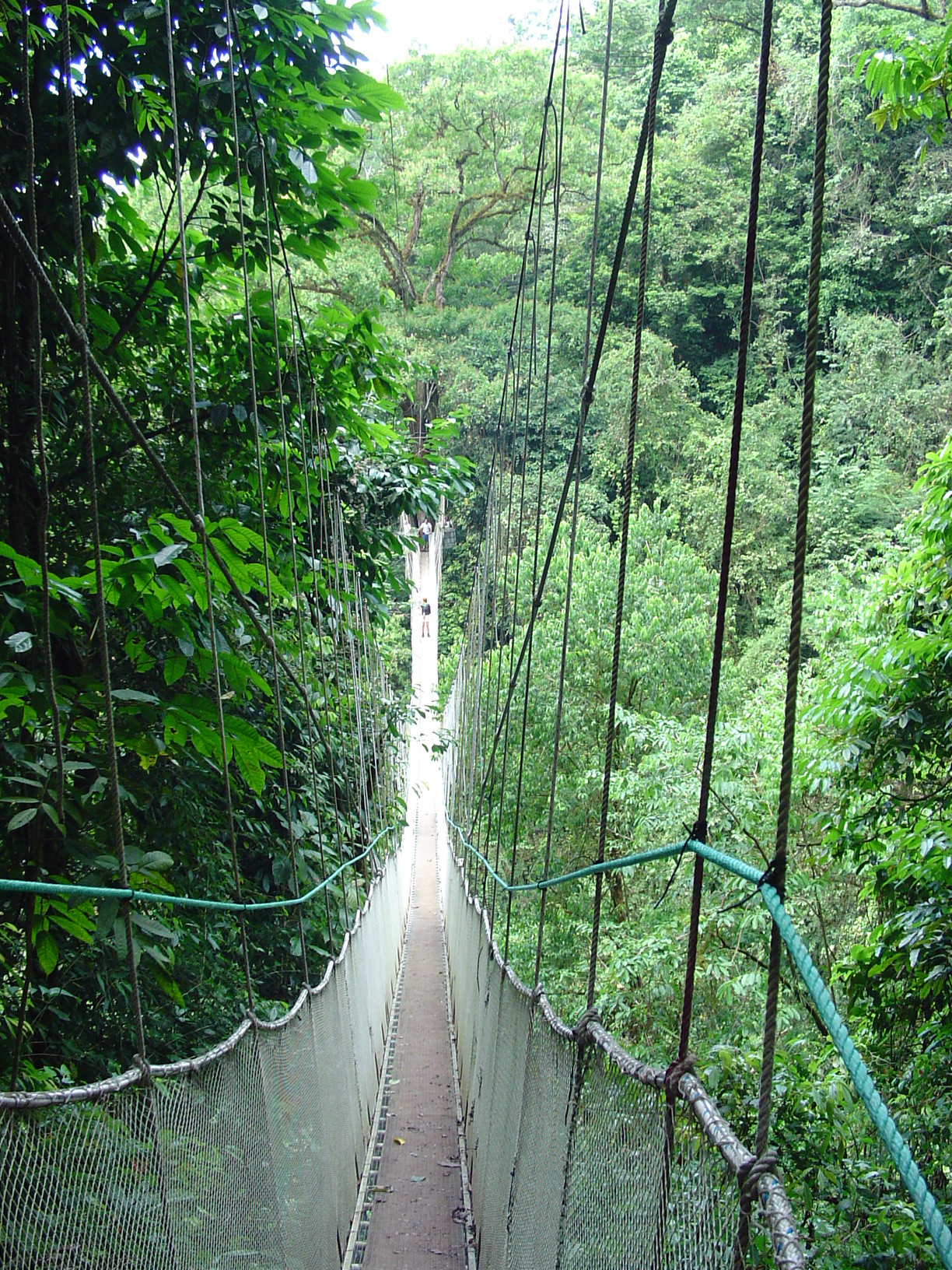
Rain Forest Bridge

bridge

Rain Forest Bridge

To cross
you must first
trust the strands

to hold.
The second tentative
step precedes
the next,

each successive one
gaining strength:
here to

there, now
to then, a summoning of
entreaties
within
one’s faith.

Vapor meets cooler air,
forming droplets,
clouding the far side.

I have feared endings
and the strictures of the unseen,

but here
in this vast
swaying,
I know

one line
bisects the void.

* * *

“Rain Forest Bridge” first appeared in Four Ties Lit Review in August, 2014.

A recording of it may be found on the Four Ties site.

rope

A Brief History of Edges

map


A Brief History of Edges

This road leads nowhere. I live at its end where breezes
wilt and the sun still burns my darkened skin.

I’ve sailed to Oman, but have never seen the Dakotas.
My friend searches for the concealed parable in this truth.

An early clay map depicted Babylon surrounded by a bitter river,
and an island named the sun is hidden and nothing can be seen.

Fitting the limitless within boundaries, she remembers no one.
The lighted sign says boots, but I see books.

Venturing from the shadows, she offers an accord: intersecting borders,
we must retain ourselves, deliver what calls.

In our place between the hidden and the invisible, consider
that neon gas possesses neither color nor odor.

What lives in creases and at the periphery? The isle called beyond
the flight of birds has crumbled from the lower edge.

Where I stand defines my portion of the spherical earth.
Crossing lines, I look to the sky, its bisected clouds.

mapman

“Agave” on poems2go

IMG_1285

My poem “Agave” is one of five featured this month on poems2go

poems2go offers poetry to take with you, tuck in your pocket, your wallet, or to share. Five poets are featured monthly and multiple copies of their poems are printed on 4″x 6″ loose-leafed paper and distributed to selected cafes and/or bookstores for patrons to peruse and take 2 go.

“Agave” was first published in Ijagun Poetry Journal, and is also included in my micro-chapbook,You Break What Falls (Origami Poems Project), available via free download.

photo(2)

Icarus

feather02-2


Icarus

Currents of breath, the slight curve and lift
within a single motion, once

poised then released as if to say
the wind is mine, or wait,
I am alone –

the story we most fear, not height nor gravity’s
fist, but to exist apart, shadow and

mouth, rain and smile, feather
and sun, all denials reciprocal,

each tied fast and renewed.

sun

Thunderstorm Below the Mountain

image

Thunderstorm Below the Mountain
(after Hokusai)

Lacking humility, I take without thinking.
How far we’ve come, to look below for
lightning, the valleys shaken
with thunder, answers

like pebbles flung outward,
each to its own arc, separate
yet of one source, shaded into the question.

Is it for the scarcity of reach,
the reverse view through the bamboo rings
well out of sight, that

breath in the wave’s tuck or
smoke mingling with the clouds
and figures collecting salt,

that I edge myself closer, again,
to this place? To be nothing
presumes presence in absence.
Lacking humility, I accept without thinking.

image

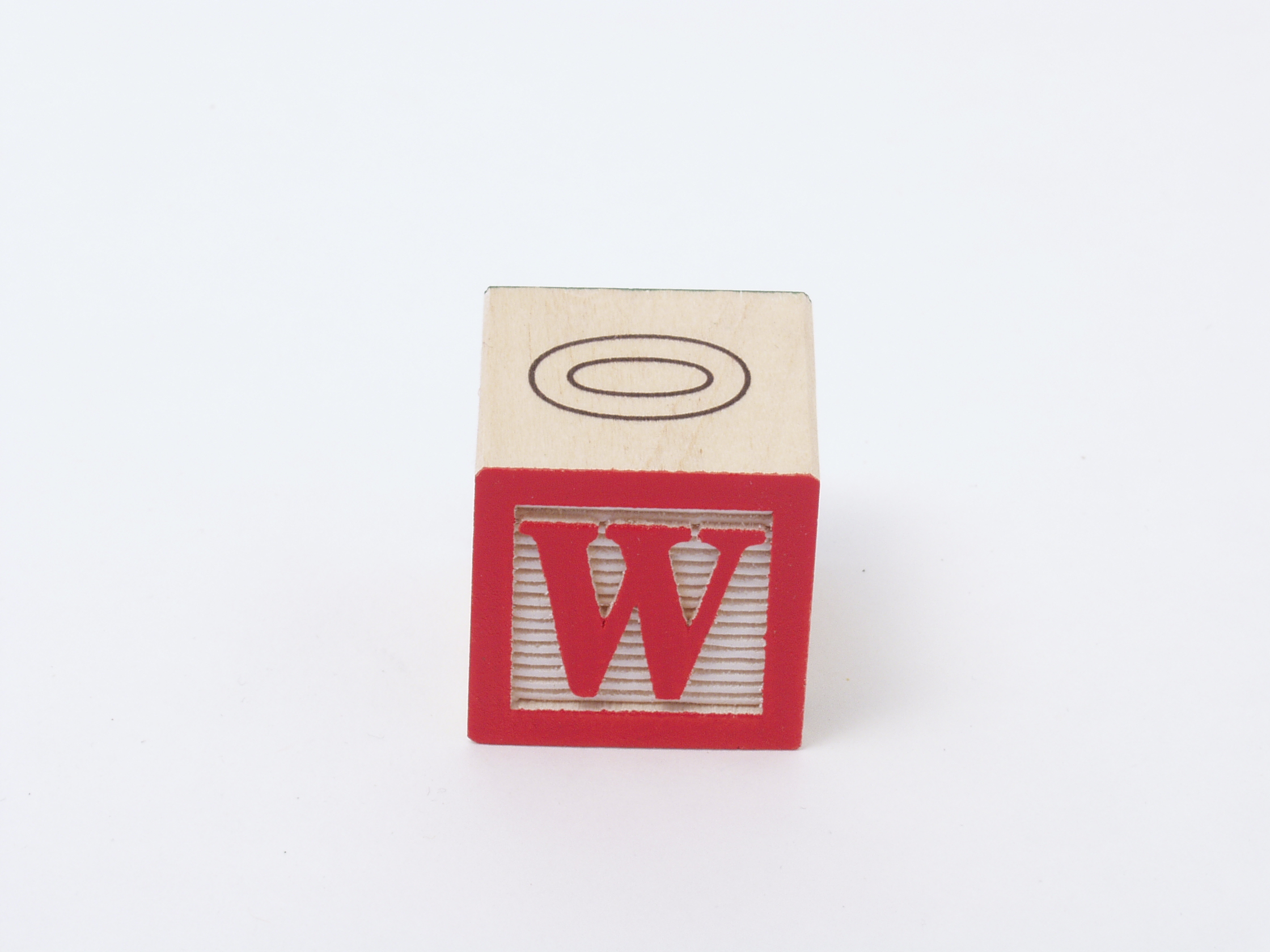
Self-Portrait with W

file7131243281016

Self Portrait with W

One might claim a double victory, or after the Roman Empire’s fall, a reclamation
from the slurred “b” and its subsequent reduction.

Survival of the rarely heard, of the occipital’s impulse.

The oak’s crook performs a similar function.

Shielding myself from adjuration, I contemplate the second family
root, weighted in weapons, in Woden, in wood.

Not rejection, but acceptance in avoidance.

The Japanese homophone, daburu, bears a negative connotation.

Original language was thought to be based on a natural
relation between objects and things.

Baudelaire’s alphabet existed without “W,” as does the Italian.

The recovery of lost perfection is no longer our aim.

When following another, I often remain silent.
As in two, as in answer, as in reluctance, reticence.

We share halves – one light, one shadowed, but both of water.

Overlapped or barely touching, still we complete.

* * *

“Self-Portrait with W” originally appeared in the Silver Birch Press Self-Portrait series, and was reprinted in my chapbook, The Circumference of Other, included in Ides, a one-volume collection of fifteen chapbooks published by Silver Birch Press and available on Amazon.com.
OLYMPUS DIGITAL CAMERA

Nocturne with a Line from Porchia

bureau

Nocturne with a Line from Porchia

Everything is nothing, but afterwards.
I rise and the moon disturbs the darkness,
revealing symbols, a few stolen words
on the bureau. Tomorrow I’ll express
my gratitude by disappearing be-
fore I’m found, which is to say goodbye
before hello, a paradigm for the
prepossessed. Compton tells us to imply
what’s missing, like Van Gogh or Bill Monroe,
but why listen to the dead before they’ve
stopped speaking? Unfortunately we throw
out the bad with the good, only to save
the worst. I return to bed, and the floor
spins. Nothing is everything, but before.

This first appeared in The Blue Hour Magazine in December 2014, and is also included in my chapbook, If Your Matter Could Reform. The line “Everything is nothing, but afterwards” comes from Antonio Porchia’s Voices, translated by W.S. Merwin. Porchia wrote one book in his lifetime, but what a book it was! Often described as a collection of aphorisms, Voices is so much more – each time I open the book, I find new meaning in old lines.

Vincent