Sheng-yu’s Lament (after Mei Yao-ch’en)

DSC_1243

Sheng-yu’s Lament (after Mei Yao-ch’en)

First heaven took my wife,
and now, my son.
These eyes will never dry
and my heart slowly turns to ash.
Rain seeps far into the earth
like a pearl dropped into the sea.
Swim deep and you’ll see the pearl,
dig in the earth and you’ll find water.
But when people return to the source,
we know they’re gone forever.
I touch my empty chest and ask, who
is that withered ghost in the mirror?

The transliteration on Chinese-poems.com reads:

Heaven already take my wife
Again again take my son
Two eyes although not dry
(Disc) heart will want die
Rain fall enter earth in
Pearl sink enter sea deep
Enter sea can seek pearl
Dig earth can see water
Only person return source below
Through the ages know self (yes)
Touch breast now ask who
Emaciated mirror in ghost

SAM_0841

Hummingbird (3)

file0001815455590(1)

Hummingbird (3)

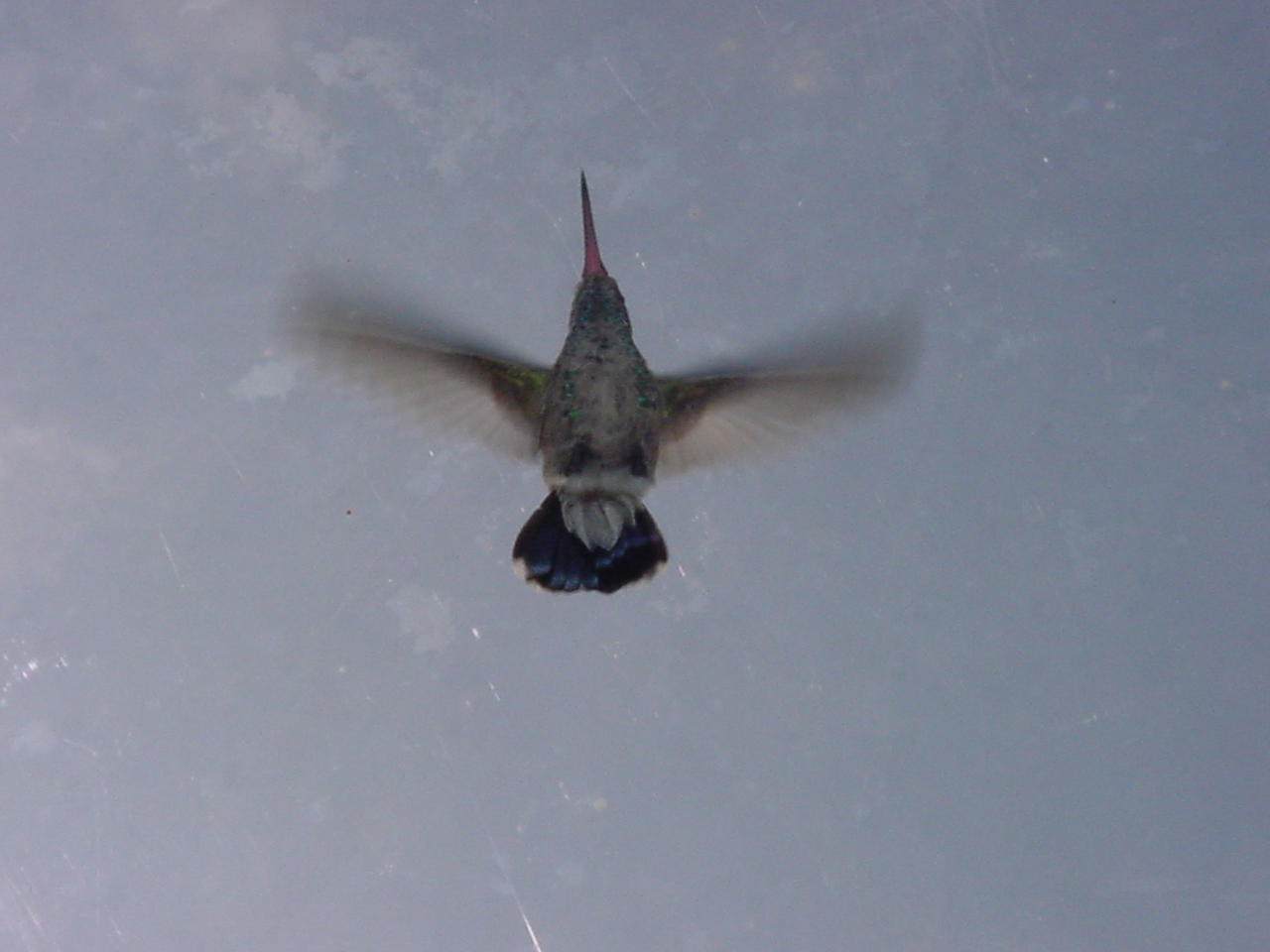
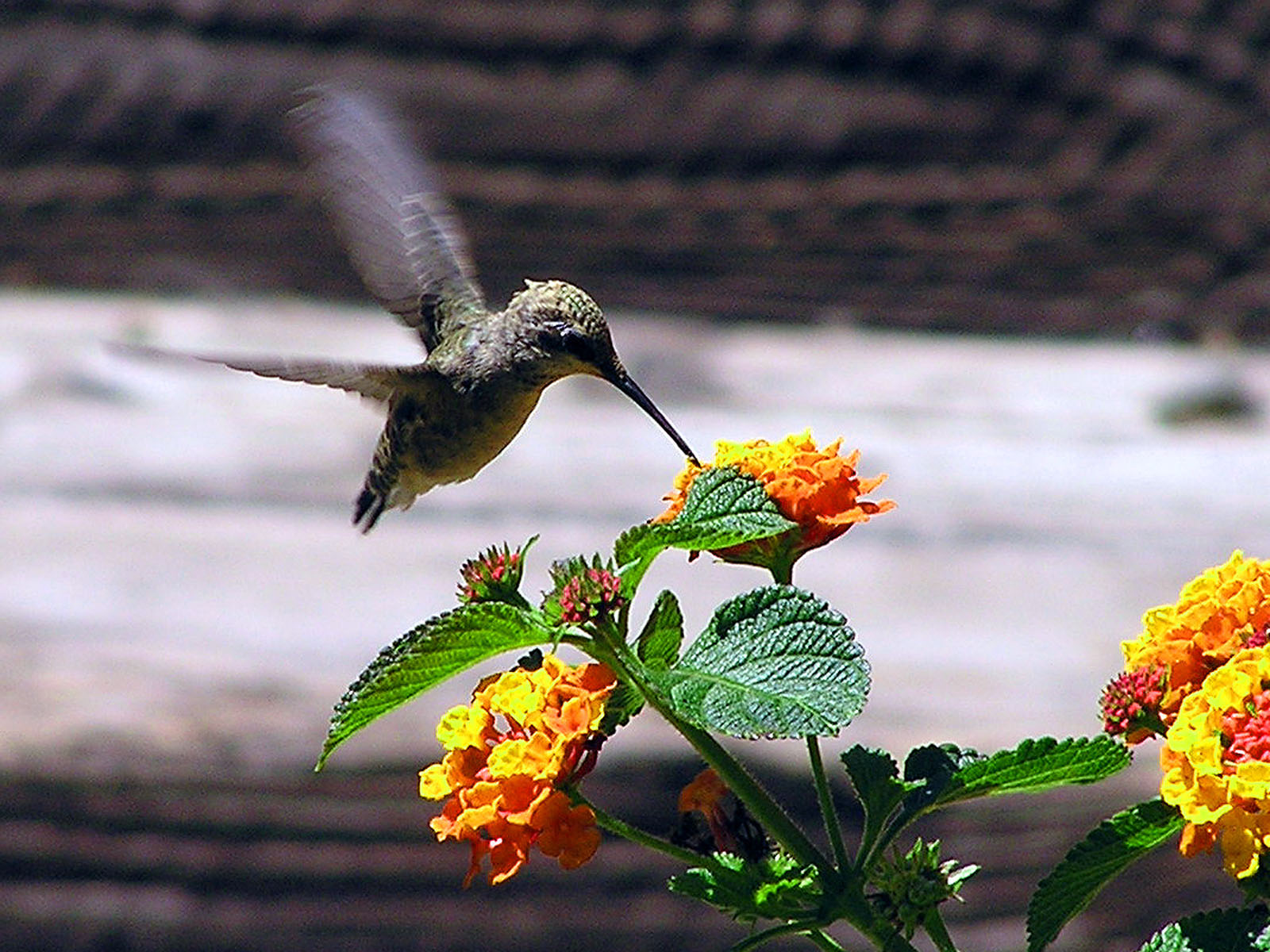
Arriving from nowhere,
its mouth opens

but what escapes
comes not from within

and is never complete.
Words, too, falter

in this space,
struggling to remain

aloft, challenged yet free,
an exchange

between air and wing,
of sound and thought,

occurring as it must
without design

or desire, simply
there, then gone,

a presence one notices
in its absence.

words

Landscape

DSCN8501

Landscape

Utterance
within the parameters set
by form

expressionless
save motion

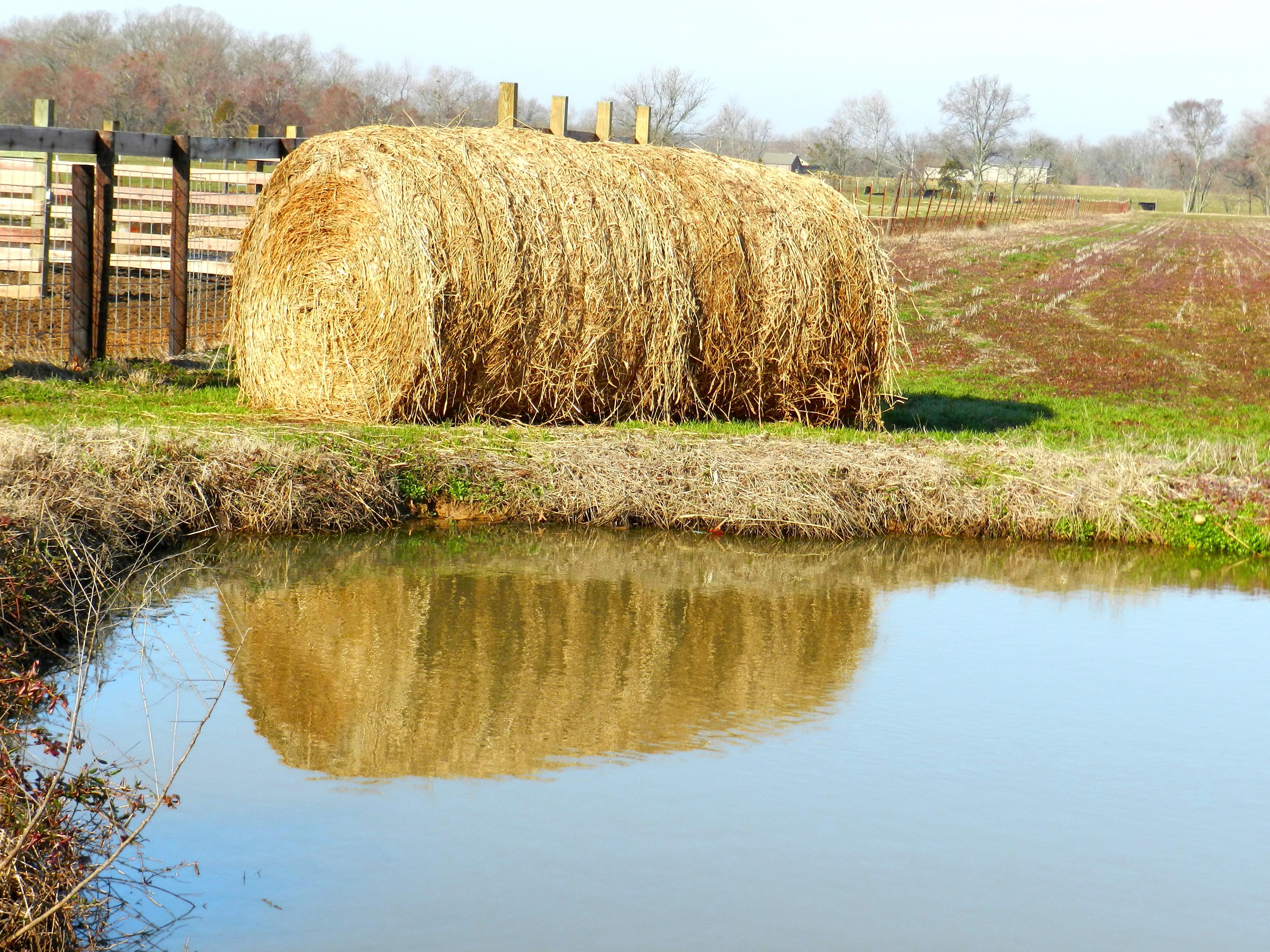
the lone branch
brought to the fore
and in the distance

stock ponds collecting rain

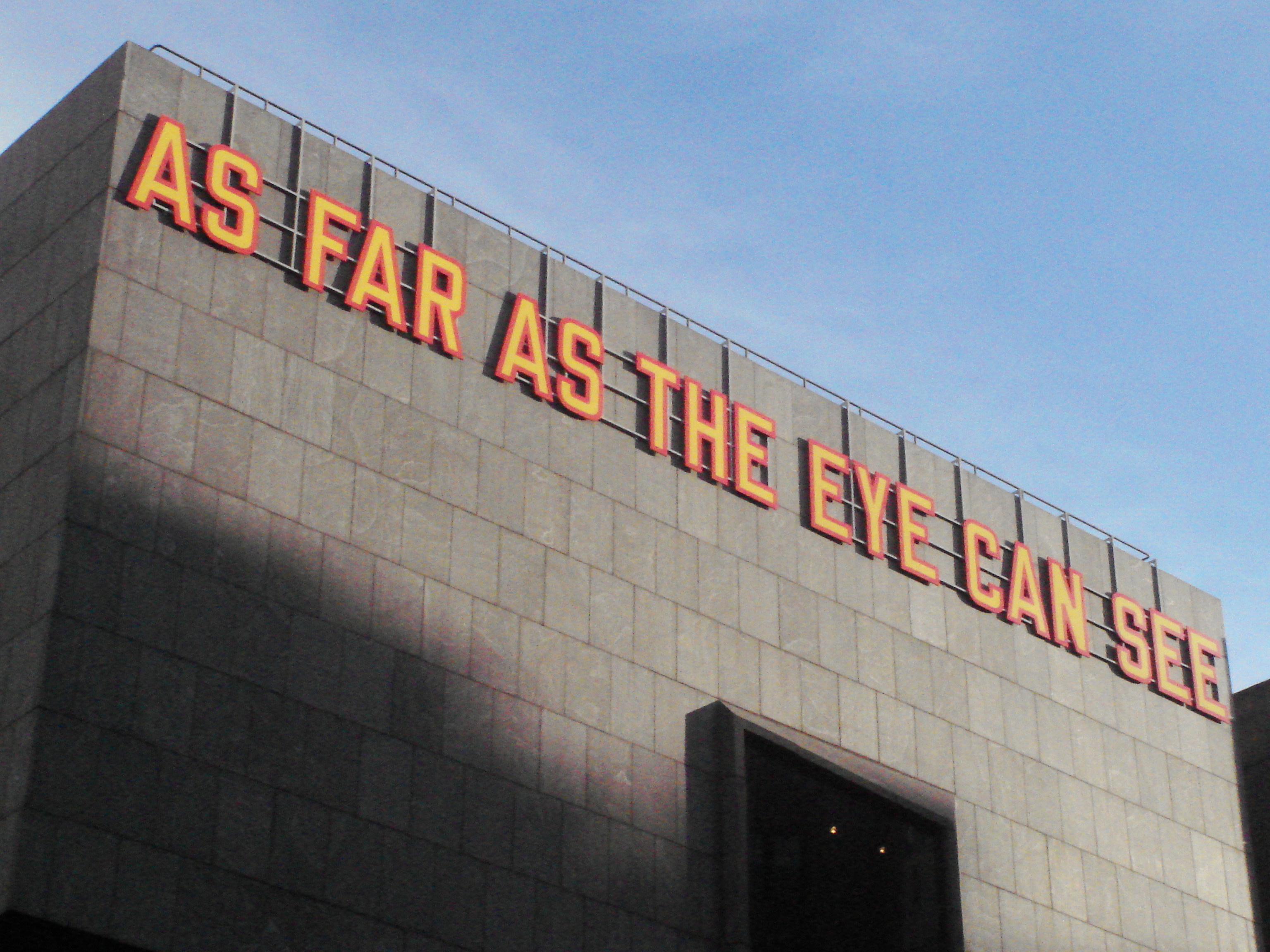
the word is
forget, as in the imperative
as in function, as in

you must have

file000783361490

If We Burn

OLYMPUS DIGITAL CAMERA

If We Burn

What flares instead to replace our
privileged nights? And which

assemblage of words could reorder these
deaths into comprehension,

change I can’t breathe from epitaph
to actuated plea for help?

Are words ever enough?
Can we stack our indifference and fear

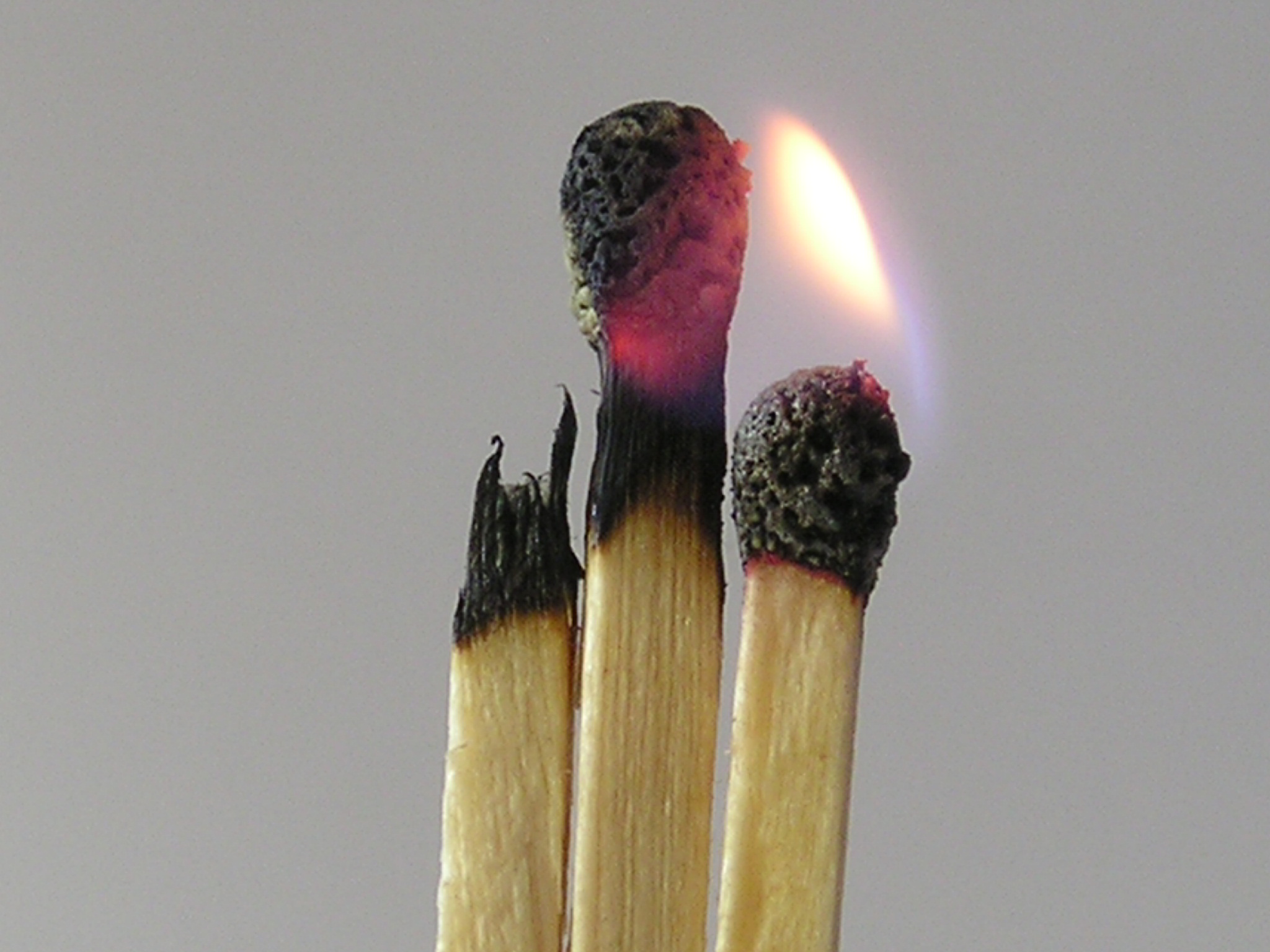
into a mile-high pyre, and torching it
watch them rise to nothingness,

disappearing through the clouds
into the streaming light of cold, dark stars?

Raise your hands and sing. Blow softly
upon the ember. Inhale and recall.

Do you still feel? Will you breathe?
Every fire needs oxygen.
file0001190356464

Hummingbird

file000858060241

Hummingbird

The thought makes
trembling so

incomplete, a consequence
of knowledge attained. I look out

and see leaves flitting in the dusk,
the air closing around them

like the mouth of an old well
swallowing light. Such

hunger we find difficult
to comprehend. The wind shivers

through our lives and repeats itself,
though differently each time.

Every departure is a return.

IMG_6039

Apricot House (after Wang Wei)

file000532973761

Apricot House (after Wang Wei)

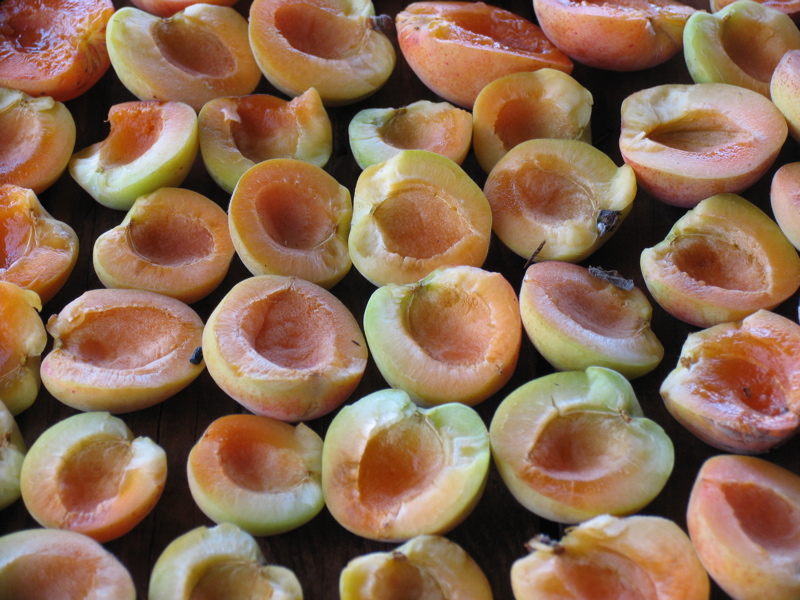
We cut the finest apricot for roof beams
and braided fragrant grasses over them.

I wonder if clouds might form there
and rain upon this world?

The transliteration on Chinese-poems.com reads:

Fine apricot cut for roofbeam
Fragrant cogongrass tie for eaves
Not know ridgepole in cloud
Go make people among rain

Each adaptation poses its challenges, and this one was certainly no exception.
First I identified key words and determined how or whether to use them.
Apricot, roofbeam, cogongrass, eaves, ridgepole, cloud, people, rain.
Apricot was a given. It offered specificity, and feels lovely in the mouth. Roof beams, as well. Cogongrass didn’t make the cut. It is indeed used for thatched roofs in southeast Asia, but it felt clumsy; in this case, the specificity it lent detracted from my reading. And rather than use “thatched” I chose “braided” to imply the layered effect of thatching, and to imply movement, to mesh with and support the idea of clouds forming and drifting under the roof. “Not know” posed a question: did it mean ignorance or simply being unaware, or perhaps a state of wonderment? I first employed “unaware” but thought it took the poem in a different direction than Wang Wei intended (but who knows?). “Ridgepole” seemed unnecessary. So I chose to let the reader follow the unsaid – using “form there” to reinforce the impression already shaped by the roof beams and the grasses “over them.” I admit to some trepidation over the second couplet. It may still need work.
 clouds

Night Smoke

DSC_0206

Night Smoke

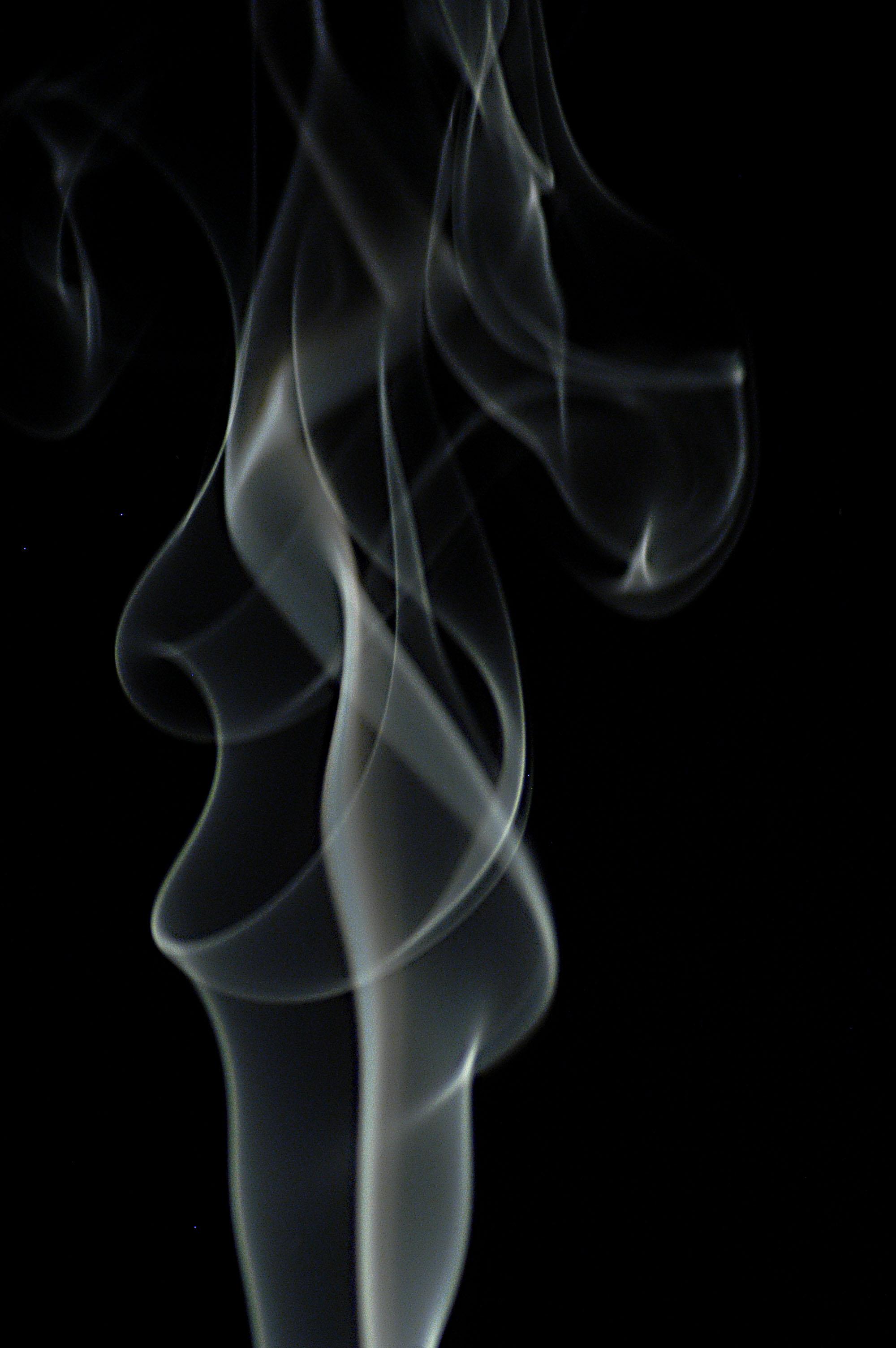
Incomplete, it rises
only to dissipate

like the griefs we shape,
somehow unnoticed,

beyond reach but felt.
Last night’s moon, the glance.

Forgotten stars, a withheld
kiss, words we never formed.

How difficult to be lost.
So easy to remain unseen.

DSC_0094

Apricot Wood (Something from the Past)

screened_circles
This was one of my first posts, from just over a year ago. Thought I’d give it another whirl – it originally appeared in 1986, in SPSM&H, a publication devoted to sonnets. It’s interesting to look my writing from this period. Some pieces seem to have been written by a stranger, long ago and far, far away. This one somehow seems closer.

Apricot Wood

I built a frame of apricot
wood. This was for you. The clouds float
through it even as I sleep. You wrote
once of wild herbs gathered and brought
to a lovely girl, an offering not
of passion but of some remote
desire to hear a word from the throat
of the Lord Within Clouds. I thought
of this as I chiseled the wood.
Last night it rained. I listened to
it from my bed by the open
window, hoping that the clouds would
not leave. This morning two birds flew
by. It is raining again.

Spring Dawn (after Meng Haoran)

file4731293467677
 
This morning I slept through dawn
and the screeching birds, long
after last night’s wild wind and rain.
But who can count the fallen flowers?


The transliteration on Chinese-poems.com reads:

Spring sleep not wake dawn
Everywhere hear cry bird
Night come wind rain sound
Flower fall know how many


file7101237575173

Letter from Kansas

file7201265025021

I was a military brat. My return to the U.S. after attending high school in Italy was, well, interesting. Junction City, Kansas was definitely not bella Napoli. This poem came from that experience, albeit a few years after, and was published in the mid-80s in the Allegheny Review, a national journal of undergraduate creative writing. It’s a flawed piece, and doesn’t resemble today’s work at all, but I think the kid who wrote it still exists. Somewhere.

Letter from Kansas

Caro amico,
Driving the stretch to Junction City,
I look for familiar faces in the cars
we pass, but see only strange grasses
gliding by. Three weeks ago
I slept on a stone-littered hilltop
overlooking the Bay of Naples.
Now the prairie laps at our front door.
A mile from the house two corralled bison
munch dull hay thrown daily
from a truck’s flat bed, and past that
the Discount Center’s sign
spells America. What I wouldn’t give
for a deep draught of Pozzuoli’s
summer stench and the strong
yellow wine that Michele’s father
makes. We mixed it with the gardener’s
red, creating our own bouquet,
remember? And here they say
I’m too young to buy beer and wine.
Without them the food is flavorless,
like the single language spoken.
I understand it all,
and miss the difficulty. Maybe Texas
will be better. Ci vediamo. Bob

This was one of my first posts on the blog, and as you might expect, very few people saw it. I wrote the poem in the summer of 1983, when I was new to poetry, still tentative, exploring. A few weeks later I attempted the sonnet form, and, well, everything changed. Everything.