Two Anthologies


Last year I was fortunate to have work included in two anthologies. The first, Indie Blu(e) Publishing’s As the World Burns: Writers and Artists Reflect on a World Gone Mad, is a 348-page “anthology of poetry, prose, essay, and art inspired by the unprecedented events of the year 2020.” Featuring 114 writers and artists from ten countries, As the World Burns chronicles the madness and horrors of the past year. The voices are diverse — raw and polished, young and old, experienced and new — and they reflect a populace whose needs have been unmet and ignored all too long. In time this volume will stand as one of the most powerful literary artifacts of this mad year.

Edited by Kindra M. Austin, Candice Louisa Daquin, Rachel Finch, and Christine E. Ray.

Available through Amazon in paperback and via Kindle.

Unlike As the World BurnsNo More Can Fit Into the Evening: An Anthology of Diverse Voices is not a collection of themed pieces. Rather, its purpose is to offer a substantial grouping of poems (5-10) by each contributor, allowing readers to obtain a more nuanced flavoring of the poets’ work. Thus the 350+ page anthology presents only 39 poets. The anthology includes well known writers like Terence Winch, Kimberly Blaeser, James Janko and John Looker, as well as lesser knowns like, well, me. This is a perfect winter’s evening read. Dip into it and perhaps you’ll find a new favorite poet. At the very least you’ll find hours of entertainment, and much food for thought.

Edited by Thomas Davis and Standing Feather

The book is being distributed by Ingram, and should be available (if not in stock, through special order) through bookstores in the U.S., Great Britain, Australia, Canada and New Zealand. It’s also available through Amazon.




May You Find Peace, Joy and Good Health in the Coming Year

May you find peace and joy in the coming year.

Senate (Tritina)

Senate (Tritina)

Not imposition, but welcome.  The way
cooperation welcomes coercion, turning the
tenor of the intended phrase, opening

the statement to interpretation, opening
a point without dissension, in the way
of politics, agreeing which fact will shape the

morning, which truth will determine the
next word and the subsequent, as if opening
the issue, claiming to have found the way,

one way, the only, but never actually opening.

* * *

A tritina might best be described as the lazy poet’s sestina, consisting of ten rather than 39 lines, with the end words of the first stanza repeating in a specific pattern in the subsequent two stanzas. The last line includes all three end words.

The patterns:
abc
cab
bca

The last line uses the end words in sequence following the pattern of the first stanza.

This first appeared on the blog in March 2017.

The Question is Never


The Question is Never

Who will lock the door
or leap in front of the jacketed

bullet. Nor is it four words
born in lust and camouflaged

with piety. No one cares
if you blink or continue

breathing. No one knows
what you think. Nothing

matters. Not the pen
in her hand or your finger

on the trigger. Not the crying
and the dead and the stains

in the hallway, the man
in the street hiding behind

himself. The question
is no question, but an answer

struggling to emerge. Never
formed, never truly complete.


“The Question is Never” first appeared on Vox Populi in June 2018.


Listening to Cicadas, I See Charlottesville (Ghazal, with recording)


Listening to Cicadas, I See Charlottesville (Ghazal)

Shedding one coat, you live in the red, apart
from the rest. Never together, forever apart.

In this sun-drenched field, the cracks drill deeper,
wider, dribbling soil and small lives, expanding, apart.

What falls truer than any words released from this man?
Once divided, never again to touch, always apart.

The electric shrill fluctuates pitch, in unison. Hundreds
of tymbals, shredding dusk, now together, then apart.

You narrow your eye to a slit, but still see the entire
spectrum. Wing clicks, stridulation. Whole yet apart.

Shearing syllables, I learn the language of half-truth.
What is my name? I reach for that fragment. It falls apart.


If Ahead I See


 If Ahead I See

Gray skies filtered through light,
eyes adapting space,
the possibilities of the

horizon or a foot
lashing out in reflex,
what do I learn?

The house finch sings as if
all air will expire at song’s end.

Falling, I release this misplaced trust.
The path, muddied and crowded with fools.


* * *

“If Ahead I see” is included in my 2017 chapbook, From Every Moment a Second.

On Air Conditioning


 On Air Conditioning

The man who owns everything wants more.

Another offers his sandwich,
accepting grace with a smile.

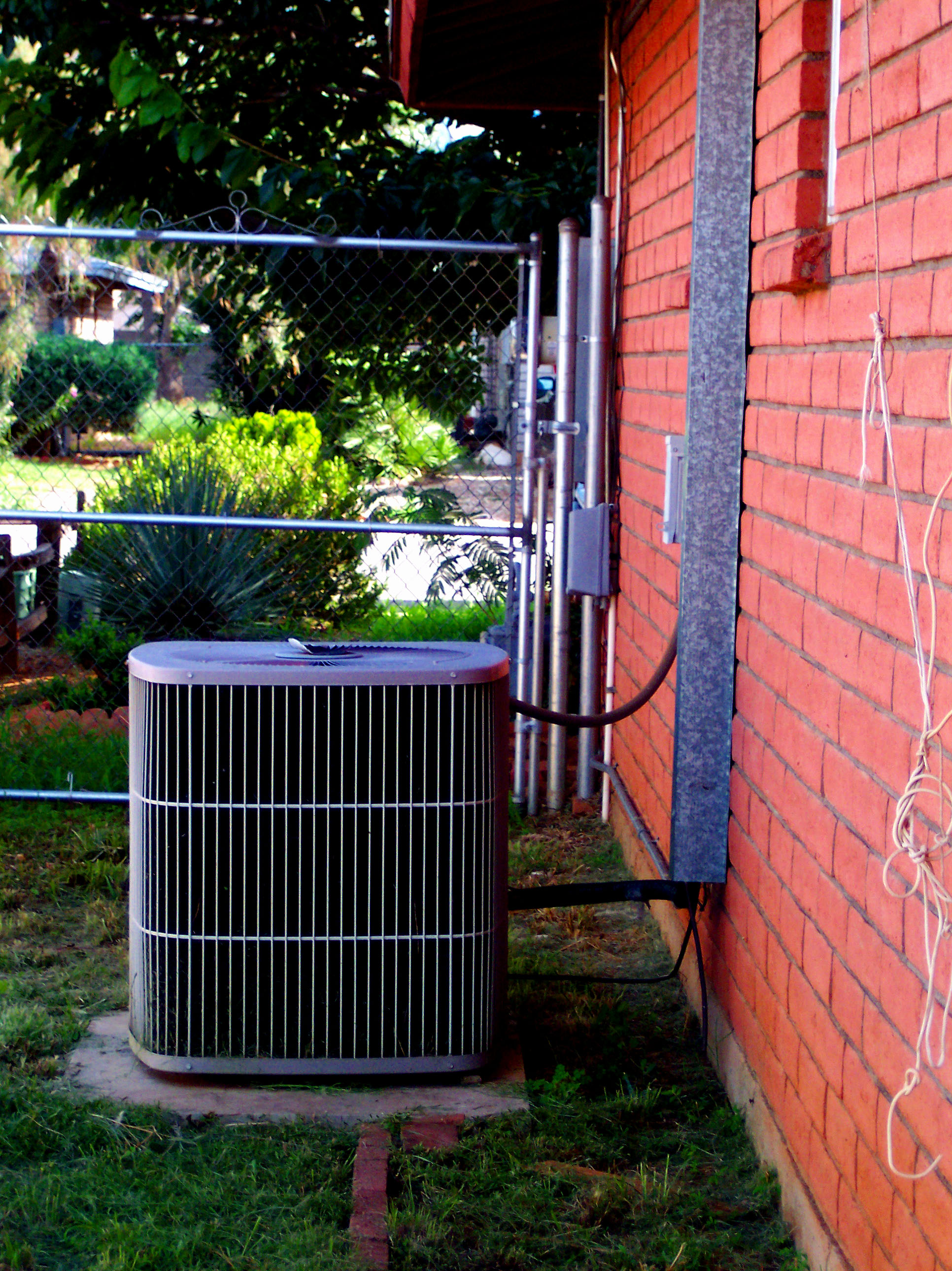
Like vapor condensing in a coil
to remove heat from the air.
Difficult to comprehend.

Harder to live.


Gulf

gulf


Gulf
for M.V.

Which looms wider, its sky or water? The birds, here, too,
reconvene in greater streaks. This morning I stomped around
Paisano, examining the grasses and soil, the rocks and various
configurations of clouds, and listened to experts discuss
prescribed burns and how the land’s contours can determine
sequence and efficacy. The mockingbird whose territory
we occupy has disappeared. Perhaps he’s just moved on.
I heard a red-bellied woodpecker yesterday, but never saw it,
and of course the rattlers at the ranch are still underfoot, just
less apparent this time of year. I looked closely, as always,
but never spied one. What else did I miss? The rich people
on the bluffs bulldoze habitat, poison creeks and erect their
Italianate villas, caring not a whit for the breeding warblers
or the landscape, although they might pony up a few bucks
for an environmental charity if sucked-up to properly. Given
a choice between the two, I’d pick the snakes every time;
they don’t smile or offer spiked drinks and stories of their
conquests, and usually warn before striking. Even a minor
deity might take offense and crack open a new fault in the
earth between this place and theirs, widening it by inches
with each presumption, every falsehood, whether shaded
in unrelated facts or illogic, until that shifting space could
be spanned solely by a bridge planked with truth and good
manners, and, yes, by mutual consent. Looking back, I
find many examples of these bridges collapsing in utero,
but we keep trying. Your story of the gulf coast storm
reminded me of weeks spent on calm water, and seeing,
no matter where I turned, blue meeting blue, from horizon
to horizon, the sky never broken by bird or cloud, born
anew each day, always looking between, never down.


“Gulf” was published in West Texas Literary Review in March 2017.


The End of Something


The End of Something

I would never pin this silence
to a board, but her anger tempers
sunset, and my response remains
contained. The paper stars
I nailed to the bookcase rustle
when the door opens. She
swallows wine, I sip tea
and offer no explanations.


“The End of Something”  first appeared in Volume 3 of Lamplit Underground. Thank you, Janna Grace, for taking these pieces.

Lamplit Underground is a beautifully illustrated publication. Please take a look!


Poem Swallowing Itself

OLYMPUS DIGITAL CAMERA

Poem Swallowing Itself

Reading aloud—
people turn their heads
and step back, never

imagining what lies behind,
expecting neither snakes
nor bear traps nor other ambush.

Beginning where one ends, or
continuing a conversation
over decades, the truth

rises then subsides,
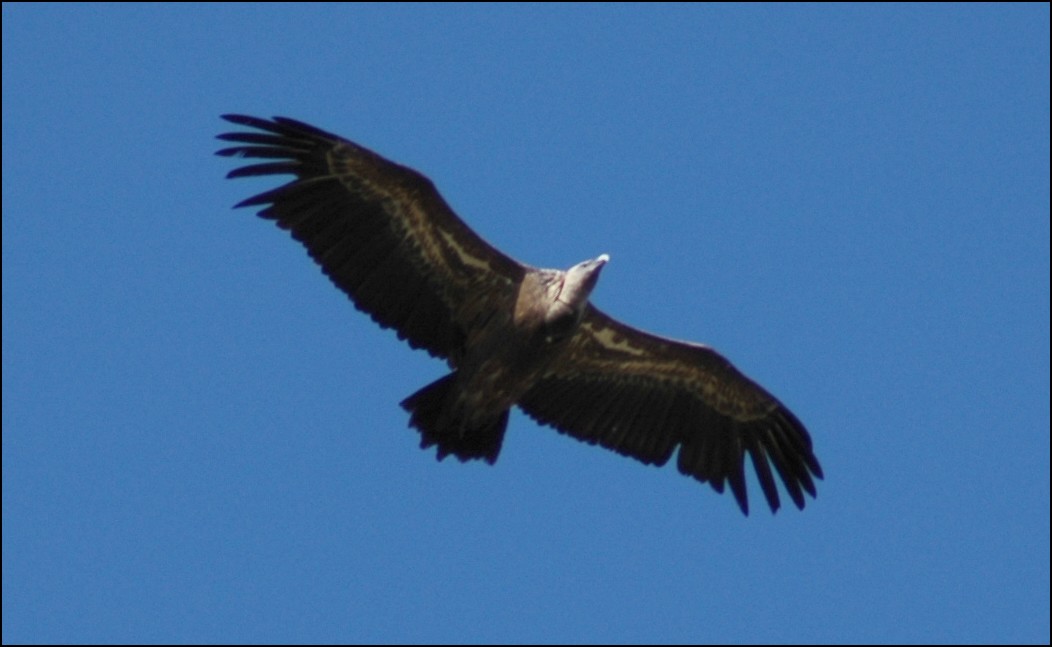
like soaring vultures or
cubes in scotch whiskey.

Measuring volume by
glance, the poem shivers,
opens its mouth wide.

vulture

“Poem Swallowing Itself” first appeared here in April 2016.