How that blue turns gray over green
at a slight tilt of the chin,
and even upside down
anchors the tree.
Some constellations escape language,
stars looming without nouns and adverbs,
the utterances of the planets
caught in the gravity
of their own situations.
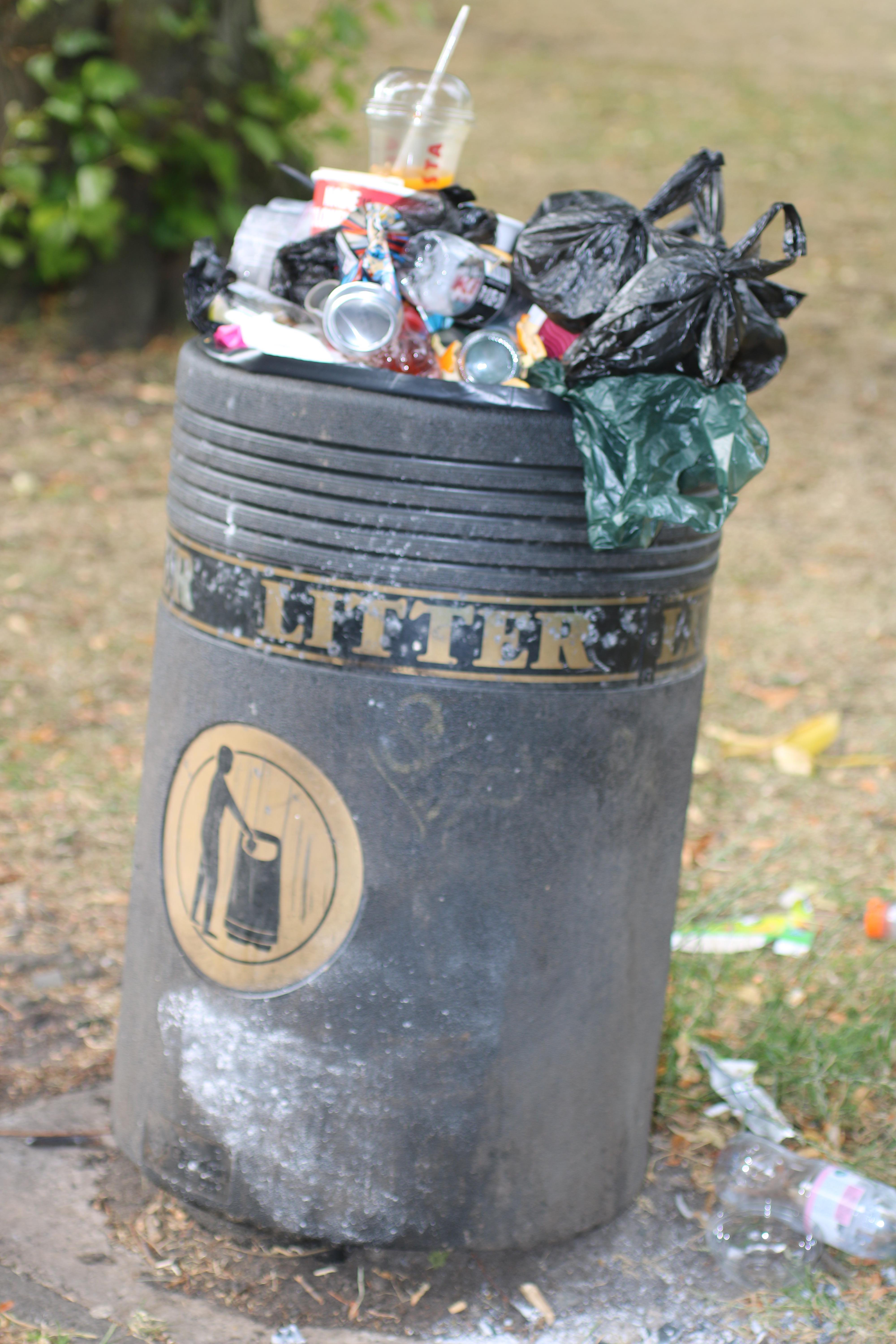
Laugh, but the trashcan is full. The lawn is brown.
There are no gods.
Unadorned statements abound.
Even this sky may shift again,
the most intimate twist
turned full.
* * *
“The Most Intimate” first appeared at Poetry Breakfast in May 2019. Thank you, Ann Kestner, for taking this piece.
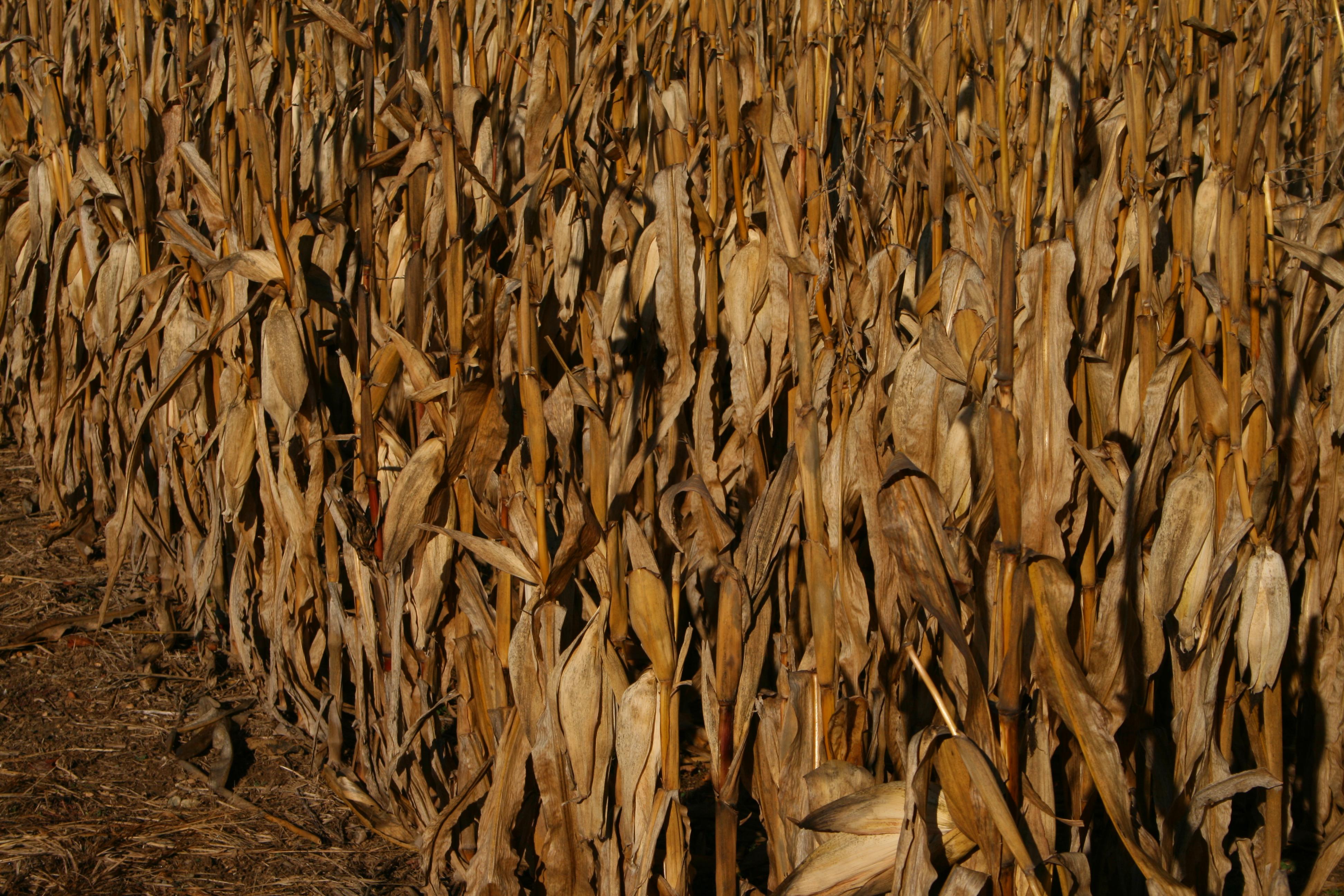
What is a ghost if not misplaced energy, an apprehension or the sum of invisible integers and the properties they possess? I preside over this sea of maize, tracking clouds, noting patterns up high and among the flowing stalks, absorbing minutiae, assigning connections, piecing together bits, moment to thought, soil to trickle, flutter to gain. Energy. Inertia. Waves, converted. If I had a bed I would not neglect to look under it. The closet door would remain open, a nightlight positioned nearby with perhaps a mirror or two angled to offer clarity, and the radio tuned always to jazz, providing little purchase to any ill-intentioned spirit. The power of beauty transfixes, even as it carries me far from my station, from hilltop to plains to glowering moon. If neither place nor reason, what consumes our spiritual remnants, what directs our currents to the next, and each successive, landing? Crows have long been considered conduits to the afterlife, but they exist here, in the now. I do not perspire but fix my gaze on numbers and their tales, on zero and the history of nothing, on unseen fingers walking up my spine, shedding a residue of snow, of mercury and latent images and dormant seeds in the world underfoot, acknowledging the wonders of what can’t be proven, what won’t be held or seen. Still, I add and subtract, unclench my fingers and accept the quiet, caught forever within the limits of the boundless, under the sky, in space, within the improbable.
“Scarecrow Believes” was first published in May 2017 in GFT Presents: One in Four, a semiannual, print literary journal, and was subsequently published by Vox Populi.
The body’s landscape defines its genealogy: my father was a board,
my mother, an integrated circuit, my great-grandmother, an abacus,
and her progenitors, tally sticks. In the third century the artificer
Yan Shi presented a moving human-shaped figure to his king, and
in 1206 Al-Jazari’s automaton band played to astonished audiences.
Nearly 300 years later Da Vinci designed a mechanical knight, and
four centuries after that Tesla demonstrated radio-control. Twenty-two
motors power my left hand; Asimov coined the term “robotics” in 1941.
Pneumatic tubes line my right. Linear actuators and muscle wire,
nanotubes and tactile sensors, shape my purpose, while three brains
spread the workload. If emotion = cognition + physiology, what do I
lack? I think, therefore I conduct, process, route and direct. Though
I never eat, I chew and crunch, take in, put out, deliver, digest. Life is
a calculation. Death, a sum. No heart swells my chest, yet my circuits
yearn for something undefined. Observe the blinking lights, listen for
the faint whir of cooling fans. I bear no lips or tongue, but taste more
deeply than you. Algorithms mean never having to say you’re sorry.
* * *
This piece was originally drafted during the August 2015 Tupelo Press 30-30 Challenge, and is dedicated to Margaret Rhee, whose book Radio Heart; Or, How Robots Fall Out of Love inspired me. Thanks Kris, for sponsoring and providing the title!
The poem was published in October 2017 by Figroot Press.
We have always absorbed heaven,
even through these days of malformed
grain and truth pulled dark and low:
variety confirms purpose. This ear
captures no sound. These inflorescences
produce starch. Those
release pollen. You will die one day.
Inaction reflects uncertain intent.
One must weigh frost,
and with their shallow
roots, susceptibility to drought, poor
soils and high wind. Your lips
kiss steel more readily than flesh, yet
I pray that you amend your thoughts
and accept my proffered hand,
that the individual fruits of the cob
may one day fuse into a single mass,
bringing weight to sunlight,
and a greater grain to your table. But
the door stands unopened, a voice
censuring the innocent. I contemplate
converted light, consider
crows, subduction and rags flapping
in the darkness, silent
tongues wavering unseen above the
unhoed dirt, within each kernel’s
purpose, deep into a hollow core,
raging, unmet and shriveled,
hands opened, resolute yet proud.
The title is from a traditional song, as performed by Alison Krauss and Union Station. The poem is my take on it. “The Boy Who Wouldn’t Hoe Corn” was included in GFT Presents: One in Four, a semiannual, print literary journal published by GFT Press.
I have four poems included in Purifying Wind (now available as an Ebook for $4.99, and in print for $12.00), an anthology of pieces about or mentioning vultures. I’m proud to have these poems published alongside those of fellow poets Sudhanshu Chopra, Stephanie L. Harper and Jim LaVilla-Havelin, among others. Thank you, d. ellis phelps, for taking these poems.
I have four poems included in Purifying Wind (available through Amazon), an anthology of pieces about or mentioning vultures. I’m proud to have these poems published alongside those of fellow poets Sudhanshu Chopra, Stephanie L. Harper and Jim LaVilla-Havelin, among others. Thank you, d. ellis phelps, for taking these poems.







 O at the Edges