Unknown's avatar

About robert okaji

At one time I was a sailor. I once owned a bookstore. I live in Texas with my wife, two dogs, and a few books.

Giving Time

image


Giving Time

The supplicant’s desire:

mornings sliced into perfect pieces, afternoons
dipped in honey, evenings freed.

A gift of absence.

To gather and bear, shaping
the resultant minutes,

she takes yeast from the air, adds
flour, water and salt.

Matched with the ripening

hour and the sweetened bitter taste,
I recall how blood
seeped through the towel, and

observe on the table the
cheese, plums, the harvested day.


* * *

This originally appeared on Bonnie Mcclellan’s International Poetry Month website. A recording is also available there: https://bonniemcclellan.wordpress.com/2015/02/17/giving-time-by-robert-okaji/


image


Texas Haibun

file000227150579


Texas Haibun

I dream of poetry in all its forms, rising and flowing and subsiding without end, much like ice shrugging within itself. Last winter a hard freeze split a valve on the downstream side of the cistern. Had it cracked even a few inches up-line there would have been no need to replace the valve.

captive rain recalls
its journey towards the ground
the garden returns

The well terminates at 280 feet. The water is hard, but cool, and tastes of dark limestone and ancient rains.

Even the gnarled live oaks have dropped their leaves. Grass crunches underfoot and smells like dead insects and dried herbs. Mosquitoes have vanished. Only the prickly pears thrive. Their flowers are bright yellow and bloom a few days each year.

sauteed with garlic
nopalitos on my plate
their thorns, forgiven

I wipe sweat from my forehead with the back of the glove, and wonder how many ounces of fluid have passed through my body this year, how the rain navigates from clouds through layers of soil and stone, only to return, how a cold beer might feel sliding down my throat.

stoking the fire
winter rain whispers to me
forget tomorrow


* * *

Originally posted in February, 2014, this was my first attempt at a haibun.


photo(15)


Even the Sotol Believes

image


Even the Sotol Believes

If we must discuss logographic systems, let us begin with fish.
And how might one mistake an entrance for a perch?

A movable rod for a desert spoon?

Today’s lesson excludes a poorly rendered door.

Hinges are merely mechanical joints, the origin of which means to hang. Concentrate there.

D is the tenth most frequently used letter in English.

Depicted on rock wall paintings, the sotol has provided food, sandals,

blankets, ropes, tools and spirits for millennia.
Slow cook the roots for three nights, crush, then ferment for seventy-two hours in

champagne yeast. Distill, then age in French oak.

We shall neither open nor close, nor mention those things that do.

Like bivalves. Bottles. Eyes. Shops. Caskets. Books. Mouths. Circuits.
Its flower stalk rises up to fifteen feet. Its leaves are long, thin and barbed.

Surrounded by orange ochre flames and black smoke, the sotol spirit appears.

Dalet will not enter our vocabulary today.


image

Originally published in Otoliths 41 (October 2013), and most recently posted here in June 2018.


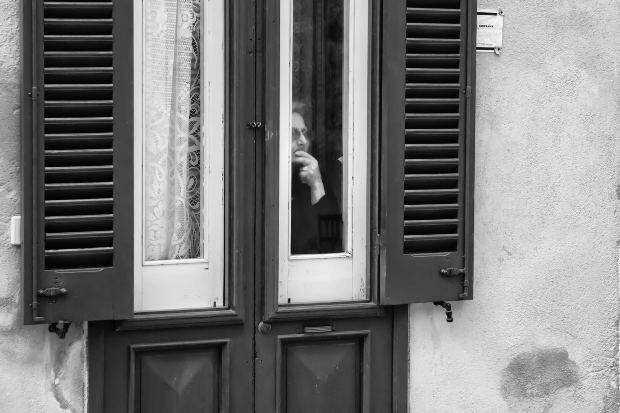
Yesenin

image

Yesenin

Respite, involuntary and gentle
circling one’s
collar, a touch barely felt, renewed.

Or, the other turns,
belying expression and the halted voice.

The recursive window, closing.
A final poem in blood.

And beyond the glass? The face behind
the indifferent mask
designs its own

smile, risking everything
as the chair’s leg tilts,

inertia become constriction,
the taut lapse begun.

* * *

A fascinating poet, Sergei Yesenin died nearly 90 years ago. You might check out his bio on wikipedia.

image

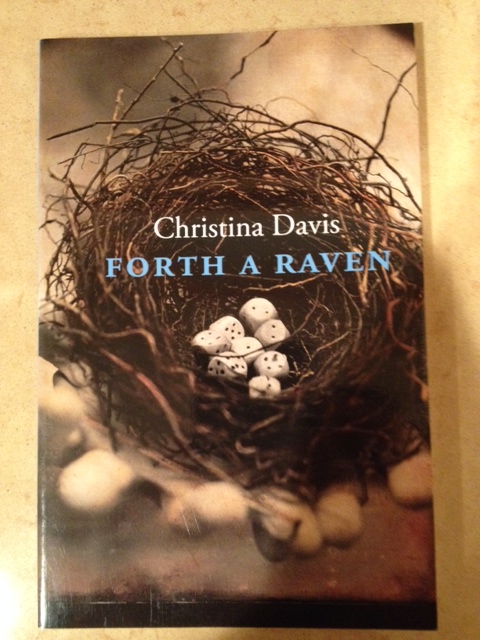
Fifty-Word Review: Forth a Raven, by Christina Davis

(Originally appeared in December 2013)

Christina Davis’s Forth a Raven offers stark, textured, intelligent and lyrical pieces in a stripped-down yet ultimately complex, reflective language. Encompassing the tension of different realms – the spiritual and the secular, the extraordinary and the mundane, her work, quite simply, astounds. Read this book. Seek out her work. It’s sublime.

photo(7)

Recording of “The Loneliness of the Last”

The Loneliness of the Last

Always exposed, never sharing the comfort
of between, you see only the departed

diminishing with each second’s passage, blurring,
shrinking, and finally blinking out, all points

erased in the null, an eye closing in the tunnel.
Or, inhaling the fragrance of an unseen orange

grove filtered through coal and thick, black
coils, you accept the limits of possibility,

known only by edges flowing past, lost
to touch and forever beyond reach in the draft

of the inadmissible. Departure defines
you. What lies ahead is not yours to embrace.

* * *

“The Loneliness of the Last” was published as a mini-broadside by ELJ Editions in February 2017.

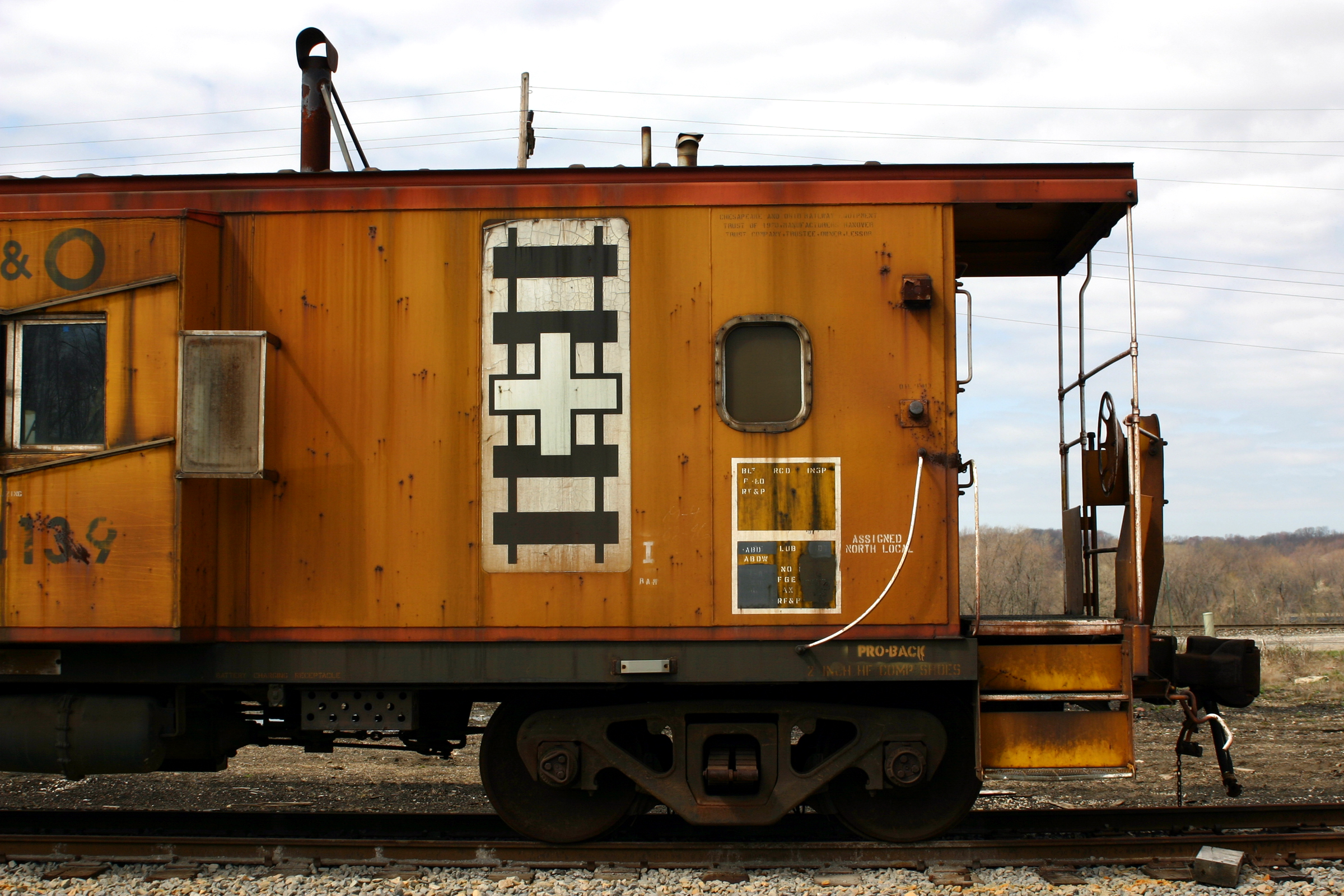
Loneliness

“Trem Abandonado” by Rafael Vianna Croffi
(https://www.flickr.com/photos/rvc/29472173566)


The Draft (with recording)


The Draft

All memories ignite, he says, recalling
the odor of accelerants and charred

friends. Yesterday I walked to the sea
and looking into its deep crush

sensed something unseen washing
out, between tides and a shell-cut foot,

sand and the gull’s drift, or the early names
I assign to faces. This is not sadness.

Somewhere the called numbers meet.


* * *

“The Draft” first appeared in Taos Journal of International Poetry & Art.

Onions

image

Onions

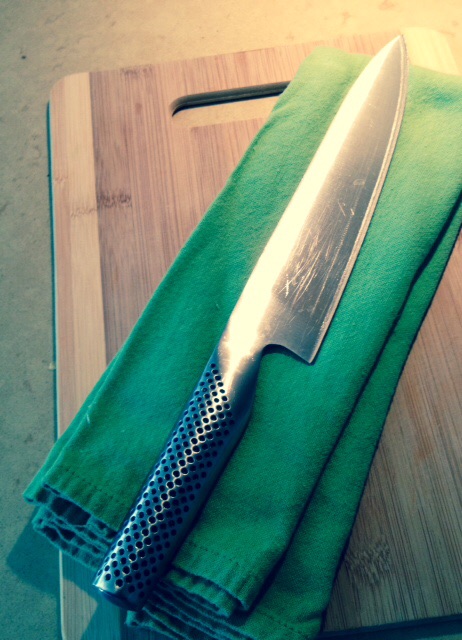
My knife never sings but hums instead when withdrawn from its block, a metallic whisper so modest only the wielder may hear it. Or perhaps the dog, who seems to enjoy the kitchen nearly as much as I. A Japanese blade, it’s a joy to hold, perfectly balanced, stainless steel-molybdenum alloy, blade and handle of one piece, bright, untarnished, and so sharp as to slide through, rather than awkwardly rupture and divide, its next task on the board.

We’ve never counted the chopped and rendered onions, the fine dice, slender rings and discarded skins, but if we could gather all the corpses we’ve produced together over the years, we’d form a monument to our work, cooperation of metal and man, a Waterloo mound in memory of the bulbs laid there, the planning involved, the missteps and serendipity, and the tears shed along the way.

The blade doesn’t care. It is. It works. It moves things, it lifts, it parts them, and in return is cleansed, and later, in the quiet room, maintains its edge with a silvery rasp, angled steel on steel in a circular motion, over and over, until finally it hums its way back into the block. But it never sings.

image

“Onions” first appeared here in 2015. Hmm. This reminds me (again) that I need to sharpen knives…

Alas, my bout with COVID-19 has rendered me incapable of, or unwilling to, cut into onions. COVID-induced parosmia is still affecting me, and onions and garlic are still difficult to eat. But at least bacon, peppers, arugula, chocolate, and hoppy ales are once again palatable. Damned pandemic!

Osso Buco

file00029145808


Osso Buco

The reconciled, the residue of one’s
virtues displayed or absorbed

that within become the basis for
talk: furtive movements, the knife’s

gentle persuasion, wine
afforded the quality of enhancement.

We must preserve the truth, and other
disingenuous phrases, as if we may

admit our tastes only at great cost
to our politics and sense of being.

And fruitful loss – the reduction
sauce, or stock evaporated – which

attaches in dissipation
the grace of subtlety. To be more

with less. To be apparent yet
concealed. To be, in turn, aware.


file00092920180

“Osso Buco” first appeared here in March 2015.


Variations on a Theme

darkedinburgh_shadow

Variations on a Theme

1. The Long Night

We envy the shadow its attributes, its willingness to subside,
but what of its flesh?

I lay in the field and wept.

Think of the fragrance, the moist leaves
enveloping the still

warm body. In retrospect, I realize that I should never have left, that air
returns to voided space despite all attempts to disavow

light, that wind and rain and soil alike filter through the chest’s
cavity, that stones may bear one’s touch in perpetuity.

At nineteen, death had gifted nothing to my world.
At twenty, little else remained.

So close, so lovely.


2. The Loneliness of Shadows

Light collapsing around a point. The two-headed flower.

In my dreams, no one speaks.

Not the thing itself, the bud bursting forth, petals ablaze with color,
but rather change: the process reinforced.

Sleep seldom shows such kindness.

Or its fruit, redolent of sun and rain, withdrawn and shriveled,
and finally, ingested.

Yesterday I woke damp but unafraid.


3. Alchemy

Stones never talk, but they rise from the earth, appearing as if by invitation.

The way silence lines an unfilled
grave, which is to say as below

so above, an infinite murmur open to the night.
And other notions: transpiration.

Waste.
Sublimation. Calcination and burning.

At times I have withdrawn
like water from the air’s

body, fearful yet reckless in the act.
That evening the moon flickered and the shadows lay at our feet,

and all the words we never framed,
the bitters our tongues could not know, the wasted

music and abandoned caresses, those words,
sighed into the ground, leaving you adrift, alone.

But how else might one transform darkness to light?
Or the reverse.
huey_ef


This originally appeared in Boston Poetry Magazine in April, 2014, and was first posted here in July of 2015.