Rice

image

Rice

Yesterday’s rain informs me I’m born of luck and blended
strands, of hope and words forged before a common tongue emerged.

Of my first two languages only one still breathes.

The other manifests in exile, in blurred images and hummed tunes.

Rice is my staple. I eat it without regarding its English etymology,
its transition from Sanskrit to Persian and Greek, to Latin, to French.

Flooding is not mandatory in cultivation, but requires less effort.

Rice contains arsenic, yet I crave its polished grains.

In my monolingual home we still call it gohan, literally cooked rice, or meal.
The kanji character, bei, also means America.

Representing a field, it symbolizes abundance, security, and fertility.

Three rice plants tied with a rope. Many. Life’s foundation.

To understand Japan, look to rice. To appreciate breadth, think gohan.
Humility exemplified: sake consists of rice, water and mold.

The words we shape predicate a communion of aesthetics.

Miscomprehension inhabits consequence.

* * *

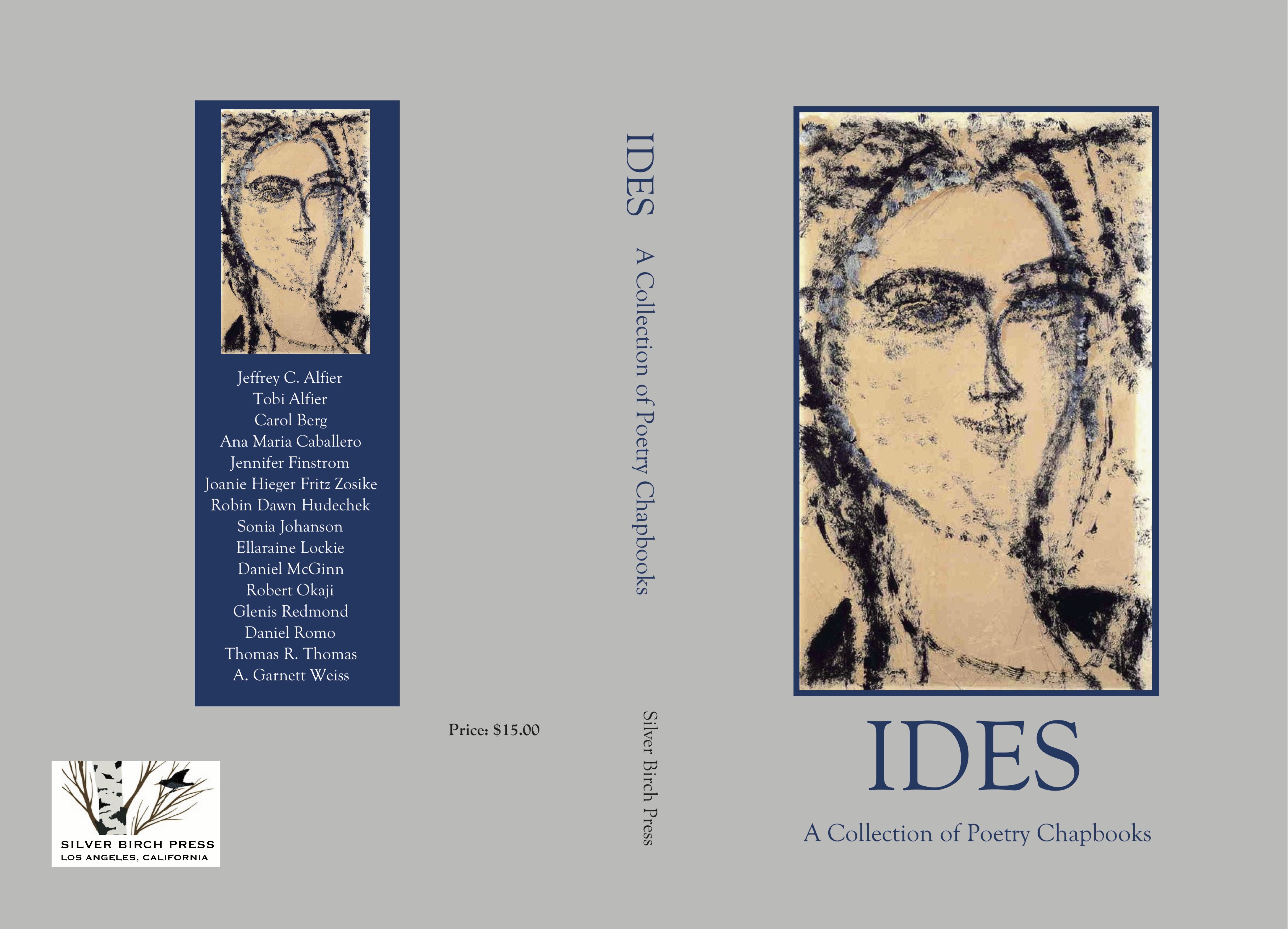
“Rice” appeared here in June 2015, and in my chapbook, The Circumference of Other, which is included in Ides, a one-volume collection of fifteen chapbooks published by Silver Birch Press and available on Amazon.com.
image

The Geography of Silence

laundry


The Geography of Silence


1. Laundry drooping at midday.

2. She dreams off-key, in pastels.

3. With misunderstanding comes anger.

4. Mata! Mata! Again!

5.  Ashes crossing the ocean.

6.  Sweat, and the taste of separation.

7.  Reaching for past moons, she cries.

8.  Death’s shade.

9.  Rice.

10.  Self-sacrifice, the centered gift.

11. Inward, always. Inward.

telescope map

“The Geography of Silence” first appeared here in March 2016.

May I Be Familiar


May I Be Familiar

Do we find you in what you’ve left or where you’ve gone.

In words you could not form, or forgot long ago.

Missing the pastels, the shades, all nuance.

With moistened hands, I pat rice into a ball and wrap it in seaweed.

By my reckoning, the word who no longer implicates.

Ritual accumulates significance in memory.

Forgotten fruit on the sill. A whisper nailed to the wall.

Honor and pride line your earthen home.

Though you never did, I pickle ginger. Make takuan.

The transparent house reflects no gaze and contains no one.

Gathering your absence, I coil it around my body.

* * *

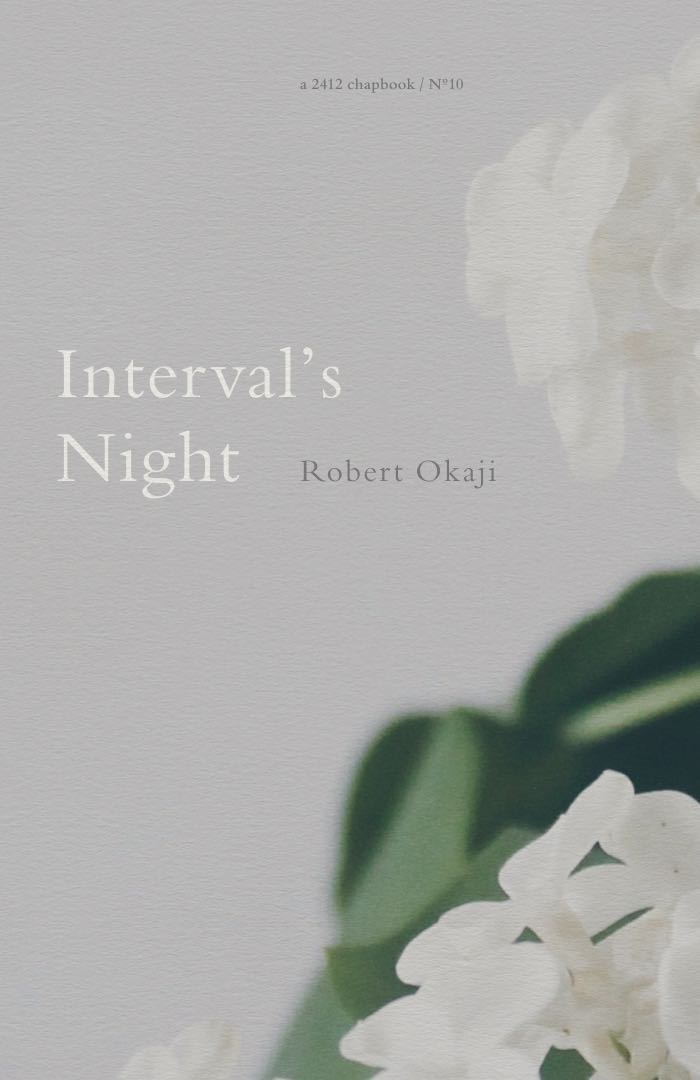
“May I Be Familiar” is included in my mini-digital chapbook, Interval’s Night, published by Platypus Press as part of their 2412 series.


Thinking of Language

words

Yesterday, while avoiding the big rig frenzy on the wet highway, I heard a fascinating talk on NPR’s TED Radio Hour, Phuc Tran’s “Does the Subjunctive Have a Dark Side.” The idea of how one’s language, one’s grammar, can shape or affect a culture, has never been made so apparent to me as in this well articulated piece.

Hmong American Poets (Updated)

hmong

An update to the series. Read Khaty Xiong’s interview, and listen to/read “In Mother’s Garden.” Buy her books, or download (for free) this mini-digital chapbook, Ode to the Far Shore. A beautiful work!

The Academy of American Poets is offering a series, curated by 2016 Walt Whitman winner Mai Der Vang, featuring poems by and discussions with Hmong American poets.

Our country is enriched by its great diversity, yet we too often passively accept only what comes to us. Read these poets. Listen to their words. This is who they are. Who we are.

Hmong American Poets

hmong
If we don’t seek, how will we learn?

The Academy of American Poets is offering a series, curated by 2016 Walt Whitman winner Mai Der Vang, featuring poems by and discussions with Hmong American poets.

Our country is enriched by its great diversity, yet we too often passively accept only what comes to us. Read these poets. Listen to their words. This is who they are. Who we are.

Poem Up at Calamus Journal

sol


My poem, “Palinode (sol, ischemia, night)” is up at issue 3 of Calamus Journal.


My Poem “The Resonance of No” is Up at the December Issue of Gravel Literary Magazine

dishes

My poem, “The Resonance of No,” is up at Gravel.

A Poem from My Recently Published Micro-Chapbook has been Nominated for a Pushcart Prize

no-eye

The editors of the Origami Poems Project have nominated “Parting from Wang Wei,” a poem from my recently published micro-chapbook, No Eye But the Moon’s: Adaptations from the Chinese, for a Pushcart Prize. Many thanks to Jan and Kevin Keough for this honor. The chapbook is available via free download from Origami Poems Project. And please peruse their site for other titles and folding instructions.


Sensing My Dismay at the Election Results, My Wife’s Dog Presses Against Me

keep-off


Sensing My Dismay at the Election Results, My Wife’s Dog Presses Against Me

And when I roll over, my toe finds a hole in the not
inexpensive 400 thread count percale sheet and rips

down its length, and I wonder if I should extend this
metaphor to include walls and the unbearable weight

of societal collapse, or hatred with small hands and
minds or faces like pale disks of whitewashed emptiness

glaring at my friends, or, well, my wife and I, across
the restaurant’s laminate booths or the potholed street

by the bus stop. I recall the woman’s sneer and hushed
commentary that afternoon, and though I wanted to

correct her mistaken assumption (hey, lady, I’m not
Hispanic) and redirect her bigotry to the correct ethnicity,

I chose instead to smile and wave goodbye, to drive to
the polls and cast my ballot, one drop in that dark bucket

of nothingness, floating alone, perhaps to coalesce with
others and attain some sense of parity and belonging,

or to remain outcast, bewildered, wondering how this
could be, what’s happened to us, my home, our country.

real-patriots