Hey, I’ve Won a Chapbook Contest!


The Sadness of Old Fences 2

I’m delighted to report that I’ve been named the winner of the 35th Annual Slipstream Poetry Chapbook Contest:
 
Slipstream is pleased to announce that the winner of our 2022 Poetry Chapbook Contest is Robert Okaji for his collection, “Buddha’s Not Talking.” The book will be published in late summer. All entrants in the contest will receive a free copy of the chapbook, along with a copy of the latest issue of Slipstream (Issue #42 Bread/Blood/Beats theme issue.
 
Robert Okaji lives in Indiana with his wife, stepson and cat. He holds a BA in history, served without distinction in the U.S. Navy, toiled as a university administrator, and no longer owns a bookstore. His honors include the 2021 riverSedge Poetry Prize, the 2021 Etchings Press Poetry Chapbook Prize, and the 1968 Bar-K Ranch Goat-Catching Championship.
 
Poet Robert Penick writes: “In an era of ego and agenda-based poetry, Robert Okaji ties us to the moment, the gesture, and the event. What few may understand is how important his commitment is to the truth. Okaji measures speed, spit, and distance, always taking the velocity of time into account before launching an image or forecast. And he never misses his target.”

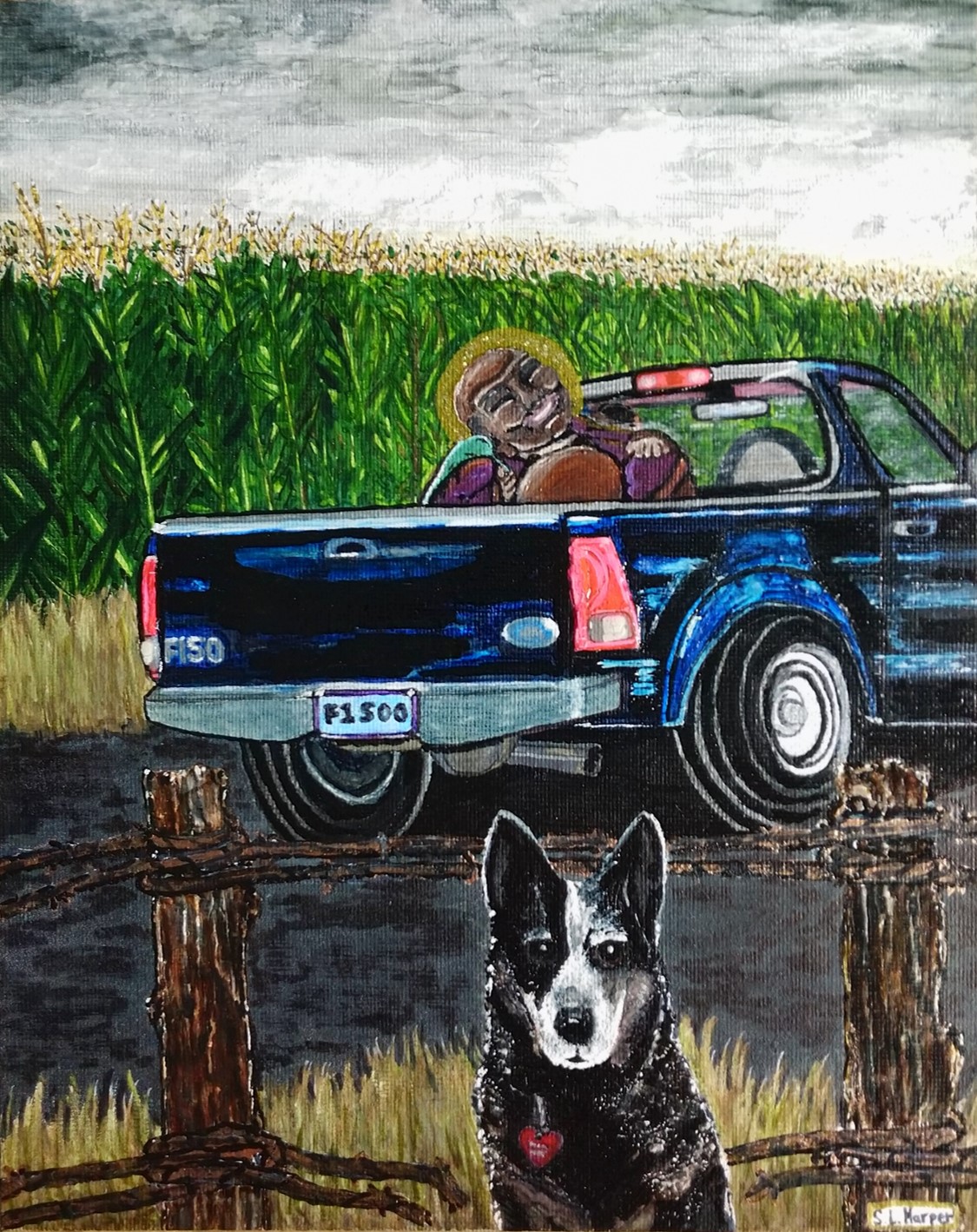
I’ll post order links when available. Cover art by the inestimable Stephanie L. Harper. Author photo by Matthew Harper. 

Cover Photo

The Geography of Silence

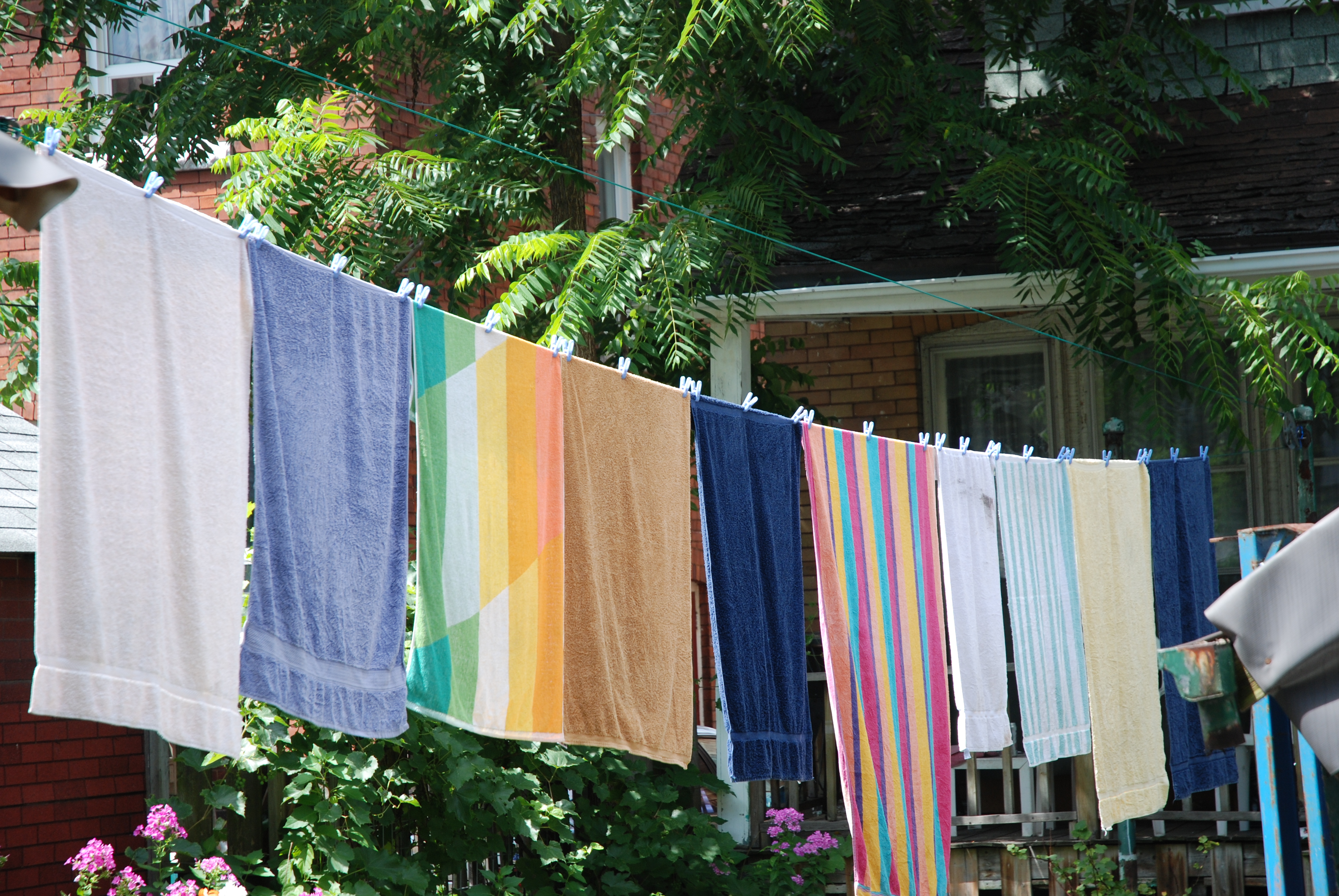
laundry

The Geography of Silence

1. Laundry drooping at midday.

2. She dreams off-key, in pastels.

3. With misunderstanding comes anger.

4. Mata! Mata! Again!

5.  Ashes crossing the ocean.

6.  Sweat, and the taste of separation.

7.  Reaching for past moons, she cries.

8.  Death’s shade.

9.  Rice.

10.  Self-sacrifice, the centered gift.

11. Inward, always. Inward.

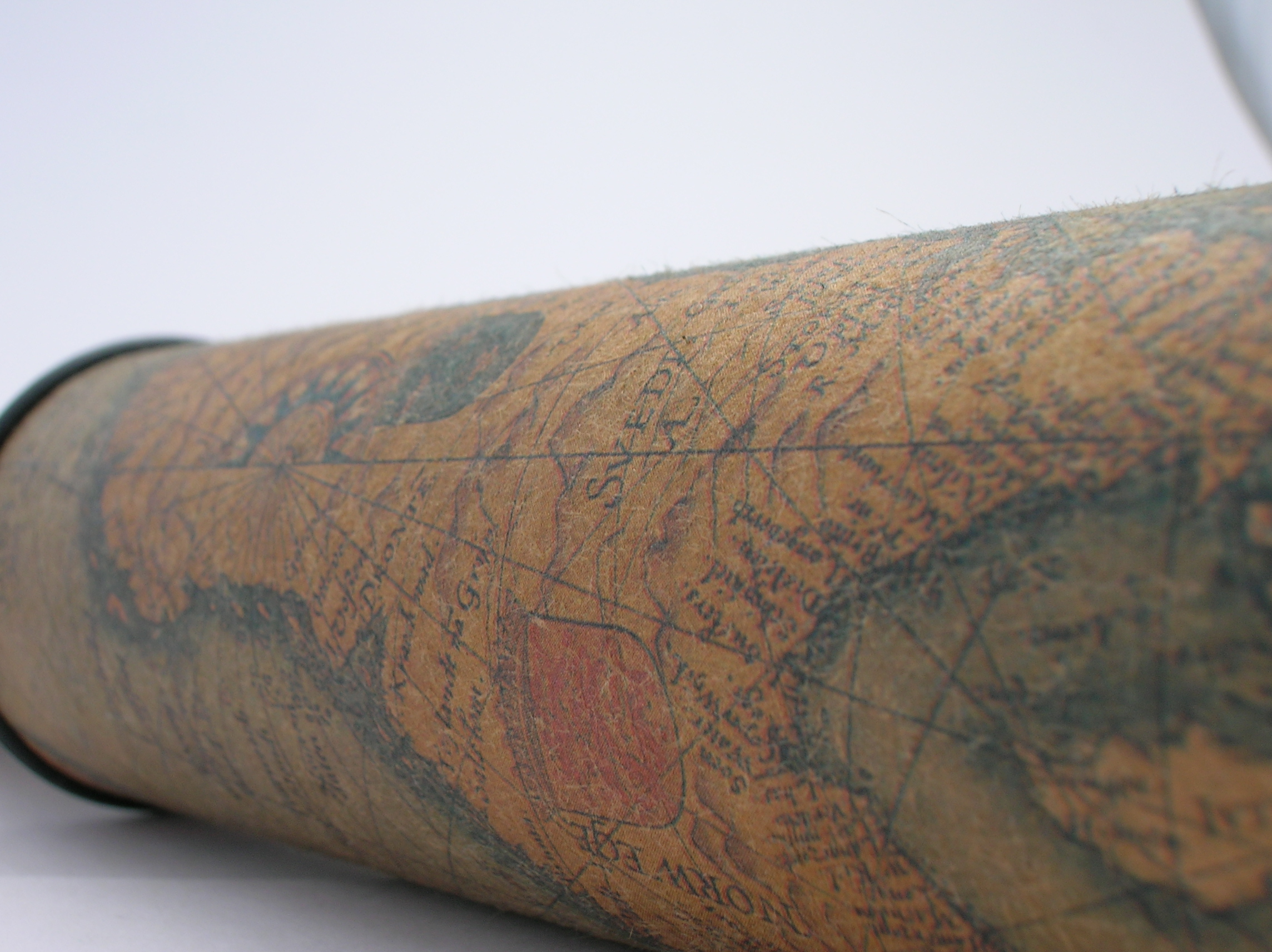
telescope map

.

Mother’s Day (with recording)

Mother’s Day

The dog is my shadow and I fear his loss. My loss.
I cook for him daily, in hope of retaining him.

Each regret is a thread woven around the oak’s branches.
Each day lived is one less to live.

Soon the rabbits will be safe, and the squirrels.
As if they were not. One morning

I’ll greet an empty space and walk alone,
toss the ball into the yard, where it will remain.

It is Mother’s Day.
Why did I not weep at my mother’s grave?

I unravel the threads and place them around the dog.
The wind carries them aloft.

“Mother’s Day” was published in The Lake in July 2016, and last appeared here in May 2020. It is included in my recently published chapbook, My Mother’s Ghost Scrubs the Floor at 2 a.m., available now from Amazon.com and Barnes and Noble.

Elegy


Elegy  

1. Adrift

I count more graves than people in my sleep,
but nothing turns more quickly

than an empty wind
in a place whose memory has died.

And all manner of departure: What you have left is you
without you
. As if it could be different, as if decades

could withdraw and draft a blueprint of motive and action,
returning them, returning you, to that point

across the sea where the ship has not yet arrived.
If you ask she will say it does not matter. If you ask.


2. Parentheses

To be within, yet without, as in the unuttered phrase.

It is time the stone made an effort to flower,

to render the void clear and resolute, the diction of
separation divided by decades and your ocean.

The language of silence, drawn near.


3. From the Other Side

Sometime becomes never and steps around a desolate corner,
and all we have left is our field

awash in stone, remnants of the unspoken.
I have no memory of you. Nor you, of me,

but the strands do not lie, and unraveled,
expose the imperfect blends

that compose my love. A leaky roof. The last word.
A pity to put up at all

but there is rain.


4. Another Night

Of all the hours which were the longest?
The earth trembled around me

and I lay still, bearing witness to
the uncertain malice of its

shrug, shoulders brought to
fore, then returned,

and finally, released. If,
after this half-century, words

could reform in your mouth,
what denial would issue?

Ashes, washing ashore.


5. Bridge

And seeing you only as the shadow of an

ending whose voice lies
in an uncommon past, how
may we recognize the very shape we share?

The bridge’s fate is loneliness,
knowing that one side

decries the other’s
call, that separation affords new light:

they are between
comfort and space, between words and a smile,

between nothingness and sorrow,
two points, beginning and end,

reaching, in opposition, towards each other.


Notes:

“What you have left is you without you” is from Edmond Jabes’s “At the Threshold of the Book” in The Book of Questions: Volume I, translated by Rosemary Waldrop.

“It is time the stone made an effort to flower” is from Paul Celan’s poem Corona,” included in Poems of Paul Celan translated by Michael Hamburger.

“A pity to put up at all but there is rain” is from Basho’s Back Roads to Far Towns, translated by Cid Corman and Kamake Susumu.

Albert Huffsticklers poem “Bridges” which appeared in The Balcones Review in 1987, begins “They are between…”

“Elegy” first appeared on Underfoot Poetry in October 2017.


Somewhere: 28 Rue St. Jacques


Somewhere: 28 Rue St. Jacques

Or eating spam fried rice in the courtyard
after kindergarten, and playing cowboys
with Thierry, the kid next-door. We shared toys,
but not comics. Written language was hard

to decipher, unlike the spoken. I
never captured the nuances, and lost
the rest over the years. Today the cost
eludes me, like moths fluttering by. Try

to recall that particular morning light,
how it glanced off the French snow, and the
way our mother smiled at breakfast, no trace

of sadness, yet, the lines marking our heights
rising along the wall, limbs of a tree
we’d never climb, out there, somewhere, in space.


* * *

This was originally drafted during the August 2015 Tupelo Press 30/30 Challenge. I was never satisfied with it, and didn’t see any reason to revise. But those memories are worth sharing!


Letter to Schnee from the Stent’s Void


Letter to Schnee from the Stent’s Void

Dear Dan: I’ve been trying to revive that dream,
the one in which the rare Texas bird sings “cuckoo, y’all,”
before shimmering through the night’s shrilling heart
and wakefulness, as you clamber up the balcony to join me
in knocking back Japanese single malt, chilled soba and Doritos.
The distance between earth and a first floor balcony may vary,
but the fall’s impact can’t ache so much as what never was or won’t
be. My mother’s family hovers out there in the World of Darkness,
while I stumble through my days under the Texas sun, rice grains
trickling from holes in my pockets, studding the way between
there and here, back and forth, between us and them, now and
maybe. I confess that communication doesn’t come naturally
to me. I’m reticent and slow on the uptake, and enjoy my time
as a shaded diminishment with only occasional forays
into the light. So much to learn, so little capacity. I could spend
hours watching the spider working among the unread books,
while my mandolin languishes in its case and the earth
keeps spinning, spinning, holding us in place. What tunes
have I forgotten, which remain unsung? The wire mesh tube
in my heart cleared the way from a numbered life, and now
I roll along in words, which bear their own bags of worry.
But I’ve learned to empty and stack the burlap on the floor near
the resonator, and the sacks magically replenish themselves
every night. So it goes. Empty, refill. Like a glass of Hibiki,
or blood pumped through our anterior descending veins.
Tonight rice and peppers will fill my belly, with fish, a mango
cream sauce, and a bitter ale, which I would share with you,
perhaps in another dream, or better yet, in person, under
stars announced by mythical birds on a warm night with
laughter in the breeze. No ladder needed. Come on up. Bob.


“Letter to Schnee from the Stent’s Void” was first published in Lost River in August 2018. Many thanks to editor Leigh Cheak for publishing this piece.


Genealogy Dream


Genealogy Dream

To recall but not recall: family, the swift curve
of evolution’s arc. One moment your knuckles
scrape the earth’s surface, and the next you’re
pinpointing mortar fire by satellite phone. Or,
having plowed the field by hand, you fertilize
with human dung (no swords in this hovel),
only to wake into a dream of high rises and
coffee served steaming by a blushing ingenue
who morphs into an uncle, killed in China
on the wrong side of the war, leaving his
sister still mired in grief six decades later
under the Texas sun. On this end of memory’s
ocean, we know poverty and its engendered
disrespect, neighbors’ children warned not
to play with you, for fear that the family’s
lack of nickels would rub off and contaminate,
that your belly’s empty shadow might spread
down the unpaved streets and envelop even
those who don’t need to share a single egg
for dinner. Years later the son will celebrate
his tenth year by suffering the indignity of
a bloody nose and a visit to the principal’s
office, a gift of the sixth grader who would
never again employ “Nip” to disparage
someone, at least not without looking over
his shoulder in fear of small fists and quiet
rage. Which half measures harder? In one
hand, steel. In the other, water. I pour green
tea on rice and recall days I’ve never lived.


“Genealogy Dream” was first published in August 2018  in Issue 4 of Lost River literary magazine. Many thanks to editor Leigh Cheak for taking this piece.


Portrait in Ash

blue-smoke


Portrait in Ash

In summer, sweet crushed ice, and crickets pulsing through the night.

Brake lights, and always the blurred memory of nicotine.

I recall running through the glow, laughing, fingers splayed forward,
and the ensuing sharp admonishment.

Steel, flint and spark. Blackened linings and diminishment.

How many washings must one endure to accept an indelible soiling?

In retrospect, your body still resists.

Lovely smoke uncoiling towards the moon, residue of impurities
and substance. Desire, freed and returning.

You dwell underground. I gaze at the cloud-marred sky.


* * *

“Portrait in Ash” appears in Interval’s Night, a mini-digital chapbook, available for free download from Platypus Press.


May You Find Peace, Joy and Good Health in the Coming Year

May you find peace and joy in the coming year.

Uh, I’ve Won a Prize?


Roots


I’m delighted to report that my poem “My Mother’s Ghost Looks Away When I Say Her Father’s Name” has been awarded the 2021 riverSedge Poetry Prize.

Many thanks to editor-in-chief José Antonio Rodríguez and the staff of riverSedge for taking this and several other pieces over the past few years. You may find it interesting that the poem had been rejected eleven times before landing at riverSedge. Such is life in poetry. Persistence is key…