The moon smiles and I lie here thinking
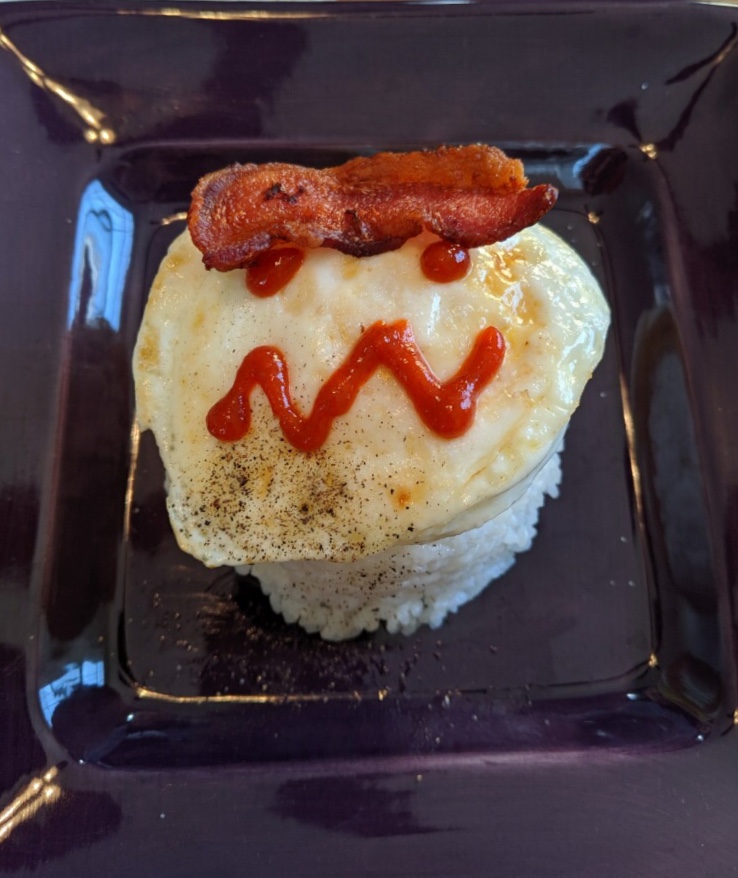
of the simple breakfasts I would cook for
us: sticky rice with scrambled eggs and
sauteed peppers, or toasted boule with bacon
jam and a side of sliced peaches. And coffee.
Always coffee, black and bitter. But circumstance
dictates other courses, other time zones, and you
wake in your city as I walk in mine, an early
shopper plundering the store’s vegetable
bins, wandering the aisles in search of a
bargain and that special ingredient missing
from my tired, inconsolable days.
“Lying in Bed I Think of Breakfast” was published in December 2019 by The Big Windows Review. Thanks to editor Thomas Zimmerman for accepting this piece.
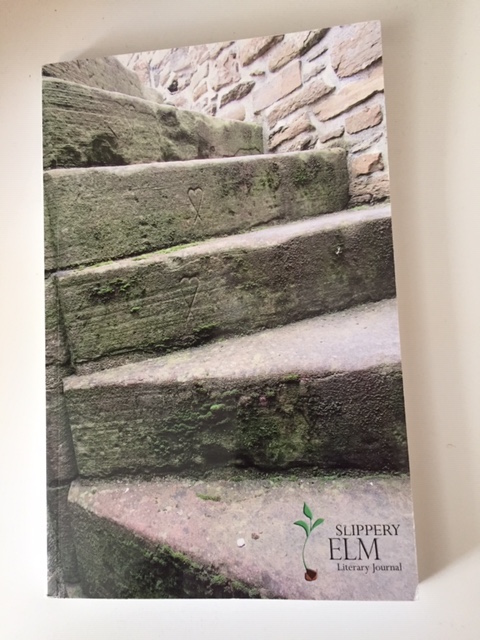
Slippery Elm Literary Journal’s 2019 issue is now live in the Slippery Elm online archives. My poem “This Oak” appeared in the print issue. If you have a chance, take a look at SELJ‘s offerings and/or consider submitting a few poems or entering the 2021 Slippery Elm Prize competition, now open for submissions. Many thanks to the journal’s editorial team, and especially EIC Dave Essinger, whose professionalism and personal kindness place SELJ at the top of the ladder in the world of literary journals.
The forgotten poem, existing in title only: Yellow.
Which is a bruise at three weeks, or memory’s shade in autumn.
In what black folder does it hide? In which blinding light?
I take comfort in primaries, lose sleep at the edges.
Where fraying begins and annotation dwindles to scrawled lines.
Above the bones and flesh of the Egyptian gods. Above my books.
Within these lost minutes. Those moons, bereaved. The hours.
Desire germinates even after our rainless decades. Yellow, again.
The color of sulfur (the devil’s realm) or the traitor’s door.
Of cowardice and warning. Of aging and decay.
How to recover what’s sifted away, the residue of our loves?
Each day more bits break off, never to be reattached.
But you, I blend with the sky, perfecting trees, the grass.
* * *
“Yellow, Lost” was published in wildness, Issue no. 10, in October 2017. wildness is an imprint of Platypus Press, which published my work Interval’s Night, a mini-digital chapbook, in December 2016 in their 2412 series. If you’re not familiar with wildness, check it out. In fall 2016 Poets & Writers named it in their article Nine New Lit Mags You Need to Read.
All profits from this anthology published by Bennison Books will go to The Book Bus, a charity which aims to improve child literacy rates in Africa, Asia and South America by providing children with books and the inspiration to read them.
An editor said never start a poem at a window,
so instead I’m looking at the door,
which is made of glass. We are to avoid rain,
too, but it streaks the pane in such delicious
patterns that I can’t help but pretend to be someone else
in a foreign city, perhaps Helsinki, sipping black coffee
with a mysterious woman younger than my daughter
(who also does not exist), whose interests
in me are purely literary, although she straightens
my collar with lingering, scented fingers. Garden
memories and birds must never populate our lines,
but corpses are fine, as are tube tops and bananas
and any combination thereof. I finish my coffee
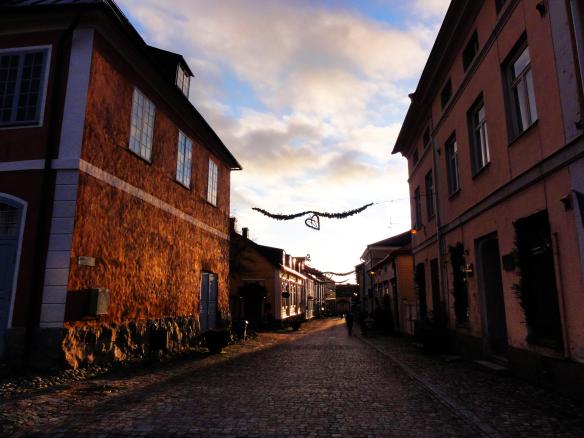
and wander alone through cobblestone streets,
stepping over clichés when possible, kicking them
aside when my hip joint argues, or simply accepting
their useful limitations when nothing else works.
Unknown and lacking credentials, I shrug, go on
past the closed doors behind which unseen bodies
perform the most bizarre and sensual solo dances,
or not, and shadows cook sausages over fire
and the grease spattering onto the tiled counters
issues a fragrance that awakens neighborhood dogs
and maybe a dozing stall-keeper at the market
where cloudberries are sometimes found.
I know little of Finland, and less of myself,
and then there’s poetry, which remains a blank
frame, a frosted pane I’ll never truly unlatch.
* * *
My poem “Helsinki” was first published at Panoply. It was inspired in part by a Facebook thread on which editors commented on what caused them to instantly reject poems. One said beginning a poem at a window was cause for rejection. Hence the first line.
I turn away from the sun, and drink.
Every window is dark.
No one hears my song, not even the guitar.
When the rain pauses the grackle rests on the cedar picket.
Etymology: from Latin memorialis, of or belonging to memory,
leading to home and family, their connotations.
Remembering is simple, she says. But forgetting…
The coral snake slips by, unseen.
Nothing lives in my shadow.
* * *
“Memorial Day, 2015” first appeared at Picaroon Poetry in July 2017. Many thanks to editor Kate Garrett, for taking this piece.
The earth and its subterfuge.
Gravity and the points between here and there.
And sometimes the rasp of grainy mud
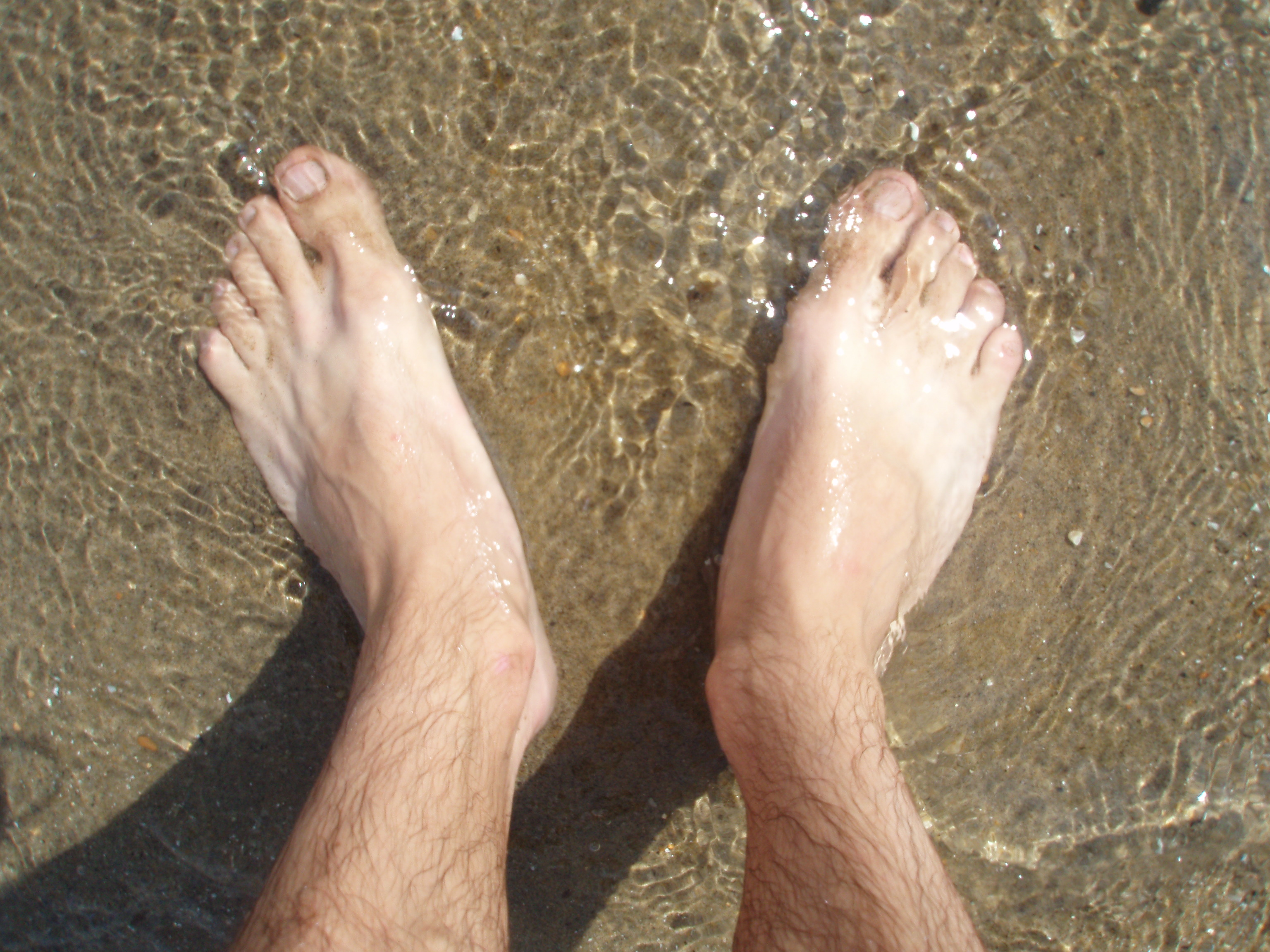
clenched between toes,
or a rock under the arch,
an explanation too pointed
for display on a page,
too hard, too much for flesh to bear.
No constellations foment underground.
Nothing there orbits a companion.
No light but for that darkness the heel scrapes away.
While Trespassing I Note the Sadness of Old Fences
I write poems when I can,
in late morning or during
the afternoon, between chores
but before dinner. And sometimes
I duck through spaces
void of wire barbs, and consider
how to fill the incomplete, which words,
what materials could repair
those particular holes. I cut my own
fence once, to access our house
when the creek flooded the road,
lugging uphill through the snake
grass a jug of scotch, my mandolin
and a watermelon, essentials for a weekend’s
respite. To be truthful I cut only the lowest
strand, to help the dog get through — I
was able to climb over, but he couldn’t dig
through the limestone rubble to wriggle
under, and we’d come too far
to simply turn around.
* * *
This appeared in riverSedge, Volume 29, Issue 1, released in October 2016. I first encountered riverSedge in 1983, and vowed that one day my poetry would be published in this journal. It took a while…
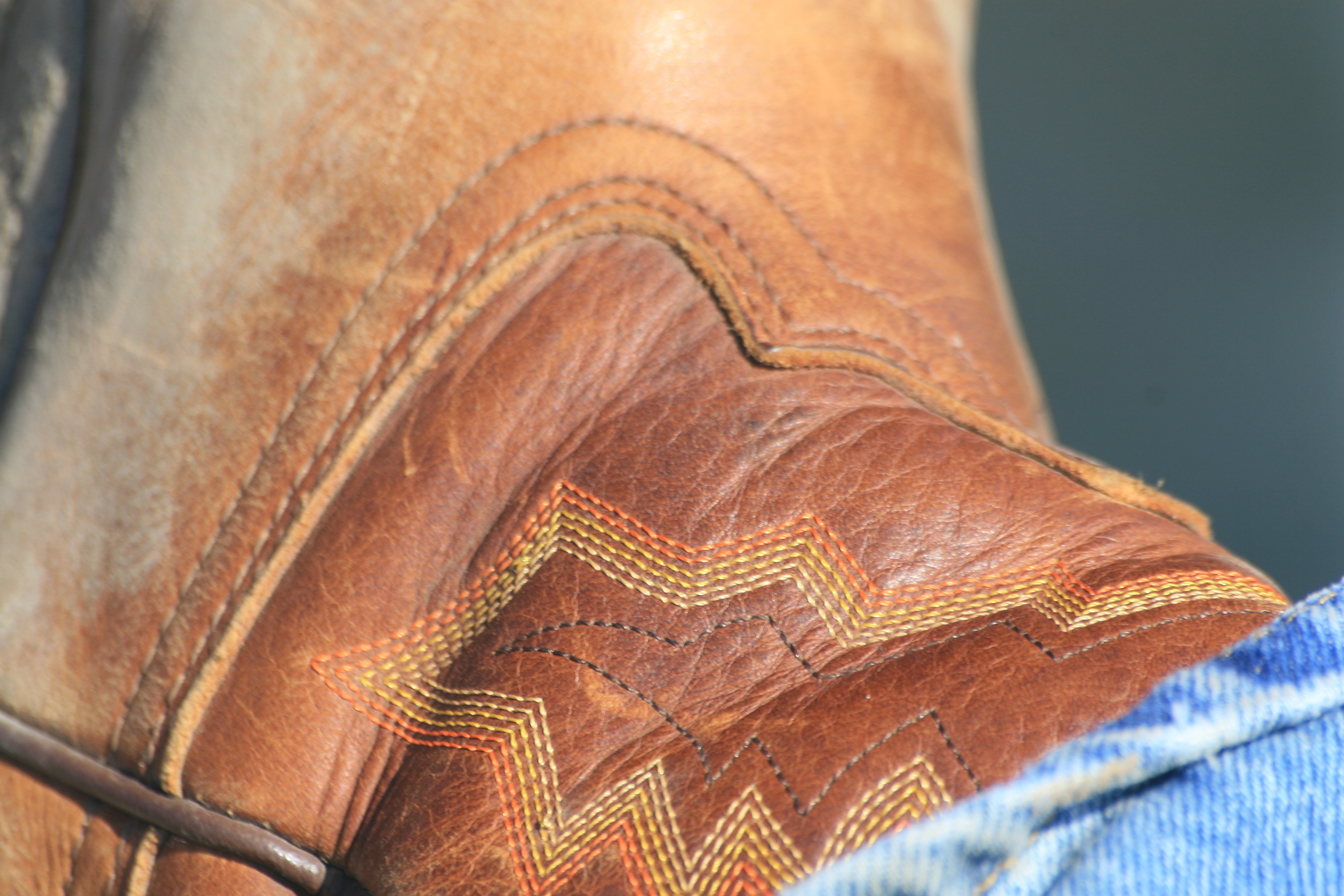
My advice? Wear boots, even among the dead.
Our barefoot friend, having separated the rattler’s
head from its body, picked up the six-foot
length to show off, and stepped back onto
the head, which though not alive, still managed
to squeeze venom from the ducts and inject it
through its fangs, into his foot. Consider this
a metaphor, if you must, but don’t belabor
it. This morning I am searching for
connections. The plumber says that when
the overflow is clogged, the sink won’t drain
properly, and I notice similarities between
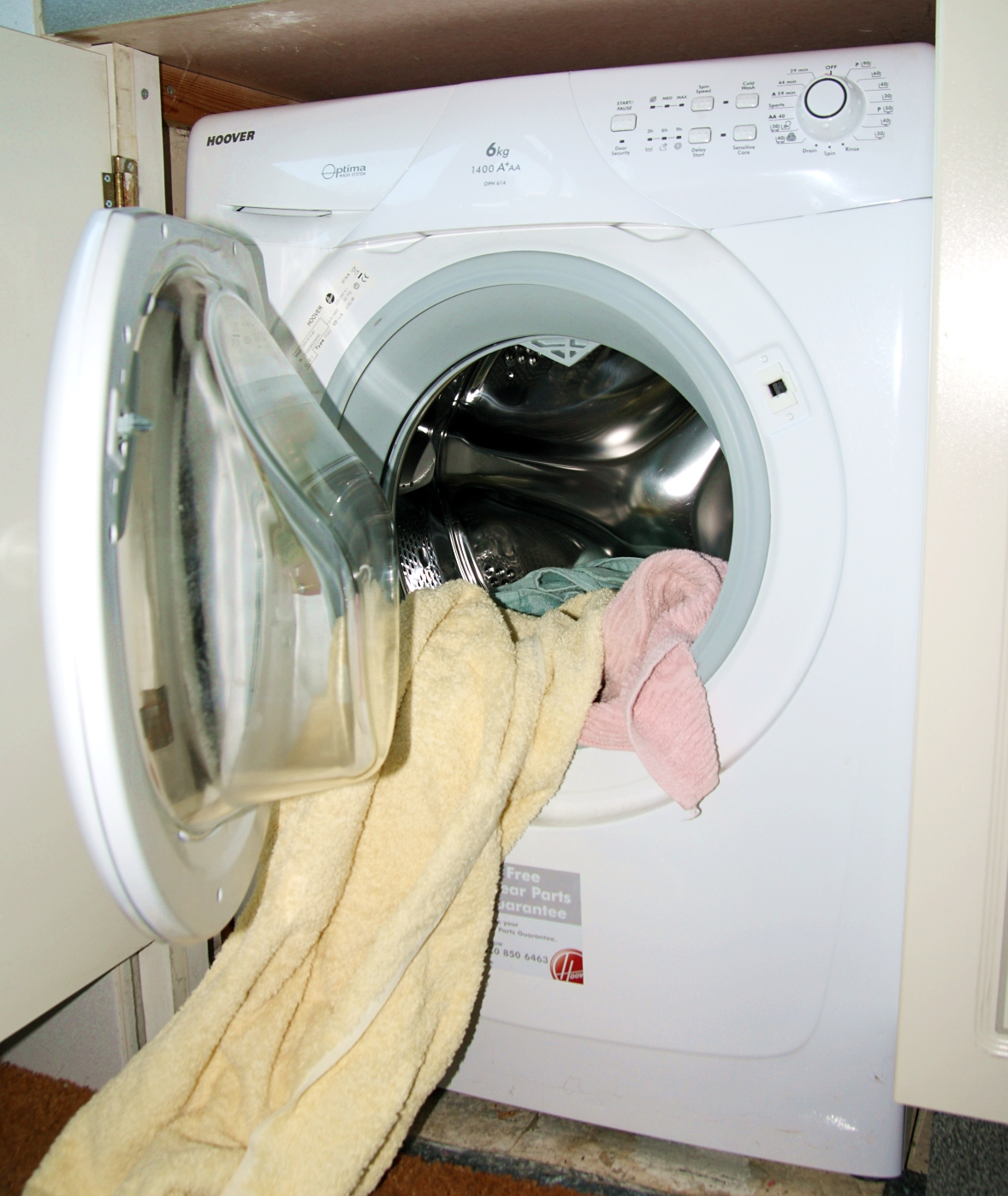
vision and words and the dryer’s vent — how
twists and hard angles and blurry lint may
confuse the issue, perhaps even start a fire.
And before you say, yes, yes, that’s what
I want, a fire, consider other possibilities,
not to mention consequences. Confuse
one word for another, and you’re an idiot.
Let your finger tap the wrong key, and the
incorrect letter provides a glimpse into
the future, or at least beyond the neighbor’s
closed door, a passage of signals impossible
to predicate. But differences exist: decapitate
poets, and they won’t bite, or at the very least
their venom will infect your nervous system
indirectly. Other advice? Pause before sending,
look before you leap (or step back). Avoid fast
food and politics. Drink good beer. Laugh often,
breathe deeply. Contemplate your footwear.
“Synapses and Other Conjunctions” was written during the August 2015 Tupelo Press 30-30 challenge, and was subsequently published in September 2016 at The Blue Nib. Many thanks to Luanne Castle for sponsoring the poem and providing the title.






 O at the Edges