Down and Away


Down and Away

How soon we lose the scent
of our first love’s

body, that odor of perfume
over sweat and uncertainty

and the overwhelming surge
into what will never again

be new. You shake yourself
back, wondering

if falling stars could choose
to rise again, whether

they would rejoin the firmament
or simply retreat deeper into the

ocean’s black, cooling, sliding
down and away, slipping

free of regret, evading forever
the sun’s long fingers.


“Down and Away” was first published in August 2019 at Trestle Ties. Many thanks to Juleen Eun Sun Johnson and Aaron Schuman for taking this piece.


Poems Up at Green Lion Journal

Rubble

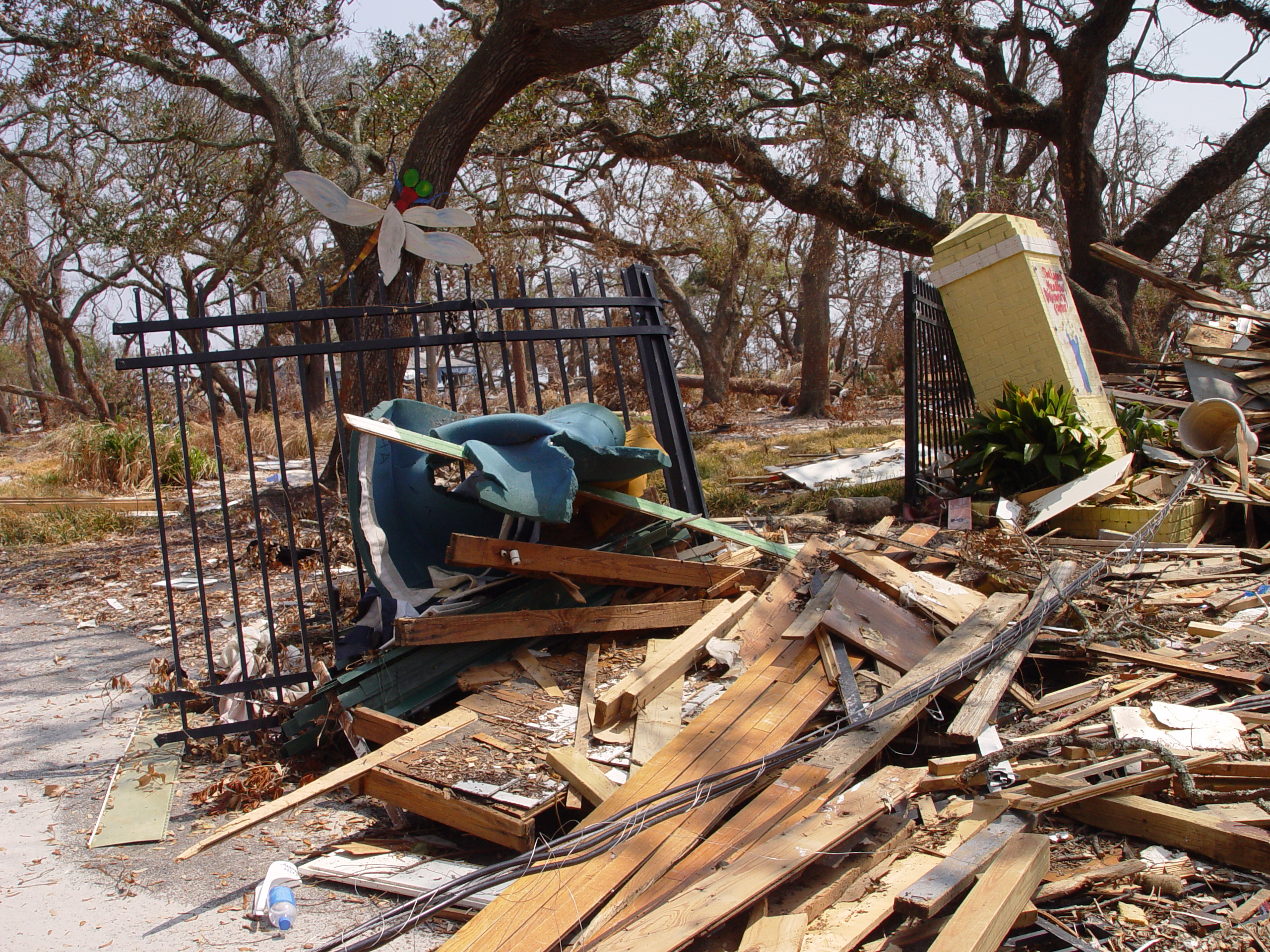
My poems “Been There” and “Rockport” are live at Green Lion Journal. Many thanks to editor Renwick Berchild for taking these pieces.


On The Burden of Flowering


On the Burden of Flowering

Even the cactus wren
surrenders itself
to the task,

though it rarely listens
to my voice. How do clouds
blossom day to day

and leave so little
behind? The bookless shelf
begs to be filled, but instead

I watch the morning age
as the sun arcs higher.
Yesterday you said

the mint marigold
was dying. Today it
stands tall. Yellowing.


“On the Burden of Flowering” first appeared in Panoply in August 2016, and is included in my chapbook, From Every Moment a Second.


Worms


Worms

Yesterday’s cored apple buzzes with light,
another vessel stored in sadness.

I have swallowed vows.

I have replaced air with earth
and enjoyed tongued flesh.

To think is to live. To live is to delay.

Burrowing through the soil’s rich
decay, this body,

accepted. Absorbed.


“Worms” was first  published in Rue Scribe in September 2018.


Uh, I’ve Won a Prize?


Roots


I’m delighted to report that my poem “My Mother’s Ghost Looks Away When I Say Her Father’s Name” has been awarded the 2021 riverSedge Poetry Prize.

Many thanks to editor-in-chief José Antonio Rodríguez and the staff of riverSedge for taking this and several other pieces over the past few years. You may find it interesting that the poem had been rejected eleven times before landing at riverSedge. Such is life in poetry. Persistence is key…


Self-Portrait as Compost


Self-Portrait as Compost

Beneath the surface find warmth,
the fruit of decay and mastication,
of layered mixes and intermingled
juices. Disintegrated or whole,
still I strive to speak. Bits of me
meld, to be absorbed slowly; I
process and am processed: here,
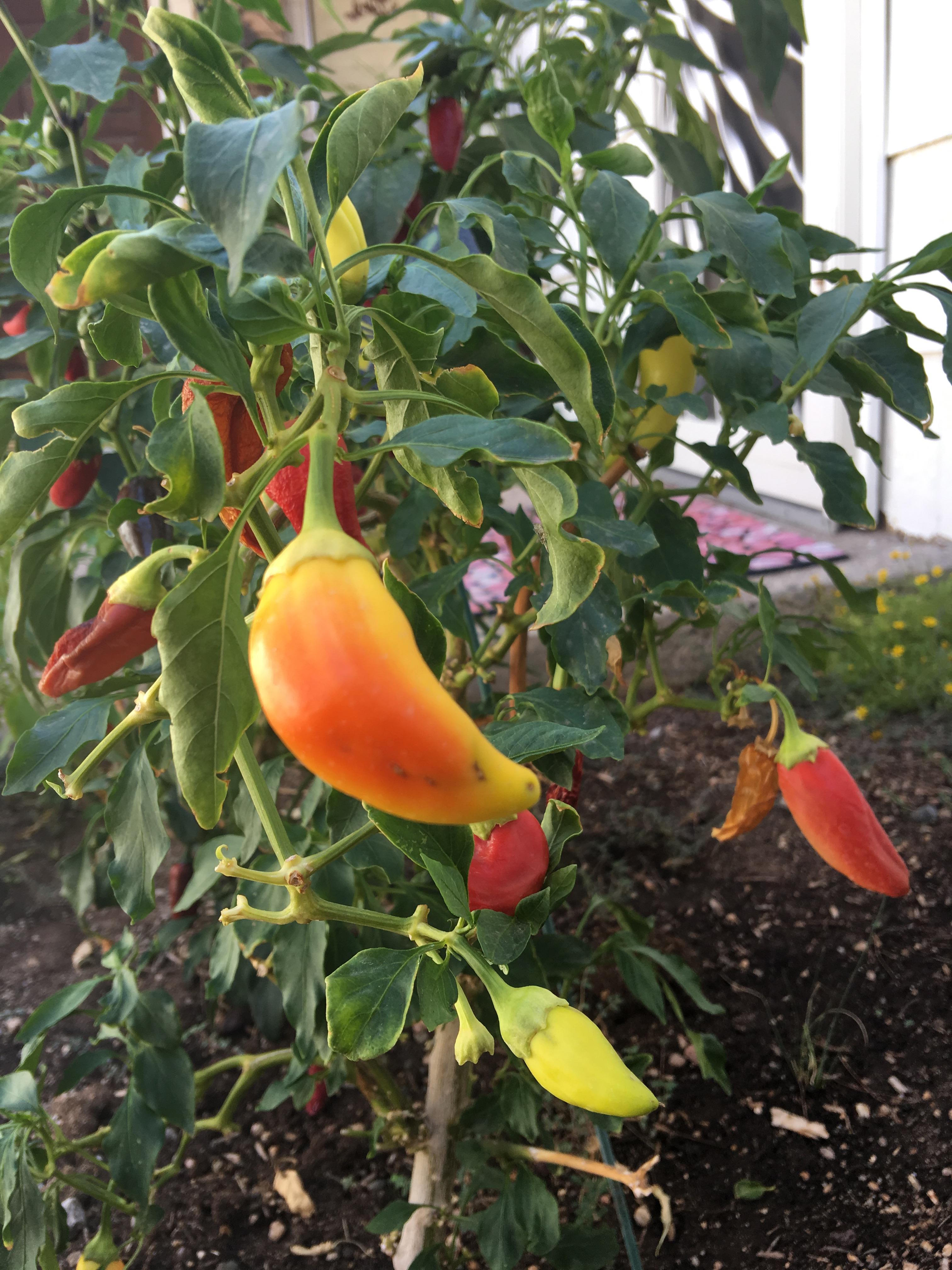
within the pepper bush’s deep red
berries, there among the dianthus.
Scattered, deliberately placed,
having been, I shall emerge again,
forever changed, limitless, renewed.


* * *


“Self-Portrait as Compost” was first published in Issue 125 of Right Hand PointingThank you to editors Dale Wisely, Laura M. Kaminski, F. John Sharp and José Angel Araguz for taking this piece.


The Question is Never


The Question is Never

Who will lock the door
or leap in front of the jacketed

bullet. Nor is it four words
born in lust and camouflaged

with piety. No one cares
if you blink or continue

breathing. No one knows
what you think. Nothing

matters. Not the pen
in her hand or your finger

on the trigger. Not the crying
and the dead and the stains

in the hallway, the man
in the street hiding behind

himself. The question
is no question, but an answer

struggling to emerge. Never
formed, never truly complete.


“The Question is Never” first appeared on Vox Populi in June 2018.


Chill (Cento)

silhouette


Chill (Cento) 

I shiver a little, with the evening,
and you print a shadow like a thin twig.

Wait for my death, then hear me again.
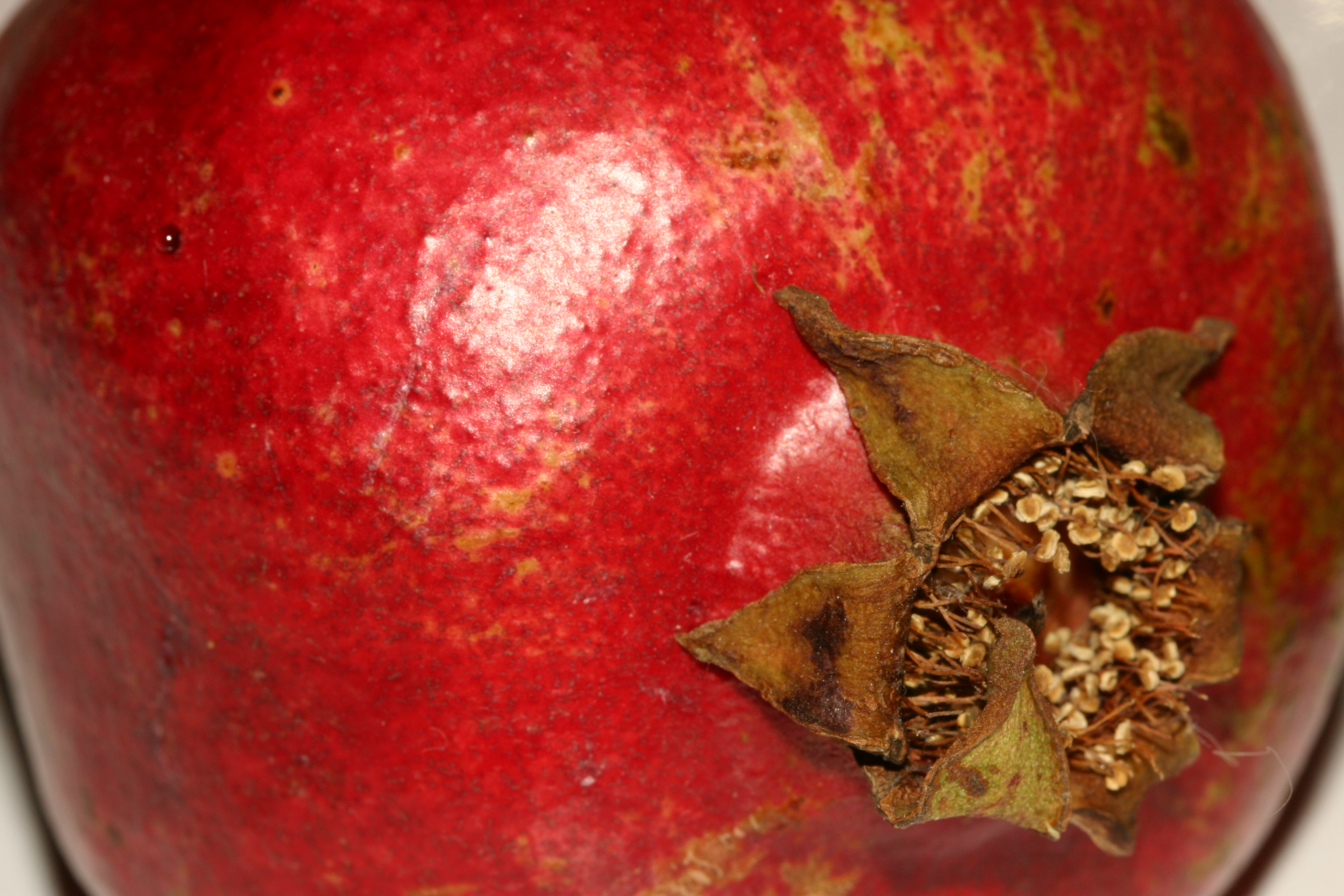
He believes a pomegranate is a thesaurus,

the thundercloud, tomorrow’s puddle. Is
this hunger unlike that of others?

When a drowning man calls out,
his voice follows him downstream.

Why am I grown so cold?


A cento is composed of lines borrowed from other poets. “Chill” owes its existence to: James Wright, H.D., Ingeborg Bachmann, Eduardo C. Corral, Blaga Dimitrova, Forrest Gander, Yusuf Komunyakaa, and Adelaide Crapsey.

pom.jpg

“Chill” first appeared on the blog in March, 2016, and was subsequently published in Long Exposure in October 2016.


What Happens Next


What Happens Next

Another night with the frost,
she says, and you’ll know

the half-life of cold.
Which is not to say enjoy,

or pity, or pretend.
It is the sheath of God’s

gaze, an unsuspected lump.
The harvested curse.

You grasp what happens next.


“What Happens Next” first appeared here in November 2017.


Forced By This Title to Write a Poem in Third Person About Himself, the Poet Considers the Phenomena of Standing Waves, Dreams Involving Long-Lost Cats (Even If He Has Not Had Such a Dream Himself), And the Amazing Durability of Various Forms of Weakness


Forced By This Title to Write a Poem in Third Person About Himself, the Poet Considers the Phenomena of Standing Waves, Dreams Involving Long-Lost Cats (Even If He Has Not Had Such a Dream Himself), And the Amazing Durability of Various Forms of Weakness

Five White cat always made sure no rats gnawed my books.
— Mei Yao-ch’en

His brain is squirming like a toad.
— Jim Morrison


Standing by the water, the poet wonders if,
as in this dream, his dead dog and Five White

might seize the separate ends of a rope and blend
their tugs, matching highs and lows, growls and purrs,

with near stillness, dawn to dusk and back again,
always equal, sharing through death their love

of work and honor. He throws a small branch
and asks the dog’s ghost to fetch, but it remains

at his side, as if reluctant to leave. How to release
what you no longer hold? Shadows disappear in direct

light, but always return at its departure. The
raindrop remains intact through its long plummet.

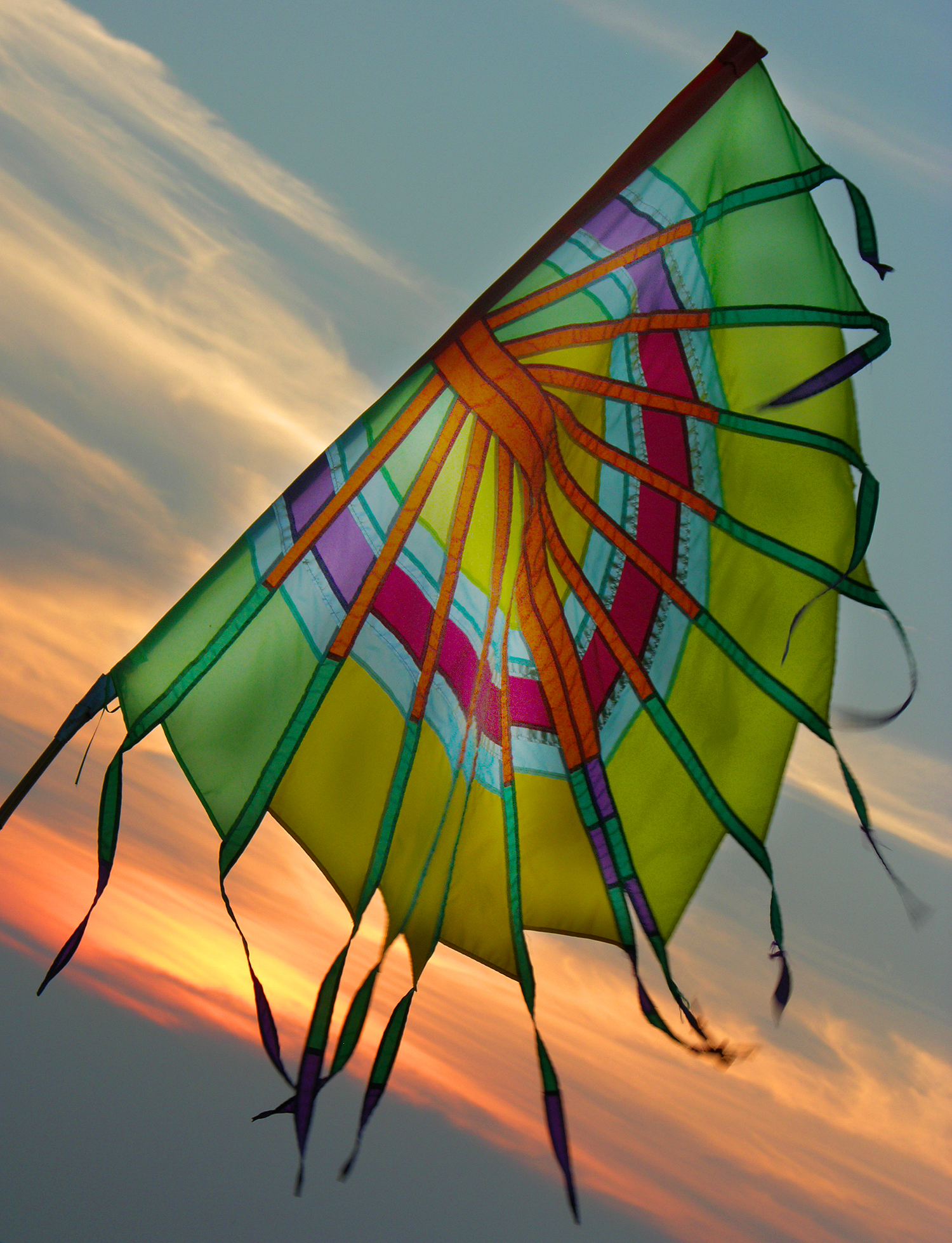
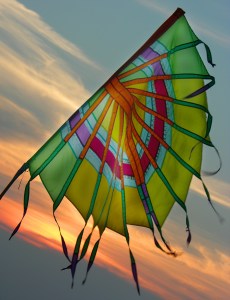
Words, though unspoken, hang like lofted kites
awaiting a new wind, a separate rhythm,

beyond compassion. He cannot hear it
but joins his dog in singing. The cat yowls along.
 

This piece first appeared in deLuge in fall 2016, and was drafted during the August 2015 30-30 challenge. Thanks to Jeff Schwaner for providing the title (which I edited for publication).