If We Burn

OLYMPUS DIGITAL CAMERA

If We Burn

What flares instead to replace our
privileged nights? And which

assemblage of words could reorder these
deaths into comprehension,

change I can’t breathe from epitaph
to actuated plea for help?

Are words ever enough?
Can we stack our indifference and fear

into a mile-high pyre, and torching it
watch them rise to nothingness,

disappearing through the clouds
into the streaming light of cold, dark stars?

Raise your hands and sing. Blow softly
upon the ember. Inhale and recall.

Do you still feel? Will you breathe?
Every fire needs oxygen.

* * *

“If We Burn” first appeared on this blog in December, 2014. It’s also included in my chapbook, If Your Matter Could Reform

file0001190356464

Scarecrow Sings the High Lonesome

Scarecrow3


Scarecrow Sings the High Lonesome

Nothing about me shines or sparkles. If asked,
I would place myself among the discarded —
remnant cloth and straw, worn, inedible,
useless, if not for packaging intended to
convey a certain message, which I of course
have subverted to “Welcome, corvids!” Even
my voice lies stranded in the refuse, silent
yet harmonious, clear yet strangled, whole
and unheard, dispersed, like tiny drops of
vapor listing above the ocean’s swell, enduring
gray skies and gulls and those solemn rocks
bearing their weight against the white crush.
Why do I persist? What tethers a shadow
to its body? How do we hear by implication
what isn’t there? Bill Monroe hammered
his mandolin, chopping chords, muting,
droning, banging out incomplete minors
to expectant ears, constructing more than
a ladder of notes climbing past the rafters
into the smoky sky. What I sing is not
heard but implied: the high lonesome, blue
and old-time, repealed. Crushed limestone
underfoot. Stolen names, borrowed sounds.
Dark words subsumed by light, yellowed,
whitened, faded to obscurity, to obscenity.


“Scarecrow Sings the High Lonesome” first appeared in Crannóg, in June 2017.


As the Gravy Flows


As the Gravy Flows

Viscosity is always a consideration, as is definition:
traditionally a sauce composed of meat juices and
thickeners, or, a sediment of melted tallow, which
somehow brings to mind a laborer rising early after
a hard night, eating red-eye, made of fried ham
drippings and coffee, served over grits. Or perhaps
an egg gravy – a béchamel sauce flavored by bacon,
with water and milk, and an egg – ladled over butter-
rubbed biscuits. But then I picture my vegetarian
friends pushing away from plates of this fine repast,
and not wishing to deny them or those following a vegan
lifestyle, we turn to roasted vegetables with broth, oils
and wine and a savory yeast extract. But I can’t fathom
a life without giblet gravy, which features the neck and
offal of fowl, including the liver, the taste of which may
be too strong for other recipes using giblets, an interesting
word in itself, from the Old French for a game-bird stew,
and the Middle English meaning of an inessential
appendage, or entrails, morphing to garbage. I would
never throw out an onion gravy, essentially a thick sauce
of slow-cooked onion and stock or wine, and admit to
having tasted a cream version with the consistency and
flavor of diluted paste, indicating a lack of balance in
flavor and poor roux-making technique. My favorite
would be an Italian-American buddy’s gravy, his word
for a rich ragù of sausage, braised beef and shredded
pork, red wine, tomatoes and herbs, served over pasta.
This of course stretches the definition of the word, but
language is elastic, is it not? So it flows, as does the gravy.


“As the Gravy Flows” was drafted during the August 2016 30/30 Challenge. Thank you to Lady Phoenix for sponsoring the poem and providing the title!


Shadow’s Tale

image


Shadow’s Tale

If I call,
will you
reply?

Questions
left unwritten
shape
themselves

like words
we see
but don’t
read. Signs

fade then
reappear,
and the oaks

droop
in the still
heat.
No rain

again. If
you call,
will I
reply?


image

“Shadow’s Tale” first appeared here in June 2015.

What Are You Going To Do?


What Are You Going To Do (Cento)

Not everything can be set to music,
you have to understand that.

If I went to the end of the street,
would I be at the center of myself?

Now ends. Now begins.
Still, we sing the same songs;

we live in the sound – no love
of miracle or numbers helps.

I wonder if my body
is outline. A far point rendezvous.

A smoke plume taken, but not
into a hot, dark mouth.

Or perhaps it never had a name.
Bruising’s not the end of it.


* * *

Credits: Maggie Smith, Michael Chitwood, Carol Frost, CM Burroughs, Aimee Nezhukumatathil, Dan Beachy-Quick, Willis Barnstone, Lauren Camp, Ruth Ellen Kocher, Maggie Smith, Lawrence Raab, Natasha Saje.

“What Are You Going To Do” was drafted during the August 2016 Tupelo 30-30 challenge, and was published in the February 2017 issue of Taos Journal of International Poetry & Art. The lines used were taken from Tupelo Press publications.


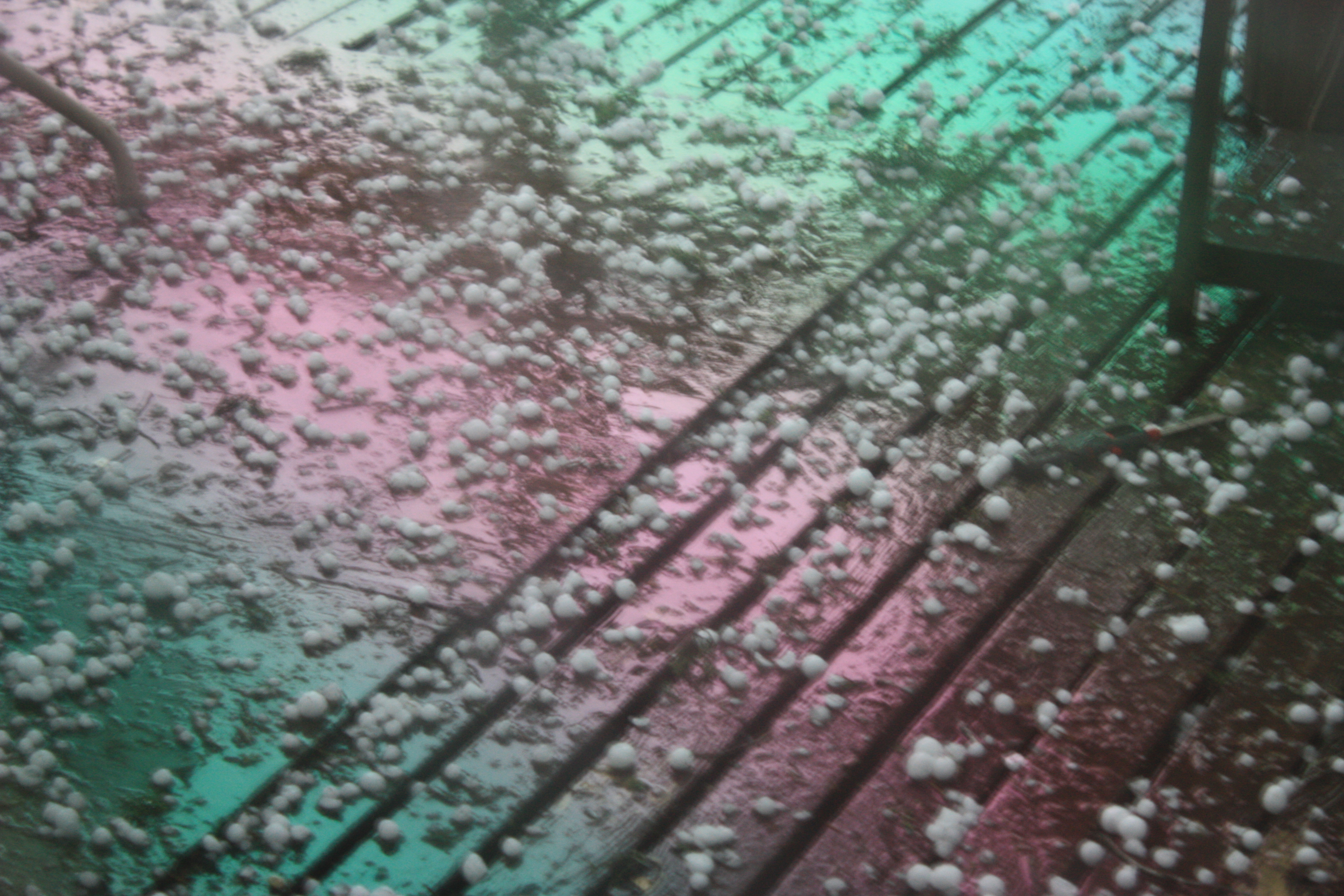
Hail

hail


Hail

My hands know the sadness of rock,
of unfinished lines and rough

sides tapering to sharpness.
The shape of solitude, turning.

Now the stones fall as water,
a woman lets down her hair

and laughter chokes through silence.
Into this dream I ascend.


rock

“Hail” first appeared here in September 2016, and is included in Indra’s Net: An International Anthology of Poetry in Aid of The Book Bus.

All profits from this anthology published by Bennison Books will go to The Book Bus, a charity which aims to improve child literacy rates in Africa, Asia and South America by providing children with books and the inspiration to read them.

Available at Amazon (UK) and Amazon (US)


The Bitter Celebrates


The Bitter Celebrates

Mention gateways and mythologies
and I see openings to paths
better left unseen. No choice is

choice,
but preparation leads us astray as well.
Take this bitter leaf.
Call it arugula.
Call it rocket.
Call it colewort or weed.
Dress it with oil and vinegar,
with garlic and lemon.
Add tomato, salt.

Though you try to conceal it,
the bitterness remains.

But back to gates and myths. Do they truly
lead us out, or do we
circle back, returning
to the same endings
again
and again.

Remove the snake, rodents return.

Seal the hole.
Take this leaf.
Voice those words.
Close that door.


“The Bitter Celebrates” first appeared in Amethyst Review in December 2018.


Apricot Wood (with recording)

clouds


Apricot Wood

I built a frame of apricot
wood. This was for you. The clouds float
through it even as I sleep. You wrote
once of wild herbs gathered and brought
to a lovely girl, an offering not
of passion but of some remote
desire to hear a word from the throat
of the Lord Within Clouds. I thought
of this as I chiseled the wood.
Last night it rained. I listened to
it from my bed by the open
window, hoping that the clouds would
not leave. This morning two birds flew
by. It is raining again.


file8641239202119


Originally penned in the 1980s, “Apricot Wood,” is included in my 2015 chapbook, If Your Matter Could Reform. It was first published in 1986, in SPSM&H, a publication devoted to sonnets, and was featured on Autumn Sky Poetry Daily in March 2015. It’s interesting to look at my writing from this period. Some pieces seem to have been written by a stranger, long ago and far, far away. This one somehow seems closer. 


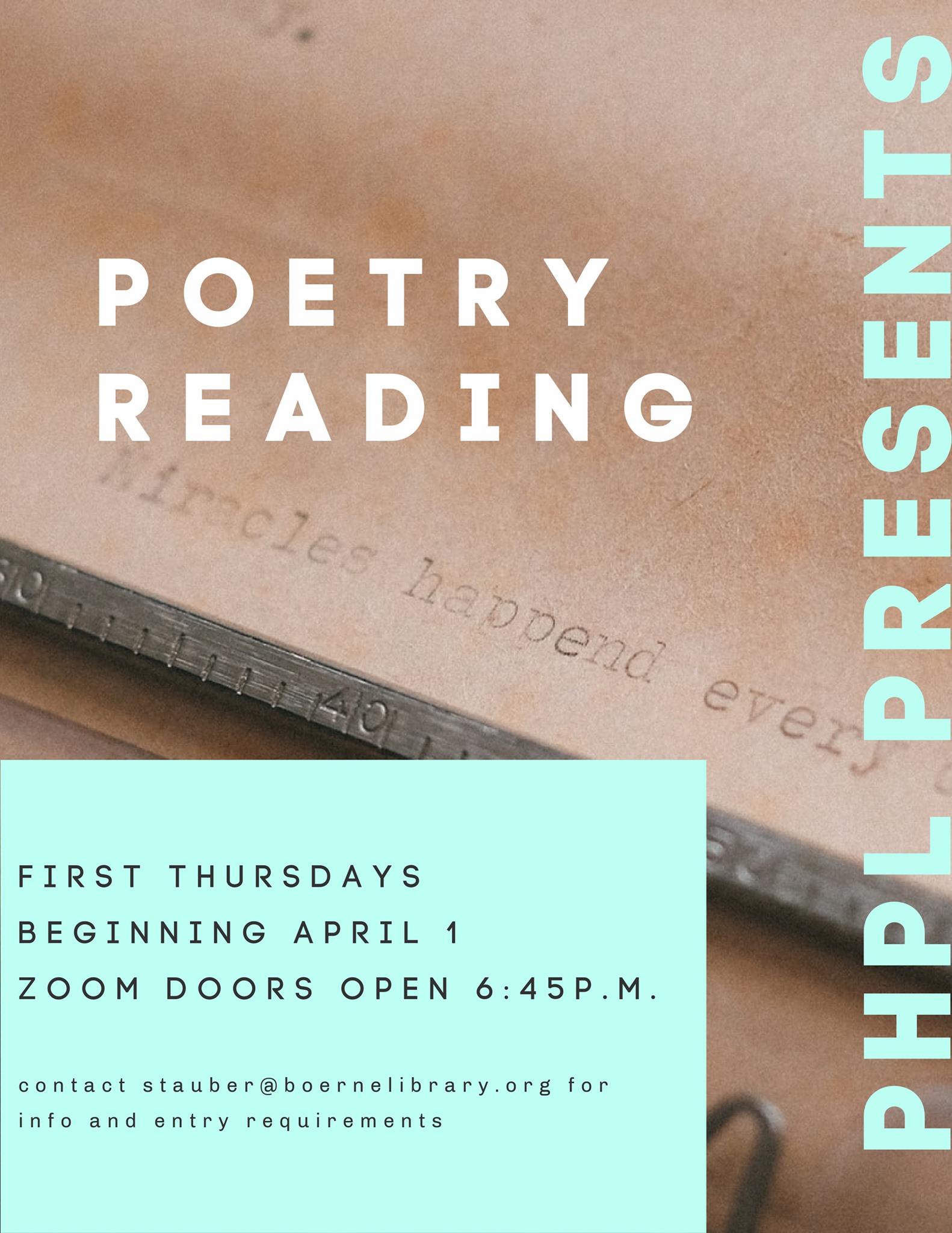
April 1 Online Reading


I’m looking forward to participating in an online reading with 12 other poets, including Charles Darnell, Martha K. Grant and Stephanie L. Harper, on Thirsday, April 1 at 7:00  p.m. US Central Daylight Savings Time.  The reading is sponsored by the Patrick Heath Public Library of Boerne, Texas, and is free, but you must email Robin Stauber (place Miracles in the subject line) at stauber@boernelibrary.org to obtain the invitation link.

The reading should last somewhere between an hour and an hour and fifteen minutes (we’ve been asked to read for no more than five minutes). In case you’re wondering, I’m the 11th reader and Stephanie is the 13th. If you’re able to attend, we’d love to see you (if only virtually).


Bone to Bone

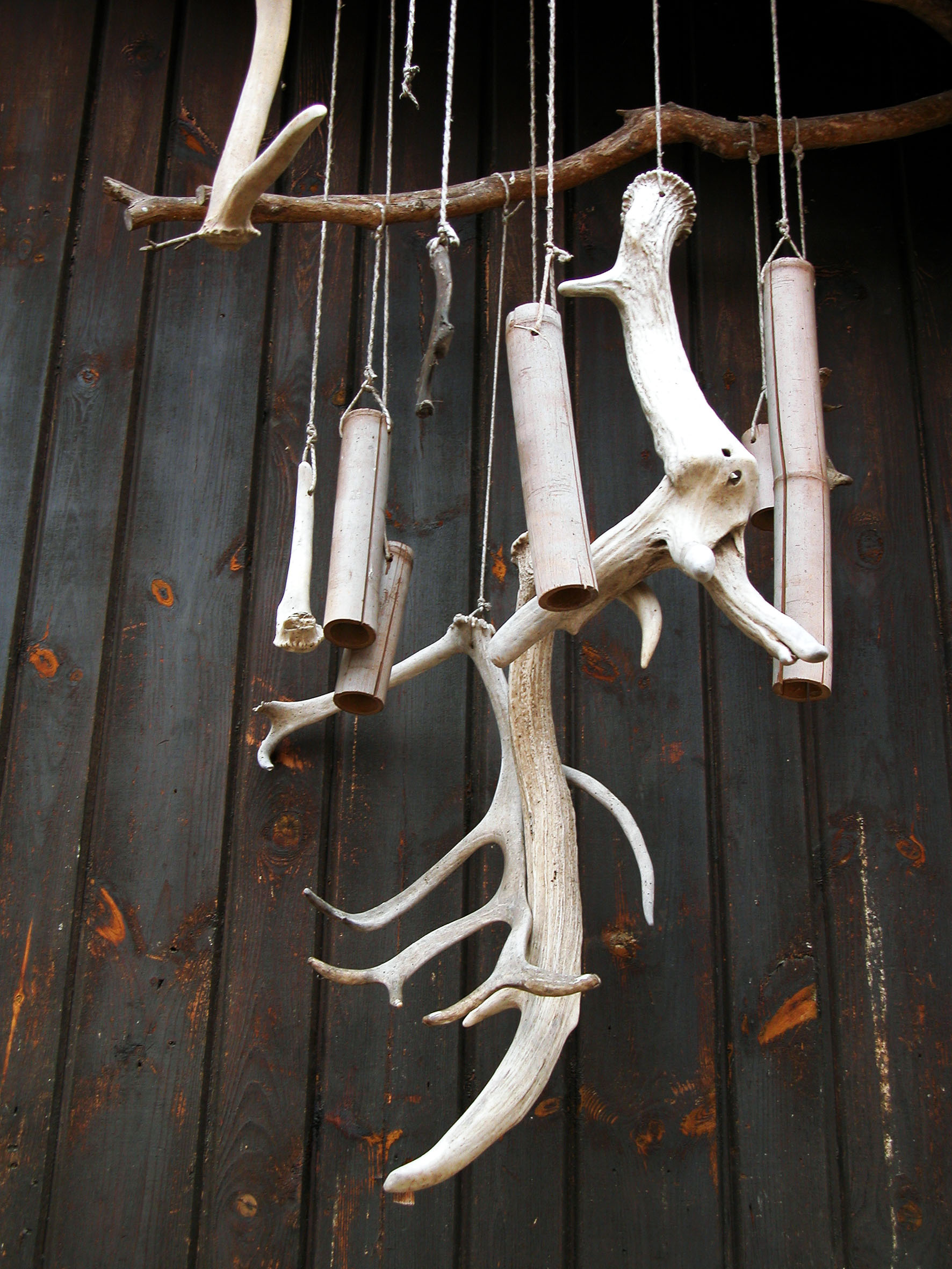
chimes


Bone to Bone

He claims two sides frame every story.

I count three,      sometimes more,

believing in          multiplicity,

threats                concealed

but never

buried.      A dust devil twists across the path.
What ascends, what dies?

Heat, ashes.       A shadow’s flesh.

The earth, restraining all.


small town

“Bone to Bone” first appeared here in June 2016.