Letter to Wright from Between Gusts

pickles


Letter to Wright from Between Gusts

Dear Tami: The wind here speaks an undiscovered language:
diffident, it lurks in the background, stuttering, fingering
everything, shifting directions, mocking us, barely noticeable
until it gets pissed off and BLOWS! Then, shit happens. Pickle
jars appear in purses. Love notes remain unwritten. Shingles
flap across the lawn and idiots are elected to office (nothing new,
I know). When I was a kid I marveled at those fortunates who
lived under the same roof for years, for decades, entire lives, while
my family rolled around the globe, collecting vaccination scars
like postcards or nesting dolls. How interesting, I thought then,
to know and be known, to avoid the perpetual newcomer’s
path. Having shared this house with my wife and various dogs,
birds, rodents, insects and arachnids for thirty-three years, I now
know this – home is not a stationary edifice. No cornerstone
defines it any better than fog rubbing the juniper’s tired back,
or courting mayflies announcing warmth’s arrival in their brief
pre-death interludes. Desire is a feckless mistress; after obtaining
the prize, we miss the abandoned and wonder what might have
been. When you arrive at your new town remember this: no one
is stranger to you than yourself. I speak from experience, having
absorbed differences at one end only to watch them emerge
hand-in-hand at the other, like newborn twins or nearly forgotten
reminders of an uncle’s kindness in a year of typhoons and sharp
replies and rebuilt lives. Home is a smile, a lover’s sleepy touch
at 3 a.m., or the secret knock between childhood friends reunited
after decades. It lives in soft tissue, not steel, and breathes water
and air, flame and soil and everything between. But it can’t exist
without your mind and body lugging it around. I would like to
tell you what the wind is saying, but it’s singing different tunes
these days, and my translation skills begin and end in that still
place between gusts, floating in the twilit air like so many empty
pockets. These are the only words I have. Not much to hang a hat
on, and I apologize for my shortcomings and inability to expound
with clarity. I speak in poetry, but mean well. May your moons
be bright and your winds wild yet gentle, even if you can’t fathom
their meaning. I’ll keep trying if you will. All the best, Bob.


* * *

“Letter to Wright from Between Gusts” was first published in The Lake in August 2017, and is also included in Volume 2 of Oxidant/Engine’s BoxSet Series, as part of my 10-poem collection titled “The Language of Bread and Coffee.”

 

This Oak


This Oak

Never rooted in Tibet,
has not watched a whale breach
a November Pacific dusk, or guzzled
bitter beer near Vesuvius. Nor has it
absorbed the warmth of a loved one’s
hip on a frozen morning long after
the embers’ glow has greyed
and the windows blossomed
white. It cannot know the beauty
of disparate instruments playing
in joyous harmony. It will whisper
no incantations, does not smile,
won’t ever feel the anticipation
of a first kiss after a complicated
courtship. The bouquets of Bordeaux
elude it, as do tears or the benefits
of laughter. Why, then, do I envy it so?


“This Oak” was published in Slippery Elm (print only) published by Findlay University in Findlay, Ohio, in spring 2019. 


Morning Suizen


Morning Suizen

Boundless, it sips direction in the way of all music,
tonguing each note for its salt.

We call this ecstasy. Or peace.
Follow, and they still escape, always beyond
our outstretched fingers.

Exhale slowly. What do you know?

That long tunnel, ribbed in silence.
The scent of burning cedar.
Days framed in darkness and birdsong.


* * *

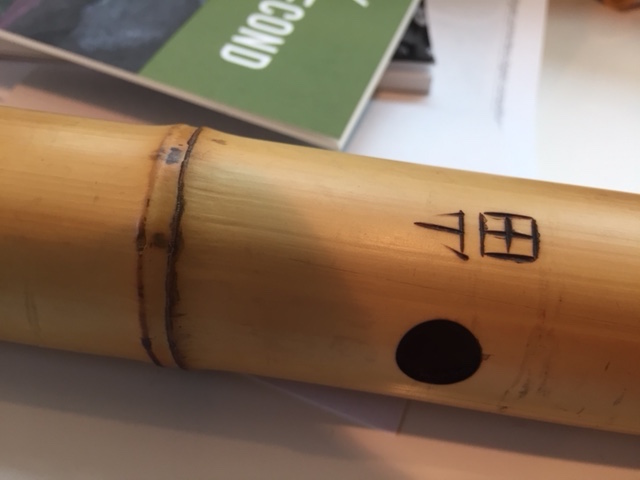
Note: Suizen is the practice of playing the shakuhachi, the traditional Japanese bamboo flute, as a means of attaining self-realization.


“Morning Suizen” first appeared on Nine Muses Poetry. Many thanks to editor Annest Gwilym for taking this piece.

The Draft (with recording)


The Draft

All memories ignite, he says, recalling
the odor of accelerants and charred

friends. Yesterday I walked to the sea
and looking into its deep crush

sensed something unseen washing
out, between tides and a shell-cut foot,

sand and the gull’s drift, or the early names
I assign to faces. This is not sadness.

Somewhere the called numbers meet.


* * *

“The Draft” first appeared in Taos Journal of International Poetry & Art.

In the Key of Your Hour

blueguitar


In the Key of Your Hour 

The words I sing are draped in silence,
wedged between notes yet flowing forward.

Stop-time presents the illusion of interrupted tempo and meter.

Perception informs our spirits.

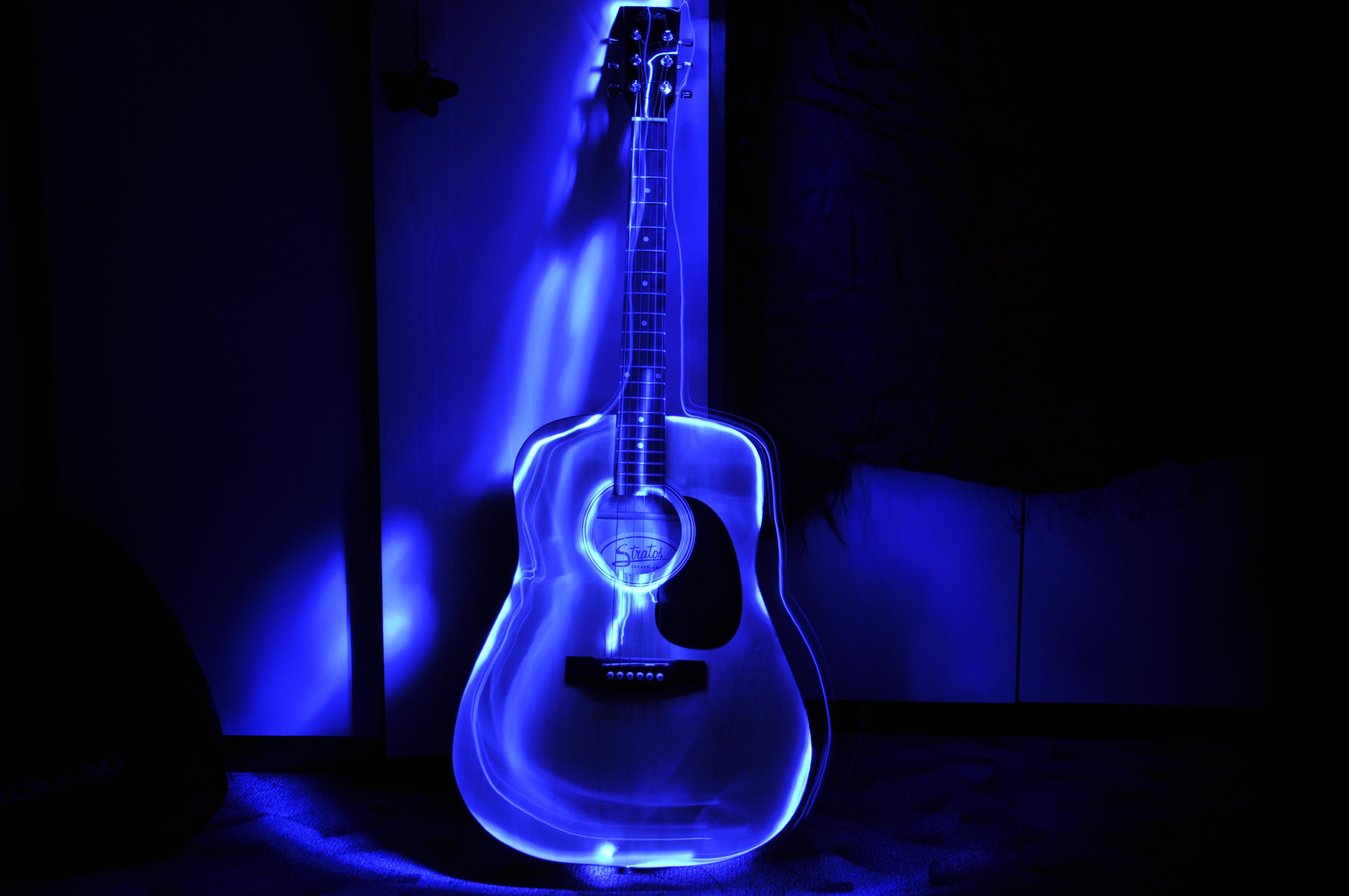
The old guitar hangs on the wall and seldom speaks,
preferring instead to lightly hum when the wind blows just so.

The conceit of two right hands. A slamming door.

Music enters my room by subterfuge, but exits boldly.

If simultaneity is relative, how do we assign primacy
to an overtone? One voice, one whole.

We must respond to our bodies. In kind, with trust.

I ask you to listen without considering the requisite commitment.

The broken circle represents common time replete with imperfections,
linking the measurable to the internal well.

Gather what comes, no matter the source.

Mark time and repeat: harmonics, the quivering string. Breath.


* * *

“In the Key of Your Hour” appeared here in September 2016, and is also in my chapbook-length work, The Circumference of Other, which is included in IDES: A Collection of Poetry Chapbooks, published by Silver Birch Press in 2015.

OLYMPUS DIGITAL CAMERA


Tree

DSC_0009


Tree

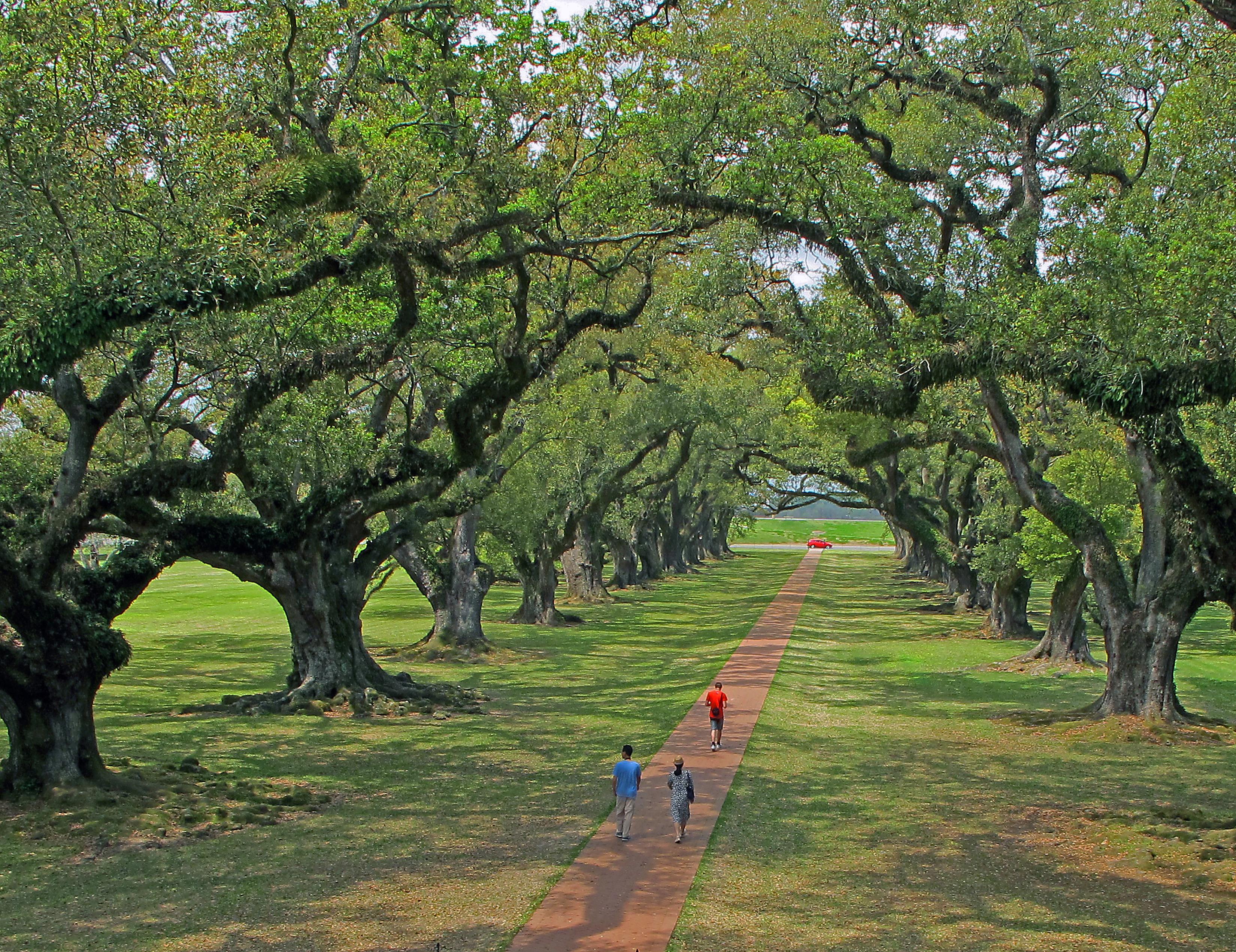
where you go
the wind follows
as if no

choice remains but
that of sun
and oak an

attraction such that
limbs curve to
light a certainty

which cautions us
to intrude lest
we lose all

sight and sense
of beauty you
are this tree


A Walk Through the Live Oaks


Written in the 80s, “Tree” first appeared here in December 2014.

Epiphanies

Don't Say That jar, collecting coins for bad words


Epiphanies

What greater doubt
than if

preceding only,
or hope cascading through the withheld
unspoken phrase?

Or the conditional, as it slows to place
an obstacle in its very own
path. If only I could

I would deny its existence,
but the conjunctive

bears blame as well,
though nothing’s put before

the preposition (which one
would certainly never end with).


* * *

“Epiphanies” first appeared here in April 2015.


CUE 8


Simplify, as in Forget


Simplify, as in Forget

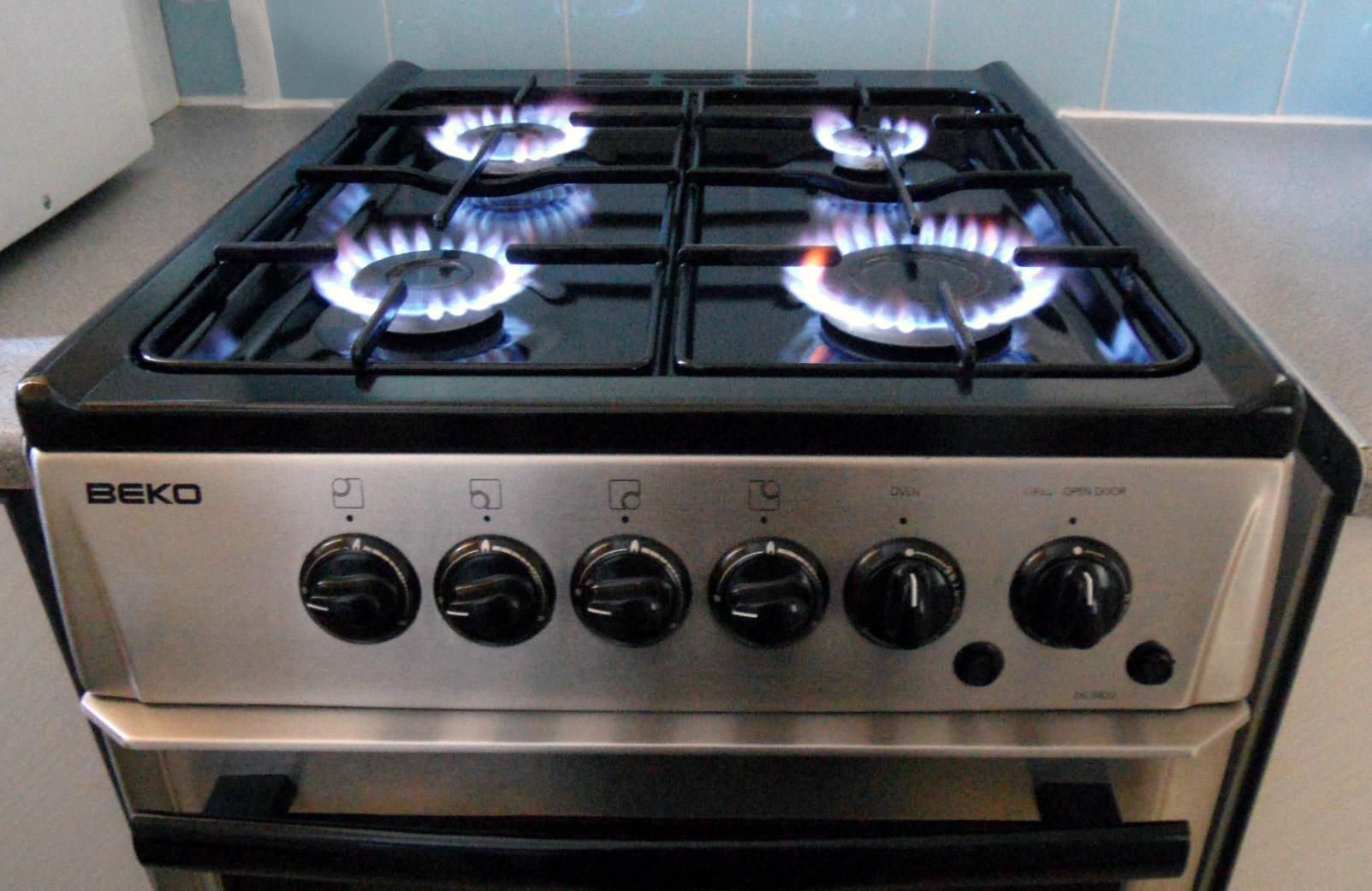
To turn off the stove
or close the refrigerator door,

such brazen attempts to win
the aging contest or blur the mirror

of clarity — you won’t say
which to blame or praise

or whether intent is implicit in
action or if I should hold my breath.

What is the freezing point of love?
When you were cold, whose

belly did you curl into, whose ear
gathered your breath and returned it

warm and with the promise of bees
producing honey? Your name floats

above my outstretched hand,
and unable to grab it, I blink and turn

away. Nothing works as it should.
I exhale. You push the door shut.


* * *

“Simplify, as in Forget” first appeared in the print journal Good Works Review in February 2018, and is included in the anthology Lost & Found: Tales of Things Gone Missing, Wagon Bridge Publishing, 2019.

Mayflies (with recording)


Mayflies

Having no functioning
mouths, adults do not eat,

and live their lives
never knowing

the pleasure of food
and drink, the bitter

bite of dandelion greens
with the crisp notes

of prosecco rolling over
the tongue. Instead,

they engage in aerial
sex, often in swarms

above water, many dipping
to the surface to lay eggs,

some submerging, while
others die unfulfilled,

eaten. Who’s to say
which life burns brighter;

even knowing these facts,
still I dream of flight.


“Mayflies” is included in my chapbook, From Every Moment a Second. It was also the inspiration for the artwork gracing the cover. I am in debt to Stephanie L. Harper for providing such a vivid and appropriate piece of art for the book. Available at Amazon.Com and Here


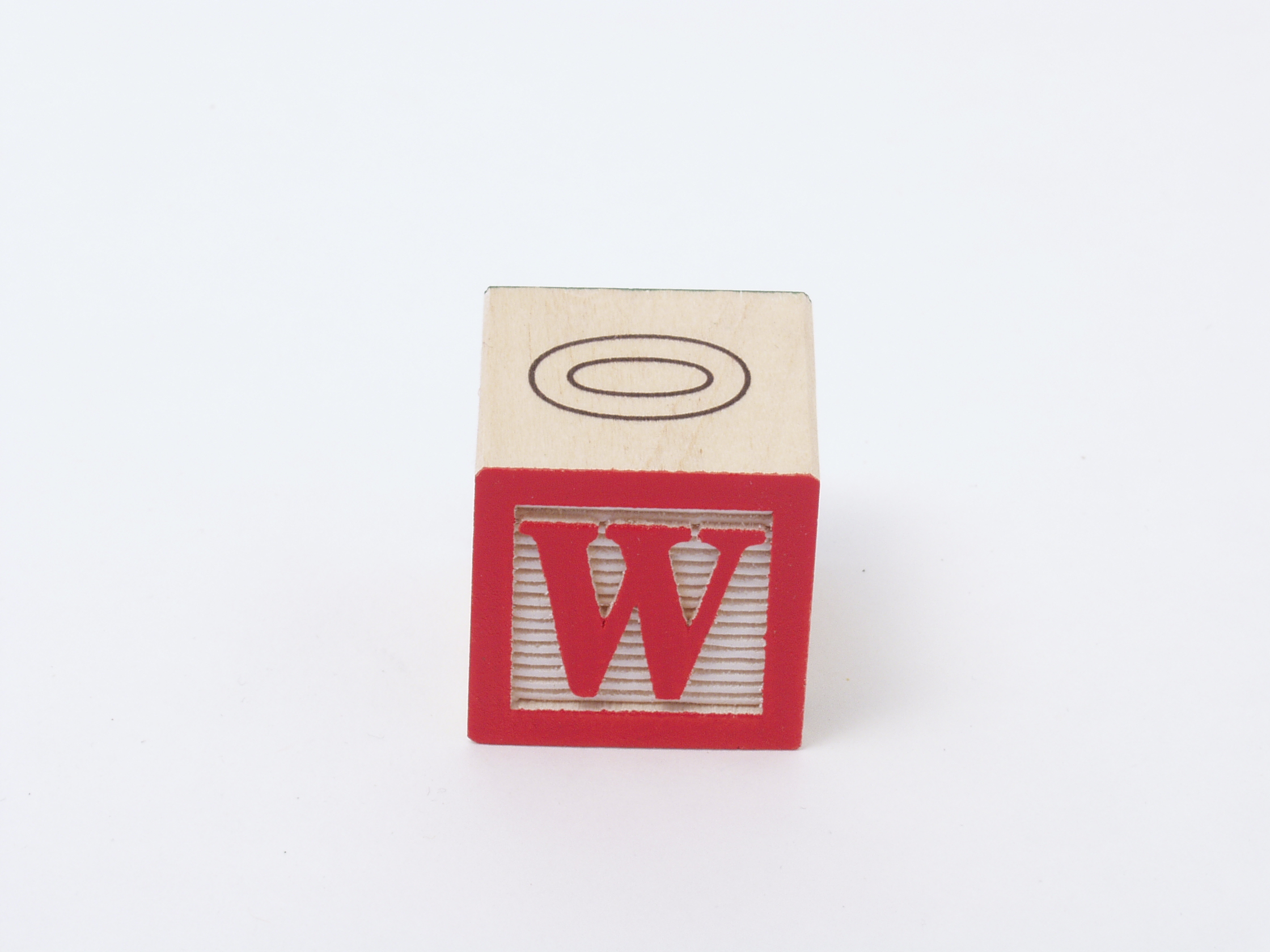
Self-Portrait with W

file7131243281016


Self Portrait with W

One might claim a double victory, or after the Roman Empire’s fall, a reclamation
from the slurred “b” and its subsequent reduction.

Survival of the rarely heard, of the occipital’s impulse.

The oak’s crook performs a similar function.

Shielding myself from adjuration, I contemplate the second family
root, weighted in weapons, in Woden, in wood.

Not rejection, but acceptance in avoidance.

The Japanese homophone, daburu, bears a negative connotation.

Original language was thought to be based on a natural
relation between objects and things.

Baudelaire’s alphabet existed without “W,” as does the Italian.

The recovery of lost perfection is no longer our aim.

When following another, I often remain silent.
As in two, as in answer, as in reluctance, reticence.

We share halves – one light, one shadowed, but both of water.

Overlapped or barely touching, still we complete.


* * *

“Self-Portrait with W” originally appeared in the Silver Birch Press Self-Portrait series in 2014, and was reprinted in my chapbook, The Circumference of Other, included in Ides, a one-volume collection of fifteen chapbooks published by Silver Birch Press and available on Amazon.com.

OLYMPUS DIGITAL CAMERA