Earth Keeps Spinning


Earth Keeps Spinning

What book
do I pull from the shelf
in this hour
marking my friend’s
return to that light-drenched

inkling before everything
collapses?

Which title, which
weight shall I
covet? What
do we hold if not
each other?

Being no one, I cannot say.
The earth keeps spinning
even as I walk
to the mailbox,
anticipating new words.

He cannot read these lines.

I do not write them.


* * *

“Earth Keeps Spinning” was first published by Red River Review in August 2018.


Sunday, June


Sunday, June

Trying to give, I fail too often.
But this day we prepare for you
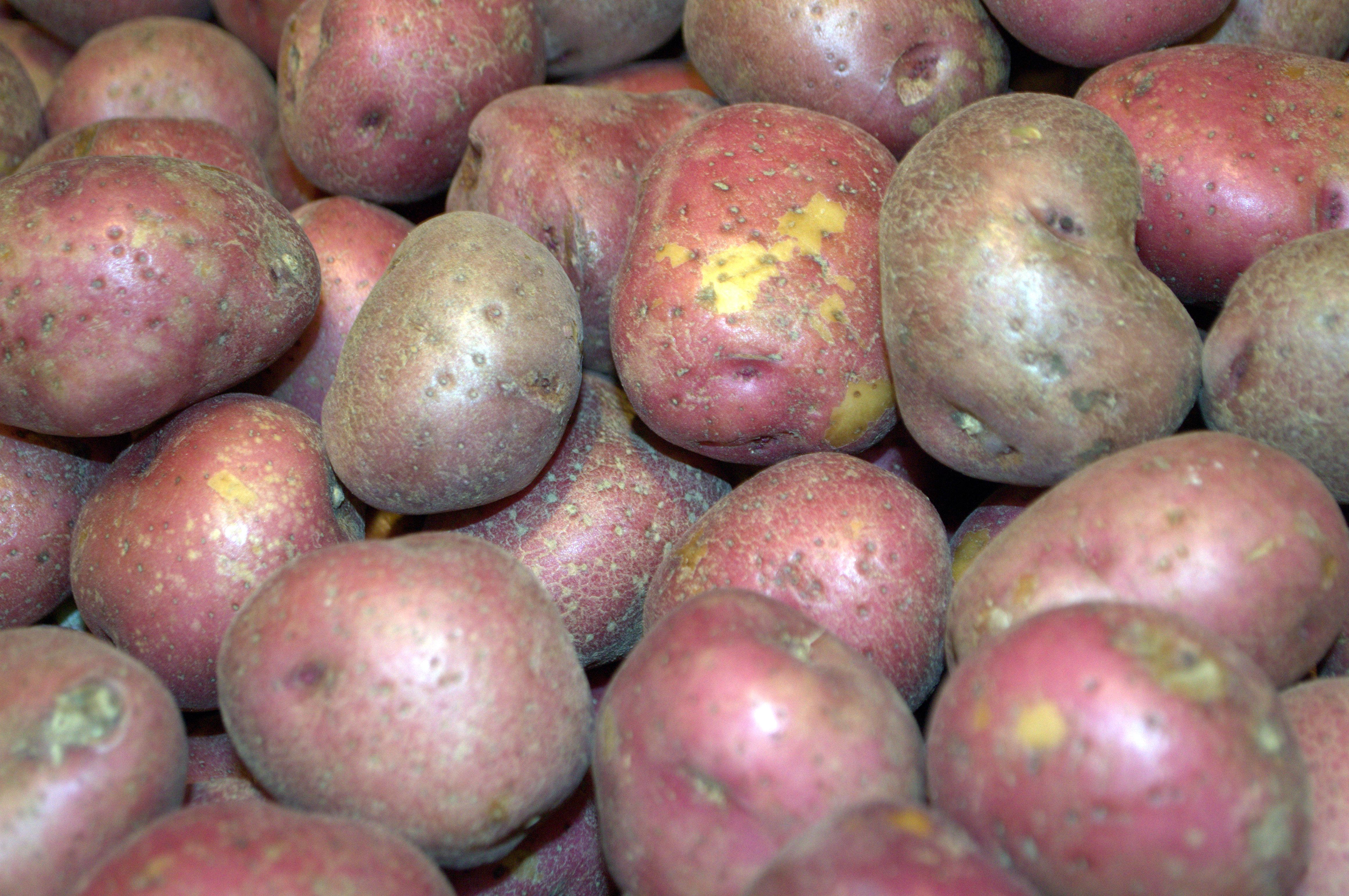
food that your beloved often cooked,
made with the ingredients of 19,000
nights and promises of more to come.
These potatoes. That beef, the fruit.
Simple, and yet so difficult to reproduce.
Even the recipe is incomplete. “Some
mayonnaise,” it says, then “mustard,”
but not whether dry or prepared, and
the amount is unclear. Yet the results
transport you to stronger days, to
the clear-eyed self and limitless
possibilities, meals on the table
at five o’clock, the satisfaction of work
well done, knowing that you have soared
above your father’s imprecations
but never beyond love’s touch, her
sleepy murmurs, morning coffee,
burnished histories and late cigarettes,
the tulips on the soil you’ll soon share.


“Sunday, June” first appeared in the print journal Nourish in March 2018.

Mockingbird

 OLYMPUS DIGITAL CAMERA


Mockingbird

Withdrawn, it unfolds
to another
voice, like that

of a child lost in the wind.
Or, lonely, it rises from its place

and sings, only
to return and start again.
The pleasure we accept derives from

the knowledge that we are not alone.
Each morning we walk out and sit
by the stones, hoping to observe some

new patterns in his life. What we
see is an answer. What we hear is no song.


* * *

file5231249687751

“Mockingbird” made its first appearance here in January 2015. It was written
in the 1980s, probably around 1987-1989.


As Blue Fades


As Blue Fades

Which defines you best, a creaking lid or the light-turned flower?

The coffee’s steam or smoke wafting from your hand.

Your bowls color my shelves; I touch them daily.

Sound fills their bodies with memory.

The lighter’s click invokes your name.

And the stepping stones to nowhere, your current address.

If the moon could breathe would its breath flavor our nights?

I picture a separate one above your clouded island.

The dissipating blue in filtered light.

Above the coral. Above the waves and ocean floor far below.

Above the space your ashes should share.

Where the boats rise and fall, like chests, like the waning years.

Like a tide carrying me towards yesterday’s reef.

Or the black-tailed gull spinning in the updraft.


“As Blue Fades” first appeared in Underfoot in October 2017.

Better Than Drowning


Better Than Drowning

As clouds leverage sky and the wind scours each night.

Surrounding the spiraling strands. Wherever I am. And am not.

Over the crushing waves, suspended between air and matter.

With the earth in taproots drilled through stone.

Under the layered fog, dampness upon dampness, differing by degree.

I see you where I don’t look. You live in the mirror.

The night conceals nothing, not even my guilt.

Not even my pleasure. Nor your smile.

I shake the quilt and spread you everywhere.

Though no door existed, it closed behind you.

Which is the point of absence, the fulcrum on which I balance.

You turn and join the light, casting no shadow.


* * *

“Better Than Drowning” first appeared in Underfoot Poetry in October 2017. Many thanks to Tim Miller for taking this piece, and for his enthusiastic support of poets and poetry.


Elegy


Elegy  

1. Adrift

I count more graves than people in my sleep,
but nothing turns more quickly

than an empty wind
in a place whose memory has died.

And all manner of departure: What you have left is you
without you
. As if it could be different, as if decades

could withdraw and draft a blueprint of motive and action,
returning them, returning you, to that point

across the sea where the ship has not yet arrived.
If you ask she will say it does not matter. If you ask.


2. Parentheses

To be within, yet without, as in the unuttered phrase.

It is time the stone made an effort to flower,

to render the void clear and resolute, the diction of
separation divided by decades and your ocean.

The language of silence, drawn near.


3. From the Other Side

Sometime becomes never and steps around a desolate corner,
and all we have left is our field

awash in stone, remnants of the unspoken.
I have no memory of you. Nor you, of me,

but the strands do not lie, and unraveled,
expose the imperfect blends

that compose my love. A leaky roof. The last word.
A pity to put up at all

but there is rain.


4. Another Night

Of all the hours which were the longest?
The earth trembled around me

and I lay still, bearing witness to
the uncertain malice of its

shrug, shoulders brought to
fore, then returned,

and finally, released. If,
after this half-century, words

could reform in your mouth,
what denial would issue?

Ashes, washing ashore.


5. Bridge

And seeing you only as the shadow of an

ending whose voice lies
in an uncommon past, how
may we recognize the very shape we share?

The bridge’s fate is loneliness,
knowing that one side

decries the other’s
call, that separation affords new light:

they are between
comfort and space, between words and a smile,

between nothingness and sorrow,
two points, beginning and end,

reaching, in opposition, towards each other.


Notes:

“What you have left is you without you” is from Edmond Jabes’s “At the Threshold of the Book” in The Book of Questions: Volume I, translated by Rosemary Waldrop.

“It is time the stone made an effort to flower” is from Paul Celan’s poem Corona,” included in Poems of Paul Celan translated by Michael Hamburger.

“A pity to put up at all but there is rain” is from Basho’s Back Roads to Far Towns, translated by Cid Corman and Kamake Susumu.

Albert Huffsticklers poem “Bridges” which appeared in The Balcones Review in 1987, begins “They are between…”

“Elegy” first appeared on Underfoot Poetry in October 2017.


Dictionary of Dreams


Dictionary of Dreams

You do not know their secret names.
Mine is the music of metal and wood.

Human voices behind walls.
Trapped in reds, in chiseled words.

And silence. Always silence.
Or the filtered woodwinds at dawn.

How to describe her body?
The quickness of night. Year’s demise.

A family of ghosts hidden in these halls.


* * *

“Dictionary of Dreams” was published in Kingdoms in the Wild in April 2018.


Something Lost, Something Trivial

broom


Something Lost, Something Trivial

Another word, another bewildered
moment in transition: the phrase
barely emerges from your mouth
before crumbling back into a half-opened
drawer in the loneliest room of a house
that died seventeen years ago.

I nod as if in understanding, and stoop
to pick up a crushed drinking straw,
the kind with the accordion elbow
that facilitates adjustment.

From a rooftop across the street,
a mockingbird warbles his
early morning medley of unrelated
songs, and you say left oblique,
followed by matches, then
collapse on a bench,
winded. I sit next to you

and we both enjoy the warmth
and birdsong, though I know
this only through the uplifted
corner of your mouth, which
these days is how you indicate
either deep pleasure or

fear. I have to leave soon,
I say, and you grab my wrist
and stare into my eyes.
Broom, you reply. And more
emphatically, Broom!

Though I cannot follow you
directly, knowing both path
and destination, I pick my way
carefully through the years
stacked high like cardboard
banker’s boxes stuffed with
papers and receipts no one
will ever see. I know, I say.
I love you, too. Broom.


* * *

“Something Lost, Something Trivial” was published in January 2016 in the first issue of MockingHeart Review. Many thanks to founding editor Clare L. Martin, for her multiple kindnesses.

February 6, 2018


February 6, 2018

Today every song is a diary of lost dates,
moments cured in precision

and stowed away on a train to the next town,
always yearning the beyond, around that precious bend.

Or, a funeral for tomorrow, processing the improbable
present. Lights, flickering. The starling’s first peep.

All urgency dies. Outside, leaves float in the fog
as I drive away to a finite point.

Now, a whistle mourns the day’s broken
surge; never having said goodbye, you move on.


* * *

“February 6, 2018” was published in the North Dakota Quarterly in February 2019.


Ashes

file0001138262091


Ashes

To sweeten the dish, add salt. To bear the pain,
render the insoluble. She envied

the past its incursions, yet the past yields to all,
avoidance to acceptance, trees to smoke.

My mother brought to this country a token of her death to come.

Now it sits on my shelf bearing implements of music.
In her last days I played Sakura on the mandolin,

trusting that she might find comfort
in the blossoms fluttering through the failing notes,

a return to mornings
of tea and rice, of
warmth and paper walls and deep laughter.

Today the rain spells forgive

and every idea becomes form, every shadow a symptom,
each gesture a word, a naming in silence.

Scatter me in air I’ve never breathed.


* * *

“Ashes,” first appeared in Extract(s) in 2013, was reprinted on The Reverie Poetry Journal, and is included in my chapbook, If Your Matter Could Reform.

DSC_0206