Like the lone slice of cucumber
in the dinner salad,
I fear that I am not worthy
of such distinction.
No bottled dressing could mask my ineptitude.
I am that wedge of unripe winter tomato,
those pieces of lettuce bred for travel,
the black olive rounds fresh from the can.
So much to enjoy in mediocrity.
My wind sputters and fizzles.
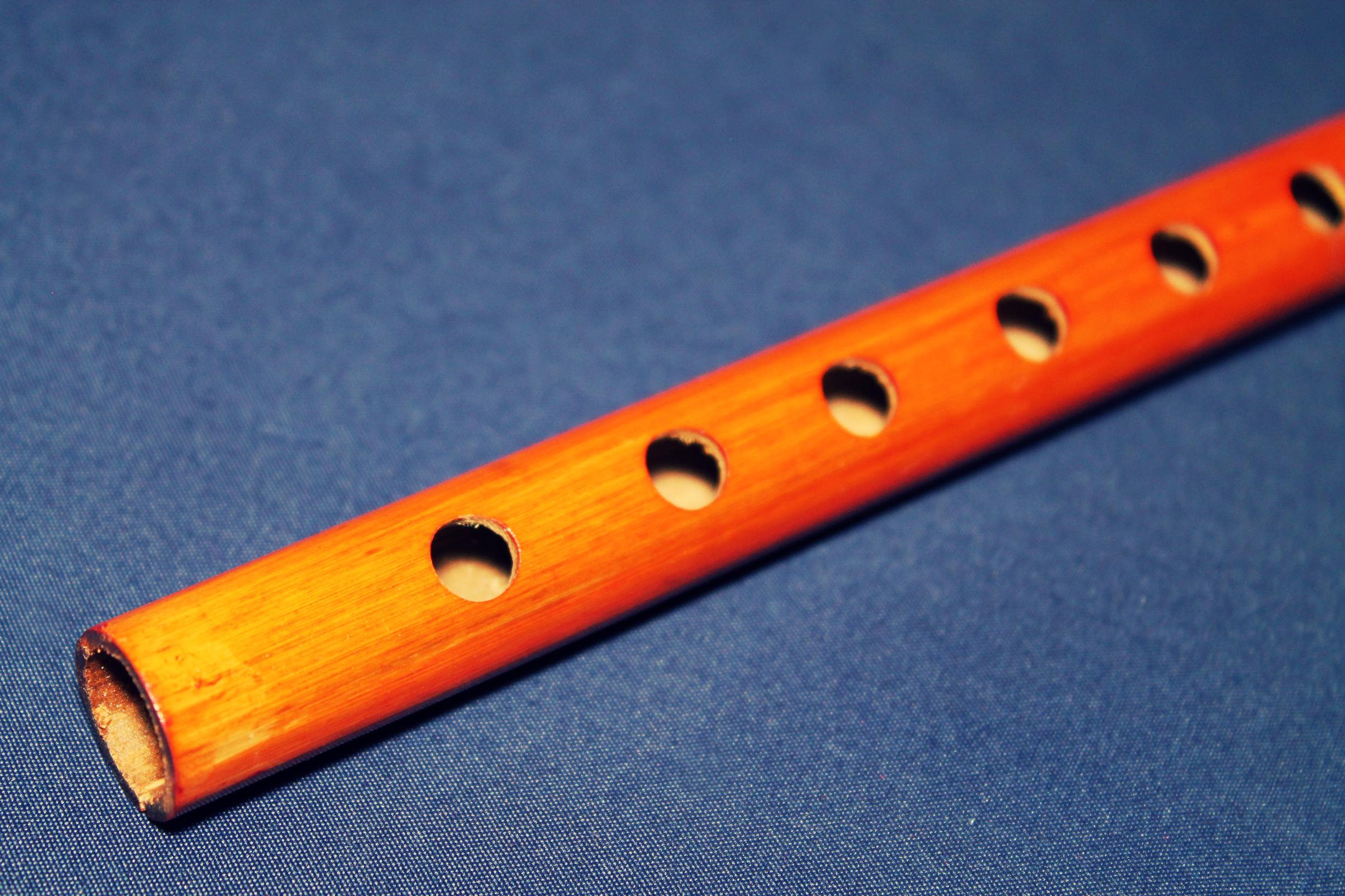
Fingers struggle to cover the holes.
Failures accrue like compound interest
and still I persist.
Perhaps I might add croutons, red onion.
More space. Crumbled feta. Silence.
“Salad Suizen” first appeared in Ethel in August 2019.
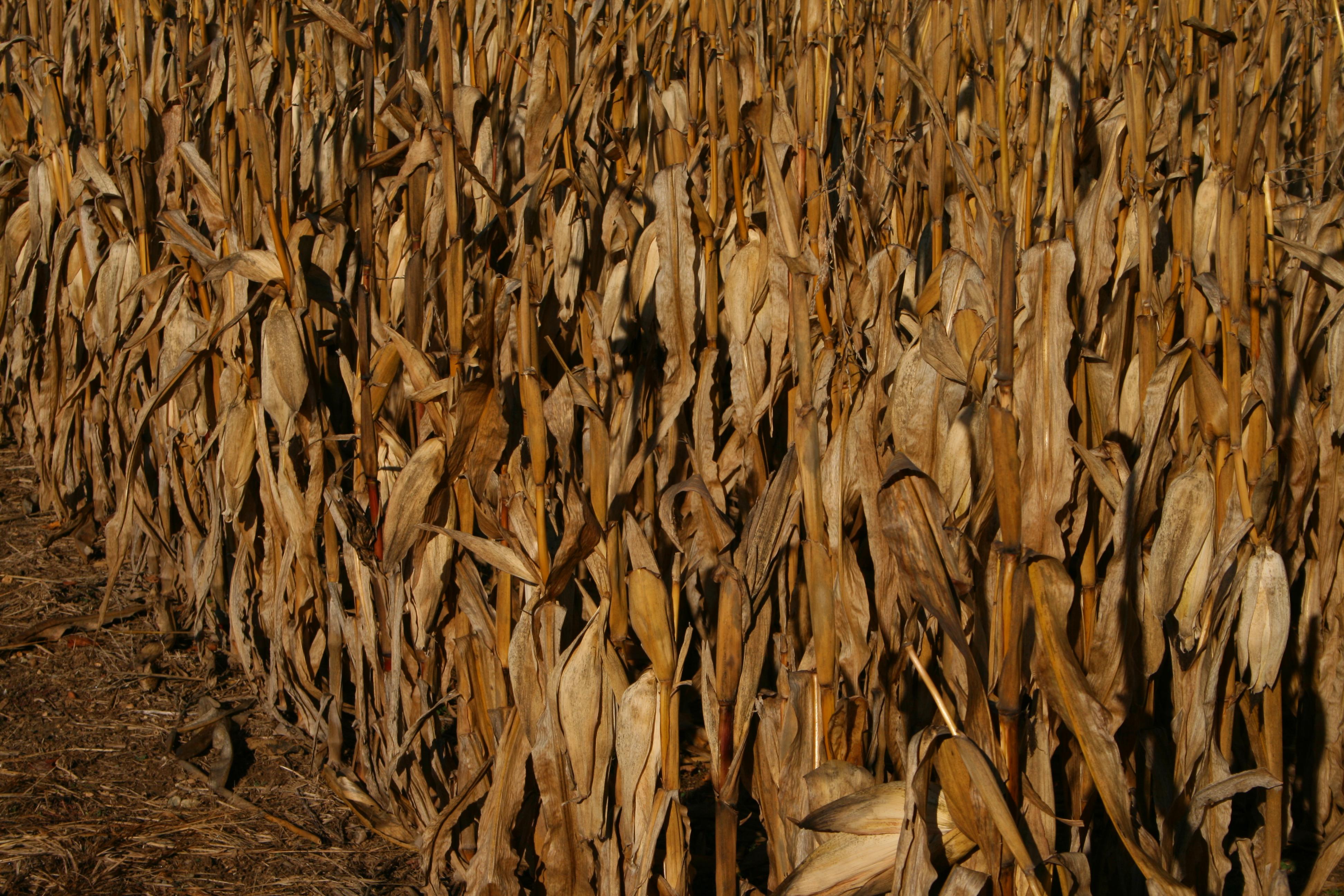
What is a ghost if not misplaced energy, an apprehension or the sum of invisible integers and the properties they possess? I preside over this sea of maize, tracking clouds, noting patterns up high and among the flowing stalks, absorbing minutiae, assigning connections, piecing together bits, moment to thought, soil to trickle, flutter to gain. Energy. Inertia. Waves, converted. If I had a bed I would not neglect to look under it. The closet door would remain open, a nightlight positioned nearby with perhaps a mirror or two angled to offer clarity, and the radio tuned always to jazz, providing little purchase to any ill-intentioned spirit. The power of beauty transfixes, even as it carries me far from my station, from hilltop to plains to glowering moon. If neither place nor reason, what consumes our spiritual remnants, what directs our currents to the next, and each successive, landing? Crows have long been considered conduits to the afterlife, but they exist here, in the now. I do not perspire but fix my gaze on numbers and their tales, on zero and the history of nothing, on unseen fingers walking up my spine, shedding a residue of snow, of mercury and latent images and dormant seeds in the world underfoot, acknowledging the wonders of what can’t be proven, what won’t be held or seen. Still, I add and subtract, unclench my fingers and accept the quiet, caught forever within the limits of the boundless, under the sky, in space, within the improbable.
“Scarecrow Believes” was first published in May 2017 in GFT Presents: One in Four, a semiannual, print literary journal, and was subsequently published by Vox Populi.
When this note fades
will it join you in that place
above the sky
or below the waves
of the earth’s plump
body? Or will it
circle back, returning to
my lips and this
hollow day
to aspire again?
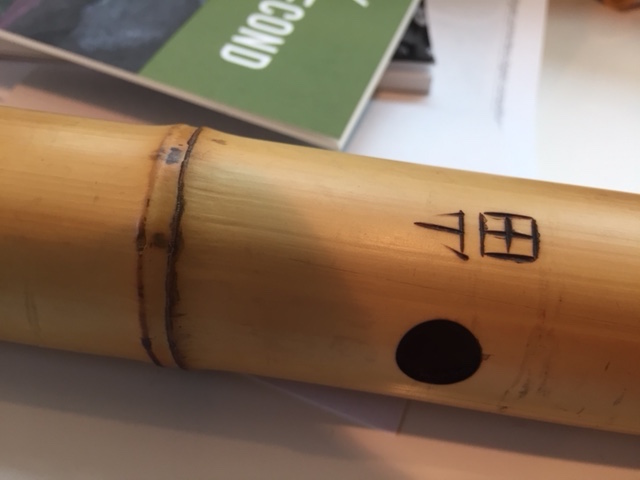
Note: Ro designates the fingering required to produce a particular note on the shakuhachi, the traditional Japanese bamboo flute. In this case, closing all holes.
The words I sing are draped in silence,
wedged between notes yet flowing forward.
Stop-time presents the illusion of interrupted tempo and meter.
Perception informs our spirits.
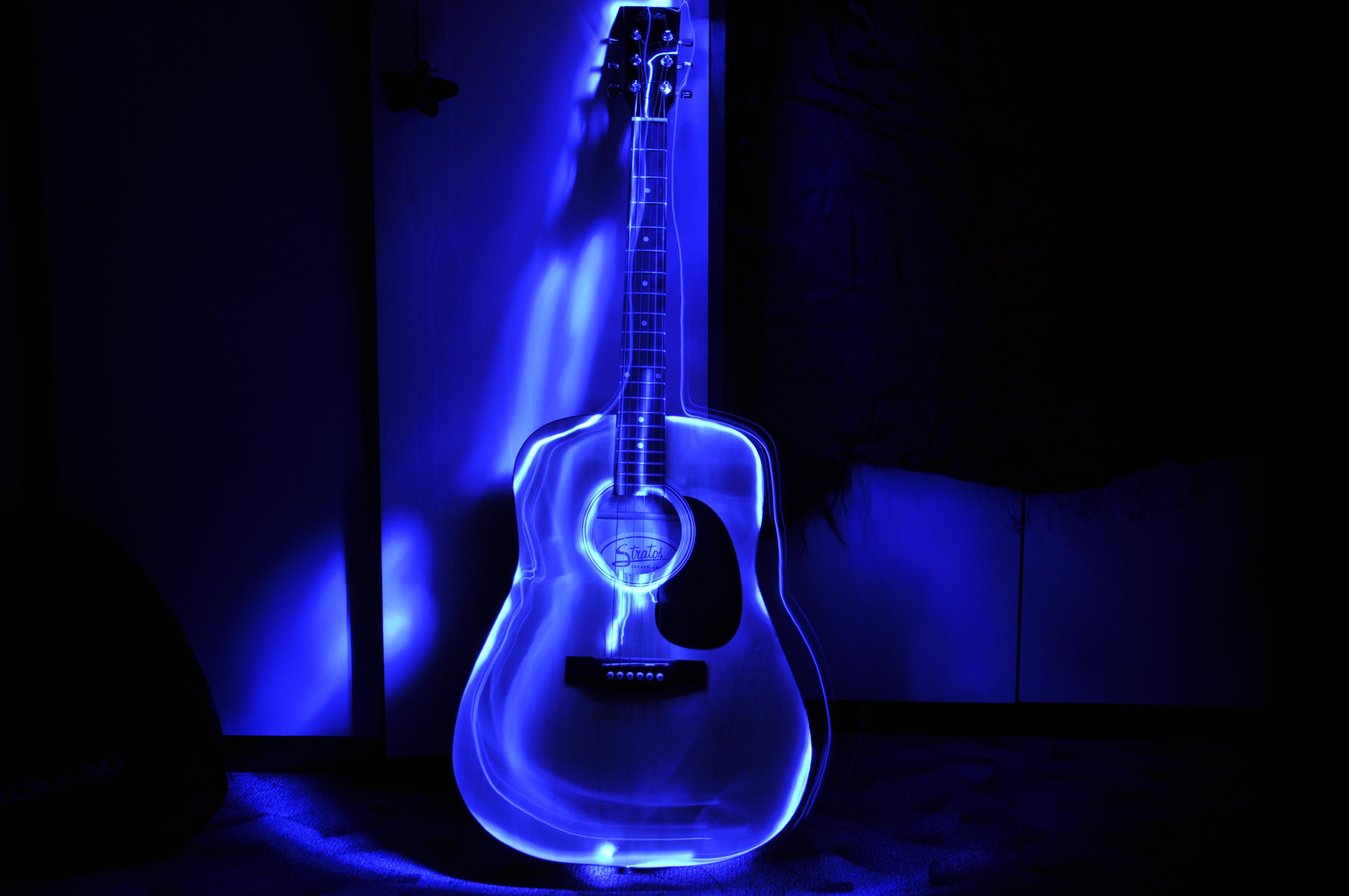
The old guitar hangs on the wall and seldom speaks,
preferring instead to lightly hum when the wind blows just so.
The conceit of two right hands. A slamming door.
Music enters my room by subterfuge, but exits boldly.
If simultaneity is relative, how do we assign primacy
to an overtone? One voice, one whole.
We must respond to our bodies. In kind, with trust.
I ask you to listen without considering the requisite commitment.
The broken circle represents common time replete with imperfections,
linking the measurable to the internal well.
Gather what comes, no matter the source.
Mark time and repeat: harmonics, the quivering string. Breath.
* * *
“In the Key of Your Hour” appeared here in September 2016, and is also in my chapbook-length work, The Circumference of Other, which is included in IDES: A Collection of Poetry Chapbooks, published by Silver Birch Press in 2015.
We have always absorbed heaven,
even through these days of malformed
grain and truth pulled dark and low:
variety confirms purpose. This ear
captures no sound. These inflorescences
produce starch. Those
release pollen. You will die one day.
Inaction reflects uncertain intent.
One must weigh frost,
and with their shallow
roots, susceptibility to drought, poor
soils and high wind. Your lips
kiss steel more readily than flesh, yet
I pray that you amend your thoughts
and accept my proffered hand,
that the individual fruits of the cob
may one day fuse into a single mass,
bringing weight to sunlight,
and a greater grain to your table. But
the door stands unopened, a voice
censuring the innocent. I contemplate
converted light, consider
crows, subduction and rags flapping
in the darkness, silent
tongues wavering unseen above the
unhoed dirt, within each kernel’s
purpose, deep into a hollow core,
raging, unmet and shriveled,
hands opened, resolute yet proud.
The title is from a traditional song, as performed by Alison Krauss and Union Station. The poem is my take on it. “The Boy Who Wouldn’t Hoe Corn” was included in GFT Presents: One in Four, a semiannual, print literary journal published by GFT Press.







 O at the Edges