Scarecrow Believes

Scarecrow Believes
 

What is a ghost if not misplaced energy,
an apprehension or the sum of invisible integers
and the properties they possess? I preside over
this sea of maize, tracking clouds, noting patterns
up high and among the flowing stalks, absorbing
minutiae, assigning connections, piecing together bits,
moment to thought, soil to trickle, flutter to gain.
Energy. Inertia. Waves, converted. If I had a bed
I would not neglect to look under it. The closet door
would remain open, a nightlight positioned nearby
with perhaps a mirror or two angled to offer clarity,
and the radio tuned always to jazz, providing little
purchase to any ill-intentioned spirit. The power of
beauty transfixes, even as it carries me far from my
station, from hilltop to plains to glowering moon.
If neither place nor reason, what consumes
our spiritual remnants, what directs our currents
to the next, and each successive, landing? Crows
have long been considered conduits to the afterlife,
but they exist here, in the now. I do not perspire but
fix my gaze on numbers and their tales, on zero and
the history of nothing, on unseen fingers walking up
my spine, shedding a residue of snow, of mercury
and latent images and dormant seeds in the world
underfoot, acknowledging the wonders of what
can’t be proven, what won’t be held or seen. Still, I
add and subtract, unclench my fingers and accept the
quiet, caught forever within the limits of the boundless,
under the sky, in space, within the improbable.

“Scarecrow Believes” was first published in May 2017 in GFT Presents: One in Four, a semiannual, print literary journal, and was subsequently published by Vox Populi.


Cardinal


Cardinal

Question: what is air if not
the means by which we

see and feel? Sound creates only
itself, another version of the original

sense. I move from shadows to a deeper
darkness, hoping to find that point where absence
ends. But there is no end, only

continuation, a cry for those
who offer their hands in ambiguity. Sometimes
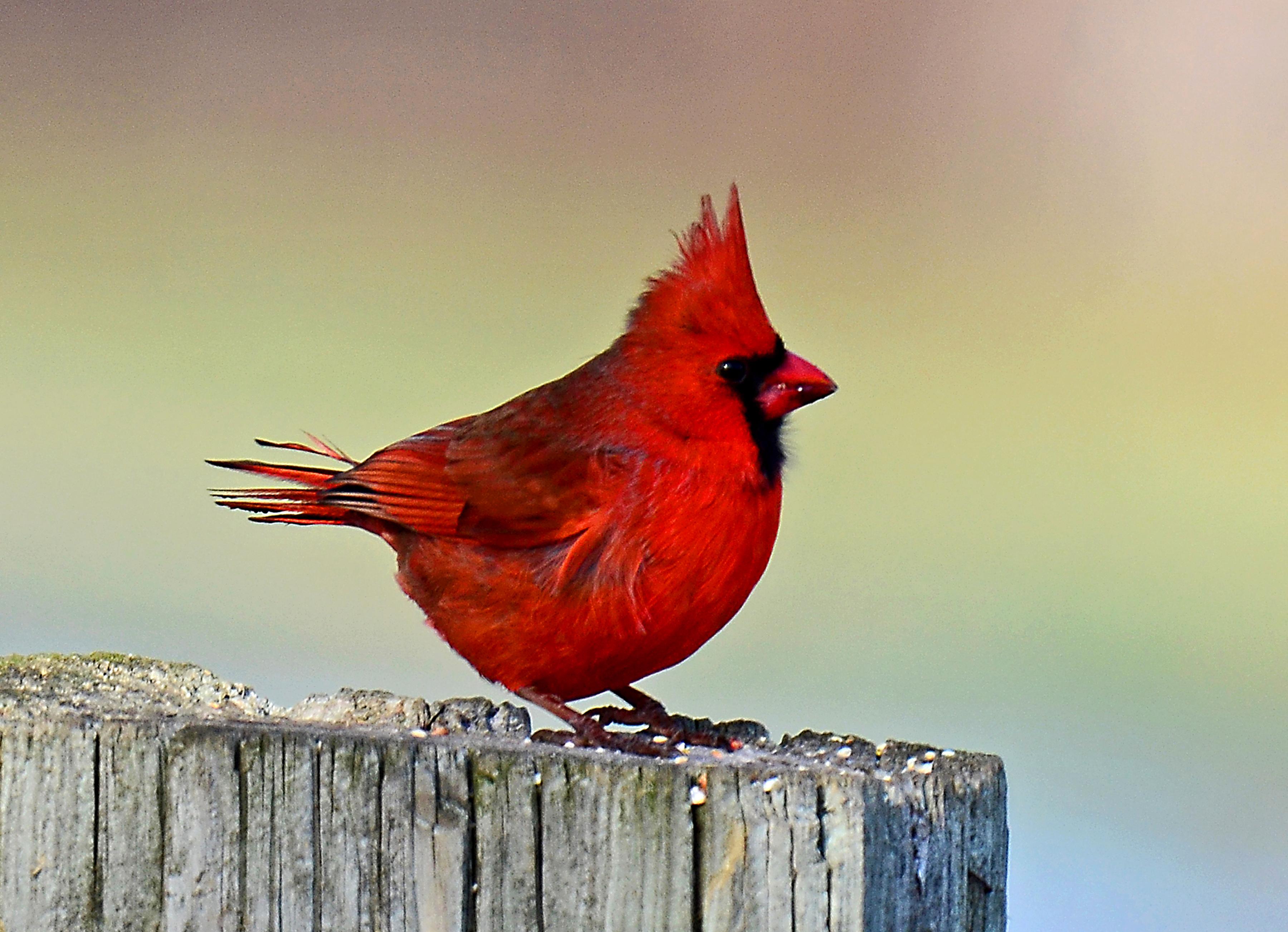
a cardinal’s call fills our

morning with questions. So
little of all we touch
is felt. We are the air. The air is.


Another poem from the 80s. I was obsessed with birds even back then…

Boxcar

boxcars


Boxcar

Whose voice lingers
among the gathered stones,

raised then lowered as if
to ensnare followers?

This is not the issue.
Nor should we speak of paper

shuddering in the wind
and the dense glare of shovels

in the night underfoot.
Pray that the road continues

beyond the next curve
or increment of time.

Trust in motion,
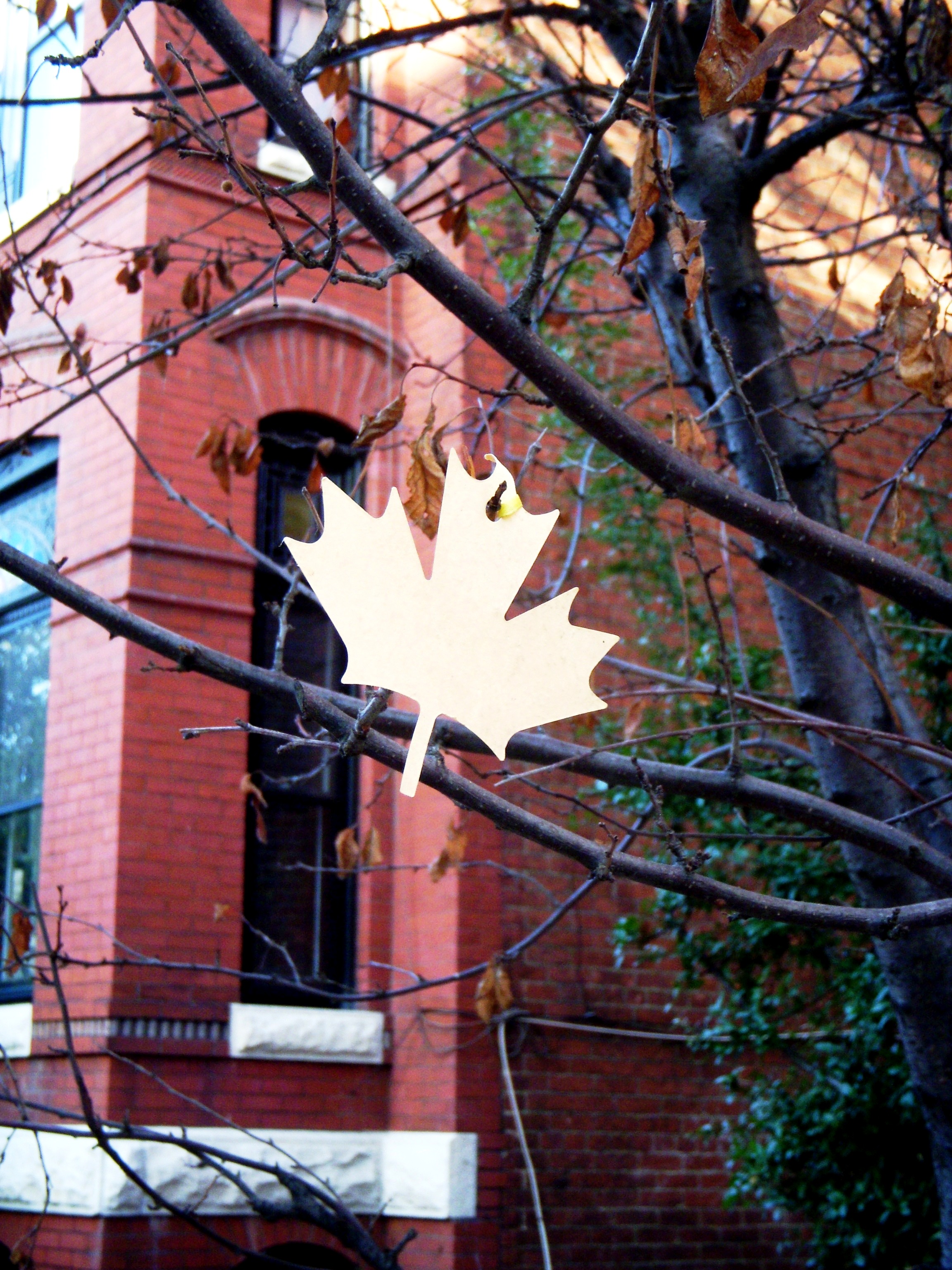
the reticence of trees.


paper leaf

“Boxcars” first appeared here in November 2015. It had been moldering in a folder for three decades when I uncovered it. I have no idea what originally sparked it.

This Oak


This Oak

Never rooted in Tibet,
has not watched a whale breach
a November Pacific dusk, or guzzled
bitter beer near Vesuvius. Nor has it
absorbed the warmth of a loved one’s
hip on a frozen morning long after
the embers’ glow has greyed
and the windows blossomed
white. It cannot know the beauty
of disparate instruments playing
in joyous harmony. It will whisper
no incantations, does not smile,
won’t ever feel the anticipation
of a first kiss after a complicated
courtship. The bouquets of Bordeaux
elude it, as do tears or the benefits
of laughter. Why, then, do I envy it so?


“This Oak” was published in Slippery Elm (print only) published by Findlay University in Findlay, Ohio, in spring 2019. 


The Draft (with recording)


The Draft

All memories ignite, he says, recalling
the odor of accelerants and charred

friends. Yesterday I walked to the sea
and looking into its deep crush

sensed something unseen washing
out, between tides and a shell-cut foot,

sand and the gull’s drift, or the early names
I assign to faces. This is not sadness.

Somewhere the called numbers meet.


* * *

“The Draft” first appeared in Taos Journal of International Poetry & Art.

In the Key of Your Hour

blueguitar


In the Key of Your Hour 

The words I sing are draped in silence,
wedged between notes yet flowing forward.

Stop-time presents the illusion of interrupted tempo and meter.

Perception informs our spirits.

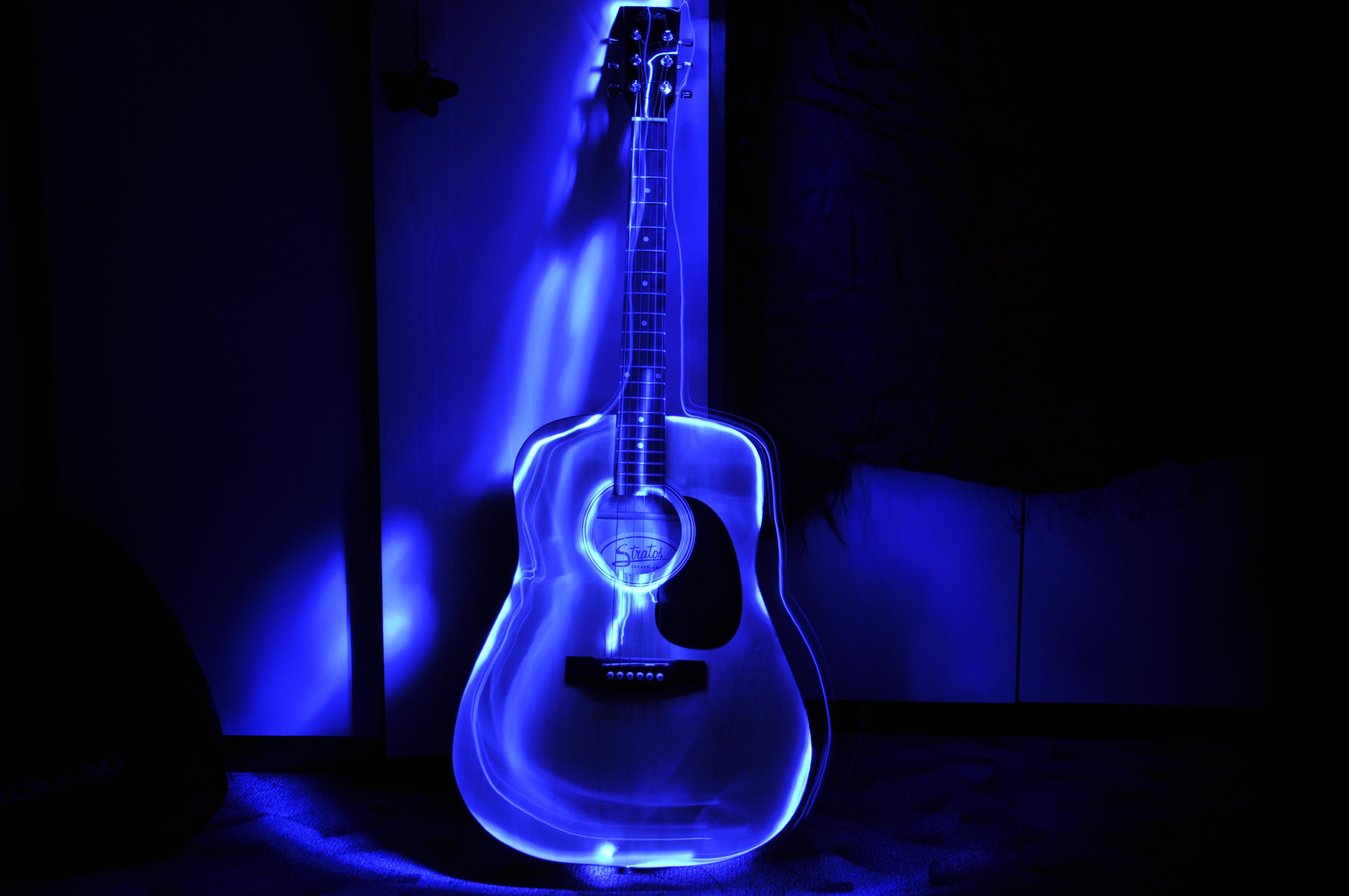
The old guitar hangs on the wall and seldom speaks,
preferring instead to lightly hum when the wind blows just so.

The conceit of two right hands. A slamming door.

Music enters my room by subterfuge, but exits boldly.

If simultaneity is relative, how do we assign primacy
to an overtone? One voice, one whole.

We must respond to our bodies. In kind, with trust.

I ask you to listen without considering the requisite commitment.

The broken circle represents common time replete with imperfections,
linking the measurable to the internal well.

Gather what comes, no matter the source.

Mark time and repeat: harmonics, the quivering string. Breath.


* * *

“In the Key of Your Hour” appeared here in September 2016, and is also in my chapbook-length work, The Circumference of Other, which is included in IDES: A Collection of Poetry Chapbooks, published by Silver Birch Press in 2015.

OLYMPUS DIGITAL CAMERA


Tree

DSC_0009


Tree

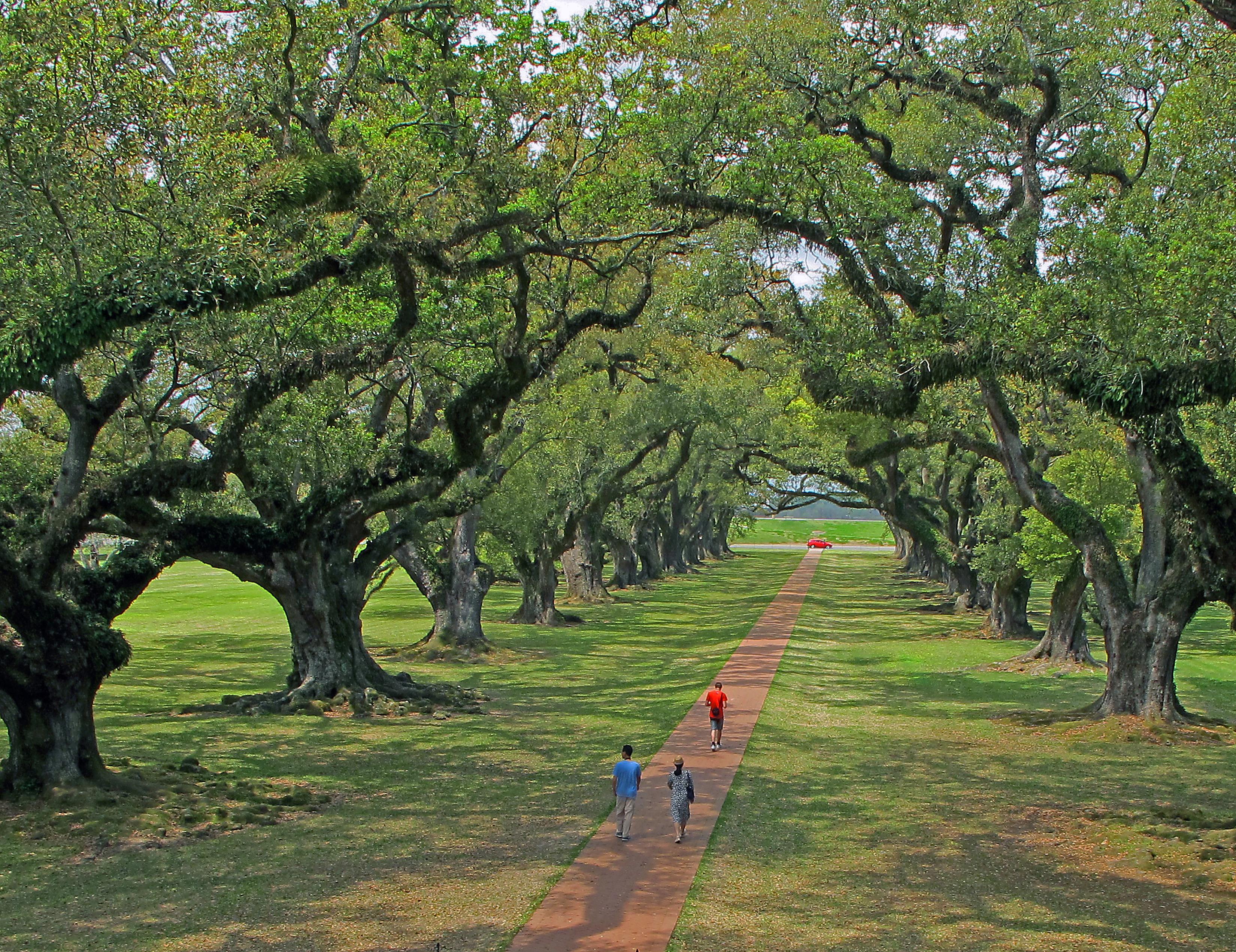
where you go
the wind follows
as if no

choice remains but
that of sun
and oak an

attraction such that
limbs curve to
light a certainty

which cautions us
to intrude lest
we lose all

sight and sense
of beauty you
are this tree


A Walk Through the Live Oaks


Written in the 80s, “Tree” first appeared here in December 2014.

Self-Portrait with W

file7131243281016


Self Portrait with W

One might claim a double victory, or after the Roman Empire’s fall, a reclamation
from the slurred “b” and its subsequent reduction.

Survival of the rarely heard, of the occipital’s impulse.

The oak’s crook performs a similar function.

Shielding myself from adjuration, I contemplate the second family
root, weighted in weapons, in Woden, in wood.

Not rejection, but acceptance in avoidance.

The Japanese homophone, daburu, bears a negative connotation.

Original language was thought to be based on a natural
relation between objects and things.

Baudelaire’s alphabet existed without “W,” as does the Italian.

The recovery of lost perfection is no longer our aim.

When following another, I often remain silent.
As in two, as in answer, as in reluctance, reticence.

We share halves – one light, one shadowed, but both of water.

Overlapped or barely touching, still we complete.


* * *

“Self-Portrait with W” originally appeared in the Silver Birch Press Self-Portrait series in 2014, and was reprinted in my chapbook, The Circumference of Other, included in Ides, a one-volume collection of fifteen chapbooks published by Silver Birch Press and available on Amazon.com.

OLYMPUS DIGITAL CAMERA


Japanese Gardens

file3011293816499


Japanese Gardens

how natural the
lines falling so
purely as if

with a single
stroke we walk
through the opening

and see space
the white center
composed of sand

and gravel later
a gate opens
to another garden

its lantern and
stone so carelessly
arranged so deliberate


file3041292222348

“Japanese Gardens” first appeared here in January 2015.


Threes

image


Threes

Difficulties arrive in waves,
lending weight to the theory of threes,

the plunging fund, a failed engagement, the self’s
doubt, all combined to inflict the particular

misery of the ongoing, the continued, inelegant fate
that declares us human. Look,

she says, the hummingbird flits from leaf to
flower, its wings beating 58 times a second,

a fact not to be trifled with, for what may we duplicate,
contemplate, even, at that pace?

Say the hedge gets clipped, the ring whirs off the finger
and back to the jeweler, and all you know for certain

is that you don’t know. There is no why, no how. No
way. Or life’s reel unwinds and plays only in

reverse. Where do you stop and splice it, forming new,
uncharted worries? And what about that damned

bird, buzzing around your head in territorial fury? Yes,
yes, I know. These things are not my concern. Not really.

But they arrive in unending repetition, one after
the other, in clumps of three – lovely, lonely,

triple-threaded lines of vicissitude lapping at our ankles,
saying nothing, saying everything, saying it used to be so easy.


* * *

“Threes” was riginally published in Eclectica in July 2014, and first appeared on this blog in July 2015.

image