Lament for Five White Cat (after Mei Yao-ch’en)

file3461249385398

Lament for Five White Cat (after Mei Yao-ch’en)

Five White cat always made sure
no rats gnawed my books,
but this morning Five White died.

On the river I offered up rice and fish,
and buried you in its lazy currents,
chanting my lament. I could never neglect you.

One time you caught a rat
and carried it squealing around the yard
to frighten all the other rats
and keep my cottage clear of them.

We’ve shared space aboard this boat,
and although the food is meager
it’s free of rat piss and droppings
because you were so diligent,
more so than any chicken or pig.

Some people speak highly of horses,
saying nothing compares to them or donkeys.
But we’re done with that discussion!

My tears prove it so.

The transliteration from Chinese-poems.com:

Self have 5 white cat
Rat not invade my books
Today morning 5 white die
Sacrifice with rice and fish
See off it at middle river
Incantation you not you neglect
Before you bite one rat
Hold in mouth cry around yard remove
Want cause crowd rat frightened
Thought will clear my cottage
From board boat come
Boat in together room live
Dry grain although its thin
Evade eat drip steal from
This real you have industriousness
Have industriousness surpass chicken pig
Ordinary person stress spur horse drive
Say not like horse donkey
Already finish not again discuss
For you somewhat cry

A Song Dynasty poet, Mei Yao-ch’en (or Mei Yaochen) died in 1060. His great poems live on.

This one is for Jeff Schwaner, whose Mei Yao-ch’en sequence has entertained, inspired and enlightened me. You can find the sequence here: http://jeffschwaner.com/mei-yao-chen-sequence/

DSC_1646

Parting from Wang Wei (after Meng Haoran)

P1010508


Parting from Wang Wei (after Meng Haoran)

These quiet days are ending
and now I must leave.

I miss my home’s fragrant grasses
but will grieve at parting – we’ve

eased each other’s burdens on this road.
True friends are scarce in life.

I should just stay there alone, forever
behind the closed gate.

The transliteration on Chinese-poems.com reads:

Quiet end what wait
Day day must go return
Wish seek fragrant grass go
Grieve with old friend separated
On road who mutual help
Understanding friend life this scarce
Only should observe solitude
Again close native area door

file5971307479422

Lake Pavilion (after Wang Wei)

file000774486365

Lake Pavilion

The boat carries the honored guest
so regally across the lake.
We look out over the railing and sip our wine.
Lotus blossoms, everywhere.

As is nearly always the case, I had more questions then answers when I first considered this adaptation, beginning with “what is happening here?” Yes, someone crosses a lake to meet a guest, they drink wine and see flowers in the water. But what does this signify? From my 21st century Texan viewpoint, the poem seems to be a piece about spiritual passage, and I colored my version with this in mind, using visual references to capitalize on and support the theme – crossing a body of water, looking outward, and of course, observing the lotus flowers, which hold great symbolism in Chinese and Buddhist culture.

The Chinese-poems.com transliteration:

Small barge go to meet honoured guest
Leisurely lake on come
At railing face cup alcohol
On all sides lotus bloom

SAM_3355

Untitled from 1988

file2281274629261

This first appeared in 1988, in Aileron. At the time I was experimenting with movement and breath and line, and wrote quite a few of these meditations in this form, some more successful than others.

where breath begins
it ends consider
light its secret

structure the sense
of limit defined
if a hand

recalls what the
eye cannot which
is the source

of remembrance one
touches more deeply
or allows itself

to be touched
a difference only
in the approach

file9071336337066

In Praise of Time

timeFlies

In Praise of Time

We marvel that so much
produces only
more of the same,

increased yet
diminished, no two
alike yet never

differing, earth to
soil, glacier to rain,
stardust to morning,

open, filled, wasted,
lost, killing, preserving,
making more, wanting.

file000325451598

Dog

photo(18)

Dog

Not away, but after
or contrary,

the reversal indicative
and untoward: scratching,

she spirals to the perfect
spot between us, touching both,

then sighs. In comfort, in ecstasy,
in contentment, who can say?

But we sigh in response.

SONY DSC

Another Farewell (after Wang Wei)

file0001835645749(1)

Another Farewell (after Wang Wei)

We pause at the hill to say goodbye
and I close the willow gate
as dusk falls.

The grass will turn green again
next spring, but will you,
my friend, see its return?

The transliteration on Chinese-poems.com reads:

Hill at mutual escort stop
Day dusk shut wood door
Spring grass next year green
Prince offspring return not return

I’ve taken a few liberties, chief among them employing “willow” rather than wood, for its specificity and for its cultural significance (broken willow symbolizing departure). A little knowledge is dangerous…but I believe it works here.

kalnik 037

Stone Path (after Tu Mu)

file0001060591982

Stone Path (after Tu Mu)

High up the cold mountain a stone path rises
to the village in the white clouds.
I stop the carriage and inhale the evening fragrance,
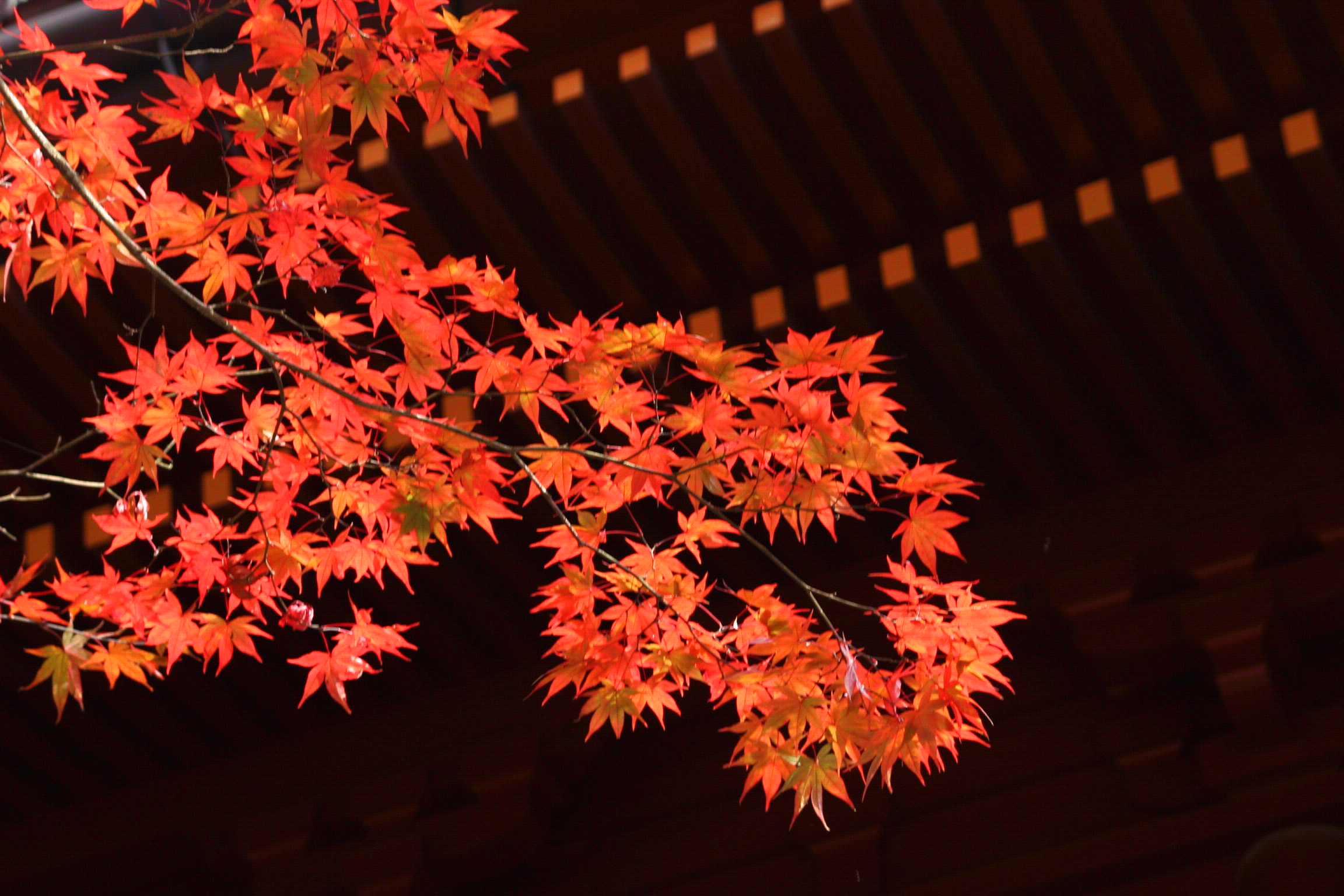
its red, frosted maple leaves richer than any spring flower.

I may have inserted a bit more of myself into this adaptation than is my usual custom. I hope it does not intrude.

The transliteration on Chinese-poems.com reads:

Far on cold mountain stone path slant
White cloud live place be households
Stop carriage because love maple forest evening
Frost leaf red than second month flower

file0001982262771

Nine Ways of Shaping the Moon [#FullMoonSocial2014]

file9781336412046(1)

Written in response to Jeff Schwaner’s invitation to this evening’s Full Moon Social Party. I’m kicking off the festivities by pairing the poem with a glass of chilly Jaume Serra Cava, accompanied by a tad of Cypress Grove’s Humboldt Fog soft-ripening goat cheese on a slice of crusty baguette, with a handful of grapes and almonds. Cheers!

Nine Ways of Shaping the Moon
– for Lissa

1
Tilt your head and laugh
until the night bends
and I see only you.

2
Weave the wind into song.
Rub its fabric over your skin.
For whom does it speak?

3
Remove all stars and streetlights.
Remove thought, remove voice.
Remove me. But do not remove yourself.

4
Tear the clouds into threads
and place them in layered circles.
Then breathe slowly into my ear.

5
Drink deeply. Raise your eyes to the brightness
above the cedars. Observe their motion
through the empty glass. Repeat.

6
Talk music to me. Talk conspiracies
and food and dogs and rain. Do this
under the wild night sky.

7
Harvest red pollen from the trees.
Cast it about the room
and look through the haze.

8
From the bed, gaze into the mirror.
The reflection you see is the darkness
absorbing your glow.

9
Fold the light around us, and listen.
You are the moon in whose waters
I would gladly drown.

file0002123668173

Visit Jeff’s blog, Translations from the English, at http://jeffschwaner.com/

WordPress tag: fullmoonsocial2014

On Parting (after Tu Mu)

file000736221785

On Parting (after Tu Mu)

This much fondness numbs me.
I ache behind my drink, and cannot smile.
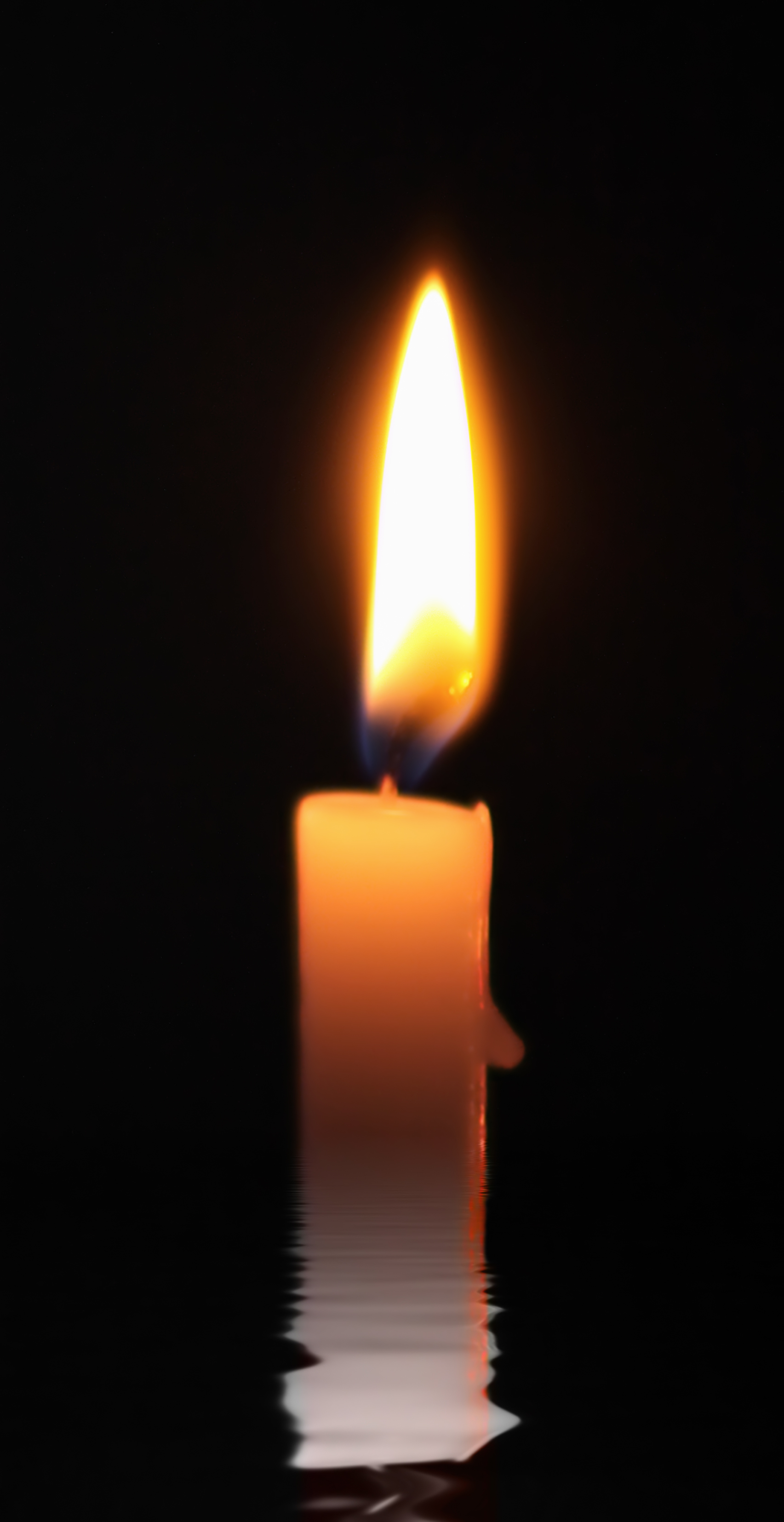
The candle too, hates parting,
and drips tears for us at dawn.

A non-poet friend asked why I’m dabbling in these adaptations. After all, she said, they’ve already been translated. Why do you breathe, I replied, admittedly a dissatisfying, snarky and evasive answer. So I thought about it. Why, indeed. The usual justifications apply: as exercises in diction and rhythm, it’s fun, it’s challenging. But the truth is I love these poems, these poets, and working through the pieces allows me to inhabit the poems in a way I can’t by simply reading them. And there is a hope, however feeble, of adding to the conversation a slight nuance or a bit of texture without detracting from or eroding the original.

The transliteration on Chinese-poems.com reads:

Much feeling but seem all without feeling
Think feel glass before smile not develop
Candle have heart too reluctant to part
Instead person shed tear at dawn

red_coat