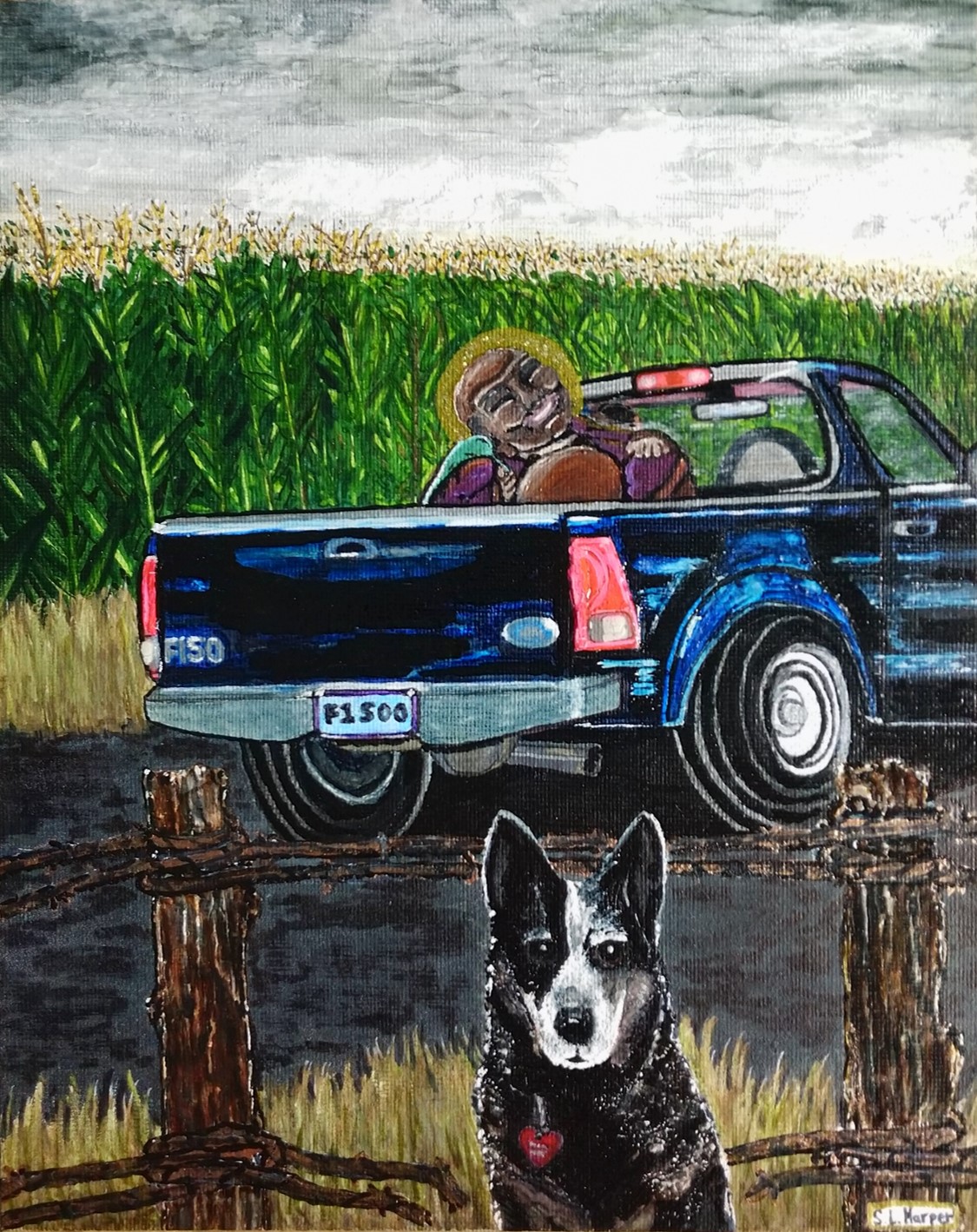
I’ll post order links when available. Cover art by the inestimable Stephanie L. Harper. Author photo by Matthew Harper.


I’ll post order links when available. Cover art by the inestimable Stephanie L. Harper. Author photo by Matthew Harper.
Ikebana (You without You)
Between frames, between presence and negation, authority.
If your body lies in the earth, why are you here?
Limits admired and sought: the way of the flower.
I pluck leaves from the lower half to achieve balance.
Shape and line detach, yet comprise the whole.
My father, awake in his chair, mourns quietly.
A naked twig forms one point of the scalene triangle.
Starkness implies silence, resonates depth.
Heaven, earth, man, sun and moon invoke your absence.
As you trickle through the interval’s night.
* * *
Ikebana is the art of Japanese flower arrangement.
This first appeared on the blog in March 2016, and is included in my mini-digital chapbook, Interval’s Night, published by Platypus Press in December 2016, and available via free download.
Forever
Our dogs hide under the bed,
escaping thunder.
But the sun shatters
a cloud and I know
we will live forever.
Each hour is the sky,
every day, another
star. Now the trees
join the wind
in rejoicing. This
is what we make,
they say. Only this.
* * *
“Forever” made its last appearance here in April 2018.
Snow Country
desolate the reach
of space a
curved line of
white empty as
the loneliness one
feels the tone
is different on
a day like
this she says
unaware that her
words fall like
snow in the
mountains soft quiet
in the roar
no one hears
* * *
Another piece from the eighties…this first appeared here in November 2015.
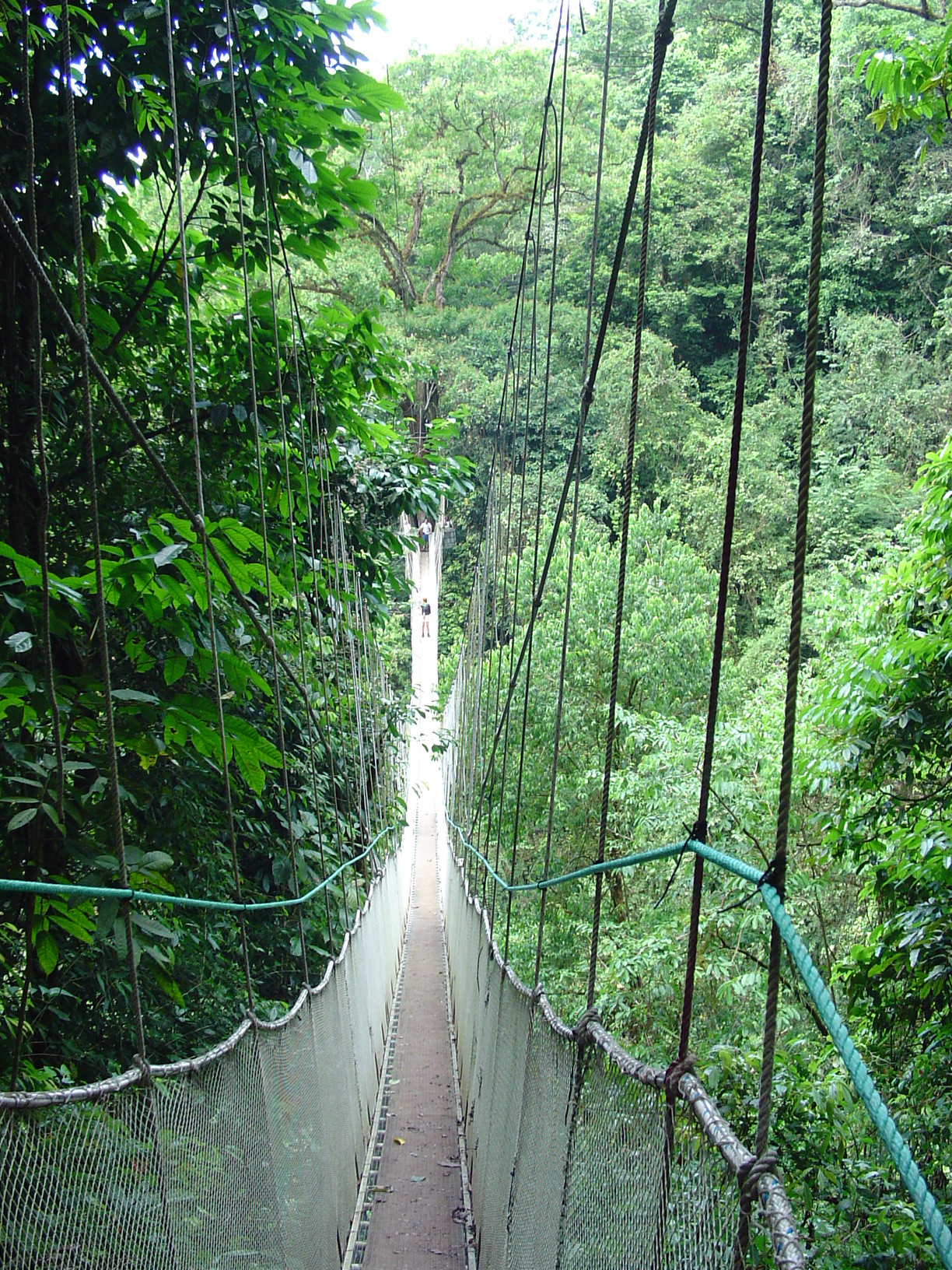
Rain Forest Bridge
To cross
you must first
trust the strands
to hold.
The second tentative
step precedes
the next,
each successive one
gaining strength:
here to
there, now
to then, a summoning of
entreaties
within
one’s faith.
Vapor meets cooler air,
forming droplets,
clouding the far side.
I have feared endings
and the strictures of the unseen,
but here
in this vast
swaying,
I know
one line
bisects the void.
* * *
“Rain Forest Bridge” first appeared in Four Ties Lit Review in August, 2014.
Shakuhachi Blues
That waver,
like the end of a long
dream flickering to wakefulness,
or an origami crane
unfolding between whiskey
poured and the tale of deceit
and a good woman done wrong.
Air flutters through this bamboo
tube, and it seems I control
nothing. Inhaling, I try again.
A simple instrument that will take a lifetime to learn…
Because You Cook
You know the pleasure of
hunger, of patience
and a task well done.
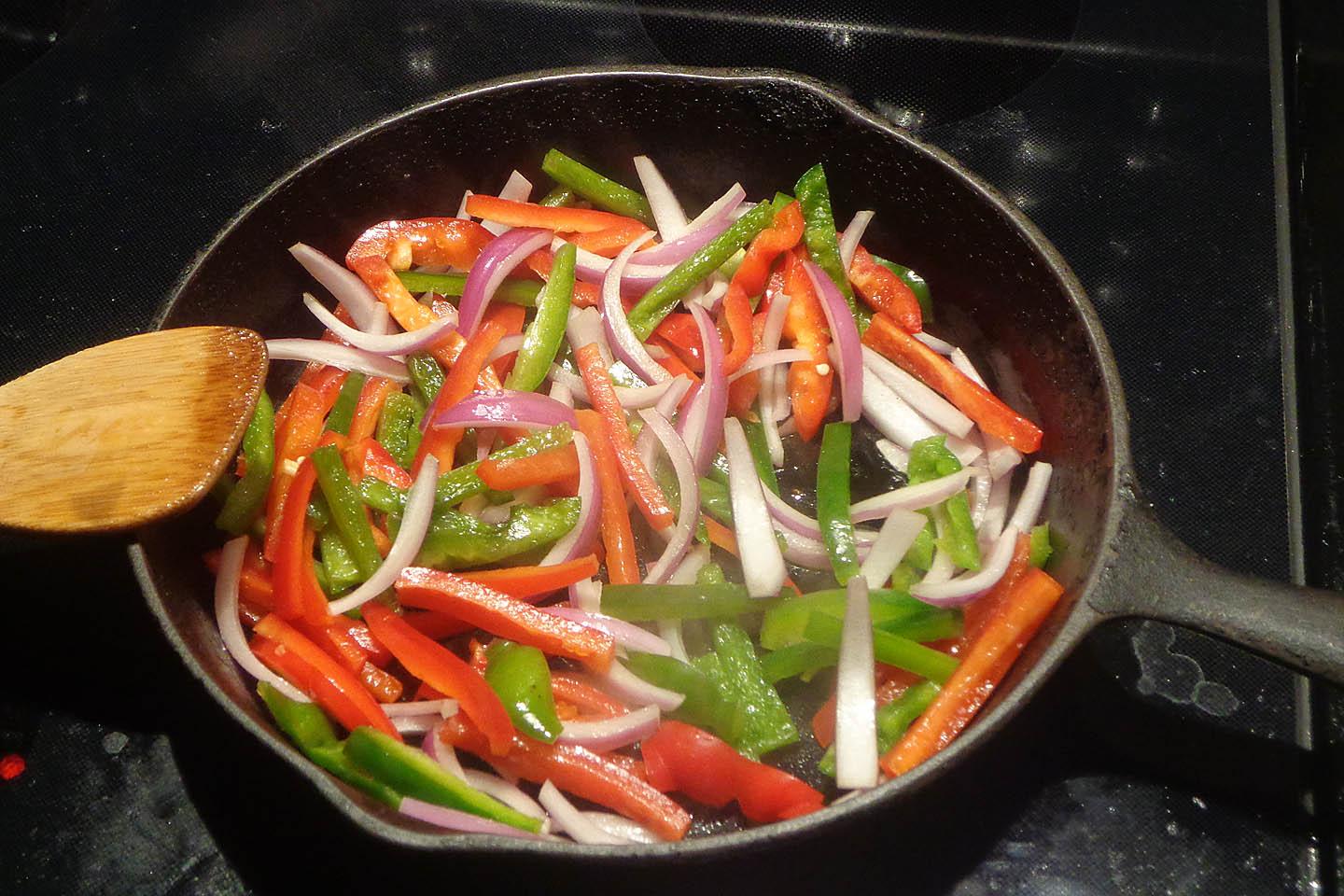
Dice onion, peppers – one hot,
one sweet – saute them in olive oil,
fold them into an egg
cooked flat. Add
crumbled goat cheese, basil.
Look away.
Morning ascends, then declines,
but night drifts in, confident,
ferrying these odors among others.
Accept what comes but choose wisely.
Light the candle. Shift the burden.
* * *
“Because You Cook” first appeared in Ristau: A Journal of Being in January 2018. I am grateful to editor Robert L. Penick for taking this piece.
Beer Bottle Suizen
No rules apply here. I blow
into the empty bottle and achieve
silence. Tilting it, I adjust my mouth’s
shape and blow across the glass lip,
receiving a flicker of tone in return.
Repeat. More of the same. Discarding
the vessel, I open another, drink deeply.
Become the emptying.
* * *
Note: Suizen (blowing zen) is the practice of playing the shakuhachi (traditional Japanese bamboo flute) to attain self-realization.
“Beer Bottle Suizen” first appeared in Subterranean Blue in March 2020.

Why I Hate Mowing the Lawn
The unmowed green reveals its secrets
blade by blade, shadowed and fresh.
Don’t look, it says, whisper deep
into my chlorophyll. Save this blue.
It unveils other nuances, confiding in
contrast and symmetry, employing
your eyes and their measures. The quiet,
all-encompassing and subtle. So true.
* * *
“Why I Hate Mowing the Lawn” was first published at Buddhist Poetry Review.. Thank you, Jason Barber, for taking this poem.
Ro
When this note fades
will it join you in that place
above the sky
or below the waves
of the earth’s plump
body? Or will it
circle back, returning to
my lips and this
hollow day
to aspire again?
Note: Ro designates the fingering required to produce a particular note on the shakuhachi, the traditional Japanese bamboo flute. In this case, closing all holes.