Being this cloud on the otherwise
transparent pane, I resist removal,
smearing myself in thinner layers,
still shrouding the angry sky
or the fence post’s sagging
doubt, which is to say
my appearance may lessen
but spread, that you may rub me
out, but I’ll return, always,
beginning with that one small
and delicious obscure point.
“Self-Portrait as Smudge” first appeared in October 2019 in Backchannels. Many thanks to the editors for taking this piece.
Some days the drive takes twenty minutes,
on others, thirty or more. Seems I might pass
myself on the right morning if time flexed its
biceps or looped me into a dimensional shift
thick with donuts and tires and lost minutes.
How odd it would be to wave and say “see ya,”
knowing that tendered frustration grows in
distance, until it takes over the entire mirror.
Looking back, I see my frown diminishing
to a lone point in that shrinking van at the
hill’s crest. Will we meet in the parking
garage? Should I wait? You know the rules.
Boundless loss, hemmed at the edges.
Another mended hole, wasted mornings.
Unwound, I towel off, extract loose hair.
Look for messages in the clouds, see
only deceit. I am sick with
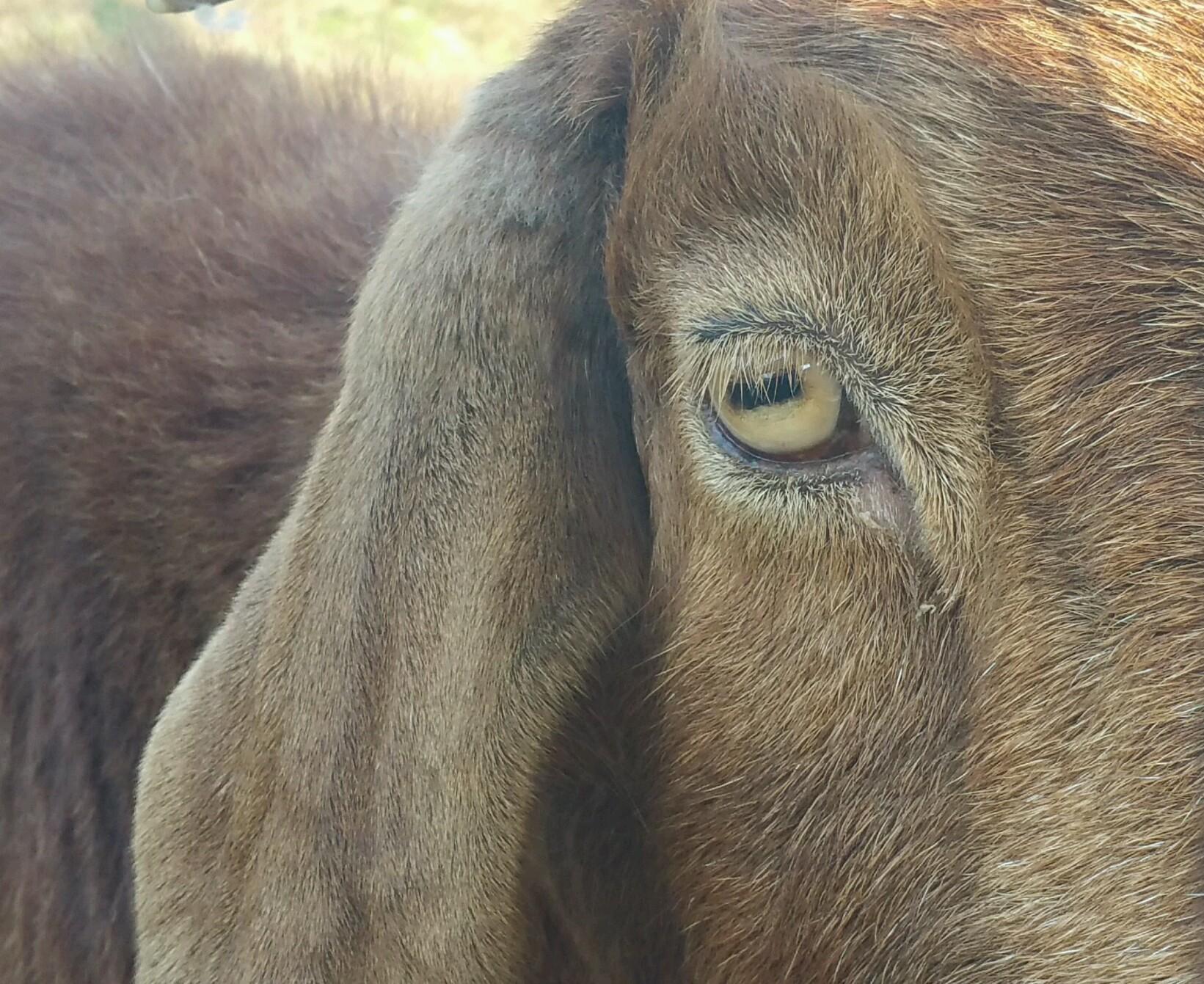
joy. I no longer sing. My goats
shun me. Where is the love,
the missing fact. An albino
squirrel skitters up the oak.
I think of blood, of bone fragments.
The pleasures of rendering.
“Cyclops” first appeared in September 2019 at Recenter Press, a publisher “dedicated to sharing work that is grounded in both the spiritual and the material.” Many thanks to the editors for taking these pieces.
the wind is what
the stillness
desires to say
each instant
collapsing into itself
like a bud
returning
to the seed
listen
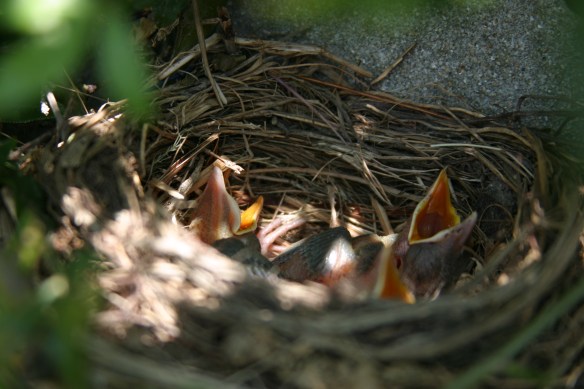
the birds in my tree
are silent
as echoes
before their brief
lives are
silent
something thrashes
in the leaves
the feather
spiraling
slowly
is not only what
it is
as the candle
is more
than flame
or a moment
curling
to darkness
the question
is of clarity
I built a frame
but placed
nothing in it
the wind
blows through
quietly as if
between silences
there exists
only silence or
light
the familiar embrace
unfolding
Originally published in 1987 in a short-lived publication called The Balcones Review, this is the opening of a longer work. When I last looked out my window at that same tree, I heard the birds, no longer silent.
Not imposition, but welcome. The way
cooperation welcomes coercion, turning the
tenor of the intended phrase, opening
the statement to interpretation, opening
a point without dissension, in the way
of politics, agreeing which fact will shape the
morning, which truth will determine the
next word and the subsequent, as if opening
the issue, claiming to have found the way,
one way, the only, but never actually opening.
* * *
A tritina might best be described as the lazy poet’s sestina, consisting of ten rather than 39 lines, with the end words of the first stanza repeating in a specific pattern in the subsequent two stanzas. The last line includes all three end words.
The patterns:
abc
cab
bca
The last line uses the end words in sequence following the pattern of the first stanza.








 O at the Edges