Calm

DSC_0002


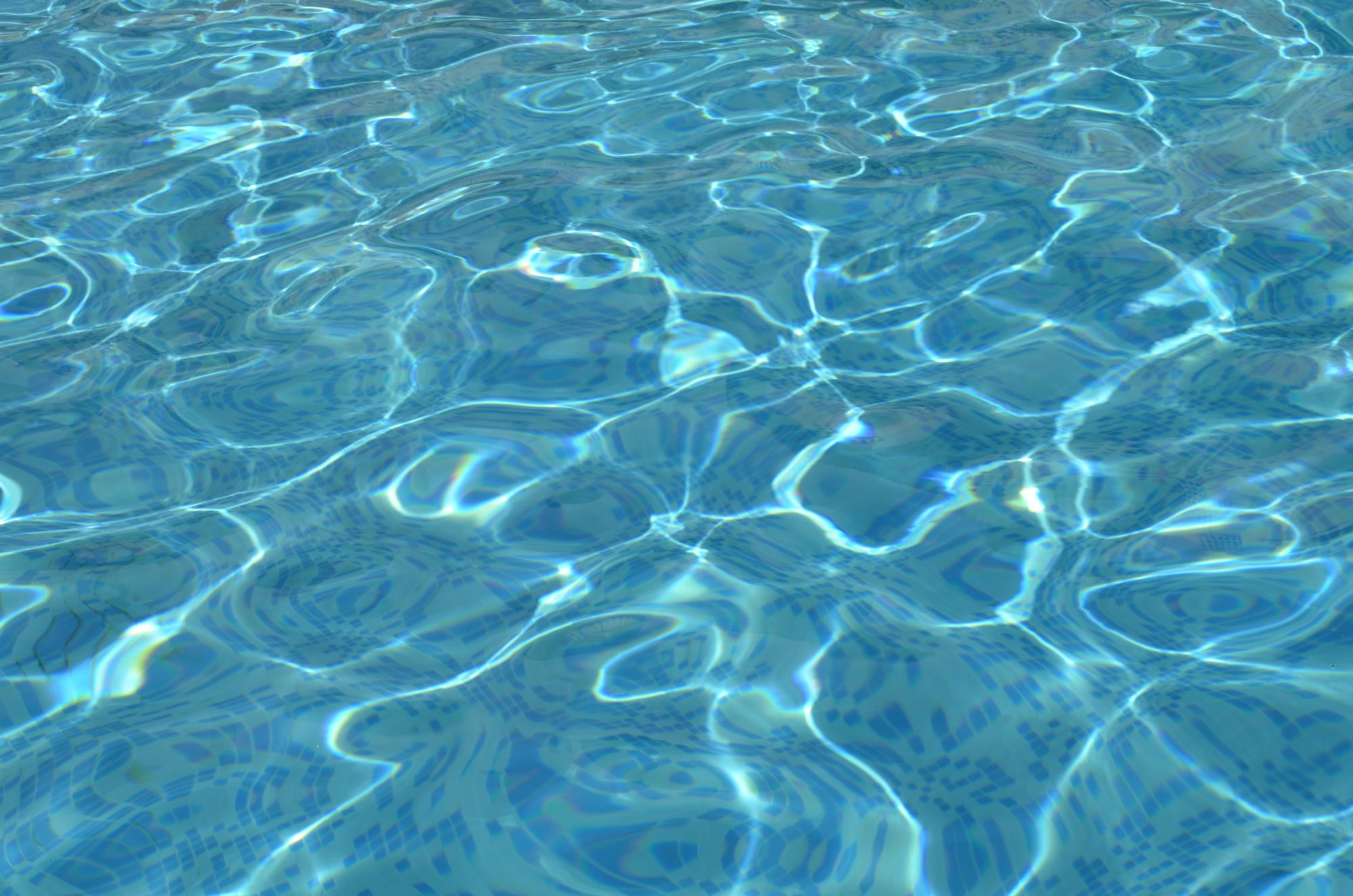
Calm (after H.D.)

I flow over the ground,
healing its hidden scar–
the scar is black,
the bedrock risen,
not one stone is misplaced.

I relieve the ground’s
burden with white froth,
I fill and comply—
I have thrown a pebble
into the night,
it returns to me,
settles and rises,
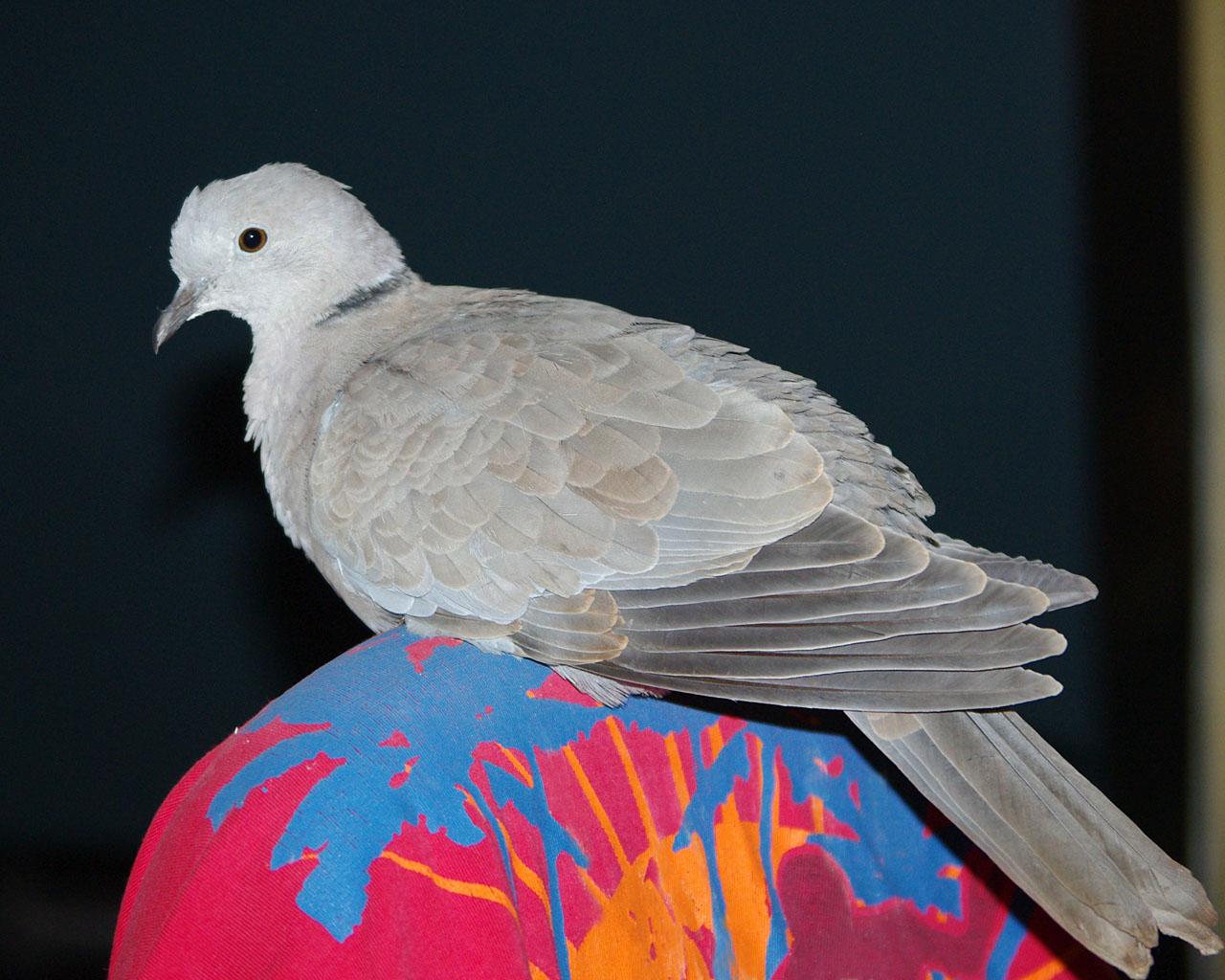
a white dove.


* * *

“Calm” is included in my micro-chapbook Only This, which is available via free download from Origami Poems Project. It made its first appearance here on the blog in March 2015, and was written as an exercise, using a poem, “Storm,” by H.D. as the launching point. I’ve tried to emulate her diction and rhythm, with mixed success. Still, it’s fun to try these on occasion.


collareddove48d1

Shoe

blueshoe


Shoe

The right has only one option,
as is true of the left,

neither to mingle
nor disappear like washed socks

or loved ones in a casino.
There are those who believe

in fallen towers and pasts
burnished beyond recognition,

and truth, as it was written, for them,
in blood, with money inherited

from thieves. The puddle happens.
The door rotates. A snifter shatters.

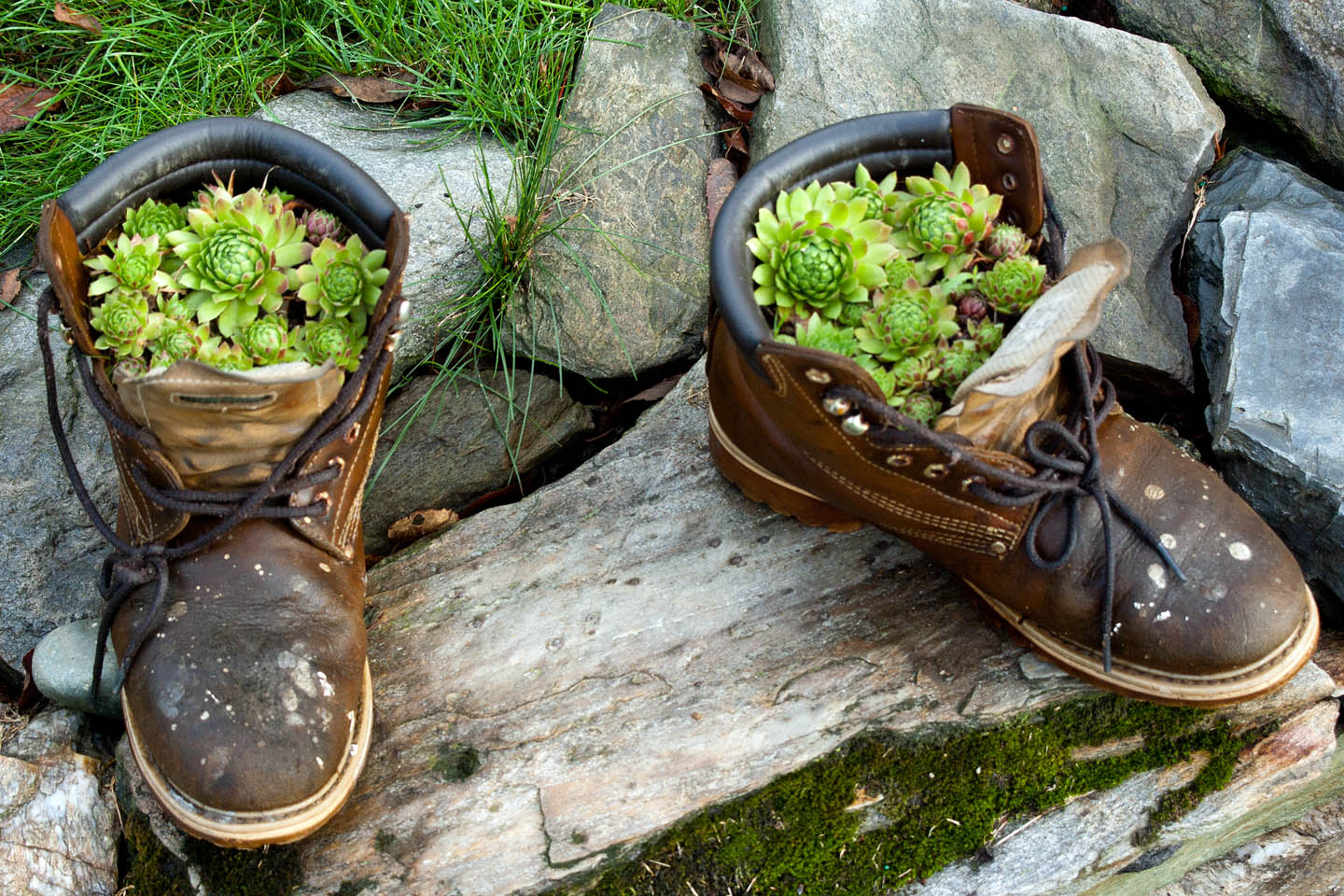
The shoe’s approach defines its wearer.


* * *

This first appeared in March 2016, but somehow seems even more appropriate today.


cactus shoe


Pandemic Reading: Writers Share Their Picks

Looking for something to read during the pandemic? Charlotte Hamrick asked writer friends for recommendations. Scroll down to read mine: https://zouxzoux.wordpress.com/2020/10/27/pandemic-reading-writers-share-their-picks/

Letter from Austin

perfection


Letter from Austin

Michael, when you say moons do you see
cold stone floating in the firmament
or phrases frayed in the mouth and spat on paper?
And does the Spanish moon simmer at a similar
pace to mine or yours? Which embers blush brighter?
But let’s turn to estuaries, to salt and clamor and gun-
running poets and interrupted words sold in stalls
between parenthetical gates, to incomparable cavas
and the deterioration of envy and intervening years.
Or perhaps mislaid passion – a friend claims love
is merely a bad rash, that we scratch and scratch
and inflame but never truly cure what ails us. Sounds like
politics to me. Or sports. And business. Or neighborhoods.
On my street people should cook and play music together,
laugh, raise chickens and read good books. They should
brew beer, swap tomatoes, recite each other’s poetry and sing
in tune. But we’re different here, preferring instead electronics
glowing in dimly lighted rooms. I reject this failure, as I also
reject the theory of centrifugal force spinning off the moon’s
body from the earth’s crust, preferring to imagine a giant
impact blasting matter into orbit around what morphed into the
earth, and somehow accreting the stuff into this orb we
sometimes worship. This, to me, is how good relationships
form: explosions of thought and emotion followed by periods
of accretion. But what I mean is I hope this finds you well
by the river of holy sacrament. Remember: brackish water
bisects our worlds. Turn. Filter. Embrace. Gotta run. Bob.


Originally published in Heron Clan 3, this first appeared on the blog in July 2015.

My friend Michael occasionally sends hand-written notes or letters to me, and I respond with poems. This is one. You might read some of his writing at Underfoot Poetry.

OLYMPUS DIGITAL CAMERA

The Most Intimate


The Most Intimate

How that blue turns gray over green
at a slight tilt of the chin,
and even upside down
anchors the tree.

Some constellations escape language,
stars looming without nouns and adverbs,
the utterances of the planets
caught in the gravity
of their own situations.

Laugh, but the trashcan is full. The lawn is brown.

There are no gods.

Unadorned statements abound.

Even this sky may shift again,
the most intimate twist
turned full.


* * *


“The Most Intimate” first appeared at Poetry Breakfast in May 2019. Thank you, Ann Kestner, for taking this piece.


The Real Question


The Real Question 

I ask myself why I mourn
what has not yet

occurred. Will that last fledgling
fly or will a snake swallow

its gravity before descending
to a separate end? Coffee

darkens the carafe and an egg
poaches amidst the scent of basil.

Sprinkling parmesan on buttered
toast, I wonder where to unearth

the real question, when to look
into its eye. How to read its grief.


“The Real Question” was first published in After the Pause in June 2019. Thank you, Michael Prihoda, for accepting this piece.

Dream of Wheels and Lights

file2441309730955


Dream of Wheels and Lights

Bells clang in the night. The lamp post belted
by mist offers little comfort. A stone’s
toss away junipers curved like melted
spoons shudder silently. There are no phones
in this place. A thought sneaks into your mind
quietly, like a straw piercing the oak’s
armor in a bad wind. You turn and grind
the thought with your heel. A wheel rolls by, spokes
flashing like scythes. Crouching by a puddle
a man studies his face. He looks at you
and cries: “All I want is to be subtle.”
You think you know him, but you’re not sure who
he used to be. You throw a rock and shout
at him. The wheel slows and the light burns out.


Originally published in Amelia, in 1985, and posted here in March 2015. I remember writing this, but it still puzzles me.


photo(5)


Pandemic Reading: Writers Share Their Picks

Looking for something to read during the pandemic? Charlotte Hamrick asked writer friends for recommendations. Scroll down to read mine.

Nocturne with a Line from Porchia

bureau


Nocturne with a Line from Porchia

Everything is nothing, but afterwards.
I rise and the moon disturbs the darkness,
revealing symbols, a few stolen words
on the bureau. Tomorrow I’ll express
my gratitude by disappearing be-
fore I’m found, which is to say goodbye
before hello, a paradigm for the
prepossessed. Compton tells us to imply
what’s missing, like Van Gogh or Bill Monroe,
but why listen to the dead before they’ve
stopped speaking? Unfortunately we throw
out the bad with the good, only to save
the worst. I return to bed, and the floor
spins. Nothing is everything, but before.


* * *

This first appeared in The Blue Hour Magazine in December 2014, and is also included in my chapbook, If Your Matter Could Reform. The line “Everything is nothing, but afterwards” comes from Antonio Porchia’s Voices, translated by W.S. Merwin. Porchia wrote one book in his lifetime, but what a book it was! Often described as a collection of aphorisms, Voices is so much more – each time I open the book, I find new meaning in old lines.

Vincent