Self-Portrait as Compost


Self-Portrait as Compost

Beneath the surface find warmth,
the fruit of decay and mastication,
of layered mixes and intermingled
juices. Disintegrated or whole,
still I strive to speak. Bits of me
meld, to be absorbed slowly; I
process and am processed: here,
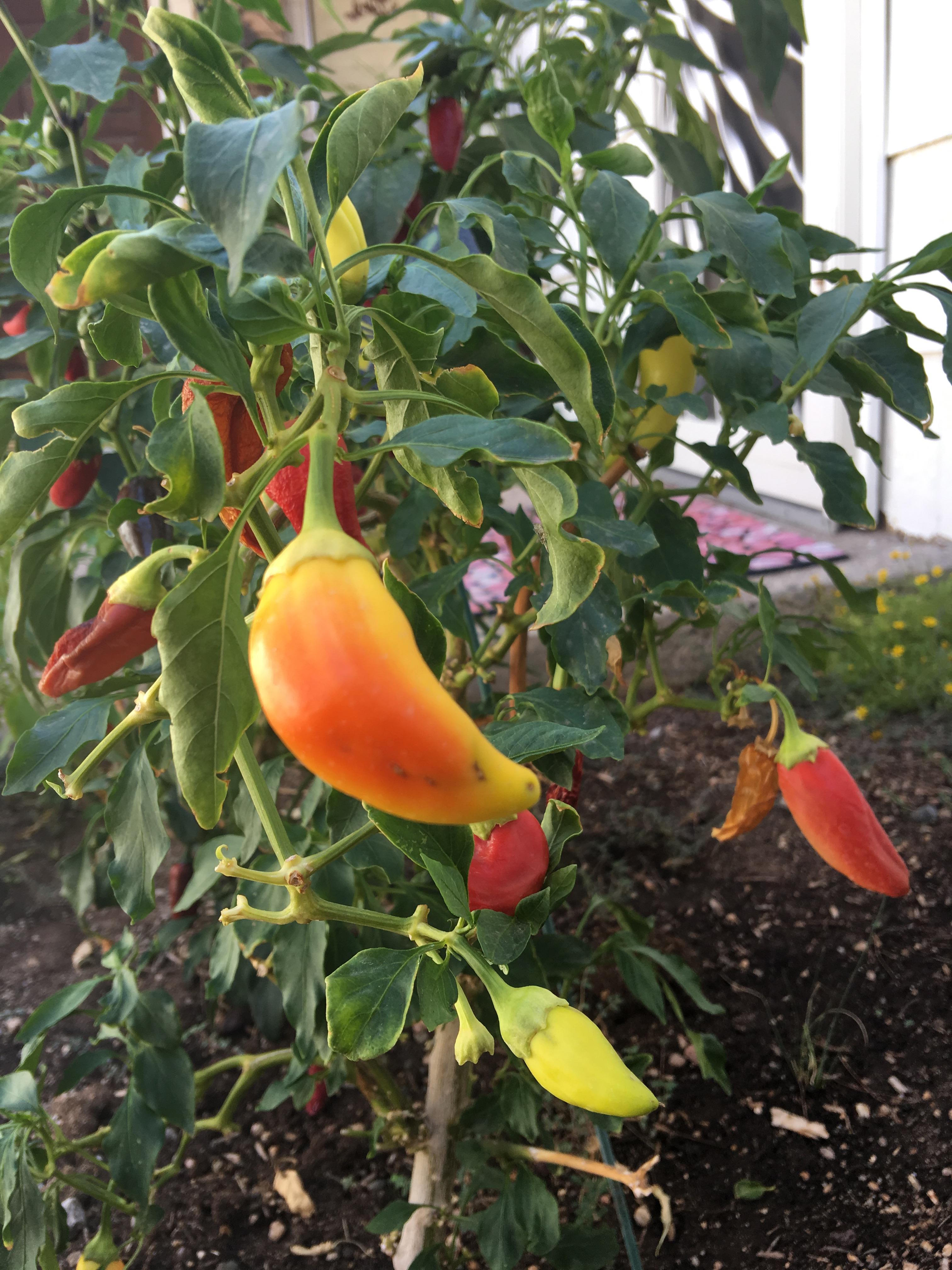
within the pepper bush’s deep red
berries, there among the dianthus.
Scattered, deliberately placed,
having been, I shall emerge again,
forever changed, limitless, renewed.


* * *


“Self-Portrait as Compost” was first published in Issue 125 of Right Hand PointingThank you to editors Dale Wisely, Laura M. Kaminski, F. John Sharp and José Angel Araguz for taking this piece.


The Question is Never


The Question is Never

Who will lock the door
or leap in front of the jacketed

bullet. Nor is it four words
born in lust and camouflaged

with piety. No one cares
if you blink or continue

breathing. No one knows
what you think. Nothing

matters. Not the pen
in her hand or your finger

on the trigger. Not the crying
and the dead and the stains

in the hallway, the man
in the street hiding behind

himself. The question
is no question, but an answer

struggling to emerge. Never
formed, never truly complete.


“The Question is Never” first appeared on Vox Populi in June 2018.


Chill (Cento)

silhouette


Chill (Cento) 

I shiver a little, with the evening,
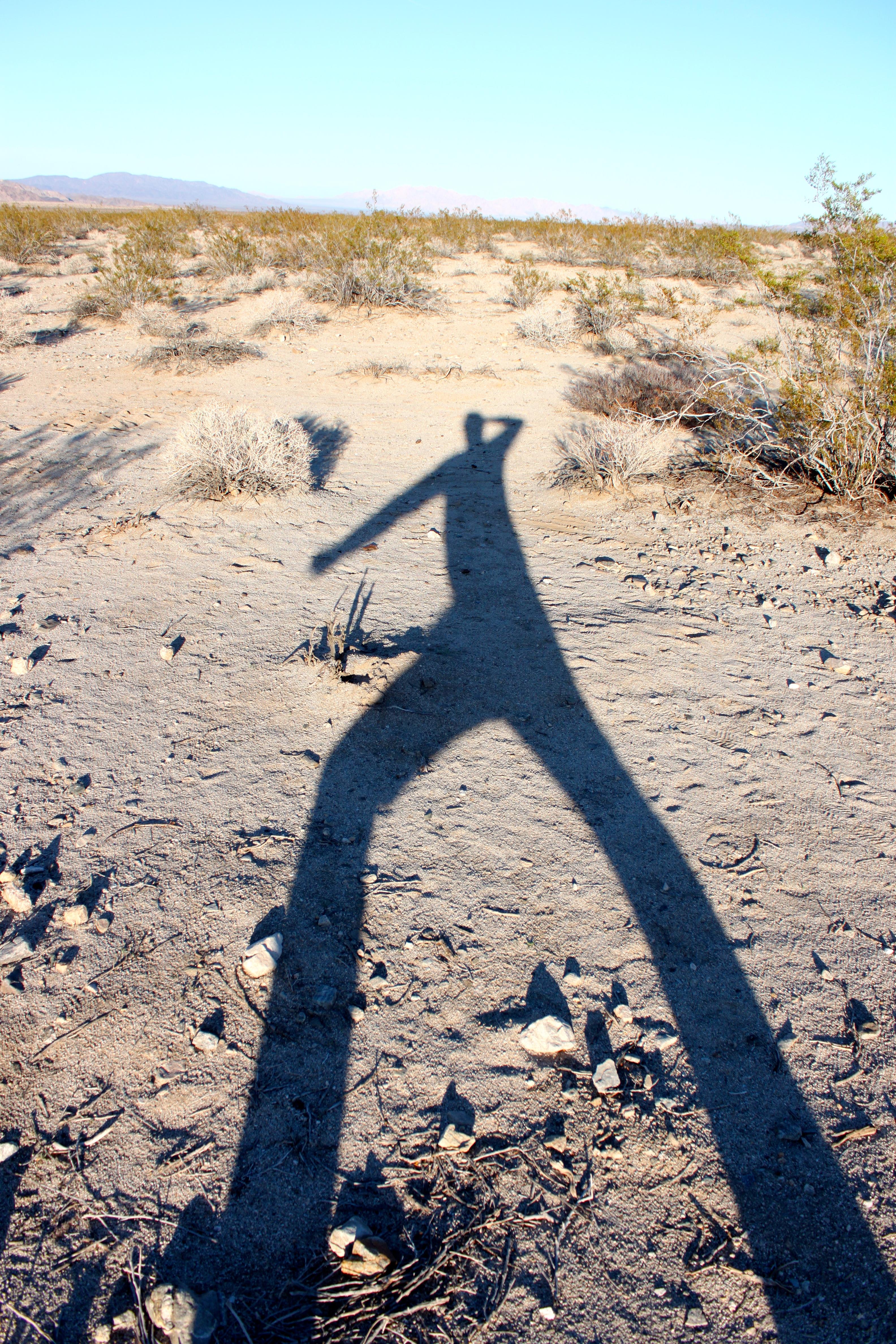
and you print a shadow like a thin twig.

Wait for my death, then hear me again.
He believes a pomegranate is a thesaurus,

the thundercloud, tomorrow’s puddle. Is
this hunger unlike that of others?

When a drowning man calls out,
his voice follows him downstream.

Why am I grown so cold?


A cento is composed of lines borrowed from other poets. “Chill” owes its existence to: James Wright, H.D., Ingeborg Bachmann, Eduardo C. Corral, Blaga Dimitrova, Forrest Gander, Yusuf Komunyakaa, and Adelaide Crapsey.

pom.jpg

“Chill” first appeared on the blog in March, 2016, and was subsequently published in Long Exposure in October 2016.


What Happens Next


What Happens Next

Another night with the frost,
she says, and you’ll know

the half-life of cold.
Which is not to say enjoy,

or pity, or pretend.
It is the sheath of God’s

gaze, an unsuspected lump.
The harvested curse.

You grasp what happens next.


“What Happens Next” first appeared here in November 2017.


Forced By This Title to Write a Poem in Third Person About Himself, the Poet Considers the Phenomena of Standing Waves, Dreams Involving Long-Lost Cats (Even If He Has Not Had Such a Dream Himself), And the Amazing Durability of Various Forms of Weakness


Forced By This Title to Write a Poem in Third Person About Himself, the Poet Considers the Phenomena of Standing Waves, Dreams Involving Long-Lost Cats (Even If He Has Not Had Such a Dream Himself), And the Amazing Durability of Various Forms of Weakness

Five White cat always made sure no rats gnawed my books.
— Mei Yao-ch’en

His brain is squirming like a toad.
— Jim Morrison


Standing by the water, the poet wonders if,
as in this dream, his dead dog and Five White

might seize the separate ends of a rope and blend
their tugs, matching highs and lows, growls and purrs,

with near stillness, dawn to dusk and back again,
always equal, sharing through death their love

of work and honor. He throws a small branch
and asks the dog’s ghost to fetch, but it remains

at his side, as if reluctant to leave. How to release
what you no longer hold? Shadows disappear in direct

light, but always return at its departure. The
raindrop remains intact through its long plummet.

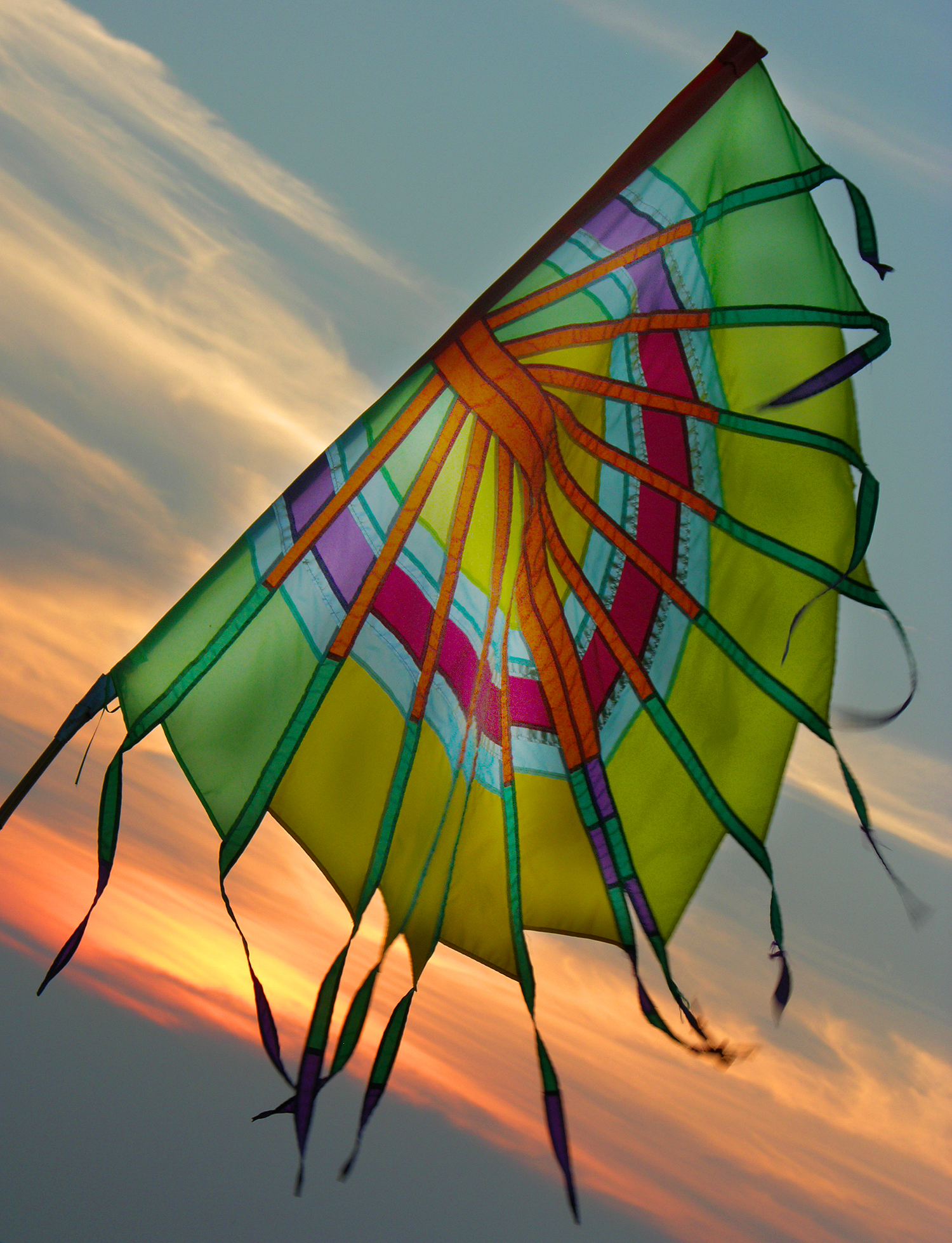
Words, though unspoken, hang like lofted kites
awaiting a new wind, a separate rhythm,

beyond compassion. He cannot hear it
but joins his dog in singing. The cat yowls along.
 

This piece first appeared in deLuge in fall 2016, and was drafted during the August 2015 30-30 challenge. Thanks to Jeff Schwaner for providing the title (which I edited for publication).



Listening to Cicadas, I See Charlottesville (Ghazal, with recording)


Listening to Cicadas, I See Charlottesville (Ghazal)

Shedding one coat, you live in the red, apart
from the rest. Never together, forever apart.

In this sun-drenched field, the cracks drill deeper,
wider, dribbling soil and small lives, expanding, apart.

What falls truer than any words released from this man?
Once divided, never again to touch, always apart.

The electric shrill fluctuates pitch, in unison. Hundreds
of tymbals, shredding dusk, now together, then apart.

You narrow your eye to a slit, but still see the entire
spectrum. Wing clicks, stridulation. Whole yet apart.

Shearing syllables, I learn the language of half-truth.
What is my name? I reach for that fragment. It falls apart.


Shakuhachi Blues


Shakuhachi Blues

That waver,
like the end of a long

dream flickering to wakefulness,
or an origami crane

unfolding between whiskey
poured and the tale of deceit

and a good woman done wrong.
Air flutters through this bamboo

tube, and it seems I control
nothing. Inhaling, I try again.


A simple instrument that will take a lifetime to learn…

Your Armpits Smell Like Heaven

glacier

Your Armpits Smell Like Heaven

But your breath could melt a glacier at three
miles, she says, and then we might consider
the dirt under your nails, the way you slur
your sibilants, and how you seldom see

the cracked eggs in a carton, a downed tree
branch in front of you, the ripened blister
of paint in the bedroom, or your sister
lying drunk on the floor in her own pee.

Back to your armpits. Do you realize
we could bottle that aroma and make
a fortune? I inhale it and forgive

your many faults. The odor provokes sighs
and tingles, blushes I could never fake.
Ain’t love grand? Elevate those arms. Let’s live!


Never in my wildest dreams did I envision writing a poem about armpits. But the August 2015 Tupelo Press 30-30 challenge, and Plain Jane, the title sponsor, provided that opportunity. This first appeared here in April 2016, and was subsequently published in Algebra of Owls. Many thanks to editor Paul Vaughan for taking it.

armpits

Dispatches from the Pandemic: This Old Desk

Dispatches from the Pandemic: This Old Desk

This old desk whispers hints of lives lived in separate peripheries, of unseen treasures and thoughts and deeds. Whose fountain pen scrawled love notes on the inlaid leather pullout, which daughter broke a crystal finger bowl and wept for a lost pet? What books rested behind these glass doors? What curiosities? Old pocket knives, polished stones? Spent cartridges? And in these slots? Perhaps perfume bottles and note pads. Or unanswered letters and a worn deck of playing cards. A tin box of regrets, another of joy.

Haiku and Whitman
mingling behind beveled glass
Look: my mother’s ashtray

The desk and I are slowly making our acquaintance. I pledge that I will never take its untold history for granted, that I’ll respect its presence and do my utmost to fill it with purpose, with cherished objects and the satisfaction of good work. In turn it offers me solidity, an altar at which to sit and think, to rearrange words, create lists, read, conjure fantasies, breathe. I’ve only just realized that I’ve lacked such a base since abandoning my Texas shack fifteen months ago.

Another window
frames the distant crow
Home at last!

If Ahead I See


 If Ahead I See

Gray skies filtered through light,
eyes adapting space,
the possibilities of the

horizon or a foot
lashing out in reflex,
what do I learn?

The house finch sings as if
all air will expire at song’s end.

Falling, I release this misplaced trust.
The path, muddied and crowded with fools.


* * *

“If Ahead I see” is included in my 2017 chapbook, From Every Moment a Second.