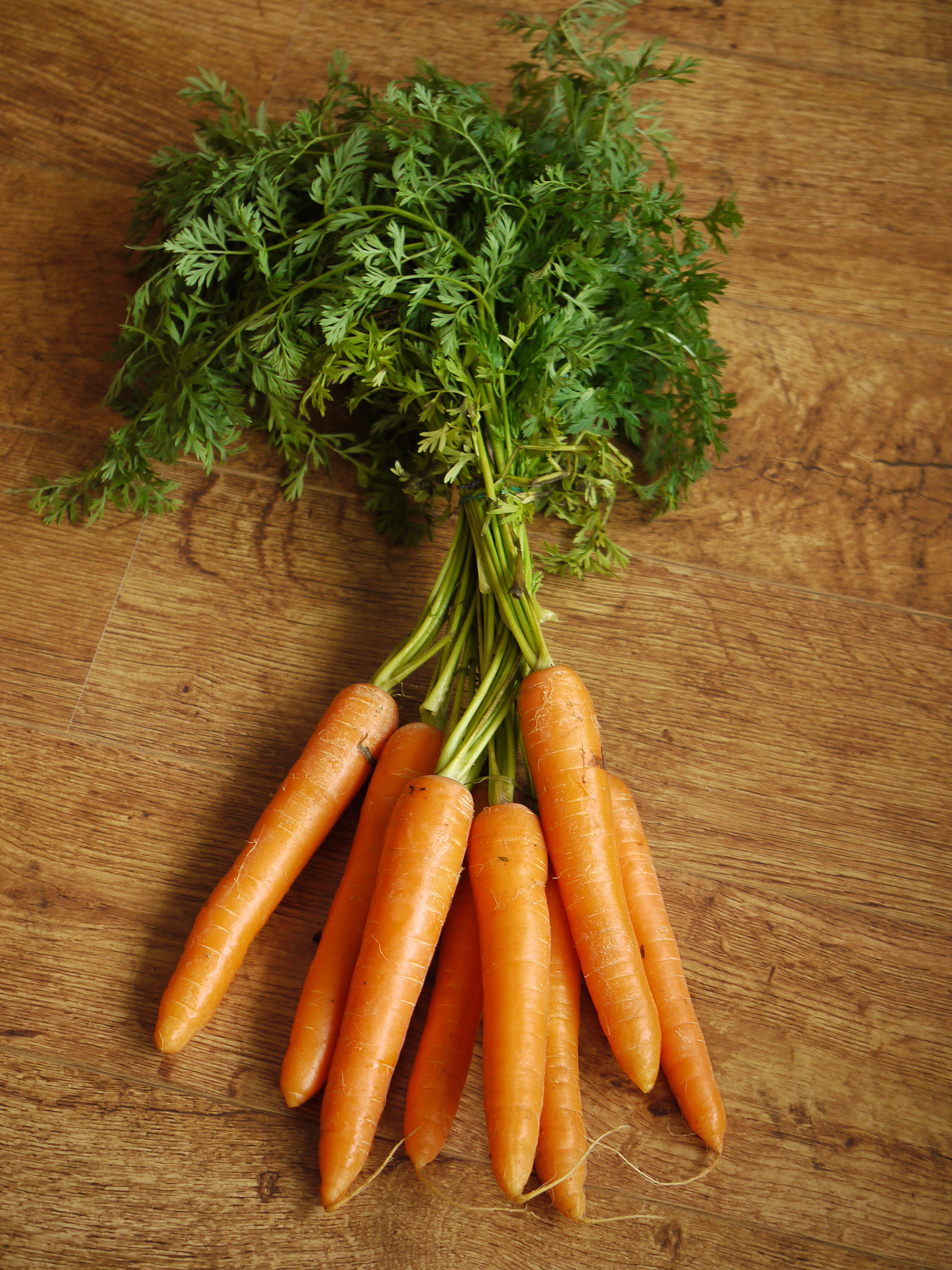
Theology of Carrots
We hide our best
underground
plumed by ornamental
headpieces
allowing the wisdom
of taproots
to prosper
in darkness.
“Theology of Carrots” first appeared here in September 2017.

Theology of Carrots
We hide our best
underground
plumed by ornamental
headpieces
allowing the wisdom
of taproots
to prosper
in darkness.
“Theology of Carrots” first appeared here in September 2017.
Read this gorgeous poem by Stephanie L. Harper!
 Remains the Dark
“How I wanted to be that sky—” ~ Ocean Vuong
What is want, if not the forsaken
self’s inexorable reversion to self?
Just as your virtual arrival at the event
horizon must propagate only departure
this eternal leaving you actually are
is the mouth’s forgotten swallow,
is sustenance un-sought,
is your every trace & its antithesis
at once ceasing to mean.
Though emptied, you are no less
unfathomable: the black belly remains
the dark you’ll never grasp how to be.
“Remains the Dark” was published in the Spring 2019 Showcase at The Zen Space, among a gorgeous collection of poetry, along with haiku and *tiny poems* by Lynne Burnett, the late Ron Evans (curated by Robert Okaji), and others, expertly edited by and adorned with the original black and white photography of the brilliant Daniel Paul Marshall.

* * *
My poem “Letter to Schwaner from the Toad-Swallowed Moon” was first published at The Hamilton Stone Review in October 2017. Much gratitude to editor Roger Mitchell for taking this piece.


The Neurotic Dreams September in April
Already I have become the beginning of a partial ghost, sleeping the summer
sleep in winter, choosing night over breakfast and the ritual of dousing lights.
This much I know: the moon returns each month, and tonight you lie awake
in a bed across the river, in a house with sixteen windows and a cold oven,
where your true name hides under the floorboard behind the pantry door.
*
Differences season our days — from flowers to snow, root to nectar — take
one and the other lessens in its own sight. One day I’ll overcome this longing
for things and will be complete in what I own, living my life beyond the page,
past the white space and dead letters. When I mention hearts, I mean that
muscle lodged in my chest. Genetics, not romance. Tissue. Arteries, veins.
*
Dark cars on the street. Cattle grazing in the damp pasture. The liquor store
sign glaring “CLOSED.” Separate yet included, we observed these scenes but
assigned them to the periphery, grounded in our own closed frames. In a
different time I would transcend my nature and strive to withstand yours.
Look. That star, the fog silhouetting the tombstones. A bobbing light.
*
Love is a gray morning, a steel-toed shoe or coating of black ice; nothing you
do will repeal its treachery. There, on my stone porch, I will inhale the smoke
of a thousand burned photographs. The sun will descend but you won’t share
it, and I’ll no longer hum your tune. When I rise no one sees. Or everyone
stares. Imagine that great cow of a moon lowing through the night.

“The Neurotic Dreams September in April” was published in deLuge in December 2016, and was written during the August 2015 Tupelo Press 30-30 challenge. Many thanks to artist extraordinaire Ron Throop for sponsoring and providing the title.

Maps
If we fold the map just so, the journey’s path
shrinks considerably. Sacramento enters the Hudson
Valley, Toronto meets Santa Fe, and Lee County,
Mississippi merges with Tupelo, Texas, joining music
to fruitcakes in a celebratory feast. Stroll down one
road and find a lost car. Exit a theater to enter bliss
or a good bar with craft beer on tap, where no one
discusses mileage and you may eavesdrop on
conversations about ancient nautical battles, the
history of chili, and radiation. Unfold the map
twice to find yourself in Swamp Angel, Kansas,
named after a Civil War field gun and not a spiritual
being, and wander to the next intersection near
Barstow, where Joshua trees tickle the sky’s belly
and I ate the best chili dog in my young life’s
experience in 1968. Look to the edges, where the
best places crowd and nowhere lives in a corner.
Jump from Busan to Venice, drive to Perth and
beyond. Slowly crease the page. Do this again.
Point blindly. There. Your destination waits.
My poem “Maps” iwas publishedin February 2019 at Riggwelter. Thank you, Amy Kinsman, for taking this piece, which was originally drafted during the August 2016 Tupelo Press 30-30 Challenge. I owe its existence to Ken Gierke, who sponsored the poem and provided the title (which I changed) that sparked this piece.
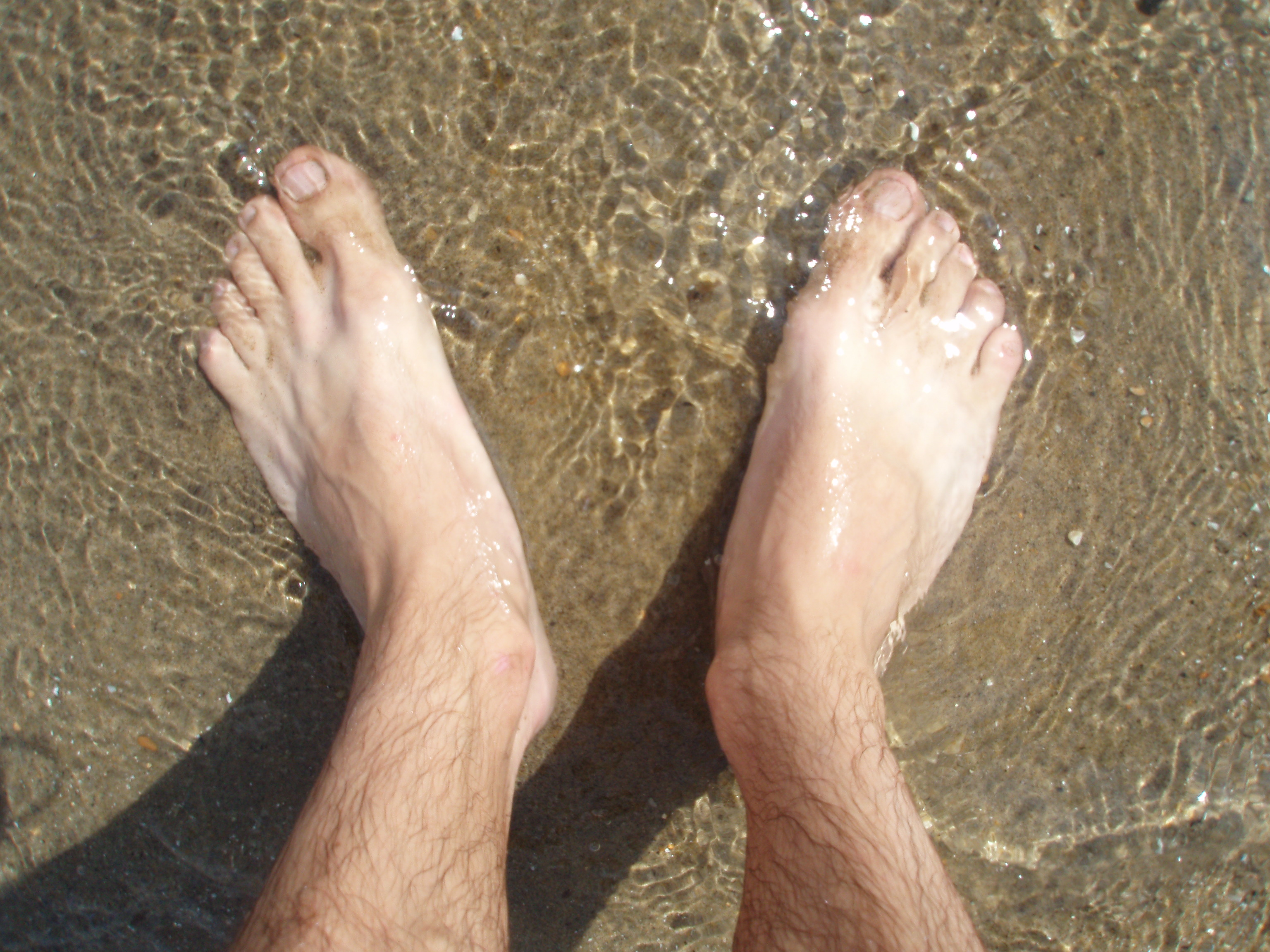
What Feet Know
The earth and its subterfuge.
Gravity and the points between here and there.
And sometimes the rasp of grainy mud
clenched between toes,
or a rock under the arch,
an explanation too pointed
for display on a page,
too hard, too much for flesh to bear.
No constellations foment underground.
Nothing there orbits a companion.
No light but for that darkness the heel scrapes away.
“What Feet Know” was featured on Postcard Poems and Prose Magazine in December 2016, and is included in my chapbook, From Every Moment a Second, available Available at Amazon.Com and Here.
Have you ever tried writing a sestina? This, my friends, is how it’s done!
My poem, “Understory,” is now live in issue 13 of the fantabulous online journal, Panoply Literary Zine! Thank you to editors extraordinaire, Jeff, Ryn, and Andrea, for selecting this piece. I’ve begun the absolute pleasure of delving into the fresh and evocative writing contained in this issue, and I encourage everyone to do the same. I’m honored to have my work appear among such impressive ranks.

My two poems, “Door Haibun” and “Emptying Haibun,” have been published by L’Éphémère Review. I am grateful to poetry editor Christian Sammartino for accepting these pieces.

Rice
Yesterday’s rain informs me I’m born of luck and blended
strands, of hope and words forged before a common tongue emerged.
Of my first two languages only one still breathes.
The other manifests in exile, in blurred images and hummed tunes.
Rice is my staple. I eat it without regarding its English etymology,
its transition from Sanskrit to Persian and Greek, to Latin, to French.
Flooding is not mandatory in cultivation, but requires less effort.
Rice contains arsenic, yet I crave its polished grains.
In my monolingual home we still call it gohan, literally cooked rice, or meal.
The kanji character, bei, also means America.
Representing a field, it symbolizes abundance, security, and fertility.
Three rice plants tied with a rope. Many. Life’s foundation.
To understand Japan, look to rice. To appreciate breadth, think gohan.
Humility exemplified: sake consists of rice, water and mold.
The words we shape predicate a communion of aesthetics.
Miscomprehension inhabits consequence.
* * *
“Rice” has appeared here twice before, and is included in my chapbook-length work, The Circumference of Other, published in Ides, a one-volume collection of fifteen chapbooks published by Silver Birch Press and available on Amazon.com.

No One Knows
There, the dream of flying
cars, and the next,
tumbling through soft
glass, inconsiderate and
hopeful as a child
on his birthday,
hands outstretched, waiting.
Unsmiling. You might ask
where this story turns,
whether the glass reconstitutes
or the car crashes,
reminders of a childhood
reconsidered and the simplest
truth, which is no one knows.
“No One Knows” was first published in The Pangolin Review in March 2018.

 O at the Edges