Rice

image

Rice

Yesterday’s rain informs me I’m born of luck and blended
strands, of hope and words forged before a common tongue emerged.

Of my first two languages only one still breathes.

The other manifests in exile, in blurred images and hummed tunes.

Rice is my staple. I eat it without regarding its English etymology,
its transition from Sanskrit to Persian and Greek, to Latin, to French.

Flooding is not mandatory in cultivation, but requires less effort.

Rice contains arsenic, yet I crave its polished grains.

In my monolingual home we still call it gohan, literally cooked rice, or meal.
The kanji character, bei, also means America.

Representing a field, it symbolizes abundance, security, and fertility.

Three rice plants tied with a rope. Many. Life’s foundation.

To understand Japan, look to rice. To appreciate breadth, think gohan.
Humility exemplified: sake consists of rice, water and mold.

The words we shape predicate a communion of aesthetics.

Miscomprehension inhabits consequence.

* * *

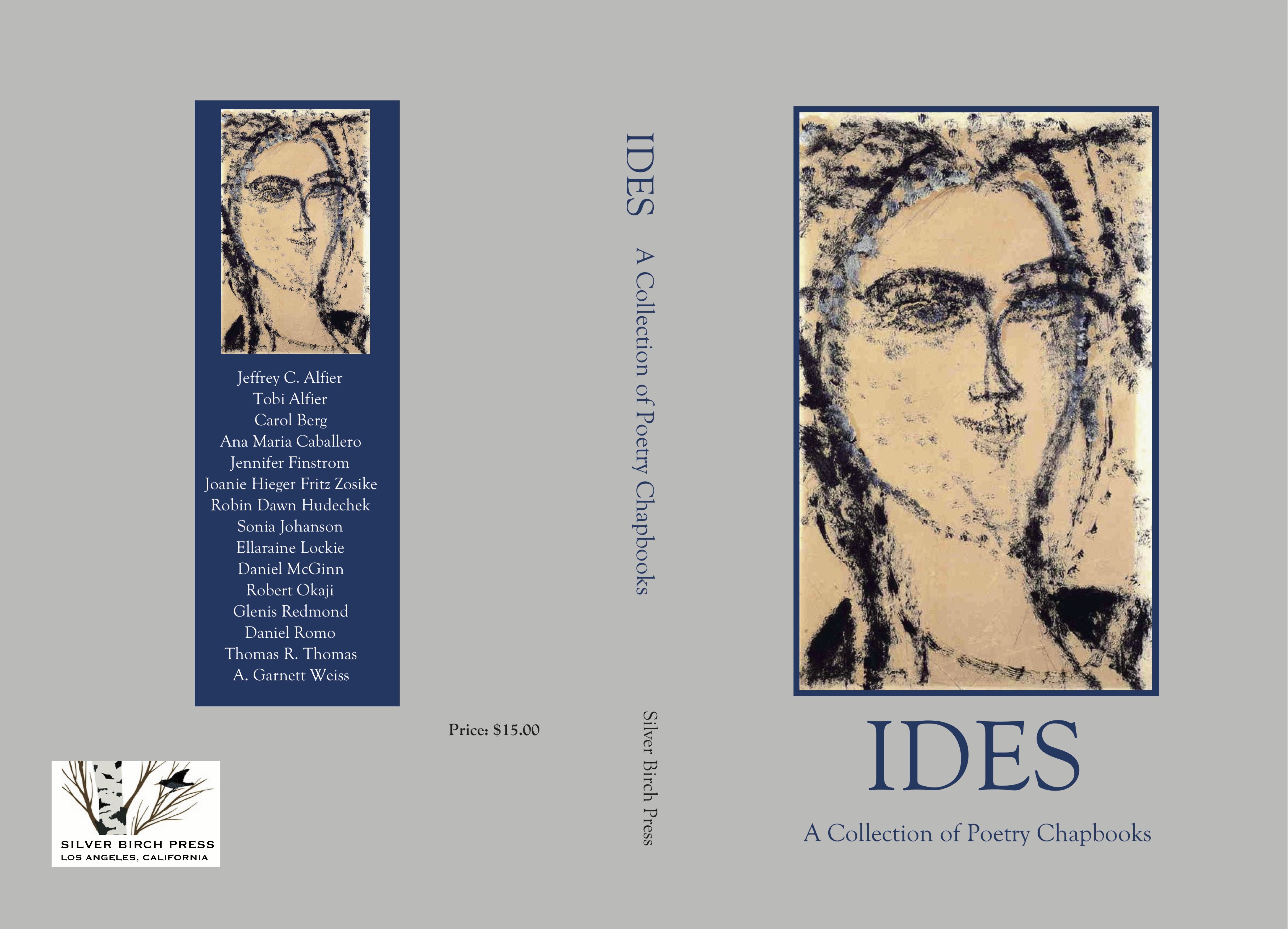
“Rice” appeared here in June 2015, and in my chapbook, The Circumference of Other, which is included in Ides, a one-volume collection of fifteen chapbooks published by Silver Birch Press and available on Amazon.com.
image

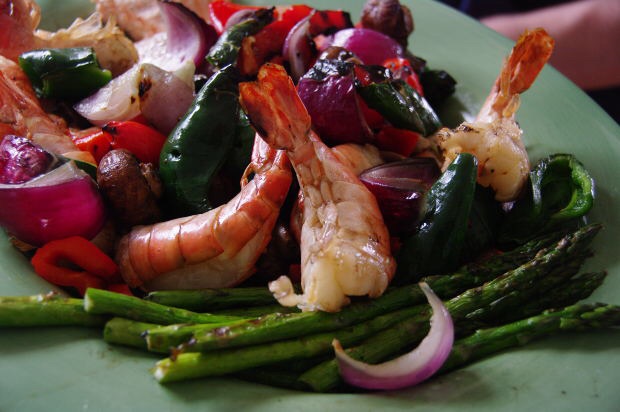
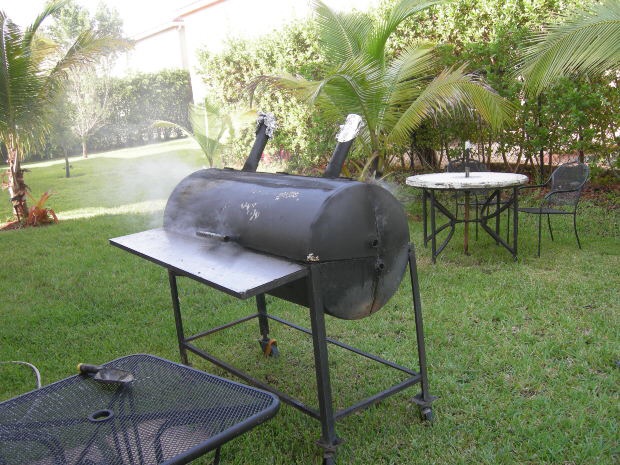
A History of Particles: Ash, Wood, Shrimp

image

A History of Particles: Ash, Wood, Shrimp

Unsettled and predisposed
to flight, they
rise. Or, awaiting the process, receive
the glow as prelude to transformation, a

nocturnal exegesis inscribed in flame
and black swirls. Death in the air,
settling upon us. The bitterest
taste. But how to explain

the tongue’s sweet tremor? And the narrow
margins between the transition

from wood to smoke?
At 250 degrees
their pale shells redden,

become vessels of radiant
heat and its attenuated function,
moisture retained so as

to delay and heighten the
delectable flesh, once freed, become
virtue, become fate

sliding down the throat,
the course of deterioration hastened
and endured in perpetuity.

image

This first appeared on the blog in June 2015.

Scarecrow Contemplates Pi

 Scarecrow Contemplates Pi

At the moment you snipped away
my reticence, I spoke so eloquently
that even the stones wept at your
indifference. As you arranged my
pose and buttoned the shirt
around the wire and fodder
replenishing my torso, I understood
your roots and mine should never
merge: transcendental, and in
collusion with the irrational, we
circles cannot be squared. And
how must I reconcile my unheard
words? The longer I speak the
greater their magnitude – a balloon
expanding in volume retains its
ratio – one day my words will sift
through your filters and you will
at last receive them. I pull this
particular comfort close – that
patterns and frequencies and
tendencies become law, that the
fleshless and soulless, the mute
and misunderstood, the powerless,
the different, nevertheless will be
heard. But what of love? How may I
contend to feel, to know that which
is your right? A nervous system
conducts electrical and chemical
impulses, yet lacking these, my
coreless heart sags at the thought
of your departure. I am no man.
Is this truly not enough?

“Scarecrow Contemplates Pi” first appeared with two companion pieces in Eclectica in summer 2016.

Optimal Daily Word Count

I reread Mek’s fascinating post on the optimal daily word count. It’s more pointed to prose writers, but relevant to poets, too.

10000hoursleft's avatarWork in Progress

photo of a stack of magnetic poetry words to illustrate story on optimal daily word quota for a writer Photo by Steve Johnson

The habits of famous writers are a source of fascination and perhaps inspiration for book lovers and aspiring writers: aesthetics of their writing retreat; curios in their space; rituals performed before sitting down to work; writing tools; and, perhaps ‘easiest’ for the aspiring writer to replicate: their daily word quota.

Should we follow Michael Crichton’s gruelling 10,000 words per day, or keep it easy breezy at Ernest Hemingway’s 500?

To answer this question, I looked at available data on 39 famous writers and drew inferences on:

– Relationship between daily word quota and rewards

– Gender influence on daily word quota and rewards

– Perceived value of effort and output, and its influence on the writer’s psyche

– Optimal daily word count

View original post 1,790 more words

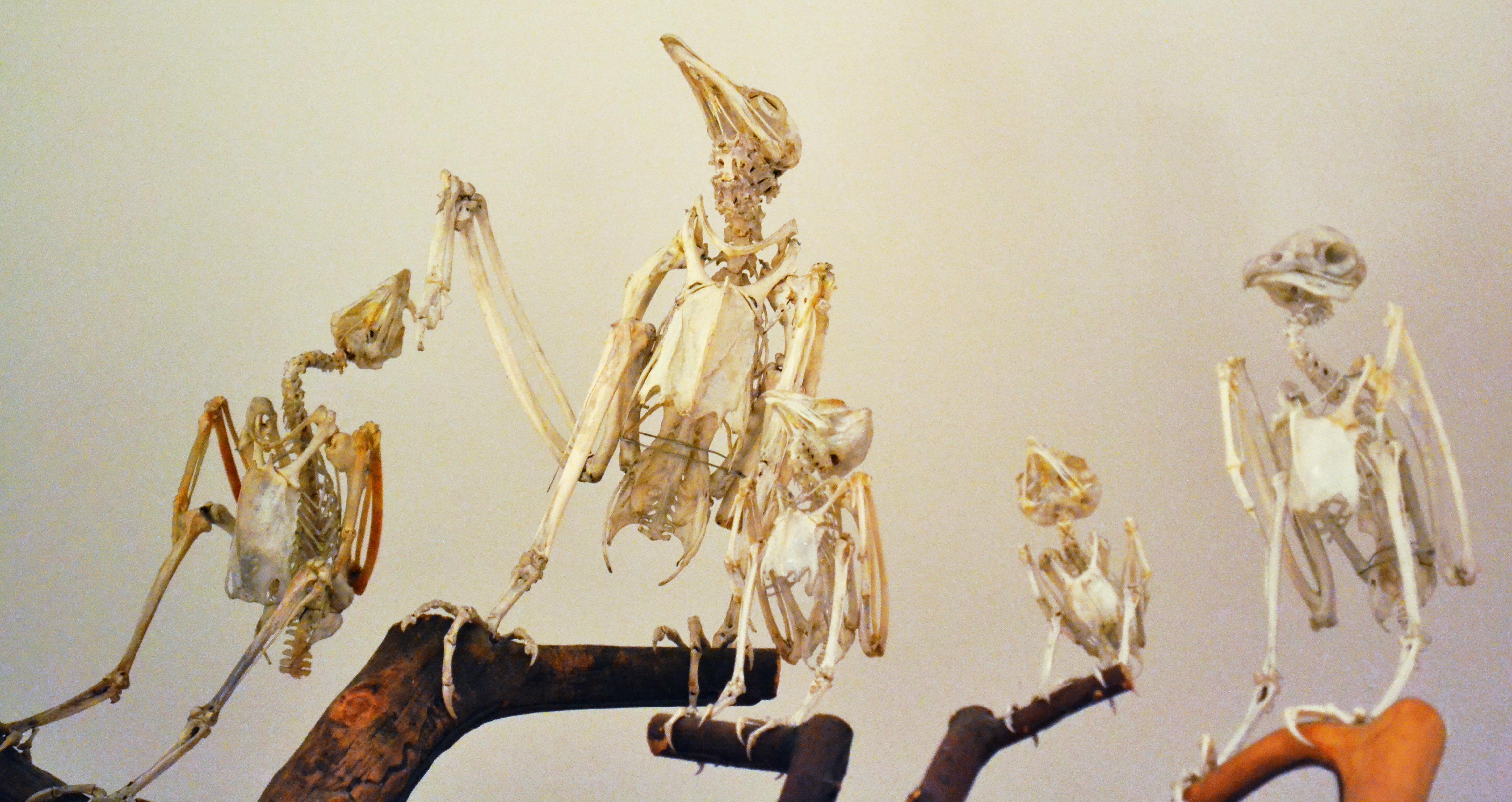
Palinode (birds)

Palinode (birds)

Simplicity, as in the cloaca. One aperture for all: eggs,
urine, sperm, feces. The majority of birds copulate
by joining the openings of their cloacae (most male
birds lack penises). Nothing is for nothing.

Nothing is for nothing, but the ache of emptiness
bestows its own reward. That movement from outer
world to inner, to anima, to breath, to flight,
approaching heaven. Birds know the way.

Knowing the way, birds express our envy of the
boundless, testament to the unity of earth and sky,
instinct’s voice. We see feathers not as epidermal
outgrowths, but as emblems of what we forever seek.

As emblems of what we seek, crows exploit man’s
folly, exposing hidden truths. Thought and memory
recede, leaving us foundered. Altered consciousness,
flight, the space to believe, simplicity’s forms in one.

“Palinode (birds)” first appeared in slightly different form in Otoliths in fall 2016.

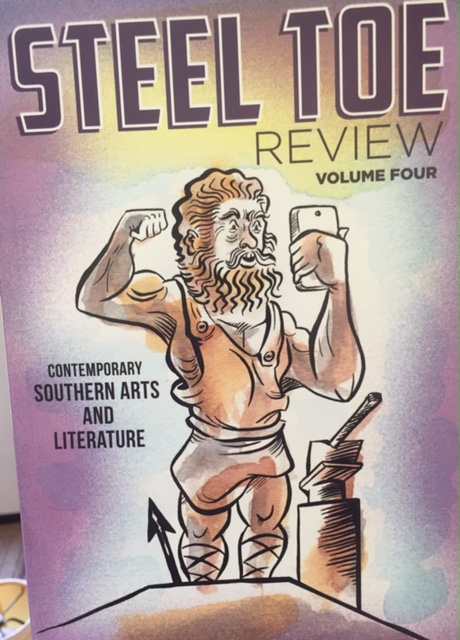
Two Poems in Steel Toe Review

My poems “How to Do Nothing” and “And All Around, the Withered” have been published in Volume Four of Steel Toe Review, available for purchase here.

Many thanks to editor M. David Hornbuckle for taking these pieces.


Mother’s Day

Mother’s Day

The dog is my shadow and I fear his loss. My loss.
I cook for him daily, in hope of retaining him.

Each regret is a thread woven around the oak’s branches.
Each day lived is one less to live.

Soon the rabbits will be safe, and the squirrels.
As if they were not. One morning

I’ll greet an empty space and walk alone,
toss the ball into the yard, where it will remain.

It is Mother’s Day.
Why did I not weep at my mother’s grave?

I unravel the threads and place them around the dog.
The wind carries them aloft.

“Mother’s Day” first appeared in The Lake in July 2016.

Scarecrow Listens

sax

Scarecrow Listens

These silences I hear, are they not
music? Interspersed with sunlight and
air flowing through fragrant grasses,
insects ticking in the leaves or burrowing
towards moist darkness, and my friends
cawing from their perches, if I arrange
their presence in sequence, perhaps
around the day’s bones, will you
know my spirit? And when I interweave
these tunes, independent and unrelated,
shaping them into one separate melody,
will you recognize its heart and shiver
to the beat? Ornette Coleman freed
his playing, celebrating the territories
of the unmeasurable, the unnamed. The
real is, no matter what you call it. Take
this leaf and place it atop three others.
What have you? And what am I if not
a gathering of the unwanted, scraps
melded to serve a thought-free purpose,
another’s need. Fleshless, boneless,
breathless, bloodless, I know only
that I am; having no ears, still I listen.

 
“Scarecrow Listens” first appeared with two companion pieces in Eclectica in summer 2016.


Two Poems in GFT Presents: One in Four

My poems “The Boy Who Wouldn’t Hoe Corn” and “Scarecrow Believes” are included in GFT Presents: One in Four, a semiannual, print literary journal published by GFT Press, and available for purchase here.

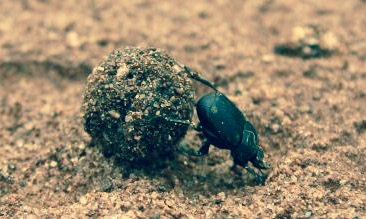
Balance

star lights


Balance

Navigating
by stars,

one ball
buried,

another
gathering,

the dung
beetle

straight-lines,
maintains

position,
forever

looking forward
and up.

image

“Balance” first appeared here in February 2016.