
My poems “Shadow Charm” and “Forgetting Charm” are live at The Icarus Anthology.


Matt Larrimore, editor of Four Ties Lit Review, interviewed me in September 2014:
http://fourtieslitreview.com/home/interviews/interview-with-robert-okaji/

For those of you who might care, I’m featured in an interview in Middle Gray.
Originally posted in December 2013. Circumstances have changed a bit – I have more time to write these days, but somehow manage to constantly run behind…

Self-Portrait with Blue
Darker shades contain black or grey. I claim
the median and the shortened spectrum, near dawn’s terminus.
In many languages, one word describes both blue and green.
Homer had no word for it.
The color of moonlight and bruises, of melancholy and unmet
expectation, it cools and calms, and slows the heart.
Woad. Indigo. Azurite. Lapis lazuli. Dyes. Minerals. Words. Alchemy.
On this clear day I stretch my body on the pond’s surface and submerge.
Not quite of earth, blue protects the dead against evil in the afterlife,
and offers the living solace through flatted notes and blurred 7ths.
Blue eyes contain no blue pigment.
In China, it is associated with torment. In Turkey, with mourning.
Between despair and clarity, reflection and detachment,
admit the leaves and sky, the ocean, the earth.
Water captures the red, but reflects and scatters blue.
Look to me and absorb, and absorbing, perceive.
This originally appeared in the Silver Birch Press Self-Portrait Series, and is included in The Circumference of Other, my offering in the Silver Birch Press chapbook collection, IDES, published in October 2015.


Wind
That it shudders through
and presages an untimely end,
that it transforms the night’s
body and leaves us
breathless and wanting,
petals strewn about,
messenger and message in one,
corporeal hosts entwined,
that it moves, that it blends,
that it withdraws and returns without
remorse, without forethought, that it
increases, expands, subtracts,
renders, imposes and releases
in one quick breath, saying
I cannot feel but I touch,
I cannot feel
“Wind” first appeared in Blue Hour Magazine and is included in my first chapbook, If Your Matter Could Reform.


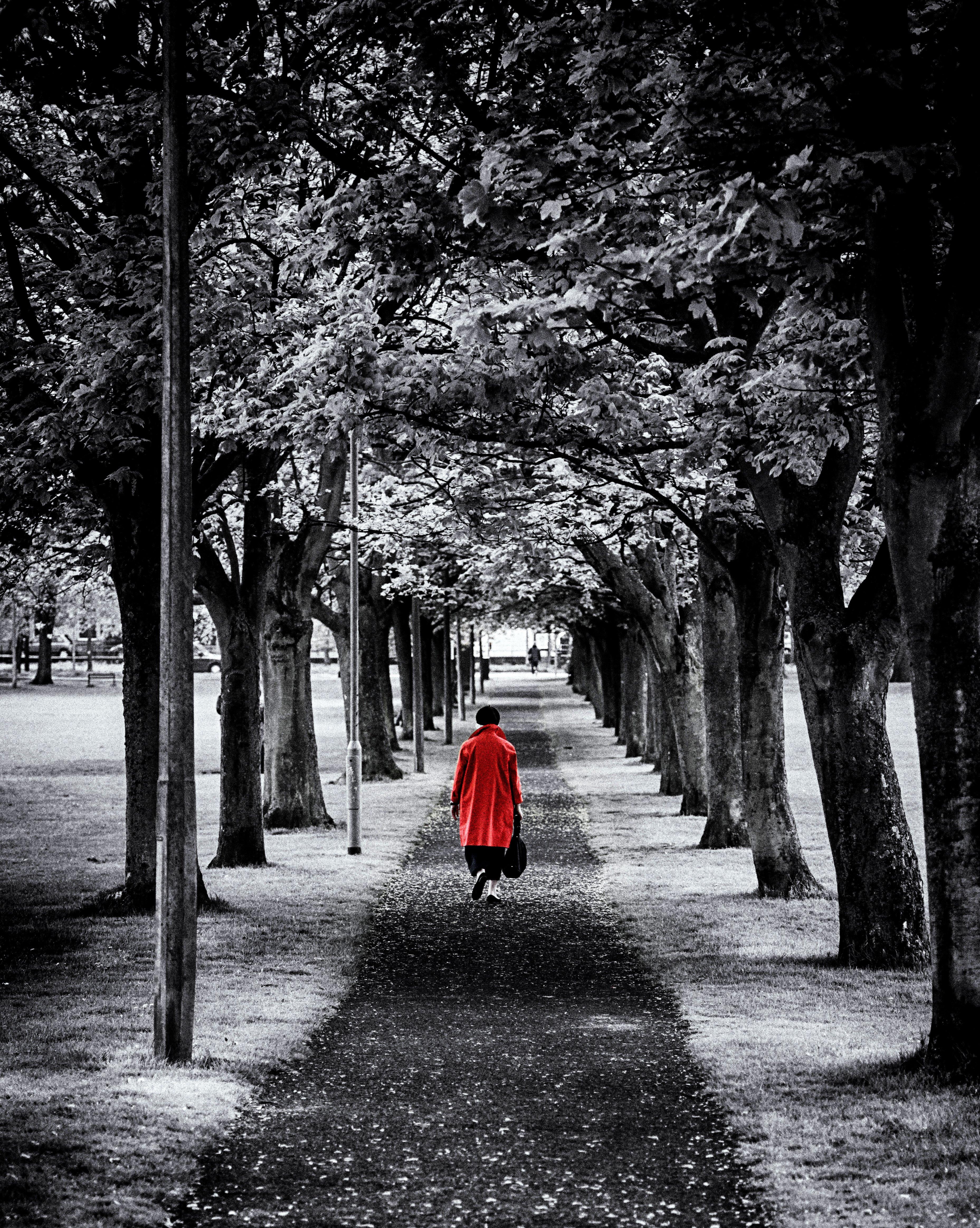
This first appeared on the blog in October 2014.

My poem “What Feet Know” was featured on Postcard Poems and Prose Magazine in December 2016, and is included in my forthcoming chapbook, From Every Moment a Second, available for prepublication order at Finishing Line Press.
Snow with Moose
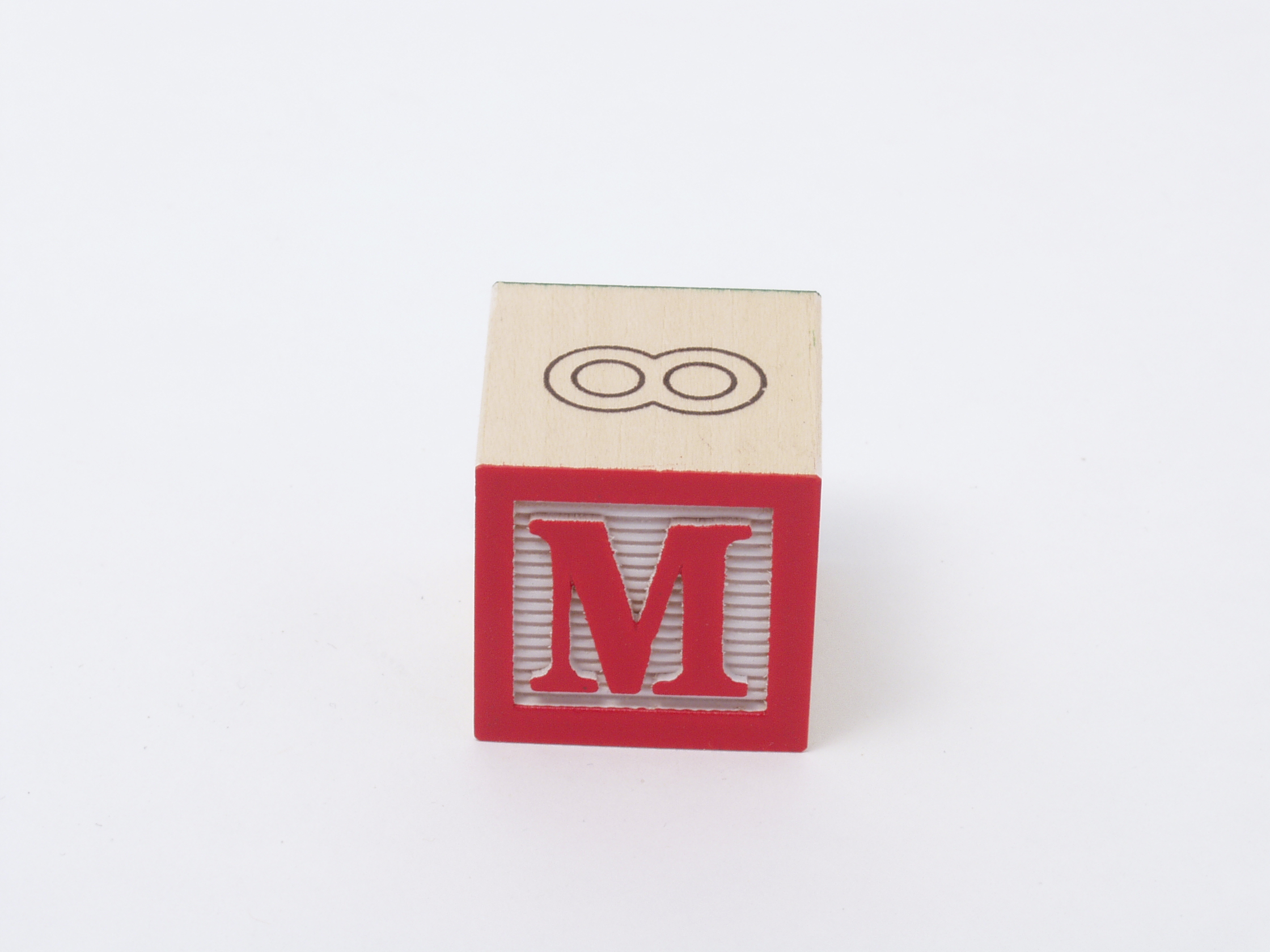
Guide to the incremental, to the sifted mass. The Phoenician mem shifted
shapes, but always suggested water.
Moose likely derives from the Algonquian descriptor “he strips away.”
The Japanese character for water, mizu, evokes currents.
Moose are solitary creatures and do not form herds. A bilabial consonant,
M is a primary sound throughout the world.
The prehensile upper lip undresses branches and grabs shoots.
Wavering, I share the lack of definition, of clarity in design and choice.
The sound is prevalent in the words for mother in many unrelated tongues,
from Hindi to Mandarin, Hawaiian to Quechua, and of course English.
Eleven strokes compose the Japanese character for snow.
A smile would reveal no upper front teeth.
Long legs enable adults to manage snow up to three feet deep. Under water,
individual flakes striking the surface sound similar, despite size disparities.
It can also accurately be classified as a mineral.
Solitude to connection, dark on white. The lone traveler.

“Snow with Moose” first appeared here in December 2015.
The Garden
But what of this notion
of the romantic?
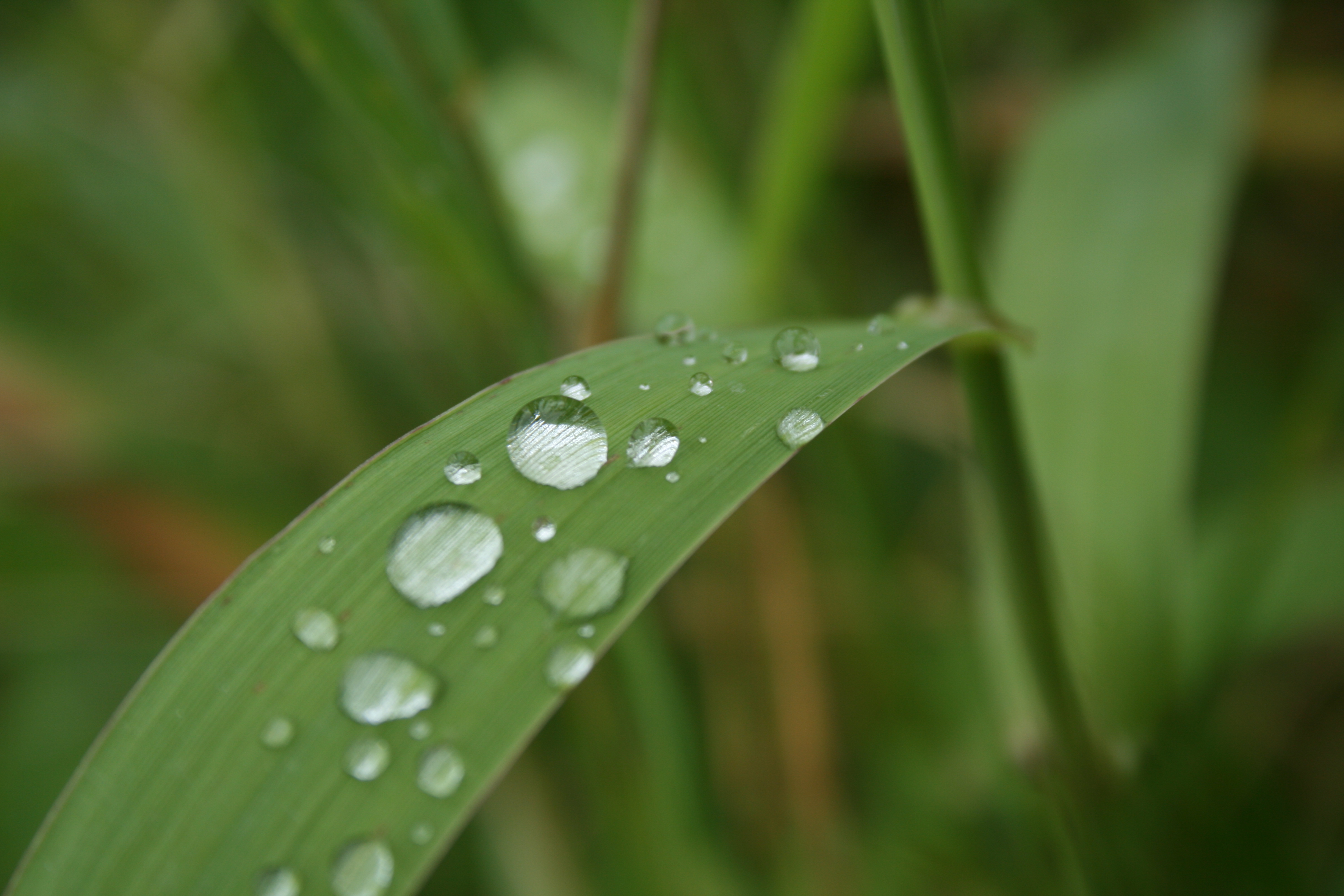
It rained last night.
I could smell it
before it fell,
each drop a perfect
sphere until the final
moment. This
is fact, impractical but
lovely for its truth.
* * *
Initially posted in January of 2014, so few saw it that I thought it deserved another airing. The poem was published many years ago as a poetry postcard offered by the literary journal Amelia. I admit to being wrong about the shape of raindrops. But hey, they start out spherical…

In my sliver of the world, poetry and cooking share many qualities. When I step into the kitchen, I often have only a vaporous notion of what’s for dinner. A hankering for roasted poblano peppers, the need to use a protein languishing in the refrigerator, the memory of an herbal breeze wafting down a terraced hill near Lago d’Averno, Hell’s entrance, according to Virgil, or even a single intriguing word, may spark what comes next. But the success of what follows depends upon the ingredients at hand, on how we’ve stocked the pantry. Good products beget better results. Let’s take my desire for roasted poblanos. What to do with them? Poking around, I uncover an opened package of goat cheese, a bit of grated grana padano and some creme fraiche, and I immediately think pasta! Looking further I spot arugula, a lemon, a handful of pecans, some cherry tomatoes. Dinner: Pappardelle with a roasted poblano and goat cheese sauce, garnished with toasted pecans, served with an arugula and cherry tomato salad dressed with a lemon vinaigrette. Simple, when you’ve stocked a solid base of quality components.
My writing employs a similar process. Anything – a vague sense of uneasiness, a particular word, the sunlight slanting through the unfortunate dove’s imprint on my window, articles or books I’ve read or perused on a myriad of subjects – may launch a poem. But what truly makes the poem, what bolsters, fills and completes, what ignites and catapults it arcing into the firmament are, of course, the pantry’s ingredients.
Everyone’s needs differ, and I wouldn’t presume to inflict my peculiar sensibilities on anyone, but if you cracked open my burgeoning poetry pantry’s door, you’d certainly unearth dictionaries and a thesaurus, fallen stars, books on etymology and language, curiosity, a guitar or mandolin, at least one window (sometimes partially open), conversations floating in the ether, various empty frames, wind, dog biscuits and dirty socks, a walking stick, sunlight and shadows, more books on such subjects as ancient navigation, the history of numbers, the periodic table, alchemy and olives. You might also spy reams of paper, unspoken words, coffee cups, a scorpion or two, scrawled notes on index cards, wandering musical notes, a pipe wrench, wood ear mushrooms and salvaged fragments of writing, failed ideas moldering in clumps on the floor, a few craft beers and empty wine bottles, a chain saw, and most important of all, a bucketful of patience.
(I cannot over-emphasize the bucket’s contents…)
This is just to say (no, I didn’t eat the plums) that the best equipped poets stock their pantries with the world and all its questions, with logic, with faith, persistence, emotion, science, art, romance and yes, patience. Line your kit with every tool you can grasp or imagine. Keep adding to it. Read deeply. Listen. Breathe. Listen again. Converse. Look outward. Further, past the trees, around the bend and beyond the horizon’s curve, where the unknown lurks. Look again. Don’t stop. Continue.
And if after all this you’re wondering what basks in my kitchen pantry:

This last appeared here in October 2015.
 O at the Edges