Chill (Cento)

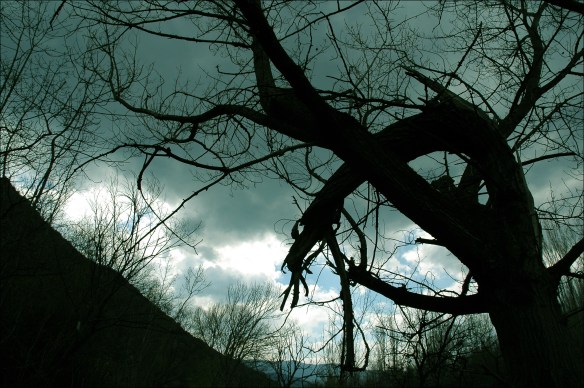
silhouette


Chill (Cento) 

I shiver a little, with the evening,
and you print a shadow like a thin twig.

Wait for my death, then hear me again.
He believes a pomegranate is a thesaurus,

the thundercloud, tomorrow’s puddle. Is
this hunger unlike that of others?

When a drowning man calls out,
his voice follows him downstream.

Why am I grown so cold?


A cento is composed of lines borrowed from other poets. “Chill” owes its existence to: James Wright, H.D., Ingeborg Bachmann, Eduardo C. Corral, Blaga Dimitrova, Forrest Gander, Yusuf Komunyakaa, and Adelaide Crapsey.
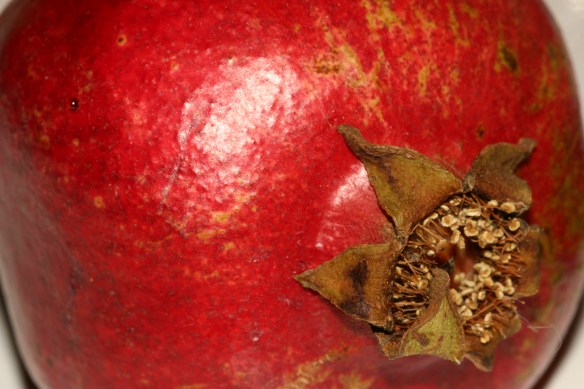
pom.jpg

“Chill” first appeared on the blog in March, 2016, and was subsequently published in Long Exposure in October 2016.

My Poem “Scarecrow Sings the High Lonesome” Has Been Published in Crannóg 45

CrannogFront

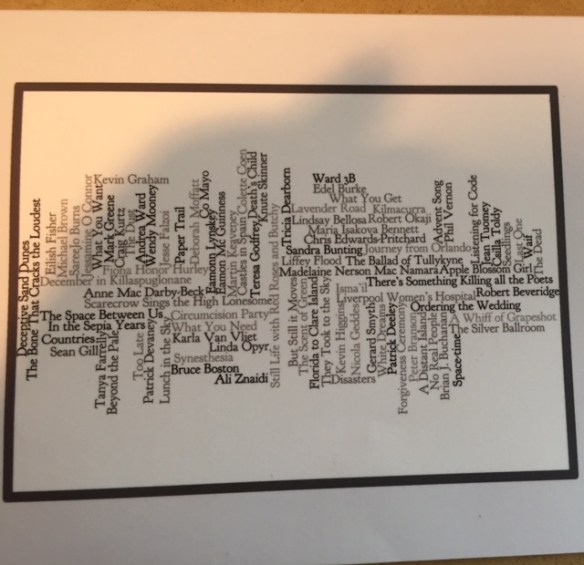
My poem, “Scarecrow Sings the High Lonesome,” has been published in the summer issue of  the Irish journal, Crannóg, available in printed form only. Alas, I was unable to attend the June 30 launch at the Crane Bar in Galway. Maybe next time!

CrannogBack


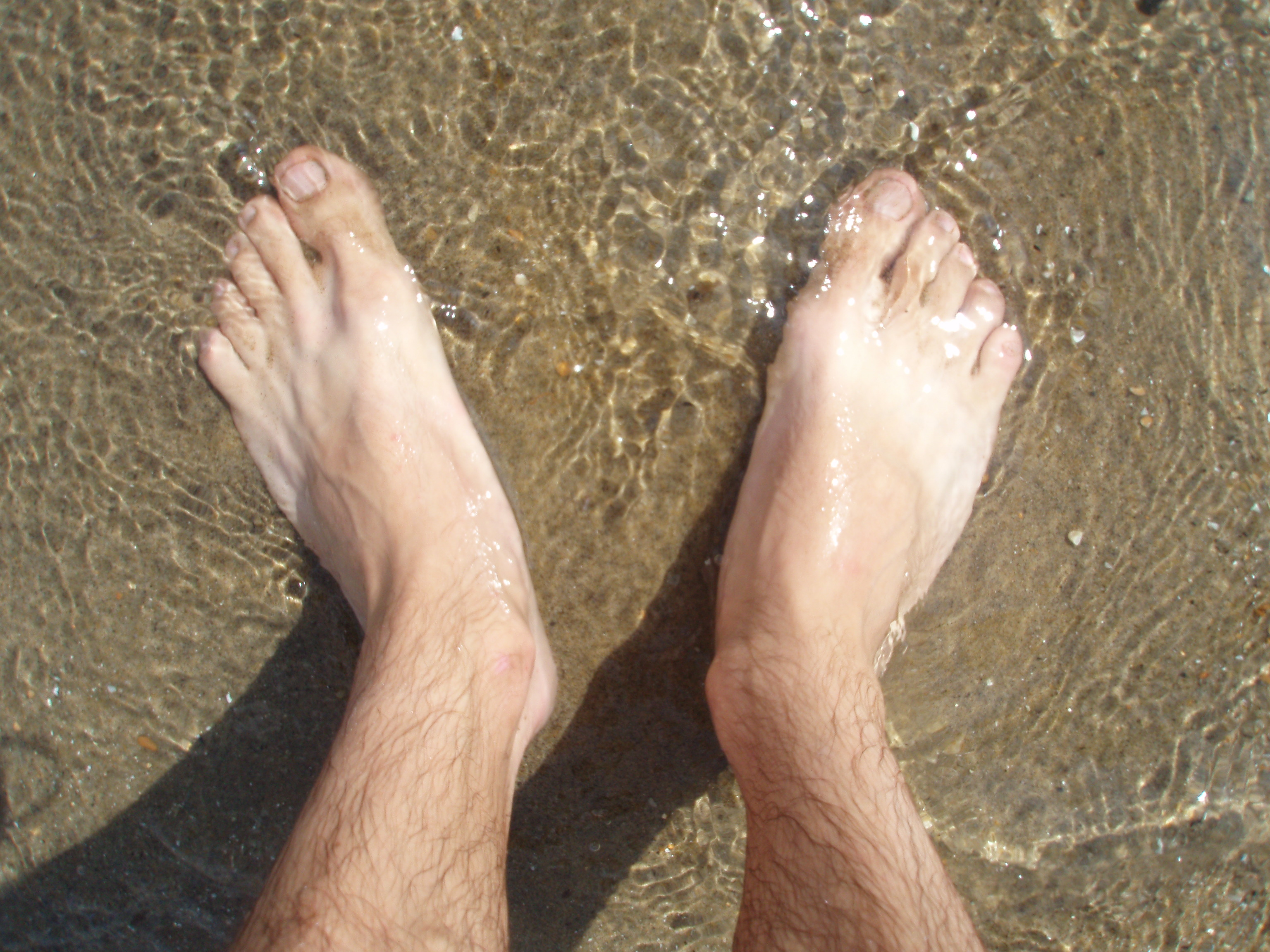
Recording of “What Feet Know”

feet


My poem “What Feet Know” was featured on Postcard Poems and Prose Magazine in December 2016, and is included in my forthcoming chapbook, From Every Moment a Second, available for prepublication order at Finishing Line Press.


Bonsai

Bild

Bonsai

no feature enhanced
but beauty of
the whole and

its container the
tree is not
deprived and grows

as it must
though slowly like
a wave which

gathers itself for
years there is
no completion only

process a lapse
which presumes the
most delicate design

Asia_tree240000

Originally published in Aileron in 1988, “Bonsai” appeared on the blog in December 2014.


Mirror

image

Mirror

The attraction is not
unexpected. We see

what is placed
before us, not

what may be.
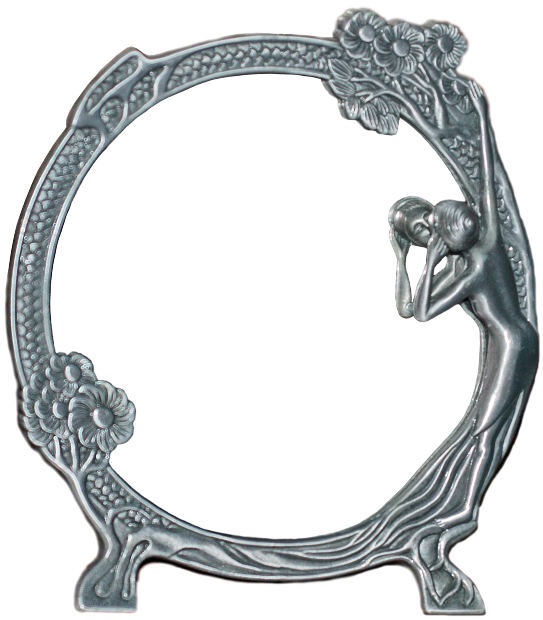
The mirror is empty

until approached.

One of six short poems included in my micro-chapbook, You Break What Falls. Available for download here: http://www.origamipoems.com/poets/236-robert-okaji

image

“Mirror” first appeared here in May 2015.

Requiem II

image

Requiem II

To say what becomes: this word
bends in the wind of our

breath. Is this too simple to
say? Our bodies gather yet retain

nothing. Numbers, phrases, the way
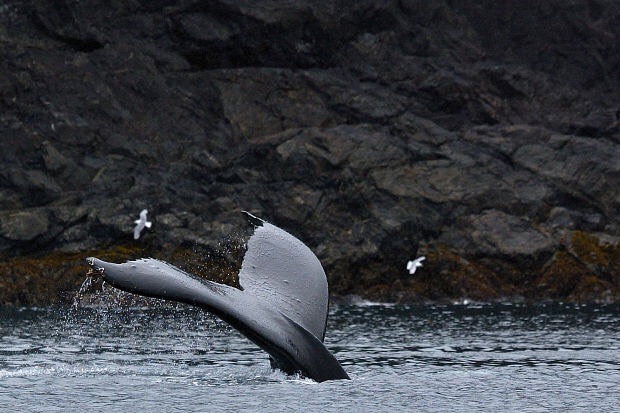
the ocean rolls. Once I saw
a whale at dusk. Or rather I saw its

tail part the water and disappear
into darkness, an answer too complex
and sweet for tongues to comprehend.

But waves seldom explain. Imagine
something nearby but beyond reach.

Think of clouds and shrines, consider light.

image

“Requiem II” first appeared here in May 2015.

Scarecrow Takes a Holiday

Scarecrow Takes a Holiday

Having neither organs nor neural impulses,
I no longer ask why or how I hear and smell,
taste and see, feel. This morning I woke
to magpie song and onion breeze, in
a body not mine, yet mine, at peace
on Jeju Island, far from my crows, yet
still among friends singing the same
language. I know this: home lives
within, and no matter where we travel,
it rides with us. Like the man who
spoke to me, bald, bearded, a pale
foreigner in this land, comfortable
here, at home. He listened for my reply,
but unfortunately I’d not been given
a mouth, and my words dropped to the
ground and were rolled away by
beetles before he noticed them.
Perhaps I should have written a note,
but he wished to gamble and how
could I refuse? I am hollow, but not
empty, whole, yet not complete,
away but here. He took a coin
from his pocket, flipped it. I saw…

A response to Daniel Paul Marshall’s “Scarecrow Travels (after Robert Okaji)”

Apricot House (after Wang Wei)

file000532973761

Apricot House (after Wang Wei)

We cut the finest apricot for roof beams
and braided fragrant grasses over them.

I wonder if clouds might form there
and rain upon this world?

The transliteration on Chinese-poems.com reads:

Fine apricot cut for roofbeam
Fragrant cogongrass tie for eaves
Not know ridgepole in cloud
Go make people among rain

Each adaptation poses its challenges, and this one was certainly no exception.
First I identified key words and determined how or whether to use them.
Apricot, roofbeam, cogongrass, eaves, ridgepole, cloud, people, rain.

Apricot was a given. It offered specificity, and feels lovely in the mouth. Roof beams, as well. Cogongrass didn’t make the cut. It is indeed used for thatched roofs in southeast Asia, but it felt clumsy; in this case, the specificity it lent detracted from my reading. And rather than use “thatched” I chose “braided” to imply the layered effect of thatching, and to imply movement, to mesh with and support the idea of clouds forming and drifting under the roof. “Not know” posed a question: did it mean ignorance or simply being unaware, or perhaps a state of wonderment? I first employed “unaware” but thought it took the poem in a different direction than Wang Wei intended (but who knows?). “Ridgepole” seemed unnecessary. So I chose to let the reader follow the unsaid – using “form there” to reinforce the impression already shaped by the roof beams and the grasses “over them.” I admit to some trepidation over the second couplet. It may still need work.

clouds

“Apricot House” first appeared here in December 2014.

Rice

image

Rice

Yesterday’s rain informs me I’m born of luck and blended
strands, of hope and words forged before a common tongue emerged.

Of my first two languages only one still breathes.

The other manifests in exile, in blurred images and hummed tunes.

Rice is my staple. I eat it without regarding its English etymology,
its transition from Sanskrit to Persian and Greek, to Latin, to French.

Flooding is not mandatory in cultivation, but requires less effort.

Rice contains arsenic, yet I crave its polished grains.

In my monolingual home we still call it gohan, literally cooked rice, or meal.
The kanji character, bei, also means America.

Representing a field, it symbolizes abundance, security, and fertility.

Three rice plants tied with a rope. Many. Life’s foundation.

To understand Japan, look to rice. To appreciate breadth, think gohan.
Humility exemplified: sake consists of rice, water and mold.

The words we shape predicate a communion of aesthetics.

Miscomprehension inhabits consequence.

* * *

“Rice” appeared here in June 2015, and in my chapbook, The Circumference of Other, which is included in Ides, a one-volume collection of fifteen chapbooks published by Silver Birch Press and available on Amazon.com.

image