Mirror

image

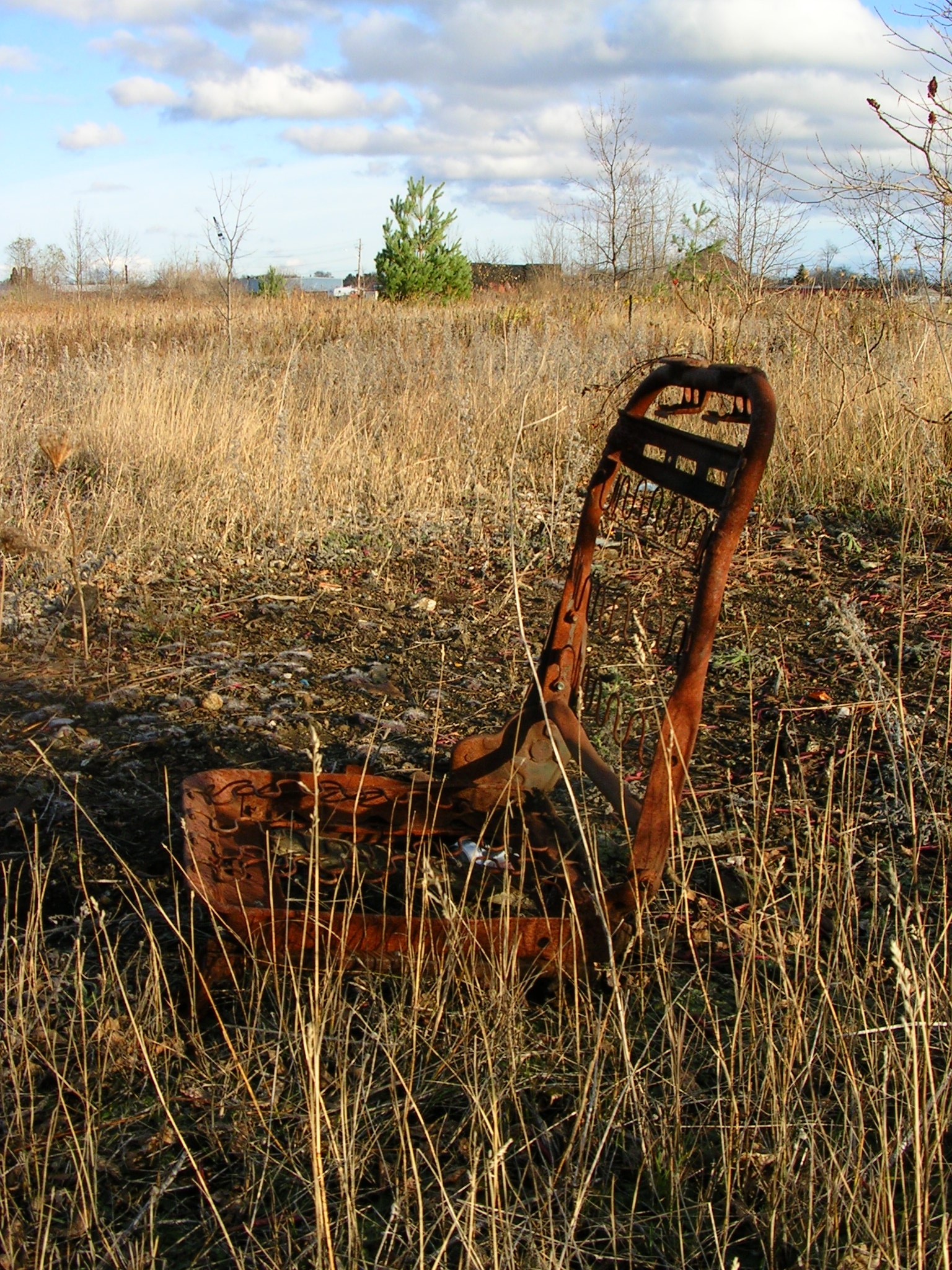
Mirror

The attraction is not
unexpected. We see

what is placed
before us, not

what may be.
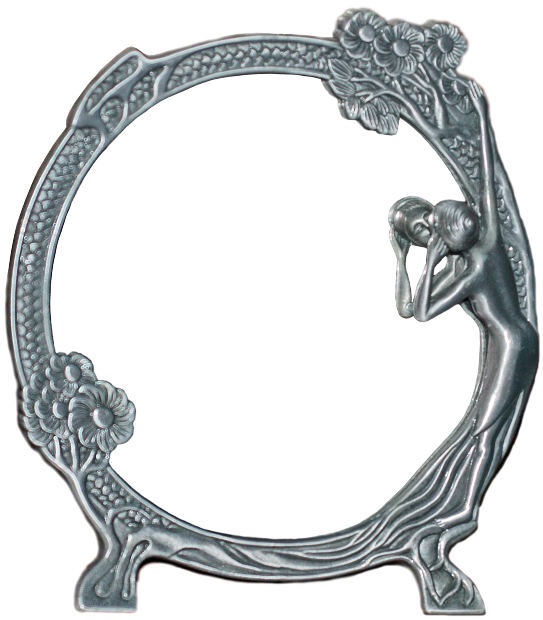
The mirror is empty

until approached.

One of six short poems included in my micro-chapbook, You Break What Falls. Available for download here: http://www.origamipoems.com/poets/236-robert-okaji

image

“Mirror” first appeared here in May 2015.

Threes

image

Threes

Difficulties arrive in waves,
lending weight to the theory of threes,

the plunging fund, a failed engagement, the self’s
doubt, all combined to inflict the particular

misery of the ongoing, the continued, inelegant fate
that declares us human. Look,

she says, the hummingbird flits from leaf to
flower, its wings beating 58 times a second,

a fact not to be trifled with, for what may we duplicate,
contemplate, even, at that pace?

Say the hedge gets clipped, the ring whirs off the finger
and back to the jeweler, and all you know for certain

is that you don’t know. There is no why, no how. No
way. Or life’s reel unwinds and plays only in

reverse. Where do you stop and splice it, forming new,
uncharted worries? And what about that damned

bird, buzzing around your head in territorial fury? Yes,
yes, I know. These things are not my concern. Not really.

But they arrive in unending repetition, one after
the other, in clumps of three – lovely, lonely,

triple-threaded lines of vicissitude lapping at our ankles,
saying nothing, saying everything, saying it used to be so easy.

* * *

Originally published in Eclectica in July 2014, and first appeared on this blog in July 2015.

image

“We Real Cool” Video

2017 marks the 100th anniversary of the birth of the great Gwendolyn Brooks. Check out this really cool video featuring her best known work “We Real Cool.”

How to Do Nothing

OLYMPUS DIGITAL CAMERA

How to Do Nothing

First you must wash the window to observe more clearly
the dandelion seed heads bobbing in the wind. Next,

announce on Facebook and Twitter that you will be offline
for the next two days, if not forever. Heat water for tea.

Remember the bill you forgot to pay, and then cleanse
your mind of all regret. Consider industrial solvents

and the smoothness of sand-scoured stone, the miracle
of erasure. Eliminate all thought, but remember

the water. Hitch a ride on a Miles Davis solo and float
away on a raft of bluesy notes and lions’ teeth,

and wonder how to sabotage your neighbor’s leaf blower,
but nicely, of course. She’s a widow with a gun.

Now it is time to empty yourself. Close your eyes.
Become a single drop of dew on a constellation of petals.

Evaporate, share the bliss. Stuff that dog’s bark
into a lock box alongside the tapping at the door,

the phone’s vibration, the neighbor’s rumbling bass,
and the nagging, forgotten something that won’t

solidify until three in the morning, keeping you awake.
But don’t ignore the whistling. You must steep the tea.
* * *

“How to Do Nothing” was published in Volume 4 of Steel Toe Review, available for purchase here.


steel toe

My Poem, “Even the Light” Is in La Presa

 My poem, “Even the Light,” has been published in the May issue of La Presa.

 Many thanks to editor Lee Gould for taking this piece.

Recording of My Poem “His Softness”

shoes

His Softness

What name would survive
had you not stepped into the water

that day? Memory assigned
a separate word, another given,

and the face I’d placed with you
appeared in front of me

fifteen years later, in another
setting, miles away

and still breathing. How
may I honor you

if not by name? I recall
the gray ocean and how

umbrellas struggled in
the wind, and reading

in the weekly newspaper
a month after

that you had never emerged.
Now your name still lies there,

somewhere, under the surface,
unattached yet moving with

the current, and I,
no matter how I strain,

can’t grab it. Time after time,
it slips away. Just slips away.

.* * *

“His Softness” was published in January 2016 in the inaugural edition of MockingHeart Review, and reappeared here in July 2016.

To the Lovely Green Beetles Who Carried My Notes into the Afternoon

To the Lovely Green Beetles Who Carried My Notes into the Afternoon

Such beauty should not be bound,
thus I tied loose knots,

knowing you would slip free
and shed my words

as they were meant,
across browned lawns,

just over the cedar fence
or at the curb’s edge,

never to be assembled,
and better for it.

* * *

This appeared in riverSedge Volume 29, Issue 1, released in October 2016. I first encountered riverSedge in 1983, and vowed that one day my poetry would be published in this journal. It took a while…

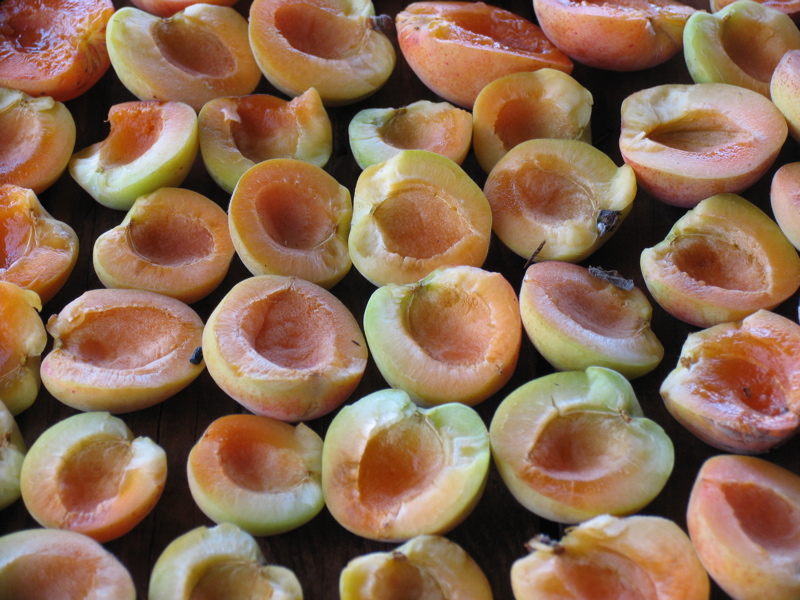
Apricot House (after Wang Wei)

file000532973761

Apricot House (after Wang Wei)

We cut the finest apricot for roof beams
and braided fragrant grasses over them.

I wonder if clouds might form there
and rain upon this world?

The transliteration on Chinese-poems.com reads:

Fine apricot cut for roofbeam
Fragrant cogongrass tie for eaves
Not know ridgepole in cloud
Go make people among rain

Each adaptation poses its challenges, and this one was certainly no exception.
First I identified key words and determined how or whether to use them.
Apricot, roofbeam, cogongrass, eaves, ridgepole, cloud, people, rain.

Apricot was a given. It offered specificity, and feels lovely in the mouth. Roof beams, as well. Cogongrass didn’t make the cut. It is indeed used for thatched roofs in southeast Asia, but it felt clumsy; in this case, the specificity it lent detracted from my reading. And rather than use “thatched” I chose “braided” to imply the layered effect of thatching, and to imply movement, to mesh with and support the idea of clouds forming and drifting under the roof. “Not know” posed a question: did it mean ignorance or simply being unaware, or perhaps a state of wonderment? I first employed “unaware” but thought it took the poem in a different direction than Wang Wei intended (but who knows?). “Ridgepole” seemed unnecessary. So I chose to let the reader follow the unsaid – using “form there” to reinforce the impression already shaped by the roof beams and the grasses “over them.” I admit to some trepidation over the second couplet. It may still need work.

clouds

“Apricot House” first appeared here in December 2014.

Scarecrow Contemplates Pi

 Scarecrow Contemplates Pi

At the moment you snipped away
my reticence, I spoke so eloquently
that even the stones wept at your
indifference. As you arranged my
pose and buttoned the shirt
around the wire and fodder
replenishing my torso, I understood
your roots and mine should never
merge: transcendental, and in
collusion with the irrational, we
circles cannot be squared. And
how must I reconcile my unheard
words? The longer I speak the
greater their magnitude – a balloon
expanding in volume retains its
ratio – one day my words will sift
through your filters and you will
at last receive them. I pull this
particular comfort close – that
patterns and frequencies and
tendencies become law, that the
fleshless and soulless, the mute
and misunderstood, the powerless,
the different, nevertheless will be
heard. But what of love? How may I
contend to feel, to know that which
is your right? A nervous system
conducts electrical and chemical
impulses, yet lacking these, my
coreless heart sags at the thought
of your departure. I am no man.
Is this truly not enough?

“Scarecrow Contemplates Pi” first appeared with two companion pieces in Eclectica in summer 2016.

Palinode (birds)

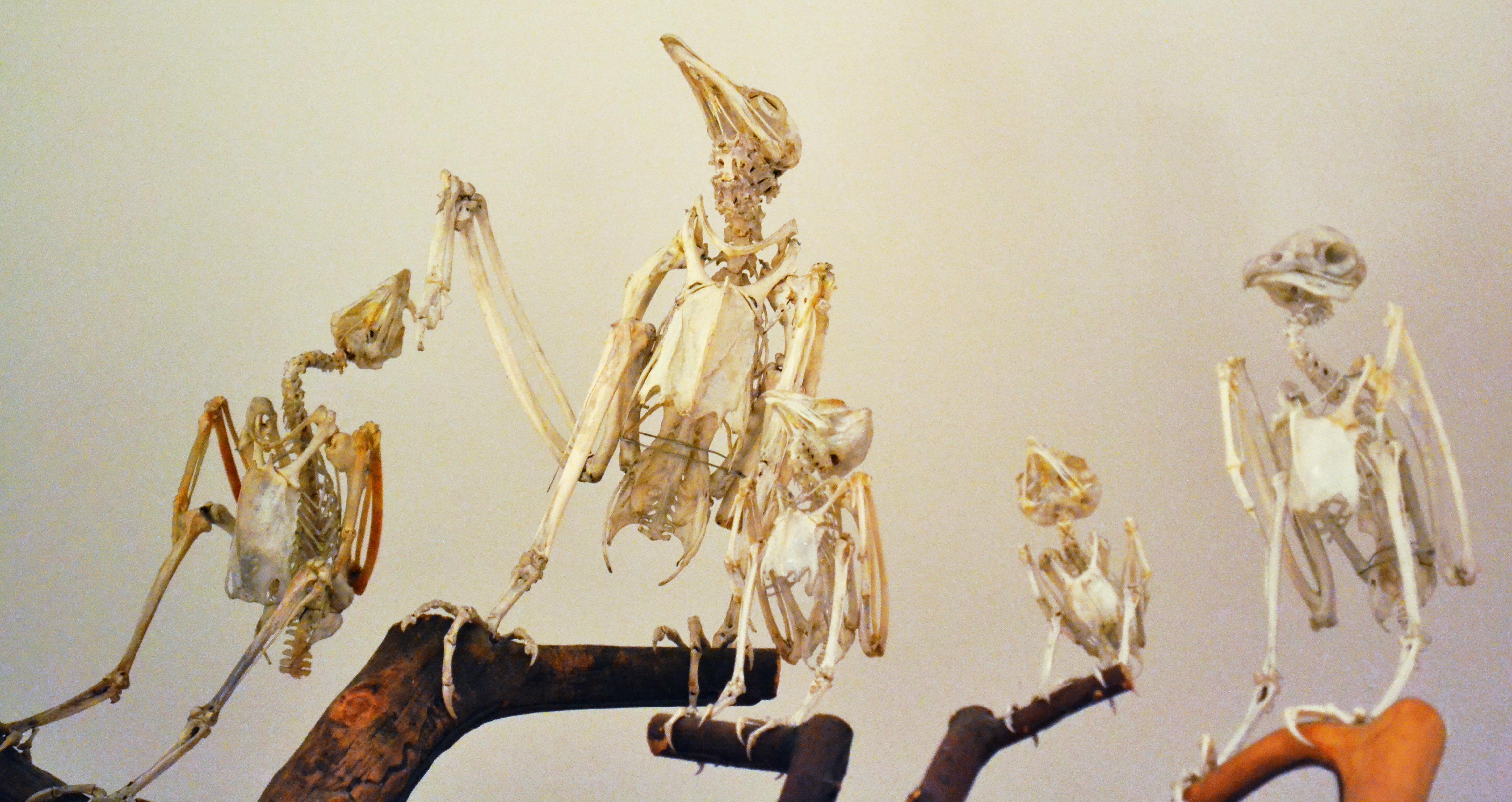
Palinode (birds)

Simplicity, as in the cloaca. One aperture for all: eggs,
urine, sperm, feces. The majority of birds copulate
by joining the openings of their cloacae (most male
birds lack penises). Nothing is for nothing.

Nothing is for nothing, but the ache of emptiness
bestows its own reward. That movement from outer
world to inner, to anima, to breath, to flight,
approaching heaven. Birds know the way.

Knowing the way, birds express our envy of the
boundless, testament to the unity of earth and sky,
instinct’s voice. We see feathers not as epidermal
outgrowths, but as emblems of what we forever seek.

As emblems of what we seek, crows exploit man’s
folly, exposing hidden truths. Thought and memory
recede, leaving us foundered. Altered consciousness,
flight, the space to believe, simplicity’s forms in one.

“Palinode (birds)” first appeared in slightly different form in Otoliths in fall 2016.