While Trespassing I Note the Sadness of Old Fences


While Trespassing I Note the Sadness of Old Fences

I write poems when I can,
in late morning or during

the afternoon, between chores
but before dinner. And sometimes

I duck through spaces
void of wire barbs, and consider

how to fill the incomplete, which words,
what materials could repair

those particular holes. I cut my own
fence once, to access our house

when the creek flooded the road,
lugging uphill through the snake

grass a jug of scotch, my mandolin
and a watermelon, essentials for a weekend’s

respite. To be truthful I cut only the lowest
strand, to help the dog get through — I

was able to climb over, but he couldn’t dig
through the limestone rubble to wriggle

under, and we’d come too far
to simply turn around.


* * *

This appeared in riverSedge, Volume 29, Issue 1, released in October 2016. I first encountered riverSedge in 1983, and vowed that one day my poetry would be published in this journal. It took a while…


Every Wind (with recording)


Every Wind

Every wind loses itself,
no matter where

it starts. I want
a little piece of you.

No.

I want your atmosphere
bundled in a small rice paper packet
and labeled with strings of new rain
and stepping stones.

I want
the grace of silence
blowing in through the cracked
window, disturbing only
the shadows.

Everywhere I go, bits of me linger,
searching for you.

Grief ages one thread at a time,

lurking like an odor
among the lost
things,

or your breath,
still out there,

drifting.


* * *

Music: “Gymnopedie No. 1” Kevin MacLeod (incompetech.com)
Licensed under Creative Commons: By Attribution 3.0 License
http://creativecommons.org/licenses/by/3.0/


“Every Wind” first appeared in The Lake in July 2016, and is included in my chapbook, From Every Moment a Second, available for order via Amazon.com and Finishing Line Press.


Inevitable River


Inevitable River

Transparent beauty, I adore the way
your mind filters and reconstructs patterns,
waves transcending straight lines through
color-drenched nature and the coming days.

Like a second page cleansed of words,
or a bulldozed path through a mine field,
we start our separate lives together, anew.
Even the winged beings admire us.

Our pasts hover behind,
shadowing our drives through lost towns
and lonesome adolescent dreams,

falling further behind each day, as we
flow forward, inevitable river of we,
opening to the future’s unclear certainties.


“Inevitable River” first appeared in November 2019 at Twist in Time Magazine. Many thanks to editors Renee, Adrienne and Tianna for accepting this piece.


The Box

image


The Box

Opened or closed, the mood
descends

with the pull of tooth and
tongue

and discarded sound in wet
grass,

its odor mingling with
cordite

by summer pavement under the
canopy,

six plastic flowers faded by the
sun,

and photographs scattered over scraped
earth,

where we stand bound and
apart,

I reach toward
you

and find only
air.


image

“The Box” first appeared here in May 2015.


Another Poem at Literati Magazine

map


My poem “And: a Mythology” is live at Literati Magazine. Many thanks to editor Renée Sigel for taking this and several other pieces.

.


Poem Up at Literati Magazine

map


My poem “A Brief History of Edges” is live at Literati Magazine. Many thanks to editor Renée Sigel for taking this piece, my first Swiss publication

.


Driving without Radio

trash-in-tree


Driving without Radio

One minute you’re sipping coffee at the stoplight,
and the next you find yourself six miles

down the road, wondering how you got there,
just two exits before the French bakery

and your favorite weekday breakfast taco stand.
Or while pondering the life of mud,

you almost stomp the brakes when a 40-year old
memory oozes in — two weeks before Thanksgiving,

the windshield icing over (inside), while most definitely
not watching the drive-in movie in Junction City, Kansas,

her warm sighs on your neck and ear, and the art
of opening cheap wine with a hairbrush. How many

construction barrels must one dodge to conjure these
delights, unsought and long misfiled? You turn right

on 29th Street and just for a moment think you’ve seen
an old friend, looking as he did before he died,

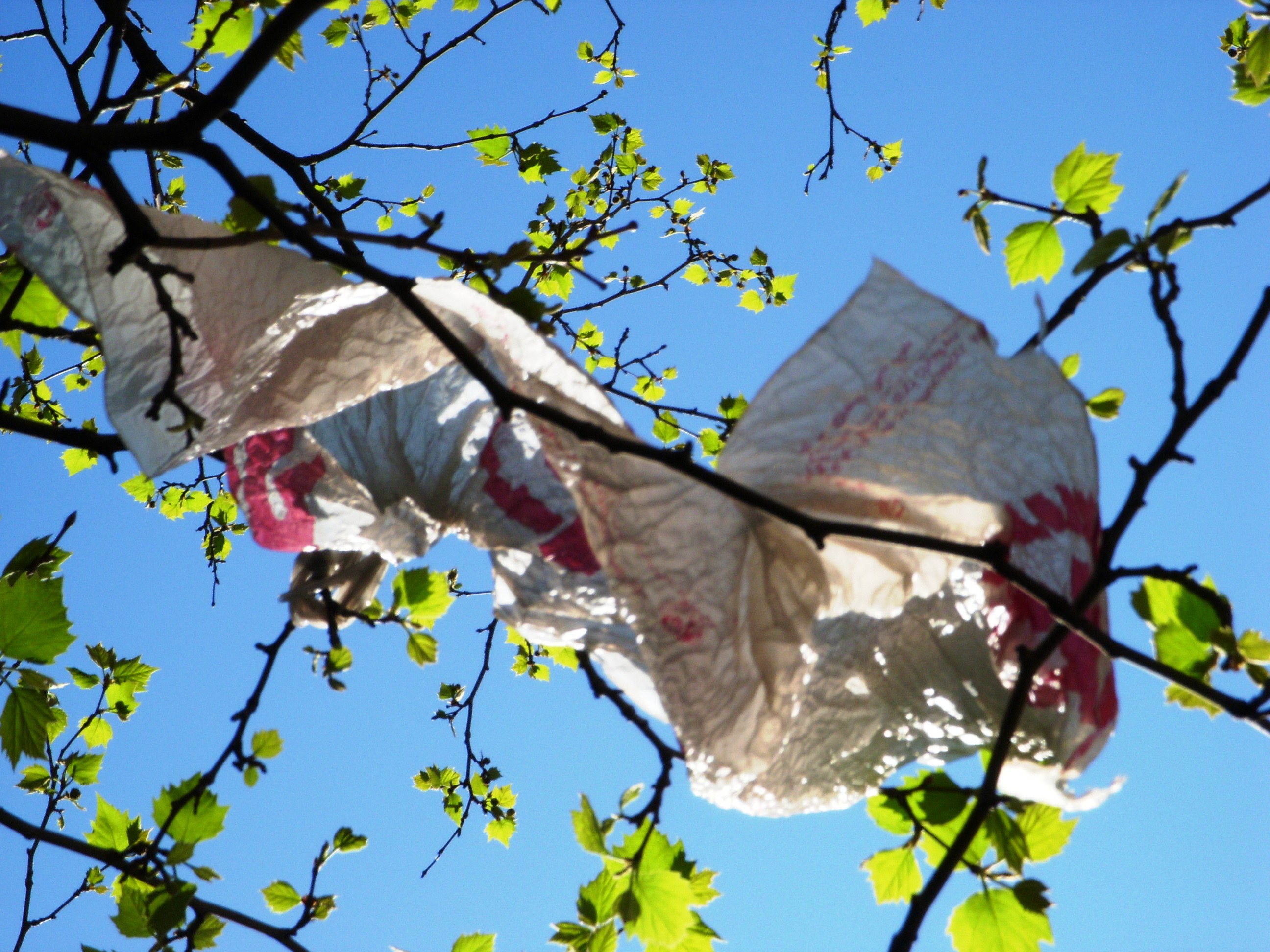
but better, and happier, and of course it’s just a trash bag
caught in a plum tree, waving hello, waving goodbye.


“Driving without Radio” was published at Split Rock Review in November 2016. Many thanks to editor Crystal Gibbins for providing a home for this one.


Empty Cup


I wrote this two years ago, a week after my father died. Many of us are mourning today, with more to follow. COVID-19 doesn’t care.


Empty Cup

I set down my cup, pour
tea and think this day, too,
may never end.

With what do we quantify love? How does grief measure us? Nine days ago I wrote “My father is dying and I’m sipping a beer.” More words followed, but I did not write them, choosing instead to let them gather where they would – among the darkening fringe at light’s edge, in that space between the shakuhachi’s notes, in the fragrance of spices toasting in the skillet. In unwept tears. Everywhere. Nowhere.

Seven days ago I wrote “My father is dead.” Again, I chose to let the unwritten words gather and linger, allowing them to spread in their own time, attaching themselves to one another, long chains of emptiness dragging through the days.

If experience reflects truth, sorrow’s scroll will unravel slowly for me, and will never stop. I feel it beginning to quiver, but only the tiniest edge emerges. I am nothing, I say. I am voice, I am loss, I am name. I am memory. I am son.

I have fifty-nine years
and no wisdom to show for it.
Never enough. Too much.


* * *


Thirty-Five Years Later, I Raise My Hand

Thirty-Five Years Later, I Raise My Hand

In spring 1983 I enrolled in a poetry writing course thinking it might help improve my short fiction. I was a history major by default, had never taken a course in poetry, but believed, with absolutely no evidence, that I could write fiction. At the time I would have been hard-pressed to name five contemporary poets, even counting my professor. To be honest, the class struggled to hold my attention. Only about a quarter of the students seemed interested in writing, and the instructor was a bit, uh, tired. But for the first time in my life I read, really read, poetry. I fell in love with Galway Kinnell, Ai, James Wright and Carolyn Forche, to name just a few of my early enthusiasms. I wanted to write like them. So I wrote. And wrote. And wrote. Most of it was laughably bad, but somehow I managed to win an undergraduate poetry contest, which suggested that hope existed. Maybe someday, I thought, one of my poems will be published. This radical idea had never occurred to me before. Publication seemed to be the privilege of special people, and a lifetime of gathered fact revealed that I was unequivocably nothing special.

Early on in the semester, perhaps even in the first class, the professor asked how many of us thought we’d still be writing poetry in twenty years. I didn’t raise my hand. I didn’t know where I’d be in six months, much less what I’d be doing in twenty years. Since I’d realized late in the game that teaching was not for me, I had no job prospects, and few marketable skills, despite experience in chugging beer, manning sound-powered phones on a ship’s helicopter tower, scraping barnacles and bending rules. The world was limited. The world was limitless.

Another gray day

dividing the old and young

Oh, this aching hip!


* * *

A song from that time:


Ghost, with a Line from Porchia


Ghost, with a Line from Porchia

In my dreams you manifest in a younger form.

If I were to give you life, what could I give you?

Your hands never touched these walls, yet you inhabit them.

As my language inters you, I am absorbed in yours.

Some gifts are simply not proffered, others are released.

My fingers retrace your name in both sun and shade.

The rain taps out regrets, regrets on the metal roof.

Dim spirit, faint soul. Root-land. Shoal. Mother.

Each visit signals the darkness waiting.

Your battle with language, with silence, invoked.

I stretch the word and weave this dirge for you.


* * *

Note: “If I were to give you life, what could I give you?is from Antonio Porchia’s Voices, translated by W.S. Merwin.

“Ghost, with a Line from Porchia” first appeared in Underfoot in October 2017.