Scarecrow Believes

Scarecrow Believes
 

What is a ghost if not misplaced energy,
an apprehension or the sum of invisible integers
and the properties they possess? I preside over
this sea of maize, tracking clouds, noting patterns
up high and among the flowing stalks, absorbing
minutiae, assigning connections, piecing together bits,
moment to thought, soil to trickle, flutter to gain.
Energy. Inertia. Waves, converted. If I had a bed
I would not neglect to look under it. The closet door
would remain open, a nightlight positioned nearby
with perhaps a mirror or two angled to offer clarity,
and the radio tuned always to jazz, providing little
purchase to any ill-intentioned spirit. The power of
beauty transfixes, even as it carries me far from my
station, from hilltop to plains to glowering moon.
If neither place nor reason, what consumes
our spiritual remnants, what directs our currents
to the next, and each successive, landing? Crows
have long been considered conduits to the afterlife,
but they exist here, in the now. I do not perspire but
fix my gaze on numbers and their tales, on zero and
the history of nothing, on unseen fingers walking up
my spine, shedding a residue of snow, of mercury
and latent images and dormant seeds in the world
underfoot, acknowledging the wonders of what
can’t be proven, what won’t be held or seen. Still, I
add and subtract, unclench my fingers and accept the
quiet, caught forever within the limits of the boundless,
under the sky, in space, within the improbable.

“Scarecrow Believes” was published in May 2017 in GFT Presents: One in Four, a semiannual, print literary journal published by GFT Press.


And All Around, the Withered

And All Around, the Withered

I total the numbers printed
on passing boxcars,

multiply by seven, then add two,
subtracting every third odd number,

only to find, in the end, myself
tethered to this empty platform,

spelling hapless with integers,
acknowledging Zahlen and

the infinite. Sometimes gravel, too,
calls to me and I observe space

in the path’s patterns, constellation
stacked upon constellation,

multi-dimensional galaxies
expanding in one swooping arc,

heroic eagles and exploding stars
complicit in their deeds and forever

locked in sequence, yet when I explain
my vision, the words emerge

as convex polyhedrons or inverted,
drooled gasps, and people turn aside.

That boy’s two bricks shy a full load, they
say. The lights are on but nobody’s home.

“And All Around, the Withered” was published in Steel Toe Review in January 2017.

Apricot Wood

clouds

Apricot Wood

I built a frame of apricot
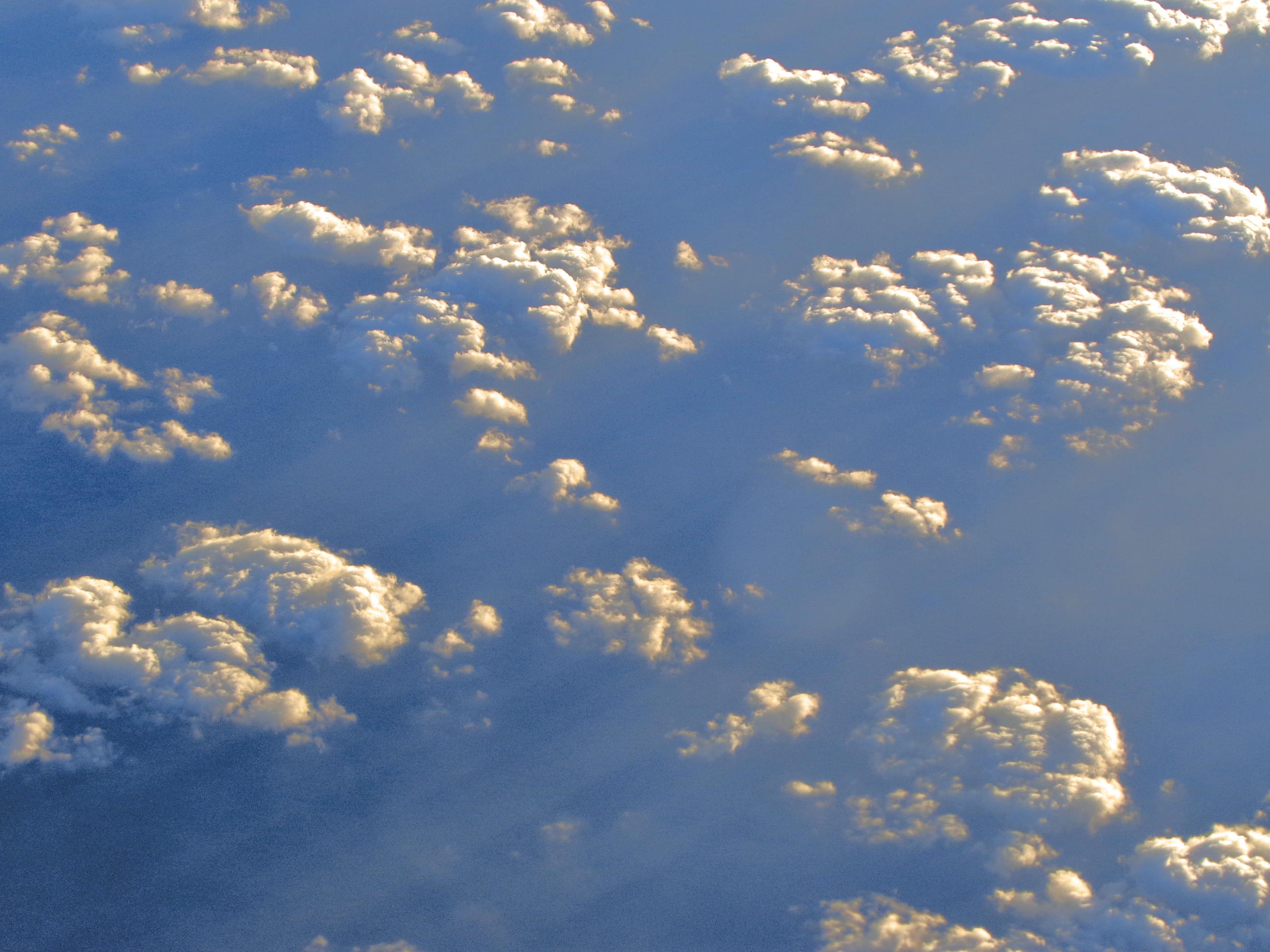
wood. This was for you. The clouds float
through it even as I sleep. You wrote
once of wild herbs gathered and brought
to a lovely girl, an offering not
of passion but of some remote
desire to hear a word from the throat
of the Lord Within Clouds. I thought
of this as I chiseled the wood.
Last night it rained. I listened to
it from my bed by the open
window, hoping that the clouds would
not leave. This morning two birds flew
by. It is raining again.

file8641239202119

Originally penned in the 1980s, “Apricot Wood,” is included in my chapbook , If Your Matter Could Reform, and was featured on Autumn Sky Poetry Daily in March 2015

Self-Portrait with Blue

Blue

Self-Portrait with Blue

Darker shades contain black or grey. I claim
the median and the shortened spectrum, near dawn’s terminus.

In many languages, one word describes both blue and green.

Homer had no word for it.

The color of moonlight and bruises, of melancholy and unmet
expectation, it cools and calms, and slows the heart.

Woad. Indigo. Azurite. Lapis lazuli. Dyes. Minerals. Words. Alchemy. 

On this clear day I stretch my body on the pond’s surface and submerge.

Not quite of earth, blue protects the dead against evil in the afterlife, 
and offers the living solace through flatted notes and blurred 7ths.

Blue eyes contain no blue pigment.

In China, it is associated with torment. In Turkey, with mourning.

Between despair and clarity, reflection and detachment,
admit the leaves and sky, the ocean, the earth.

Water captures the red, but reflects and scatters blue.

Look to me and absorb, and absorbing, perceive.

This originally appeared in the Silver Birch Press Self-Portrait Series, and is included in The Circumference of Other, my offering in the Silver Birch Press chapbook collection, IDESpublished in October 2015.

ides front cover 92915

Wind

blossoms

Wind

That it shudders through
and presages an untimely end,

that it transforms the night’s
body and leaves us

breathless and wanting,
petals strewn about,

messenger and message in one,
corporeal hosts entwined,

that it moves, that it blends,
that it withdraws and returns without

remorse, without forethought, that it
increases, expands, subtracts,

renders, imposes and releases
in one quick breath, saying

I cannot feel but I touch,
I cannot feel

* * *

“Wind” first appeared in Blue Hour Magazine and is included in my first chapbook, If Your Matter Could Reform.

tree

4 Poems Up at Rue Scribe

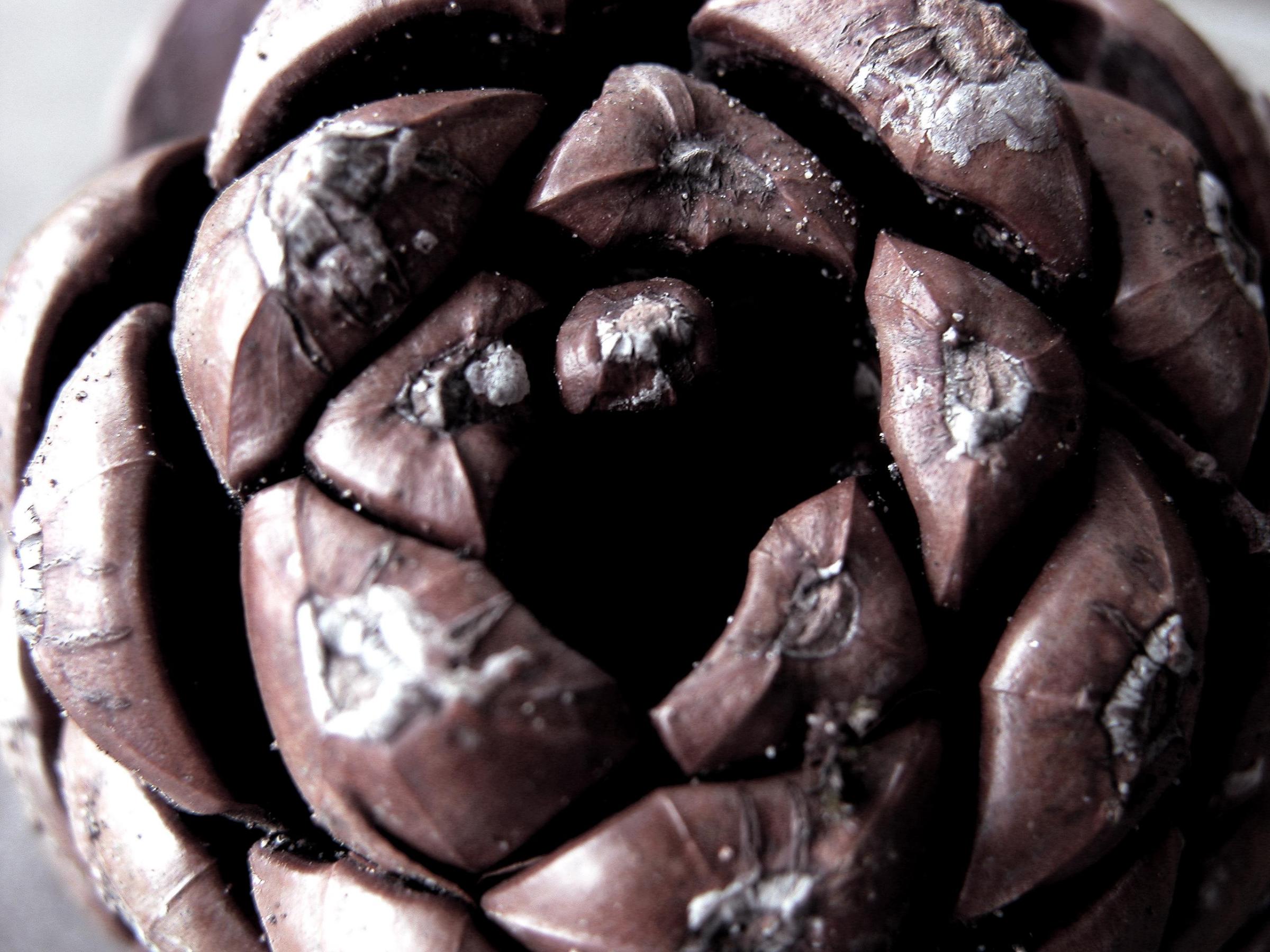
My poems “Worms,” “Self-Portrait as Question,” “Love Song for the Dandelion,” and “Pinecone on a Pedestal, Open Poet” are up at Rue Scribe. Many thanks to Eric Luthi and the editors at Rue Scribe for accepting these pieces, and to Ken Gierke, who provided the title for “Pinecone on a Pedestal, Open Poet” three years ago during a Tupelo Press 30-30 challenge. It finally made it into the world!

3 Poems Up at Right Hand Pointing

My poems “Self-Portrait as Hoot Owl,” “The Shadow Behind You” and “Self-Portrait as Compost” have been published in Issue 125 of Right Hand PointingThank you to editors Dale Wisely, Laura M. Kaminski, F. John Sharp and José Angel Araguz for taking this trio.

Lake Pavilion (after Wang Wei)

file000774486365

Lake Pavilion

The boat carries the honored guest
so regally across the lake.
We look out over the railing and sip our wine.
Lotus blossoms, everywhere.

As is nearly always the case, I had more questions then answers when I first considered this adaptation, beginning with “what is happening here?” Yes, someone crosses a lake to meet a guest, they drink wine and see flowers in the water. But what does this signify? From my 21st century Texan viewpoint, the poem seems to be a piece about spiritual passage, and I colored my version with this in mind, using visual references to capitalize on and support the theme – crossing a body of water, looking outward, and of course, observing the lotus flowers, which hold great symbolism in Chinese and Buddhist culture.

The Chinese-poems.com transliteration:

Small barge go to meet honoured guest
Leisurely lake on come
At railing face cup alcohol
On all sides lotus bloom

SAM_3355

This first appeared on the blog in November 2014. My, how time has passed.

Memorial Day


Memorial Day

Arriving at this point
without knowledge of the journey,

the slow collapse and internal
dampening – the shutting down, the closing in – lost

in the shadowed veil, my eyes flutter open to find
everything in its place, yet

altered, as if viewed from a single step
closer at a different height, offering a disturbing

clarity. Looking up, I wonder that she wakes me
from a dream of dogs on this, of all days,

only to detect under me linoleum in place of the bed,
my glasses skewed from the impact,

the floor and left side of my head wet. You looked
like you were reaching for something
, she says,

and perhaps I was, though with hand outstretched
I found nothing to hold but the darkness.

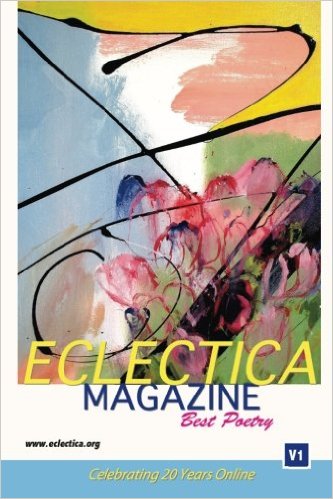
“Memorial Day” was first published in Eclectica in July 2014, and was, much to my delight, subsequently included in Eclectica Magazine’s 20th Anniversary Best Poetry Anthology.

The Link

Jeff Schwaner considers the perspectives of houses, of owls…

Jeff Schwaner's avatarTranslations from the English

linkclose

The Link

At dusk the house blinks, as if it is just waking up
Though like an owl, its eyes were open all day

And the house only sleeps deeply for about eleven seconds
At a time. Like the owl, the house can rest

Half its brain more fully by closing one eye.
How the house’s dreams must differ from ours–

What would our dreams be like if we could see only
What our left brain or right brain most desired?

Like the house, the owl knows nothing beyond
Containment. Its mouth is small and full of earth.

Like the house, the owl makes its home
Close to the dense trees where the paths

Are too narrow for larger things to bother it,
Blends in with its surroundings. Why do we

Think the owl is wise and the house empty
Of soul? Even its rapidly beating heart, matching

That of…

View original post 86 more words