And the others feasting unseen upon you, offering their blessings of digestive juices and anticoagulants, allergic reactions and reddened mounds made pleasurable by your fingernails scraping the skin around them, over and raw, again, again, it feels so good!
“In Praise of Chiggers” first appeared here in August, 2017.
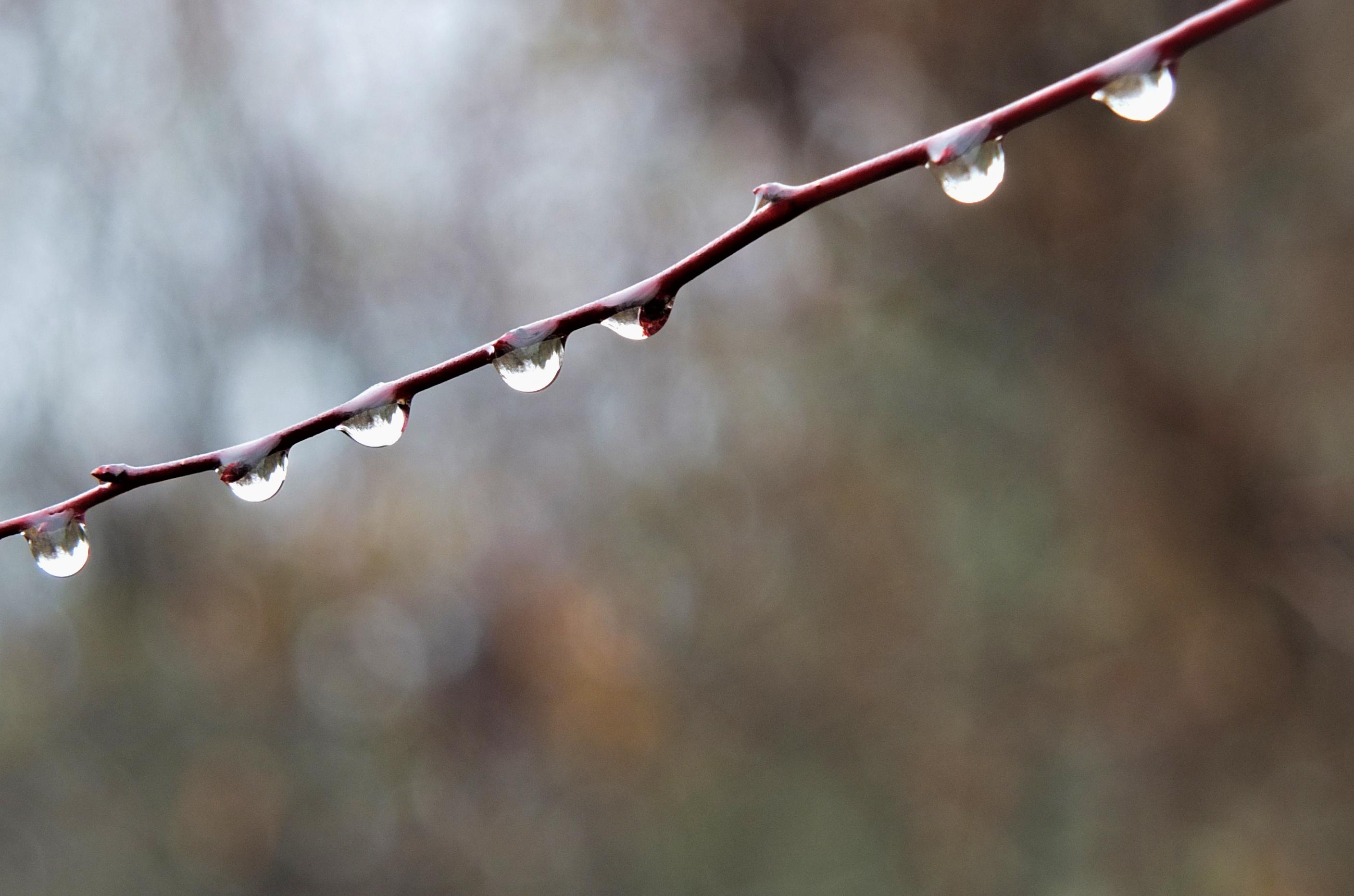
Watching that thought slide down the wall
into the grass. Losing it and the next,
celebrating each. How quickly the body
accepts decay. This knee, those arteries.
A fragmented life. Not even the rain
brings us back.
The ticking roof
swells with thunder.
My old friends, waiting.
* * *
“Rain Haibun” first appeared in The Larger Geometry: poems for peace, available at Amazon. This anthology of poems that “uplift, encourage and inspire,” features poets from five countries and three continents. Published by the interfaith peaceCENTER of San Antonio, Texas, a 501(c)(3) nonprofit organization. All proceeds from the sale of this anthology go to benefit the peaceCENTER.
I’m pleased to have had a small role in selecting the poems.
Contributing poets include Lynne Burnett, Charlotte Hamrick, Daryl Muranaka, Stephanie L. Harper, Sudhanshu Chopra, Texas Poet Laureate Carol Coffee Reposa, Michael Vecchio, Rebecca Raphael and others.
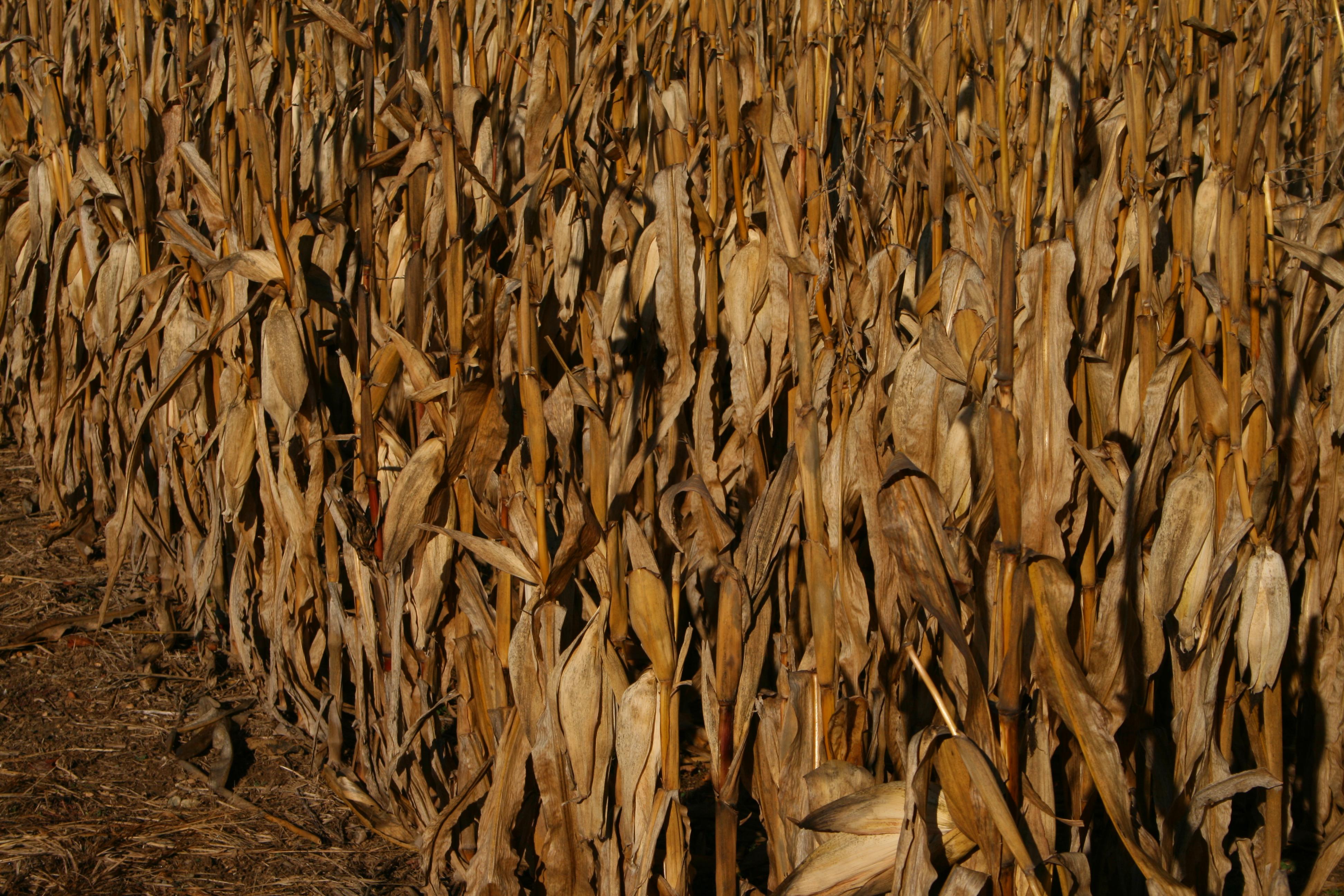
We have always absorbed heaven,
even through these days of malformed
grain and truth pulled dark and low:
variety confirms purpose. This ear
captures no sound. These inflorescences
produce starch. Those
release pollen. You will die one day.
Inaction reflects uncertain intent.
One must weigh frost,
and with their shallow
roots, susceptibility to drought, poor
soils and high wind. Your lips
kiss steel more readily than flesh, yet
I pray that you amend your thoughts
and accept my proffered hand,
that the individual fruits of the cob
may one day fuse into a single mass,
bringing weight to sunlight,
and a greater grain to your table. But
the door stands unopened, a voice
censuring the innocent. I contemplate
converted light, consider
crows, subduction and rags flapping
in the darkness, silent
tongues wavering unseen above the
unhoed dirt, within each kernel’s
purpose, deep into a hollow core,
raging, unmet and shriveled,
hands opened, resolute yet proud.
The title is from a traditional song, as performed by Alison Krauss and Union Station. The poem is my take on it. “The Boy Who Wouldn’t Hoe Corn” was included in GFT Presents: One in Four, a semiannual, print literary journal published by GFT Press.
I am thinking of a place I’ve never seen or visited,
much like Heaven or Jot ‘Em Down, Texas, but with better
beverages and the advantage of hindsight and seasoning,
a glance back or to the peripheral, with a side of memory
and sliced, pickled jalapeños topping a pile of imagination.
And how do we so clearly remember what never occurred?
That book I read in 1970 was first published three years
later. A drowned childhood acquaintance ordered a beer
and sat next to me at a party in college. The open fields
I recall from the garden walls in France, where homes stood.
If only we carried with us slide shows or grooved vinyl
to trace back our lives – photos and recordings of those daily
remembrances – detailed notes indexed on cards, or data
embedded in our palms and accessed by eye twitches.
Would such evidence improve our lives?
Which filters shutter moments and thoughts, twist them
into balloon animals we no longer recognize? False
accusations and convictions aside, can we trust what we
know to be true? That oak stands where it has for four
decades. I bleed when cut. The sky still leers above us.
“White Mules and a Column of Smoke” was drafted during the August 2016 Tupelo Press 30/30 challenge. I am grateful to Natalie Butler, who sponsored the poem and whose photo inspired me.
The earth and its subterfuge.
Gravity and the points between here and there.
And sometimes the rasp of grainy mud
clenched between toes,
or a rock under the arch,
an explanation too pointed
for display on a page,
too hard, too much for flesh to bear.
No constellations foment underground.
Nothing there orbits a companion.
No light but for that darkness the heel scrapes away.