The Trains I Know

file000923469902


The Trains I Know

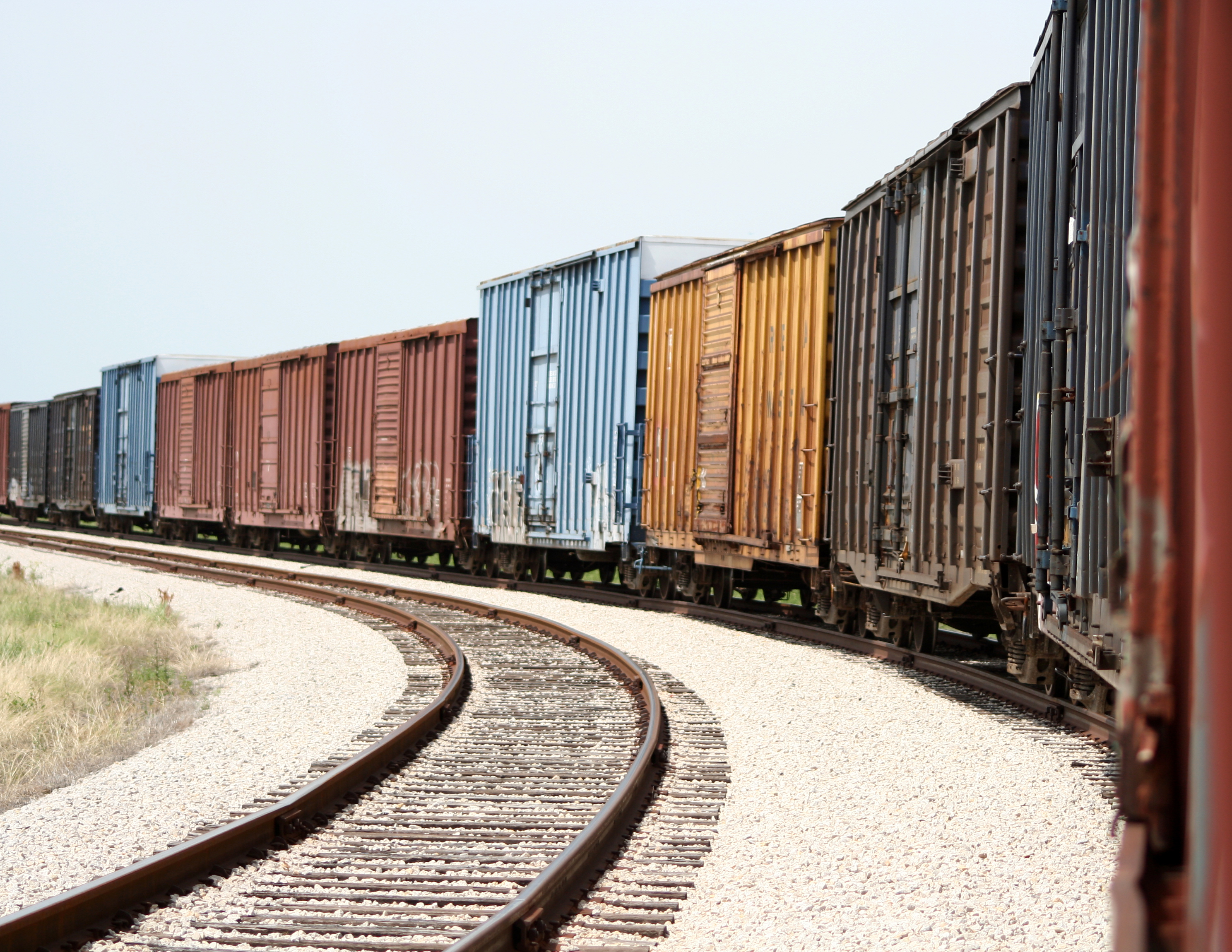
The trains I know
seek solitude
in darkness,

they wear
wind and cold
with pride,

are never
lonely.
Sometimes they

sing too loud,
or mourn
harshly a

star’s fall, but
they never
deny their

purpose: to
draw between
and connect,

to witness and
serve, to bear
and endure

our unsought
burdens
to the end.


* * *

file0001825830910

“The Trains I Know” was first published in RiverLit in 2013.

Rain Haibun


Rain Haibun

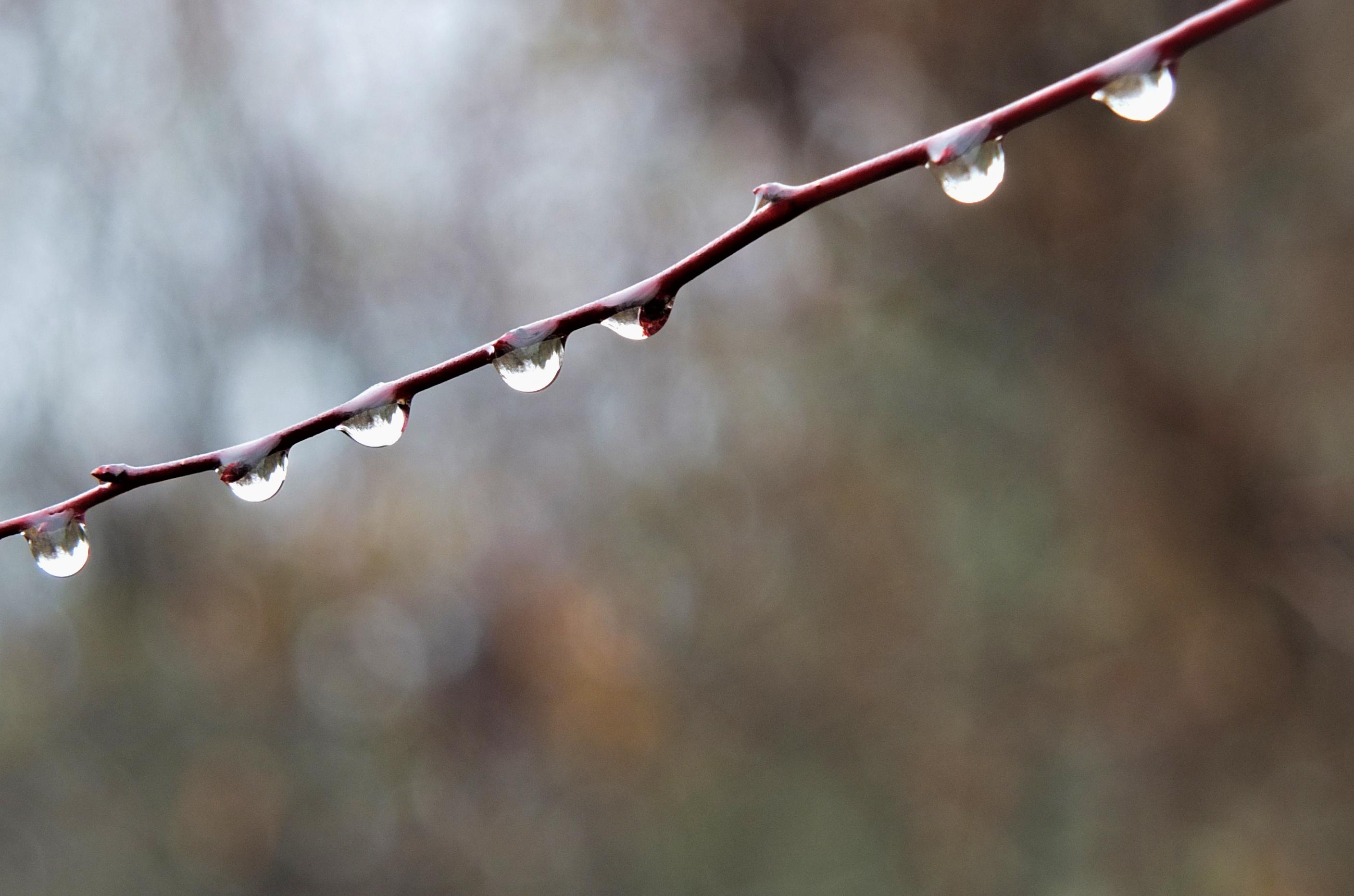
Watching that thought slide down the wall
into the grass. Losing it and the next,
celebrating each. How quickly the body
accepts decay. This knee, those arteries.
A fragmented life. Not even the rain
brings us back.


The ticking roof
swells with thunder.
My old friends, waiting.


* * *

“Rain Haibun” first appeared in The Larger Geometry: poems for peace, available at Amazon. This anthology of poems that “uplift, encourage and inspire,” features poets from five countries and three continents. Published by the interfaith peaceCENTER of San Antonio, Texas, a 501(c)(3) nonprofit organization. All proceeds from the sale of this anthology go to benefit the peaceCENTER.

I’m pleased to have had a small role in selecting the poems.

Contributing poets include Lynne Burnett, Charlotte Hamrick, Daryl Muranaka, Stephanie L. Harper, Sudhanshu Chopra, Texas Poet Laureate Carol Coffee Reposa, Michael Vecchio, Rebecca Raphael and others.


In Praise of Chiggers


In Praise of Chiggers


And the others
feasting unseen
upon you,
offering their
blessings
of digestive juices
and anticoagulants,
allergic reactions and
reddened mounds
made pleasurable
by your fingernails
scraping the skin
around them, over
and raw, again,
again, it feels
so good!


“In Praise of Chiggers” first appeared here in August, 2017. We’re past the season now…


Windows: A Theology


 Windows: A Theology

They capture no light, but allow admittance.
Nor is darkness their prisoner.

Opened or closed, their purposes change,
like water trickling downhill, gathering,
absorbing, dwindling, pretending.

Looking at them, you see past, into.

I have taken glass from its source; I have
fallen through the hard edges and emerged

unscathed. Smooth to the touch,
yet transparent. The words mean nothing
or all, and exist only within structure.

So little to believe, everything to defy.


“Windows: A Theology” was first published in the online anthology Igxante: An Ontology. I am grateful to editor Kate Morgan for taking this piece.

While Looking Up at a Working Wasp, I Trip


While Looking Up at a Working Wasp, I Trip

How do these things I once barely acknowledged
now snare toes or twist ankles, causing me to stumble,

spill coffee and curse. Steps, rocks, pavement, curbs.
Door sills. No matter which, without provocation.

Solitary wasps mate not in flight but in the vicinity
of their nesting area. Three years ago a female

violated our unspoken agreement of mutual
existence; my arm purpled and ballooned

to twice its normal size, and I demolished her nest
for fear that attacks would become habit. Today,

another builds in the same spot. I stoop by,
beneath notice, as she labors to make room

for eggs fertilized with stored sperm from a single
drone. Such diligence should earn rewards.

I stroll to the mailbox and marvel at their ability
to manufacture wood pulp for nests, how

certain species avoid mating with siblings
on the basis of chemical signatures, and that

they voluntarily control the sex of their offspring.
Ah, the wonders of nature! Approaching the door,

I look up and observe the growing nest with
admiration, enter the house without stumbling,

and inhale the fragrance of the perfectly arranged
lilies. The books on the table entice me, so I

pour a glass of malbec and thumb through them
with great pleasure. Soon, after sunset, she will die.


* * *

“While Looking Up at a Working Wasp, I Trip” was published in MockingHeart Review in May 2018.

Flood Gauge in the Morning


Flood Gauge in the Morning

It reclines on its side, submerged.
So far, so good, it seems
to say. Still here, still intact.
And the bridge looks so clean
from this angle
underwater.

I toss
a fist-size stone
onto the upstream
side of the road,
and watch it wash away.
Maybe we’ll cross tomorrow.


“Flood Gauge in the Morning” is included in my chapbook, From Every Moment a Second, available for order via Amazon.com and Finishing Line Press.


Take Away


Take Away

Take away the blackness,
what does night become?

Remove arugula’s bitterness,
the reddened prints on a slapped
cheek, or yeast from leavened bread.

The coroner’s mask denies emotion.

We possess no less now than we did then.
One hand holds the root, the other, a trowel.
Soil, compost. Ash. Water, dreams. Renewal.

The economy of dying continues.

One mother stands alone, cradling pain in
both arms. The second shares her shadow.


“Take Away” is included in my chapbook, From Every Moment a Second, available for order now via Amazon.com and Finishing Line Press.


Home: Living Between


Home: Living Between

My younger self dwelled in shadows propelled by light.
Indigo to ebony, in variant shades.

Concealed in language and skin, surrounded by shelved words.
Departed friends. Grass grown tall or baked to a brittle yellow.

The central order of a life arranged in sequence, orbiting through mother,
father, sister and passers-by glancing through our windows.

A parachute of discomfort billowing in the blue.
Distance and uncertainty beyond the nuclear family.

Acknowledging the new, still I looked inward.
The house as structure, as symbol, but always impermanent, unattainable.

Not rejection, but a liminal sense of being, of place.
Faces changed, but books carried me from city to state to country.

Translated from three views and speaking in brushstrokes across the wall,
slowly filled from edge to center, layer upon layer.

Containment, conjunction, circumstance. Triangle to circle.
No headstones mark my locus, no place bears my name.

Borders, the threshold of shared lives.


* * *

“Home: Living Between” was originally published at Allegro Poetry Magazine.  Thank you, Sally Long, for taking this poem.


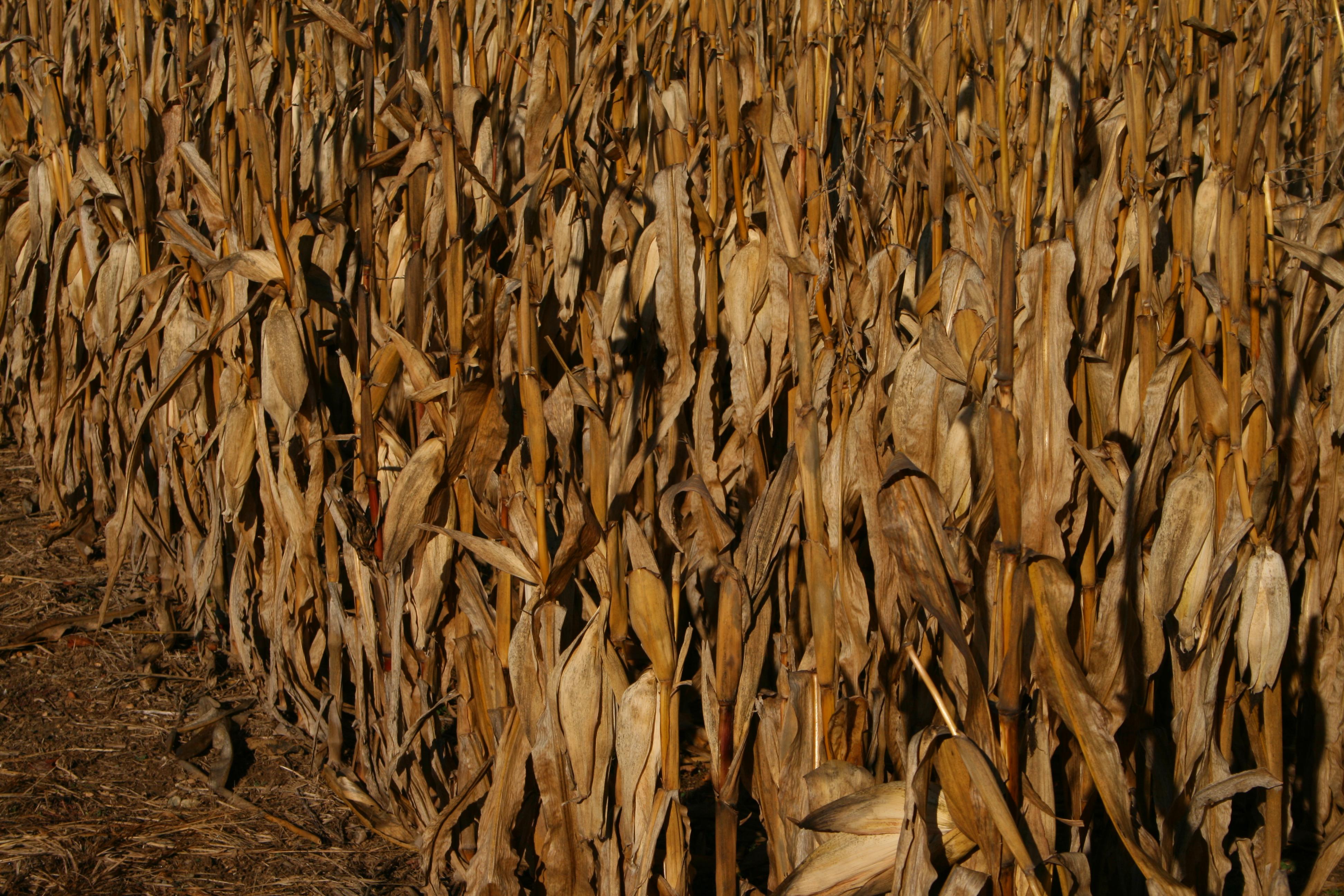
The Boy Who Wouldn’t Hoe Corn


The Boy Who Wouldn’t Hoe Corn

We have always absorbed heaven,
even through these days of malformed
grain and truth pulled dark and low:
variety confirms purpose. This ear

captures no sound. These inflorescences
produce starch. Those
release pollen. You will die one day.

Inaction reflects uncertain intent.
One must weigh frost,
and with their shallow
roots, susceptibility to drought, poor

soils and high wind. Your lips
kiss steel more readily than flesh, yet
I pray that you amend your thoughts
and accept my proffered hand,

that the individual fruits of the cob
may one day fuse into a single mass,
bringing weight to sunlight,

and a greater grain to your table. But
the door stands unopened, a voice
censuring the innocent. I contemplate
converted light, consider

crows, subduction and rags flapping
in the darkness, silent
tongues wavering unseen above the

unhoed dirt, within each kernel’s
purpose, deep into a hollow core,
raging, unmet and shriveled,
hands opened, resolute yet proud.


The title is from a traditional song, as performed by Alison Krauss and Union Station. The poem is my take on it. “The Boy Who Wouldn’t Hoe Corn” was included in GFT Presents: One in Four, a semiannual, print literary journal published by GFT Press.


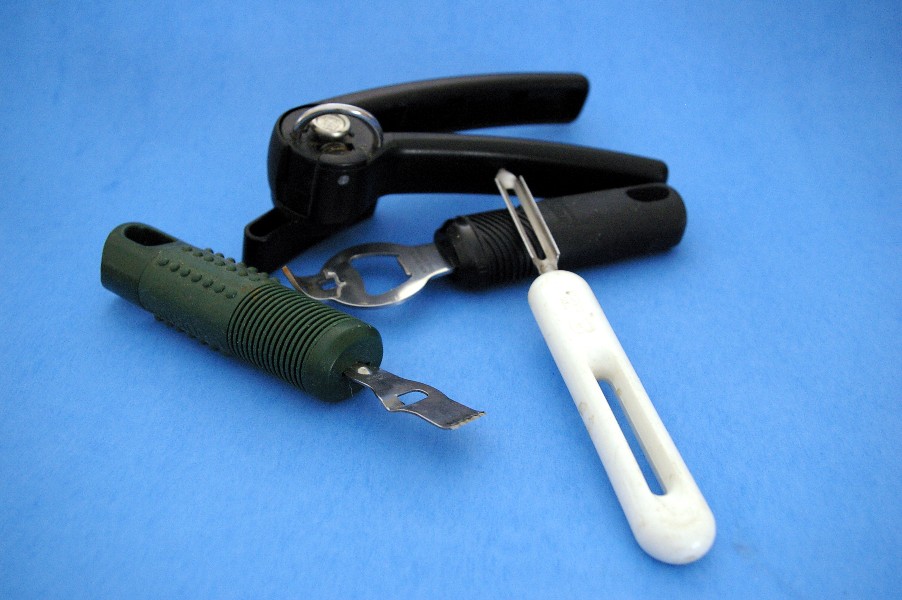
Drawer of Possibilities


Drawer of Possibilities

In the drawer of possibilities
you find stasis, the lure of the unknown.
To what should this hinged orb
be subservient? Or that wrinkled blade?
An egg, the bald potato. The sacrificial
carrot? To everything its purpose.
Like that light in the crook of the
altered frame, attracting the winged
beings. You, of course, serve nothing.


“Drawer of Possibilities” first appeared in The New Reader in March 2018.