Empty Cup

Empty Cup

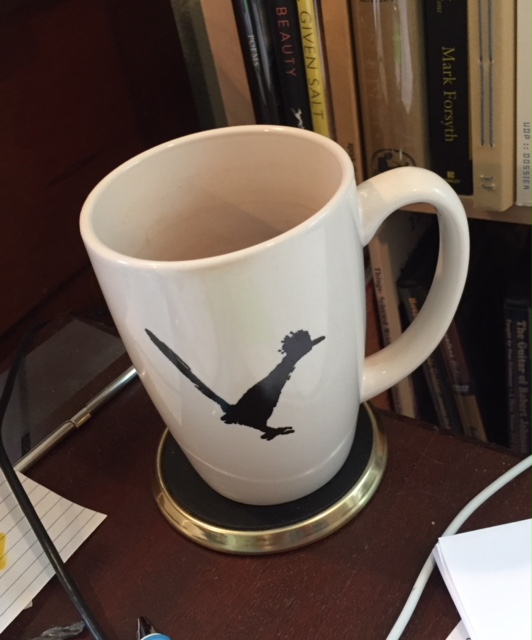
I set down my cup, pour
tea and think this day, too,
may never end.

With what do we quantify love? How does grief measure us? Nine days ago I wrote “My father is dying and I’m sipping a beer.” More words followed, but I did not write them, choosing instead to let them gather where they would – among the darkening fringe at light’s edge, in that space between the shakuhachi’s notes, in the fragrance of spices toasting in the skillet. In unwept tears. Everywhere. Nowhere.

Seven days ago I wrote “My father is dead.” Again, I chose to let the unwritten words gather and linger, allowing them to spread in their own time, attaching themselves to one another, long chains of emptiness dragging through the days.

If experience reflects truth, sorrow’s scroll will unravel slowly for me, and will never stop. I feel it beginning to quiver, but only the tiniest edge emerges. I am nothing, I say. I am voice, I am loss, I am name. I am memory. I am son.

I have fifty-nine years
and no wisdom to show for it.
Never enough. Too much.

* * *

I don’t usually repeat recent posts so soon, but this one seems appropriate for Father’s Day. I miss you, Dad.

When to Say Goodbye

dried

When to Say Goodbye

 If all goes well it will never happen.
The dry grass in the shade whispers

while the vines crunch underfoot,
releasing a bitter odor. A year ago

I led my dog to his death, the third
in five years. How such counting

precedes affection, dwindles ever
so slowly, one star winking out after

another, till only the morning gray
hangs above us, solemn, indefinite.

Voiceless. If I could cock my head
to howl, who would understand? Not

one dog or three, neither mother nor
mentor, not my friend’s sister nor her

father and his nephews, the two boys
belted safely in the back seat. No.

I walk downhill and closer to the creek,
where the vines are still green.

In the shade of a large cedar, a turtle
slips into the water and eases away.

* * *

“When to Say Goodbye,” drafted during the August 2015 Tupelo Press 30-30 challenge, was published by Oxidant | Engine in May 2017, and subsequently nominated for a Best of the Net 2017 award.

Year’s End

OLYMPUS DIGITAL CAMERA

Year’s End

If I lose myself in breathing,
will the air forgive my forgetfulness?

This oak, too, will stand long after
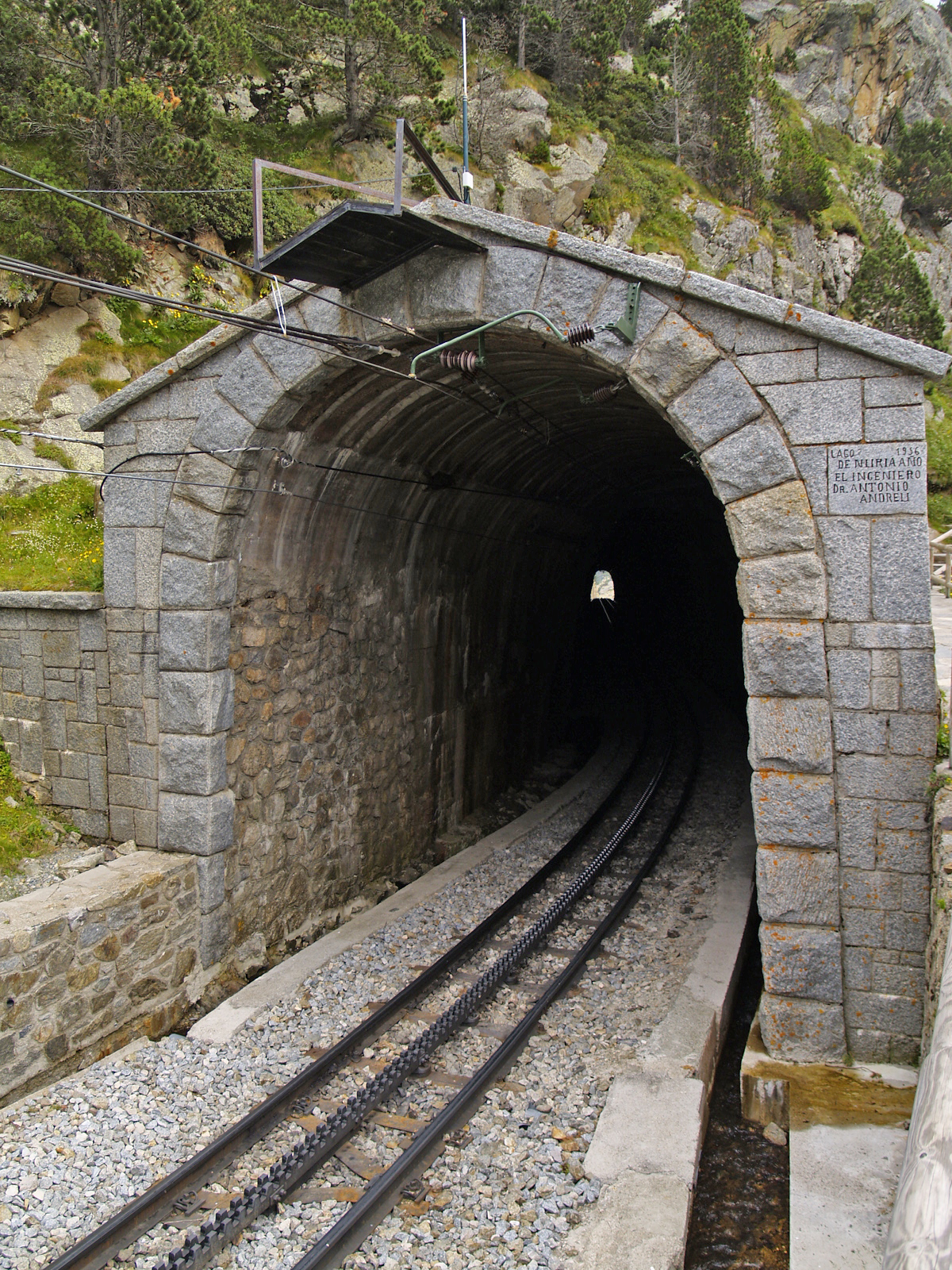
the last train exits the tunnel.

I worry that my friend may never
clamber past his lowest ambition.

Different and unabated, our words
now stumble over themselves.

Every night forms a morning somewhere:
each year, combined in our shared darkness.

* * *

“Year’s End” is included in my micro-chapbook Only This, available via free download from Origami Poems Project. Many thanks to editor Jan Keough for taking the mini-chap and offering this opportunity to so many.

night

Letter to Gierke from the Future’s Past

Letter to Gierke from the Future’s Past

Dear Ken: I’m fixated on open faucets and drained tanks,
on cracked PVC and browned grass, denial and what’s to
come, thinking of old dogs and accusations and how
the morning’s lopsided beginning has wrung out every
shred of positive emotion absorbed overnight. Then
a pinpoint emerges, swelling, until I can see, as through
a spidery windshield, tomorrow and its improbabilities.
Last weekend I built a window screen to exact measurements,
only to discover the sill tilted on the north by a quarter-inch,
and in order to install the damned thing I had to shorten
its right side, ruining the rectangle. Perfection eludes me,
even when guided by tape and square, especially in this
climate of exacerbated deterioration, which has not, alas,
excluded me – sciatic nerve, shoulders, knees, hands, etc.
But enough whining. Tea leaves predict that in a few hours
I’ll cross the creek trickling over the road, check the cisterns
and drop off tomorrow’s drinks before heading home to
swat mosquitoes and grill sage-rubbed pork kebabs while
sipping hoppy brews. That’s as far into the future as I
care to venture. The Cowboys drafted a lineman named
Taco, the weeds need mowing and my belly says noon
is fast approaching. I’d like carnitas, but have only rice
and beans, which probably signifies something far deeper
than my conscience will admit, trials I’ll never face. A
thunderstorm looms in the forecast, but my left ankle says
it ain’t happening. What do your mended bones claim?
Mine usually plead the fifth, but hey, they’re careful,
these days, and with good reason. Take care. Bob

* * *

“Letter to Gierke from the Future’s Past” was featured at Vox Populi in December 2017.

My Poem “Nine Ways of Shaping the Moon” is on Other People’s Flowers Podcast

My poem “Nine Ways of Shaping the Moon” is featured on the Podcast Other People’s Flowers. I’ve never heard this poem read by someone else. It’s good to hear a different voice. Many thanks to Hugo Gibson for recording this version. You may find the podcast at these various links:

https://itunes.apple.com/gb/podcast/other-peoples-flowers/id1351210915?mt=2https://www.podbean.com/podcast-detail/tw73f-672dc/Other-People’s-Flowers-Podcasthttps://anchor.fm/other-peoples-flowershttps://player.fm/series/series-2182071https://www.stitcher.com/podcast/other-peoples-flowers

Nine Ways of Shaping the Moon

                                         for Lissa

1
Tilt your head and laugh
until the night bends
and I see only you.

2
Weave the wind into a song.
Rub its fabric over your skin.
For whom does it speak?

3
Remove all stars and streetlights.
Remove thought, remove voice.
Remove me. But do not remove yourself.

4
Tear the clouds into threads
and place them in layered circles.
Then breathe slowly into my ear.

5
Drink deeply. Raise your eyes to the brightness
above the cedars. Observe their motion
through the empty glass. Repeat.

6
Talk music to me. Talk conspiracies
and food and dogs and rain. Do this
under the wild night sky.

7
Harvest red pollen from the trees.
Cast it about the room
and look through the haze.

8
From the bed, gaze into the mirror.
The reflection you see is the darkness
absorbing your glow.

9
Fold the light around us, and listen.
You are the moon in whose waters
I would gladly drown.

* * *

First posted in October 2014, and again on Valentine’s Day in 2016, 2017 and 2018, “Nine Ways of Shaping the Moon” also appears in my chapbook, If Your Matter Could Reform. Coincidentally, my poem is paired with one by Veronica Haunani Fitzhugh, with whom I am acquainted via this blog and the Tupelo Press 30-30 challenge. I’m very pleased and proud to have my poem read alongside hers.

If You Drop Leaves


If You Drop Leaves

If you drop leaves when she walks by,
does that signify grief for those
cut down early,

or merely drought?
How easily we abandon and forget.

Yet a whiff of lemon verbena or the light
bouncing from a passing Ford
can call them back,

tiny sorrows ratcheted in sequence
above the cracked well casing

but below the shingles
and near the dwindling shade
tracing its outline on the lawn.

And what do you whisper
alone at night within sight
of sawn and stacked siblings?

Do you suffer anger by way
of deadfall or absorption,

bark grown around and concealing
a penetrating nail, never shedding
tears, never sharing one moment

with another. Offered condolences,
what might you say? Pain earns no
entrance. Remit yourselves.

“If You Drop Leaves” was published at Bad Pony in November 2017. Many thanks to editor Emily Corwin for taking this piece.

Window Open, Closed

black-curtains2

Window Open, Closed

We enter daylight in the shape
of praise, little words

billowing through wire mesh. Across
the highway a busboy questions time

and the concept of never, while
someone plucks leaves from the bay

tree and plans her day. Roger Bacon
longed to manipulate the inner essence

of inanimate objects, to harness their force,
and a lonely man swallows prescription drugs

deliberately, releasing their attributes over time.
My eyes redden from juniper pollen as the moon

spins invisibly above our roofs, tugging at the
clouds. I once traced in a building of music

the organ’s sound to the woman I longed
to attract. Now, the window prevents the passage

of solids, but waves penetrate. I spread my fingers
across the glass, but feel no vibrations. Distant

sirens announce a procession of cause and intent,
of carelessness and indecision. Somewhere a voice rises.

* * *

This originally appeared during Bonnie McClellan’s 2015 International Poetry Month celebration, and is included in The Circumference of Other, my offering in the Silver Birch Press chapbook collection, IDES, available on Amazon. A recording of the poem may be found on Bonnie’s site.

ides front cover 92915

In This I Find You Again

image

In This I Find You Again

If there is truth to be found
let someone find it. The yellow

rose rests in its jar. Day and
night it looks out through the glass

at the world of altered
lines, sensing, perhaps, beauty

through its failure to prevent
fading. Each morning I wake

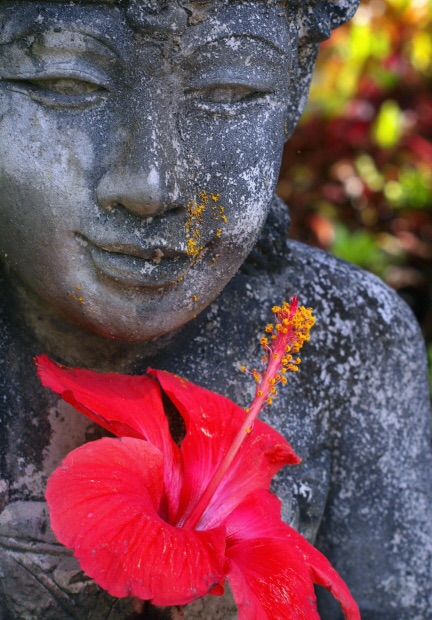
and think of you. The hibiscus
on our patio readies itself to blossom,

but pauses as if to prolong
the moment, waiting for a reason

to end its denial. Then it unfolds.
You are all I care to find.

* * *
Written in the 80s, this last appeared here in December 2016.

image

The Trains I Know

file000923469902

The Trains I Know

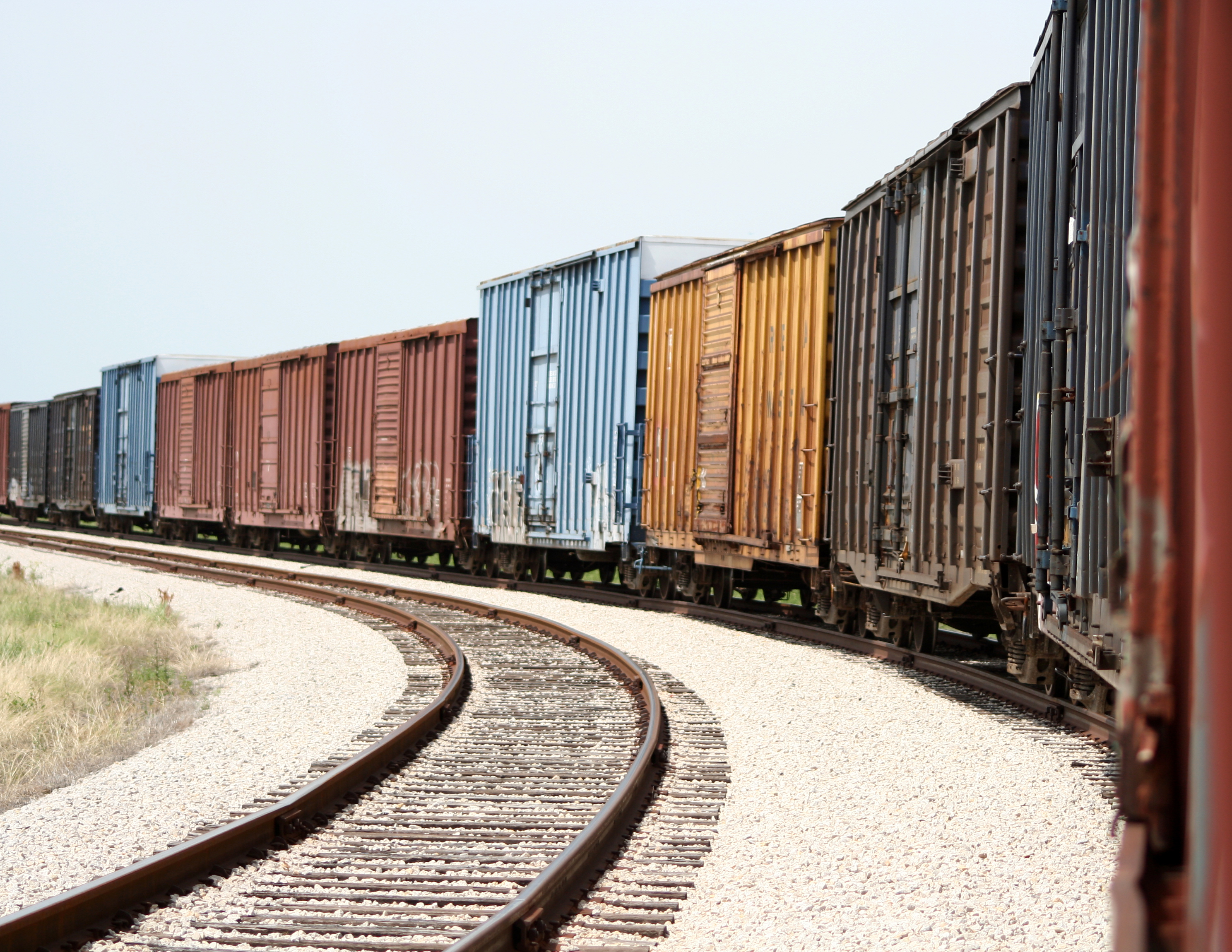
The trains I know
seek solitude
in darkness,

they wear
wind and cold
with pride,

are never
lonely.
Sometimes they

sing too loud,
or mourn
harshly a

star’s fall, but
they never
deny their

purpose: to
draw between
and connect,

to witness and
serve, to bear
and endure

our unsought
burdens
to the end.

* * *

file0001825830910

“The Trains I Know” last appeared here in July 2015.

Poem Up at Fourth and Sycamore

My poem, “The Trees are Burning at Midnight,” is live at Fourth and Sycamore, the literary journal of the Greenville Public Library, located in Greenville, Ohio. This piece was originally drafted during the August 2016 Tupelo Press 30-30 Challenge. Many thanks to Charlotte Hamrick for sponsoring the poem and offering the title.