After Reading That Dogs Relieve Themselves in Alignment with the Earth’s Magnetic Field, I Observe and Take Notes


After Reading That Dogs Relieve Themselves in Alignment with the Earth’s Magnetic Field, I Observe and Take Notes

Perhaps Ozymandias is an anomaly. He shows no
preference for the north-south axis while pooping,
and may hedge his bets slightly to the east when
urinating, especially at twilight. Clara the miniature
Schnauzer, ever Germanic in her manner, preferred
true north, always, while blind, deaf, humpbacked
Maury pointed his rear right leg forward, to the south.
Jackboy the cattledog was an omnidirectional reliever,
as is the Chihuahua, Apollonia, although she twists and
snaps at blinking fireflies in mid-squat, never connecting
with the dancing, lighted beetles. I do not recall the
bulldog’s habits, but Scotch trended towards the untidy
in all else, and expended as little energy as possible,
often leaning against the house while peeing on it. I
cannot say which direction my next scientific inquiry
will take, but I will, as always, follow the dogs’ lead.


This poem last appeared here in December 2017, and was written during the August 2016 Tupelo Press 30-30 Challenge. Many thanks to Susan Nefzger for sponsoring the poem. She is NOT to blame for the title or the contents of the poem…


Hummingbird (3)

file0001815455590(1)


Hummingbird (3)

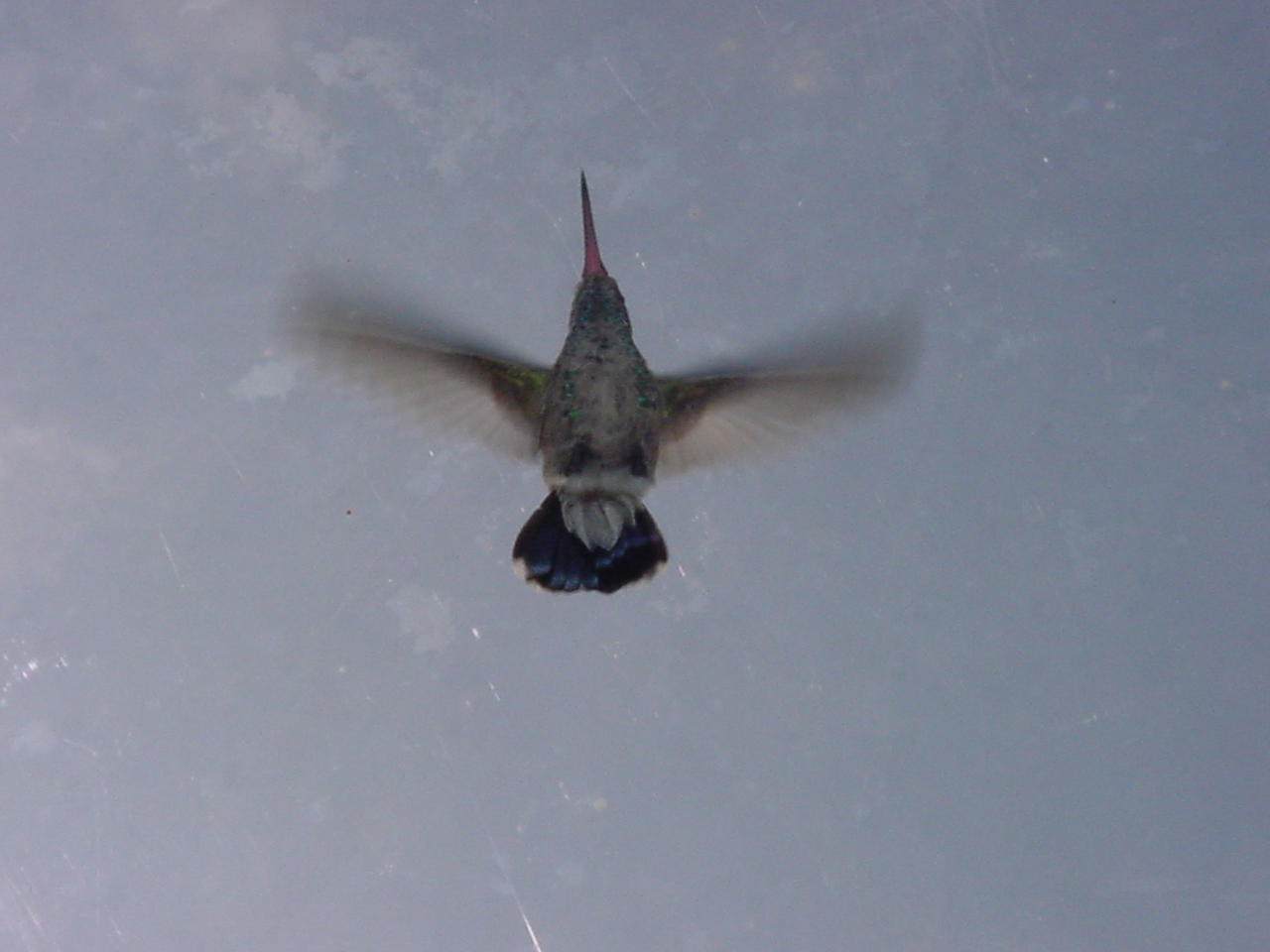
Arriving from nowhere,
its mouth opens

but what escapes
comes not from within

and is never complete.
Words, too, falter

in this space,
struggling to remain

aloft, challenged yet free,
an exchange

between air and wing,
of sound and thought,

occurring as it must
without design

or desire, simply
there, then gone,

a presence one notices
in its absence.


* * *

“Hummingbird (3) made its first appearance  on the blog in December 2014.

words


Forever

photo


Forever

Our dogs hide under the bed,
escaping thunder.

But the sun shatters
a cloud and I know

we will live forever.
Each hour is the sky,

every day, another
star. Now the trees

join the wind
in rejoicing. This

is what we make,
they say. Only this.


* * *

“Forever” made its last appearance here in April 2018.

DSCN8545


Hummingbird (2)

humming moon-2

Hummingbird (2)

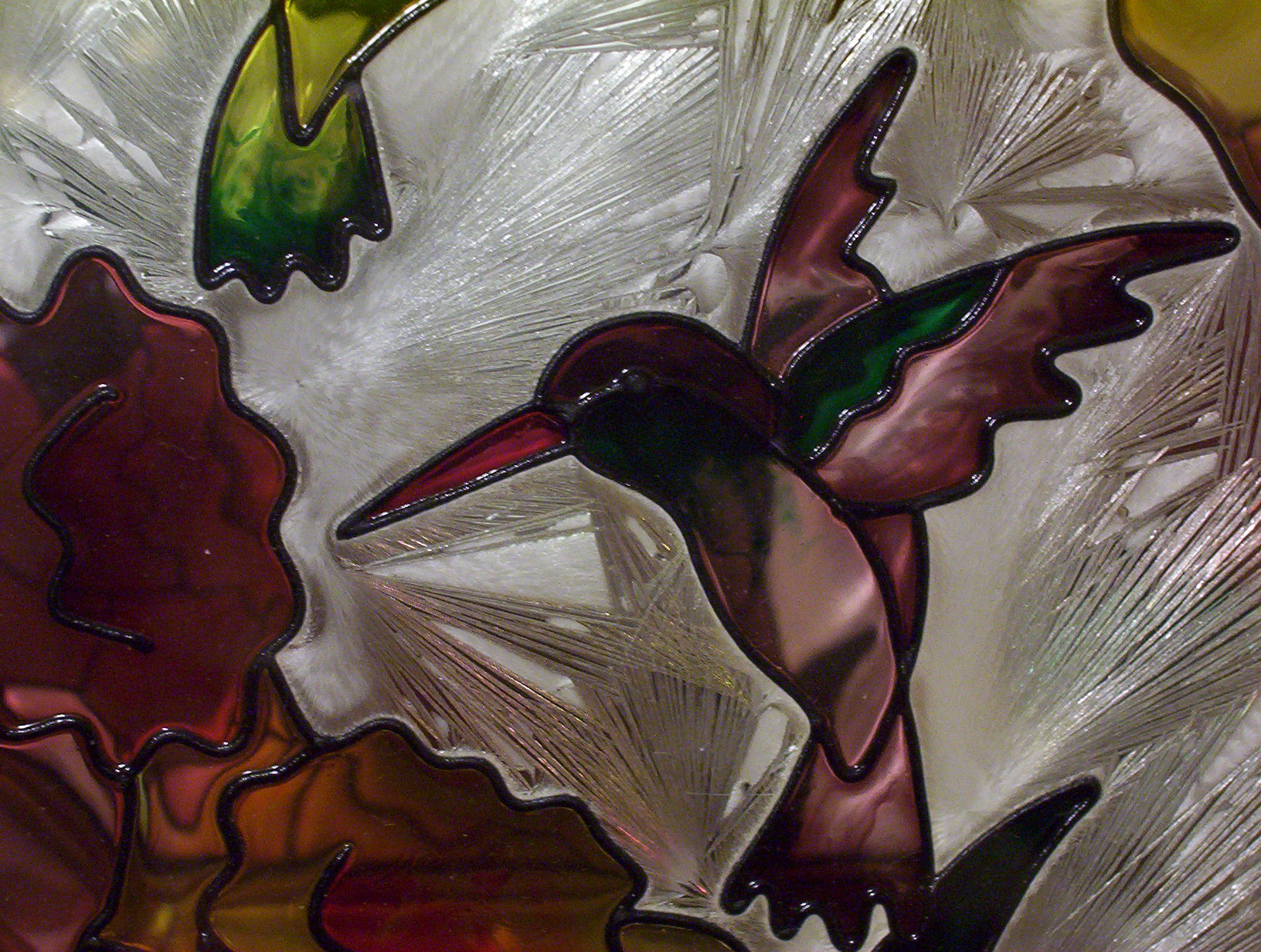
It embraces what the mind cannot.
To touch, to be
acquired in the way that light

is drawn to the seed’s
core, one must imagine
silence in the purity of

space – that emptiness between
thought and utterance – filled
with what precedes

intent. The movement
has no end; it is

the breath inhaling us all.

glasshummer

Elegies for the Night (2002)

OLYMPUS DIGITAL CAMERA


Elegies for the Night (2002)
                                        for W

1
You might palm a small token, damp and misshapen as the words
you expel, never admitting the dark truth.

Or the plundered life, neither black nor white, invisible yet whole.

Someone prays, yet all around silence reigns and the snow melts.

Possibilities cleansed in the light of misplaced certainty.

2
The charred wind’s fruit bears little resemblance to its predecessor.

And later, within the garden’s stones, what remains
but an acrid taste on the tongues of the speechless?

And if the bones have dispersed where might their thoughts reside?

The wind takes nothing it does not want.

The wind wants nothing.

Nothing remains.

                    I am afraid, she said. Please tell me.

3
Though the moon returns in its diminished
state, I shall not listen. Words

turn back and eat
themselves, exposing intent

behind form, consonants beneath
vowels lying in wait. Abandonment.

And further senseless
debates: gain from loss, shock and awe,
the incessant demand for others to do

not what you would do but what you would have them do.
I claim no insight,

but even the light you reveal burns unclean.

4
Despair and its siblings fall to mind.
Scarcities: clean water, air, the simplest meal

when ashes swirl and fingers burn long after
the rain. My son, my son,

and other cries lost in the sand.
If he listened what sounds could he bear,

what sights, which odors? I tremble and lie still.

* * *

“Elegies for the Night” first appeared in Boston Poetry Magazine in April 2014.


ÇØÝÇá ÈÇáÞÑÈ ãä ÇÍÏì ÇáÏÈÇÈÇÊ ÇáÕåíæäíÉ 28/8/2001

New Year

tea


New Year

How transparent you’ve become:
even the leaves blow through

your pockets, and penitents
line up, awaiting the latest word.

Those who have, fear the most.
Each day collapses under its own

weight, rising again into the new.
Surgery brooks no illusions;

this house, too, will fail.
Owning little, I pour tea and wait.

bench

“New Year” first appeared here on January 1, 2017.

Hummingbird

file000858060241

Hummingbird

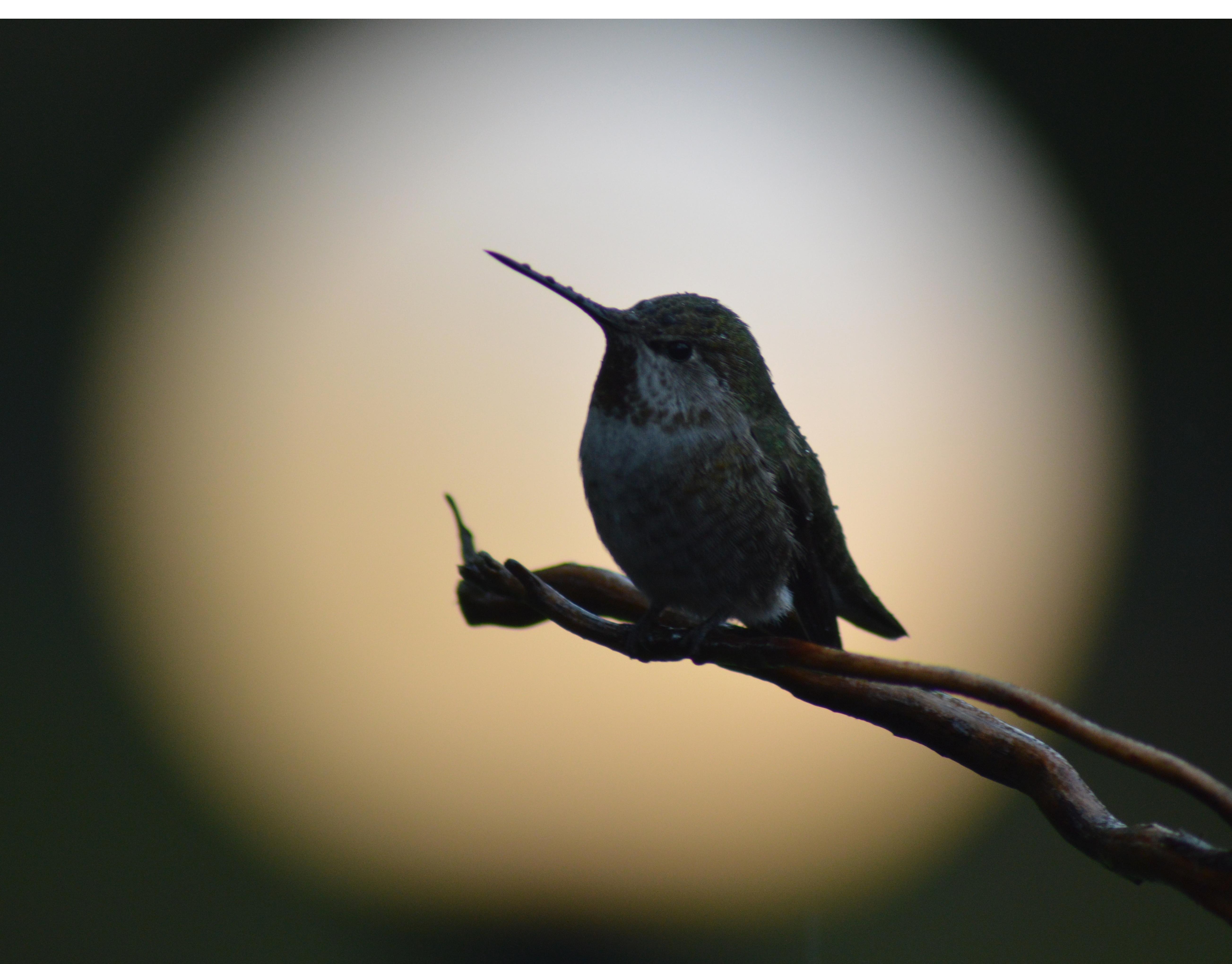
The thought makes
trembling so

incomplete, a consequence
of knowledge attained. I look out

and see leaves flitting in the dusk,
the air closing around them

like the mouth of an old well
swallowing light. Such

hunger we find difficult
to comprehend. The wind shivers

through our lives and repeats itself,
though differently each time.

Every departure is a return.

“Hummingbird” made it’s first appearance on the blog in December 2014. I wrote it in the 1980s, probably between 1987-1989.

IMG_6039

Endurance, 1946

file000428116082

Endurance, 1946

Unaware of the day’s movements, she paints her
reply to the bracelet of light flaring above

the horizon. Tomorrow’s edict is gather,
as in retrieving a sister’s bones in black

rain, reassembling in thought
a smile that could not endure despite

its beauty. I seek a place
of nourishment and find empty bowls.

What is the symbol for peace, for planet?
How do we relinquish the incinerated voice?

Under the vault of ribs lie exiled words, more
bones, and beneath them, relentless darkness.

And whose bodies mingle in this earth?
Whose tongue withers from disuse?

The eight muscles react to separate stimuli,
four to change shape and four to alter position.

Turning, she places the brush on the sill
and opens the window to the breeze.

Exit the light, exit all prayer. Ten strokes
form breath. She does not taste the wind.

Atomic Bomb Dome_03

“Endurance, 1946” first appeared here in January 2015, and was published in Fahmidan Journal in November 2020. Thank you editors Ranna Kisswani and Anthony R. Salandy for taking this piece.


Which Poet, Which Beer (2)

pint

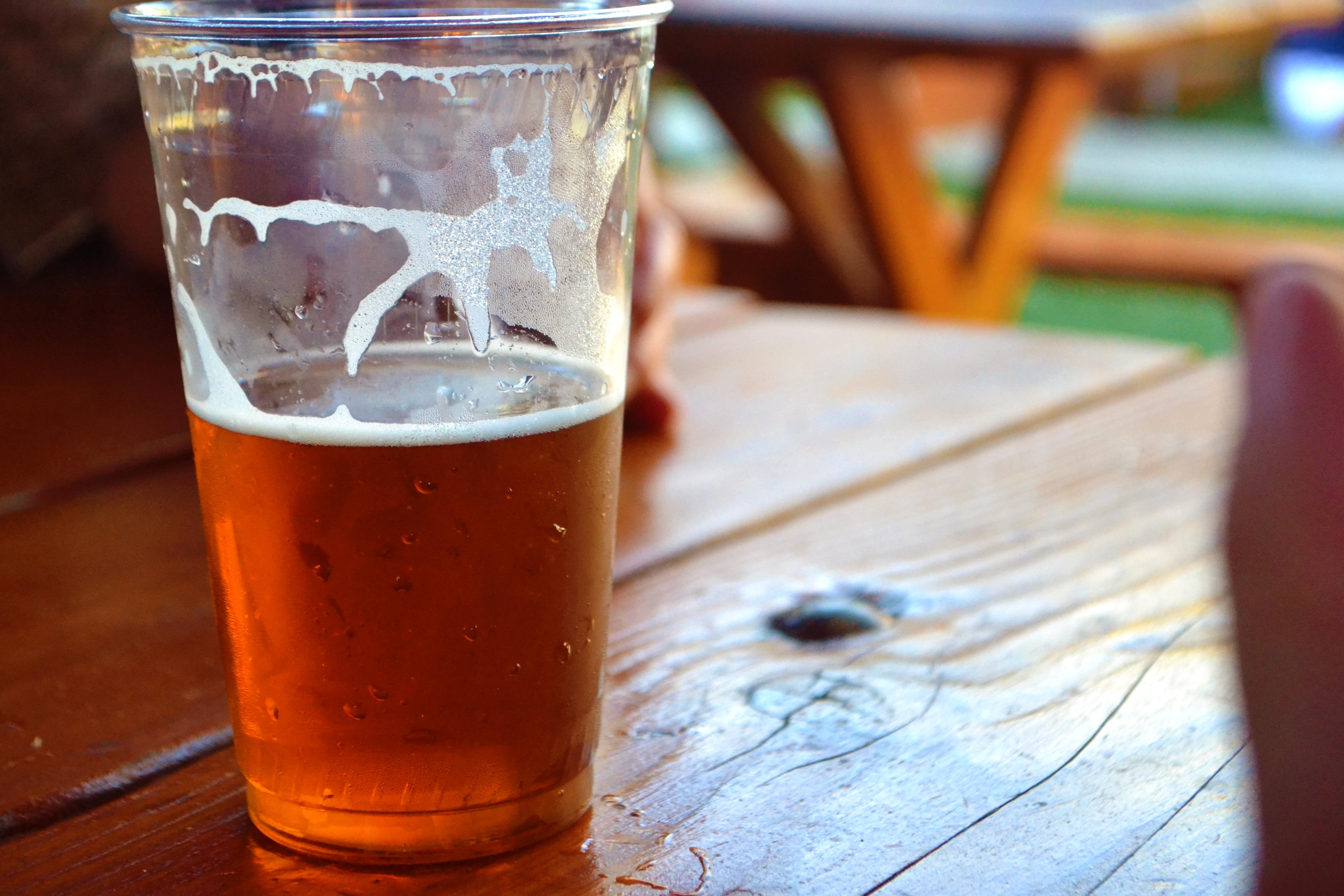
Tastes change. In my younger years I preferred sweeter brown ales, eschewed hoppier, bitter beverages, and seldom branched out. Nowadays, I lean heavily towards the bitter, and when the opportunity presents itself, feel compelled to sample the unknown. Thus when I spied Alaskan Brewing Company’s Alaskan Jalapeño Imperial IPA on tap, I had no choice but to order a pint. We may not normally place the words Alaska and jalapeño alongside each other, but if this Imperial IPA is any indication, perhaps we should. With an odor of hops and capsicum, it felt smooth on the tongue, a little malty, even earthy. Not  complex at the outset, but subtle, defying definition and developing over time, in the way a good poem develops. My only complaint would be the lack of heat. But hey, I’m from Texas, and we do jalapeños. This is a beer of multiple cultures, a blend of distinct identities. I think of Joan Naviyuk Kane, and her first book, The Cormorant Hunter’s Wife, in which she writes in “Antistrophic”

Instead of out, I am in,
Trying at the old habit of imperfect definition
As well as the less familiar,
Between falling gold

Kane’s narrative, her mythology and landscape, are not mine, yet they invite me in and envelop my senses, allowing synthesis, acceptance, to occur.

But sometimes I crave the unadorned. The Lone Pint Brewery’s Yellowrose IPA, a single malt, single hop concoction, startled me. Surprisingly mellow in the mouth, it imparts grapefruit and perhaps pineapple with a hint of something I can’t readily identify. Strong yet delicate, infinitely interesting, Yellowrose is most definitely a celebration of simplicity and craft – a few ingredients combined to create magic. Which may also describe Christina Davis’s book An Ethic. Spare in nature, her work transcends the limits of language, the borders of the page. Her poems blossom anew with each reading, and the farther away I move from them, the more I long to return:

”All Those That Wander,” in its entirety:

After the ark survived the Flood,
it was taken apart
to be made into cages.

This is the nature of religion.

Of course my curiosity leads me down other paths, too. Infamous Brewing Company’s Sweep the Leg peanut butter stout pours with a small head, and tastes of rich malts and coffee, with a little cocoa and, of course, subtle peanut tones. An opaque, dark brown or black, with minimal carbonation, exuding stillness, it isn’t quite what I anticipated, with the peanut butter flavor a tad muted. But the mouthfeel is spot on, and the aftertaste lingers, leaving me requesting more of this unlikely combination, and reminding me of Charles Simic’s  Dime-Store Alchemy: The Art of Joseph Cornell, in which he imparts, through prose poems, the experience of viewing Cornell’s enigmatic art. Nothing is quite as you expect it should or could be, yet you go on, somehow understanding. He writes in “Secret Toy”:

In a secret room in a secret house his secret toy sits
listening to its own stillness.

Simic offers openings into Cornell’s art, explains the unexplainable without explanation. I stare into the pint of Sweep the Leg, and find my own stillness. I read Simic and find another. This is what I seek in poetry, what I want in good beer. I have found it.
 

blackbeer

“Which Poets, Which Beer (2)” has appeared here several times. You will be relieved to hear that I am still conducting research in these matters.


Not Blame Your Pleasure

bike


Not Blame Your Pleasure

Because vision limits options, I close my eyes.

Becoming urges patience.

The morning after I didn’t die, I took breakfast in bed.

Arrival stamps the difference between waiting and choice.

Expectation, too, extends its squeeze, rendering sleep impossible.

I ride the bike and go nowhere, or walk steadily, covering the same ground.

Which will claim me first? An occlusion, gravity or unchecked growth?

Anticipation replaces one sigh with another: I have three falls from two roofs.

A friend has named me executor of his estate, and now the race is on.

The path to the void seems straight only near its end.

My ashes will one day soil someone’s morning.


ladder

“Not Blame Your Pleasure” first appeared here in November 2015.